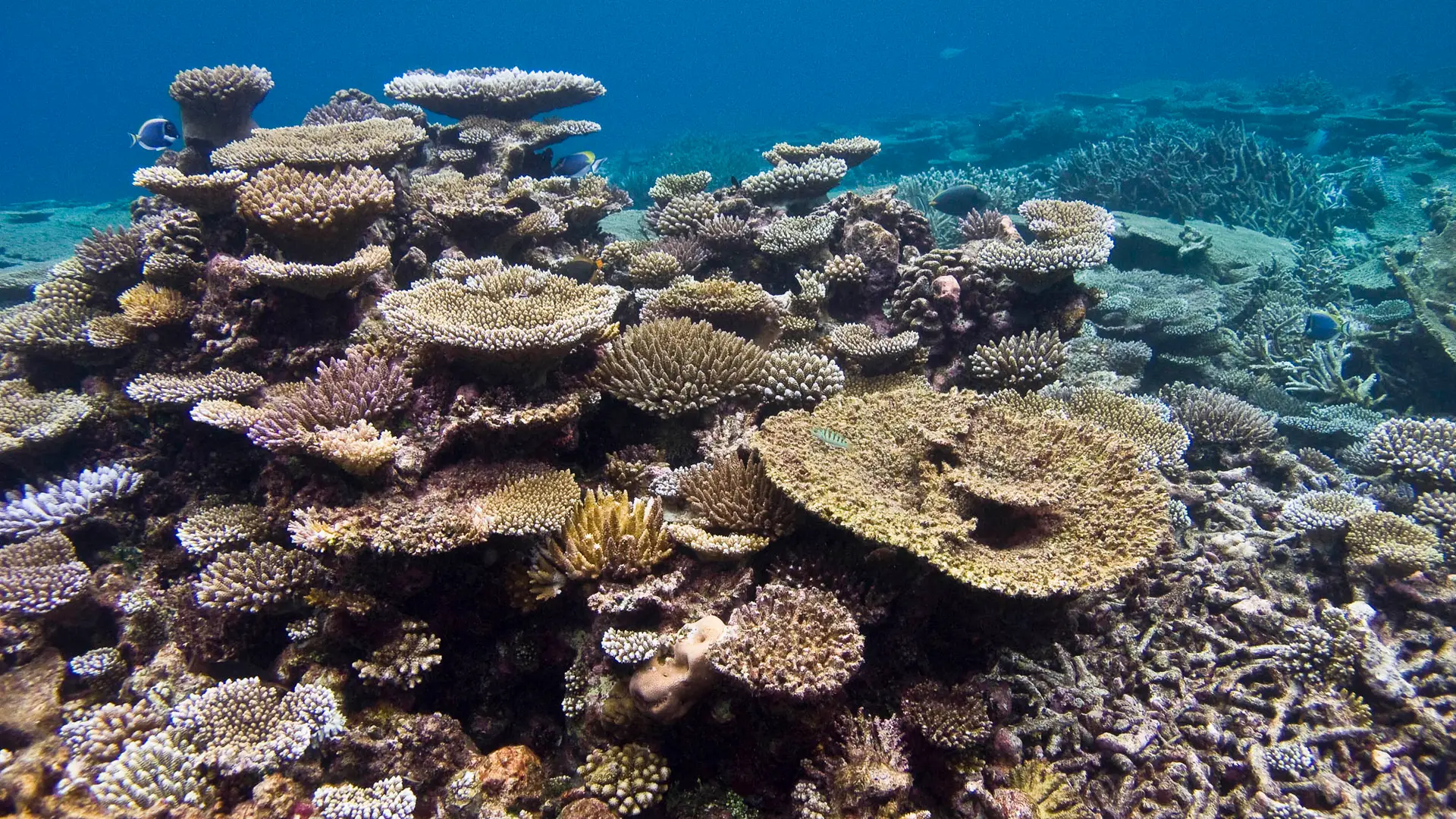
Ari Atoll
Maldives · Indian Ocean
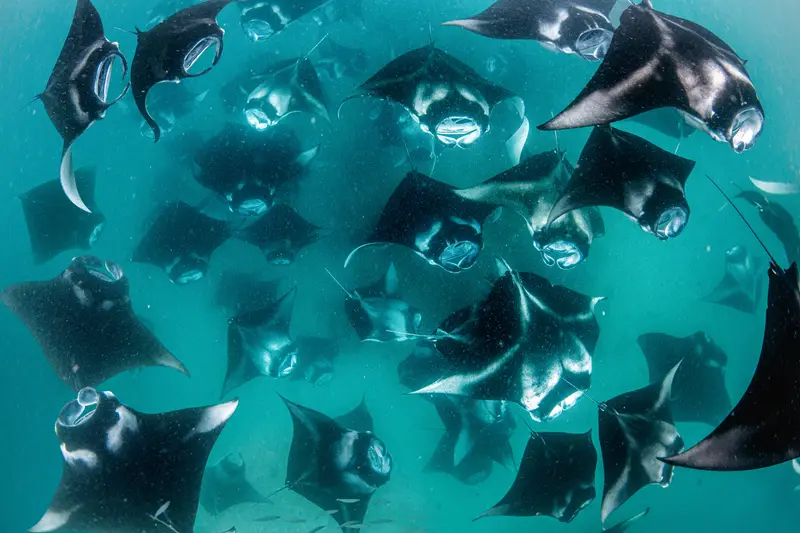
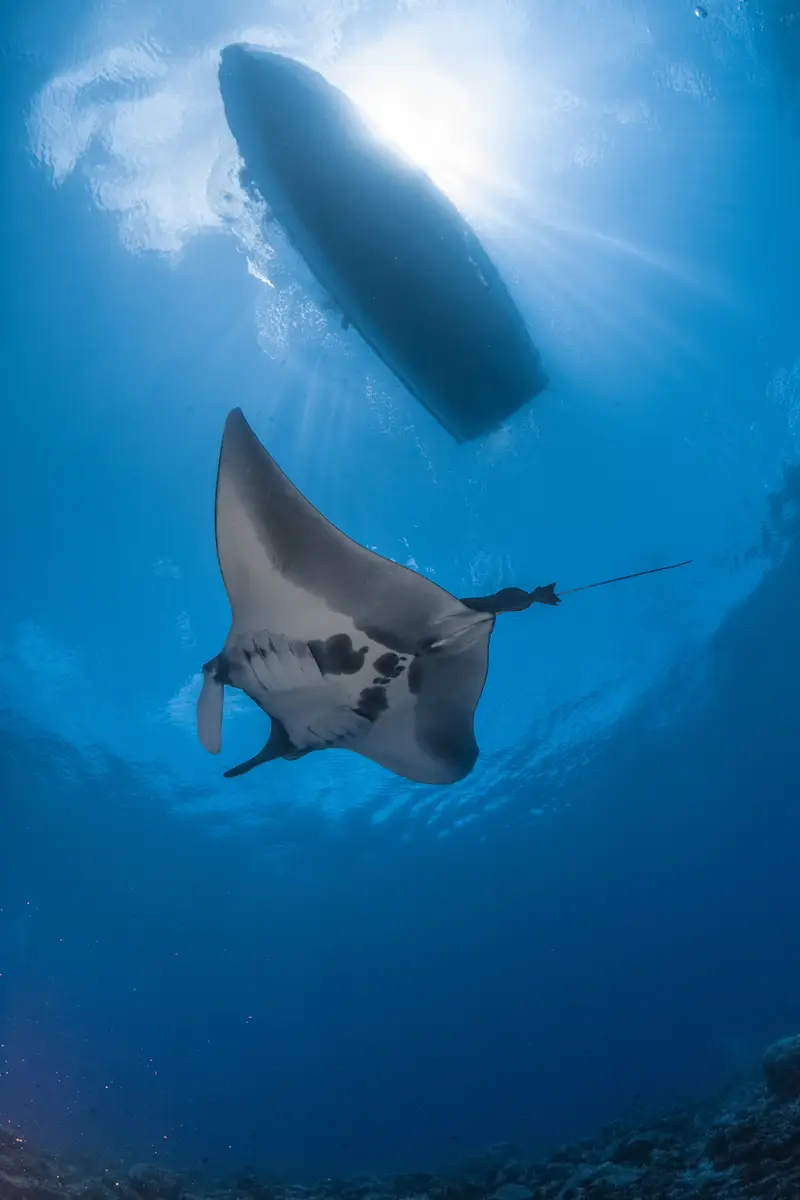
Ari is the Maldives' classic dive atoll — long unbroken reefs (thilas) rising from deep blue, manta cleaning stations on the eastern side, and one of the world's most reliable whale shark zones along the south. The diving is mostly relaxed wall and pinnacle work with the occasional ripping channel.
How this reef is doing
ⓘ How we measure thisReef state
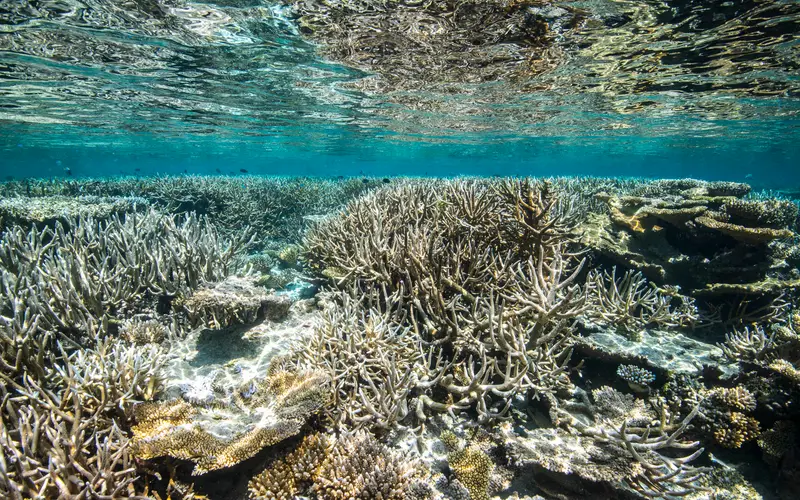
Manta and whale shark encounters at Ari are still the main draw and are not coral dependent. Hard coral has thinned noticeably since 2014. If you've been waiting on Maldives, this is the year — not later.
Coral cover
Fish life
Heat
Warmer than usual right now, but not hot enough to bleach.
Fishing
Some fishing is allowed here, in marked zones.
Sources · GCRMN reef surveys · NOAA Coral Reef Watch · Global Fishing Watch and reef gravity
Coral cover over time
Live coral cover, by survey year
Across surveys in 2014 and 2024, live coral cover here has fallen from 41% to 26%. Every point is a real survey reading, never a projection.
Live coral cover, percent by year
| Year | Coral cover |
|---|---|
| 2014 | 41% |
| 2024 | 26% |
What you will see
31 species across the dive sites here
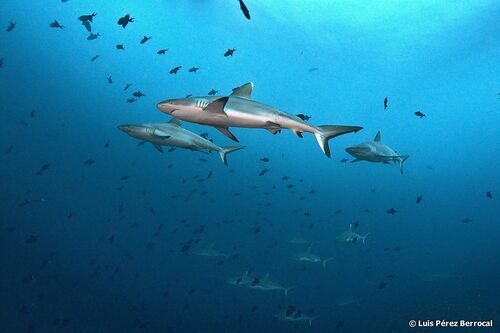
Grey reef shark
Seen 3 months ago
at Manta Point (Madivaru)
Endangered
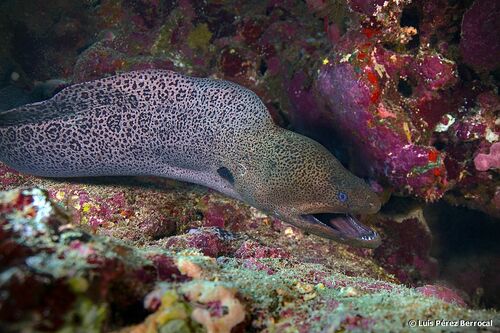
Giant Moray
Seen 4 months ago
at Fish Head (Mushimasmingili Thila)
Least concern
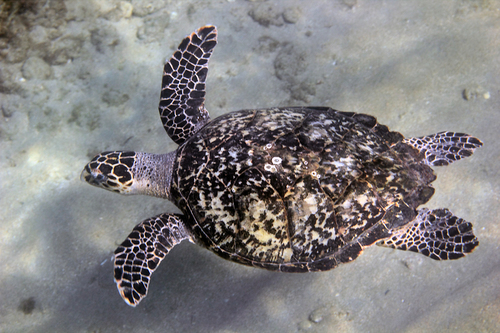
Hawksbill Sea Turtle
Seen 4 months ago
at Maaya Thila
Critically endangered
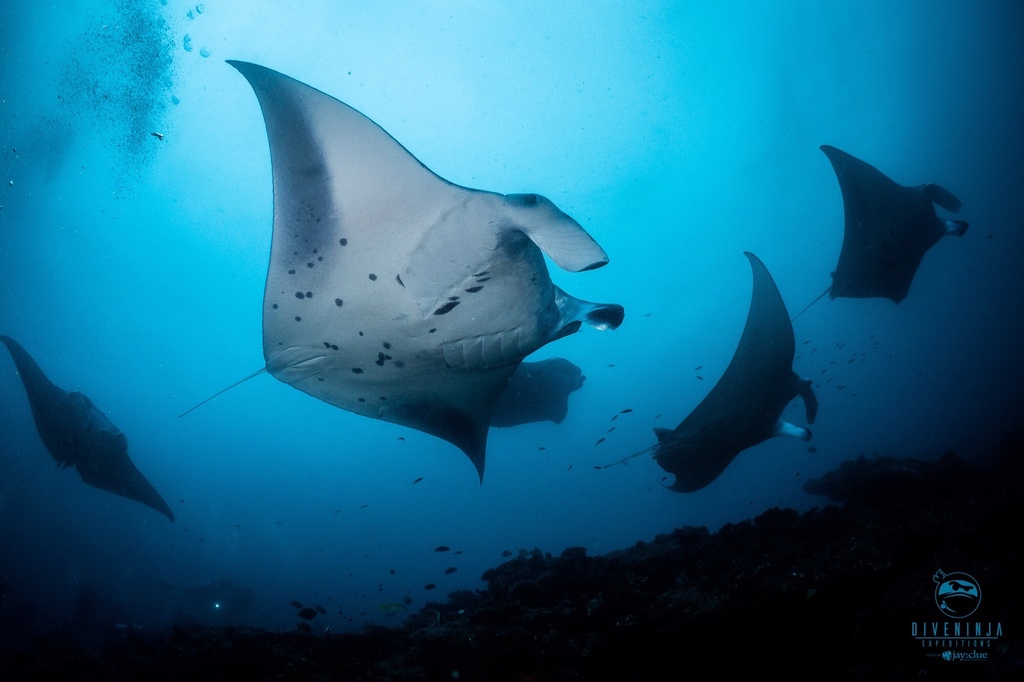
Reef manta ray
Seen 4 months ago
at Manta Point (Madivaru)
Vulnerable
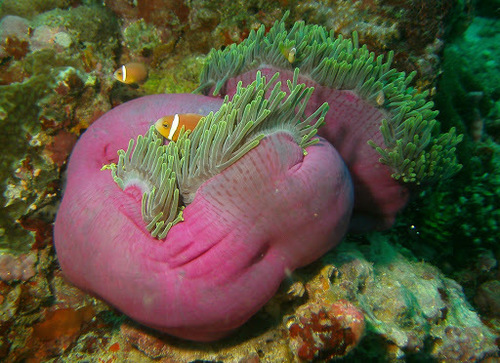
Blackfin Anemonefish
Seen 4 months ago
at Fish Head (Mushimasmingili Thila)
Least concern
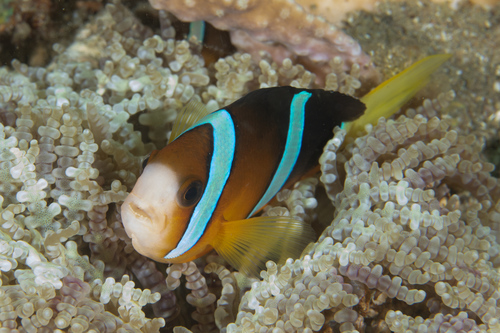
Clark'S Anemonefish
Seen 4 months ago
at Maaya Thila
Least concern
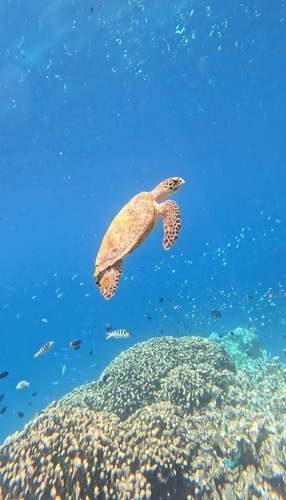
Hawksbill turtle
Seen 4 months ago
at Manta Point (Madivaru)
Critically endangered
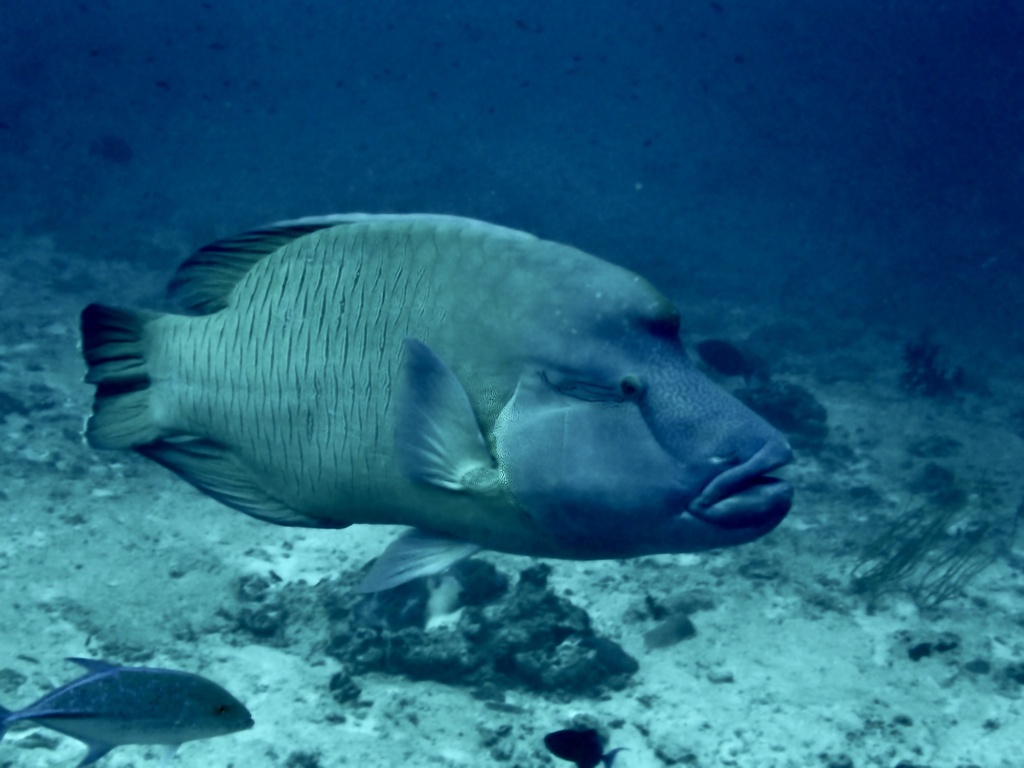
Napoleon wrasse
Seen 4 months ago
at Fish Head (Mushimasmingili Thila)
Endangered
White-tip reef shark
Seen 5 months ago
at Maaya Thila
Vulnerable
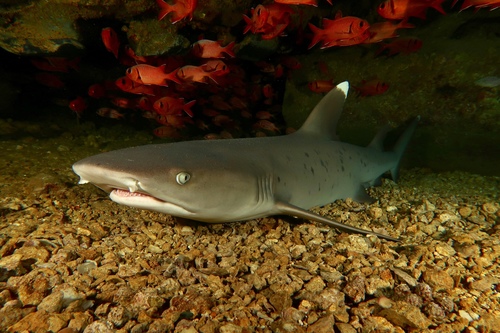
Whitetip Reef Shark
Seen 5 months ago
at Fish Head (Mushimasmingili Thila)
Vulnerable
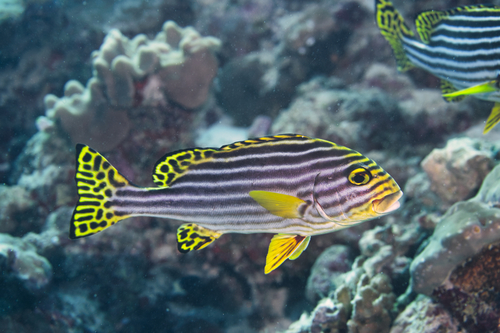
Oriental Sweetlips
Seen 5 months ago
at Manta Point (Madivaru)
Least concern
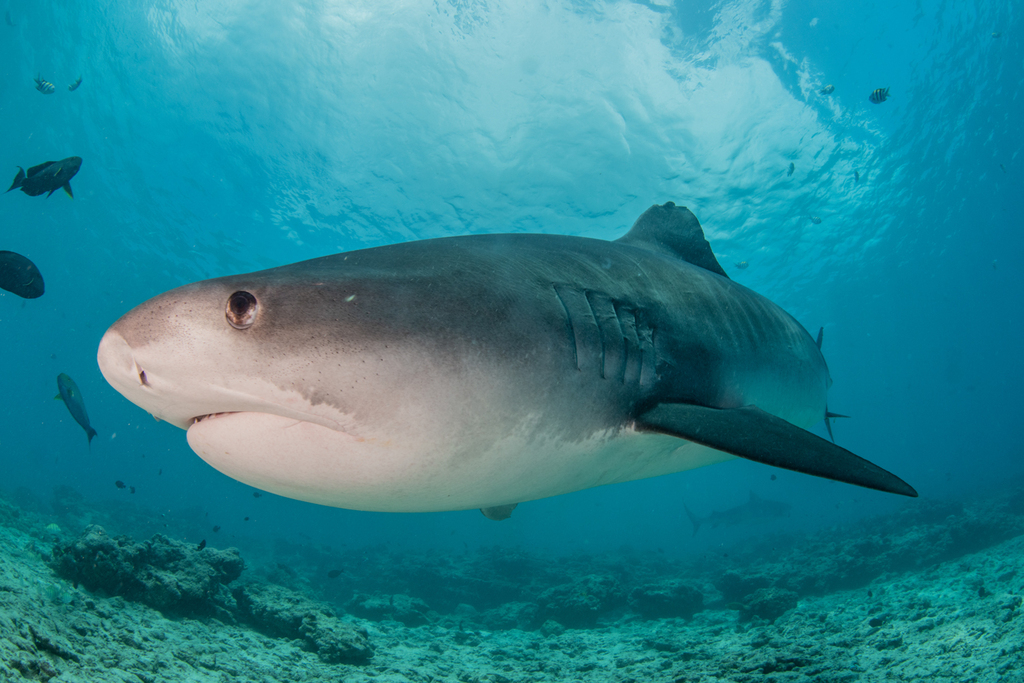
Tiger shark
Seen 5 months ago
at Tiger Harbour (Fuvahmulah)
Near threatened
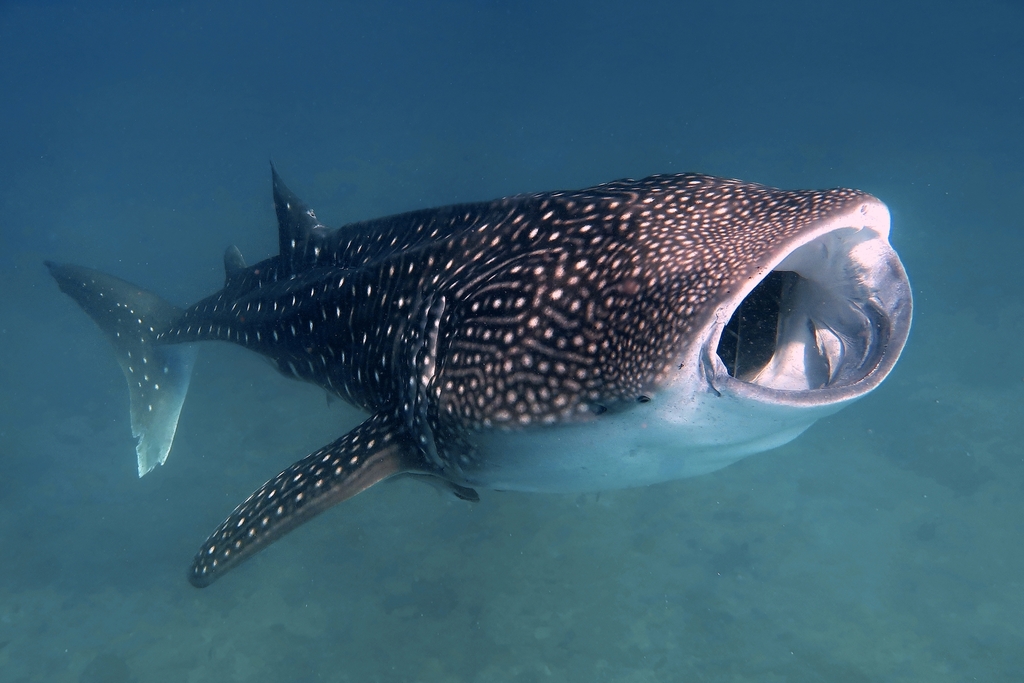
Whale shark
Seen 5 months ago
at Maamigili Beyru (Whale Shark Point)
Endangered
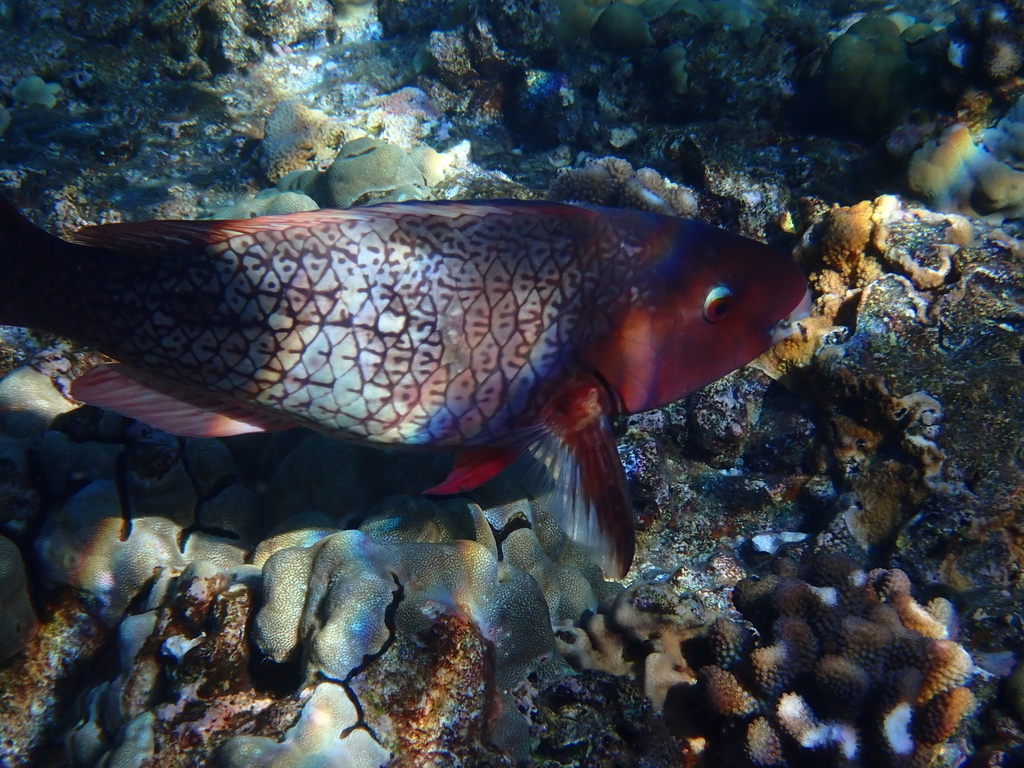
Redlip Parrotfish
Seen 6 months ago
at Fish Head (Mushimasmingili Thila)
Least concern
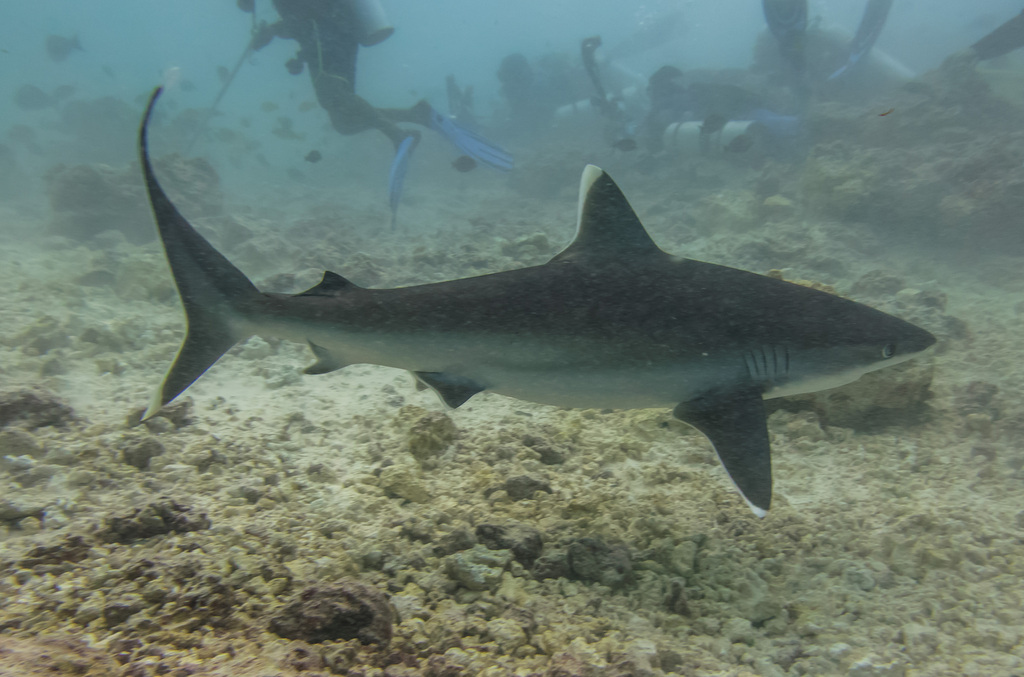
Silvertip shark
Seen 6 months ago
at Tiger Harbour (Fuvahmulah)
Vulnerable
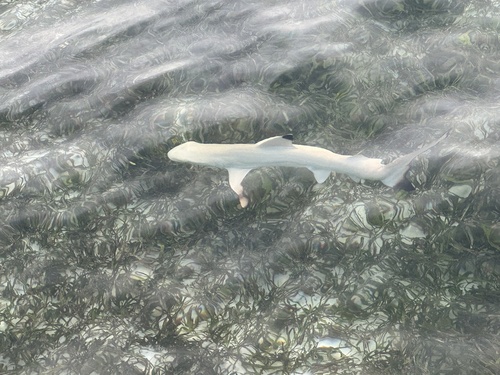
Blacktip reef shark
Seen 7 months ago
at Maamigili Beyru (Whale Shark Point)
Vulnerable
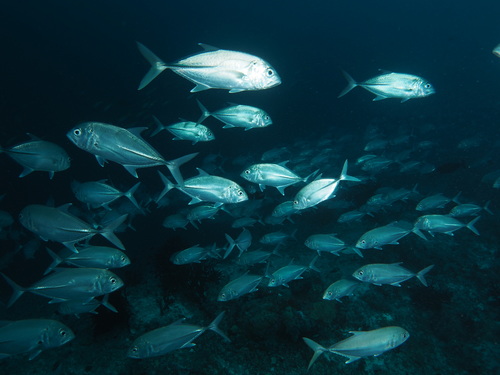
Bigeye trevally
Seen 7 months ago
at Kudarah Thila
Least concern
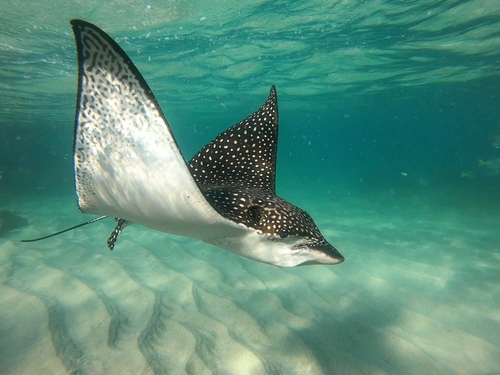
Stingray
Seen 9 months ago
at Maaya Thila
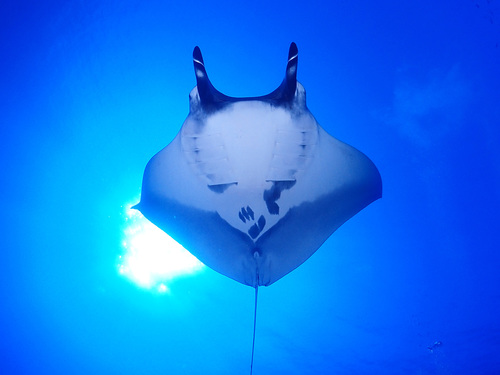
Oceanic manta ray
Seen May 2025
at Tiger Harbour (Fuvahmulah)
Endangered
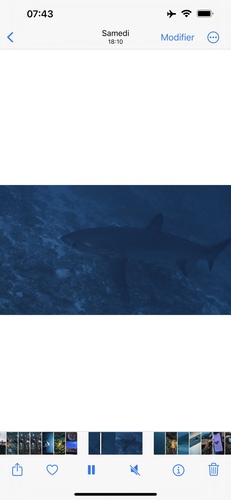
Pelagic thresher shark
Seen Apr 2024
at Tiger Harbour (Fuvahmulah)
Endangered
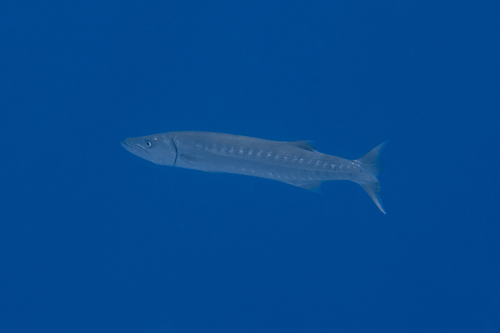
Great barracuda
Seen Mar 2024
at Kudarah Thila
Least concern

Dogtooth tuna
Seen year round
at Kudarah Thila
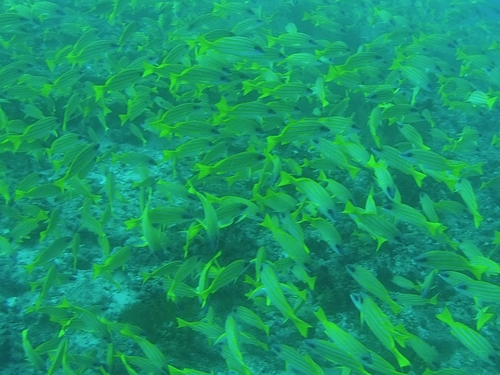
Five lined snapper
Seen year round
at Kudarah Thila
Least concern
Free-swimming moray
Seen year round
at Maaya Thila
Hunting octopus
Seen year round
at Maaya Thila
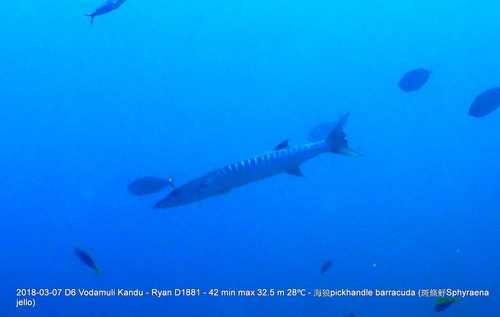
Schooling barracuda
Seen year round
at Fish Head (Mushimasmingili Thila)
Least concern
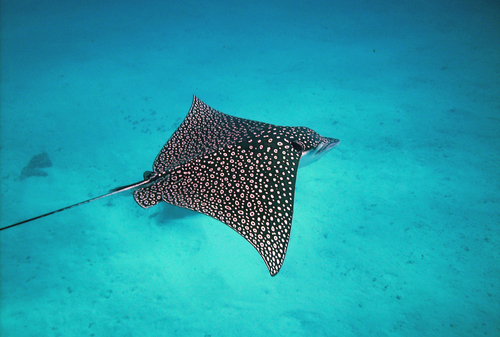
Eagle ray
Seasonal visitor
at Fish Head (Mushimasmingili Thila)
Endangered
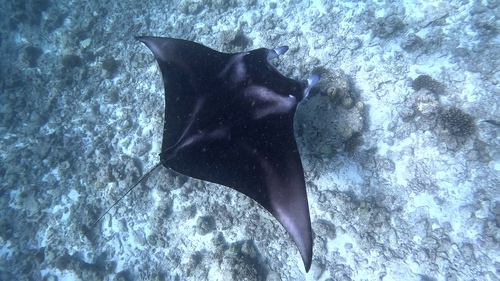
Mobula ray
Seasonal visitor
at Maamigili Beyru (Whale Shark Point)
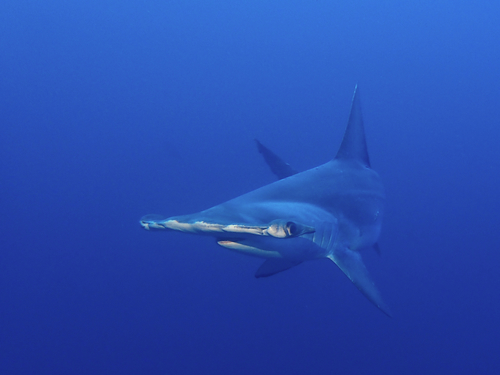
Scalloped hammerhead
Seasonal visitor
at Tiger Harbour (Fuvahmulah)
Critically endangered
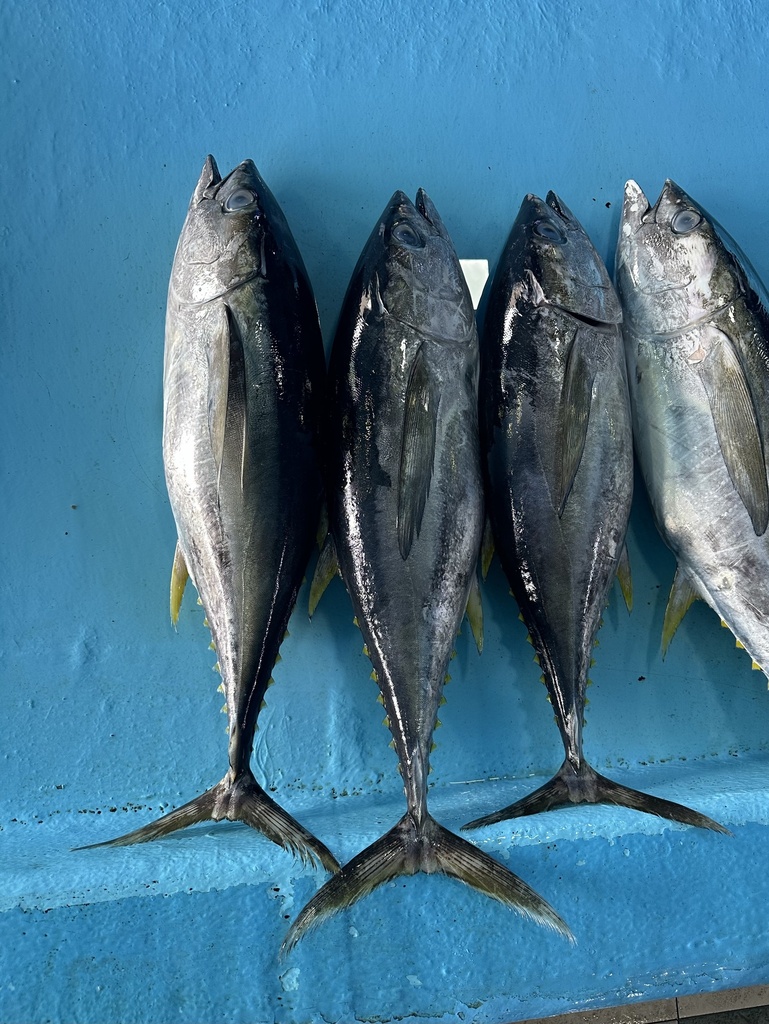
Yellowfin tuna
Seasonal visitor
at Maamigili Beyru (Whale Shark Point)
Least concern
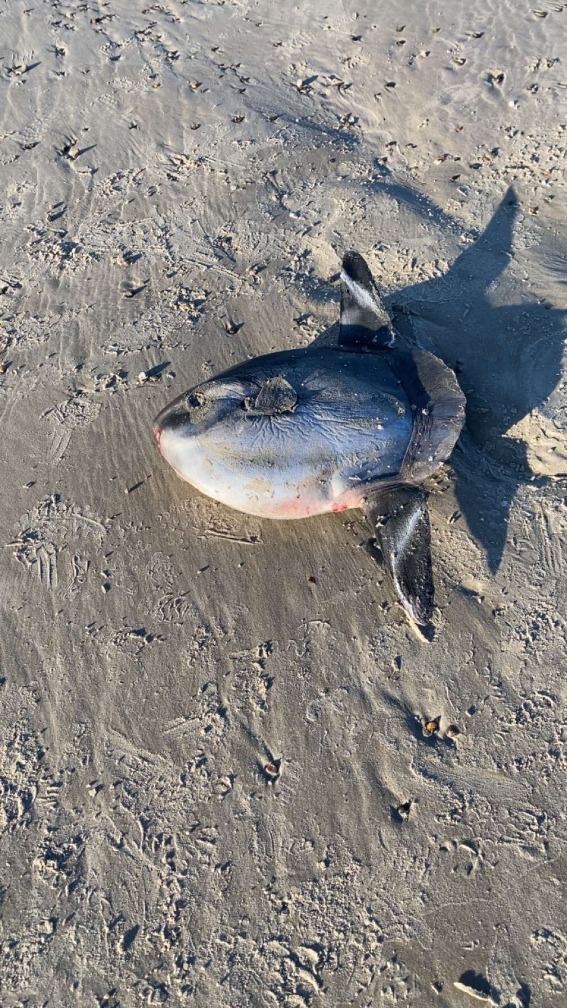
Oceanic sunfish (mola)
Rare sighting
at Tiger Harbour (Fuvahmulah)
Dive sites
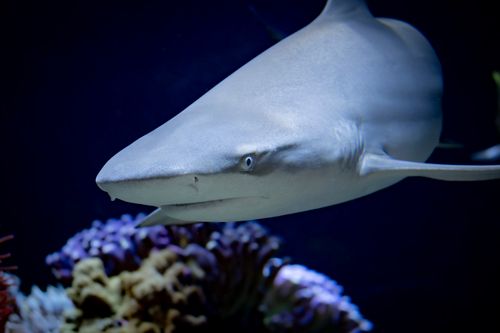
Fish Head (Mushimasmingili Thila)
grey reef shark · schooling barracuda · napoleon wrasse · eagle ray
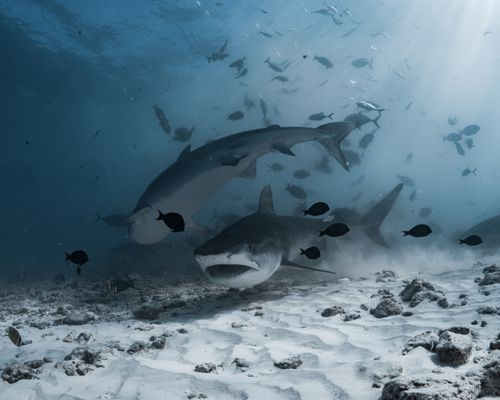
Maaya Thila
white-tip reef shark · hunting octopus · free-swimming moray · stingray
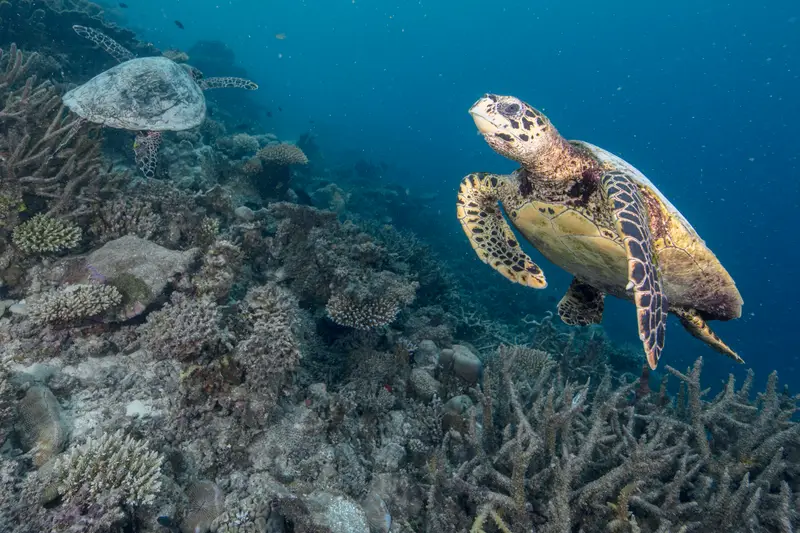
Manta Point (Madivaru)
reef manta ray · whale shark · grey reef shark · hawksbill turtle
Maamigili Beyru (Whale Shark Point)
whale shark · reef manta ray · mobula ray · eagle ray
Tiger Harbour (Fuvahmulah)
tiger shark · pelagic thresher shark · scalloped hammerhead · oceanic manta ray
Kudarah Thila
grey reef shark · napoleon wrasse · five lined snapper · dogtooth tuna
What divers say
I've snorkeled with whale sharks in three oceans and South Ari is still where I send first timers — the odds are just better.
Good to know
Alcohol rules
The Maldives is a Muslim country — alcohol is only available on resort islands and liveaboards. Local islands are dry.
Green tax
$6/day per guest, collected by your accommodation.