scubaseason
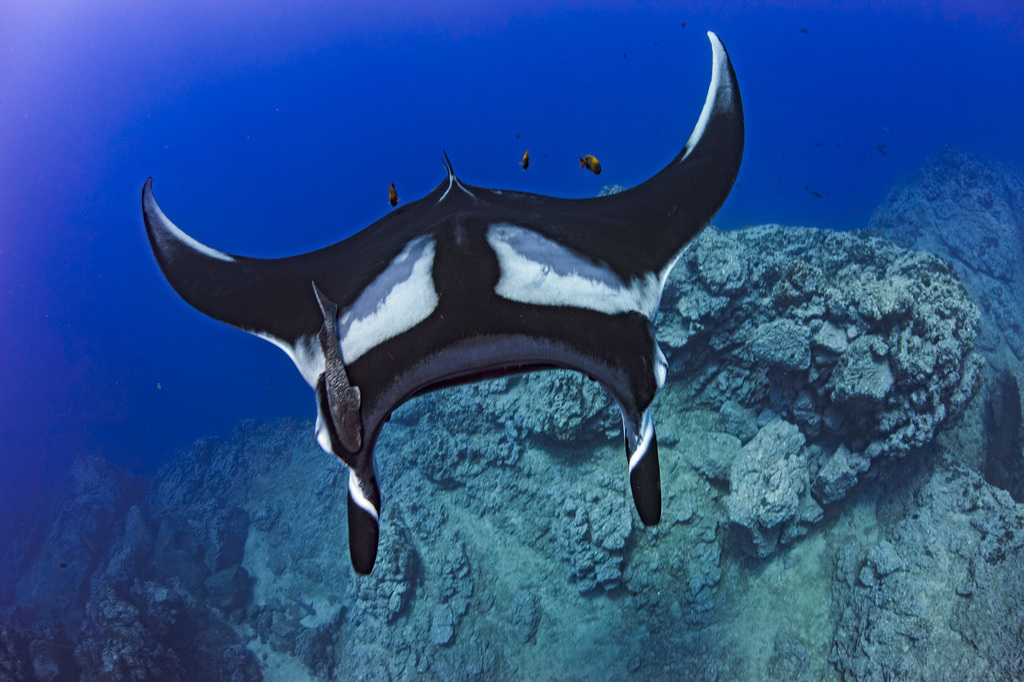
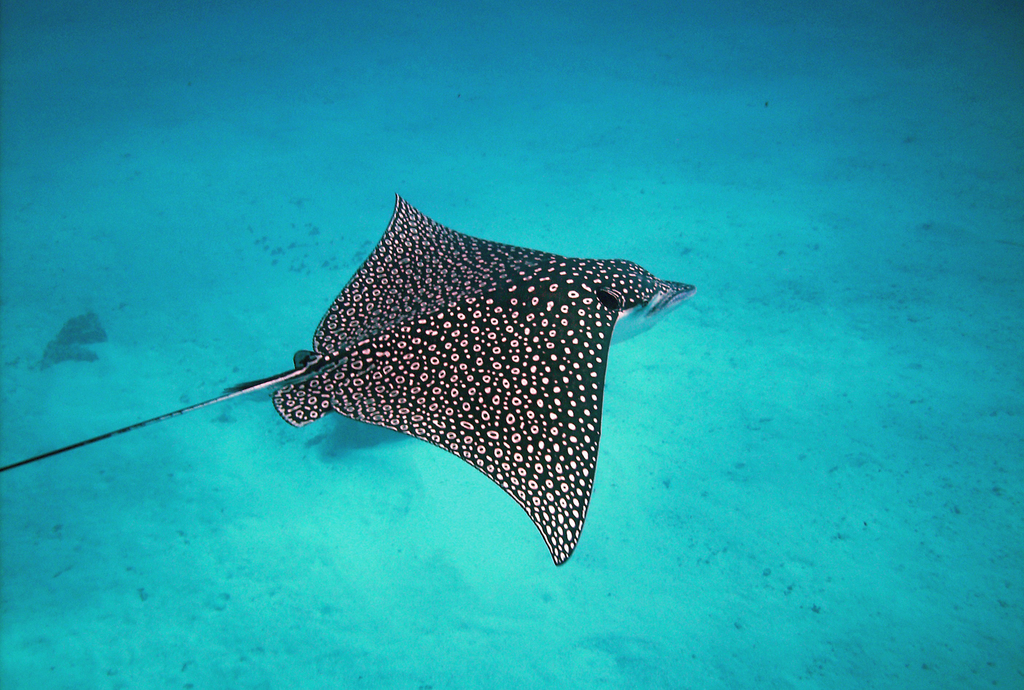
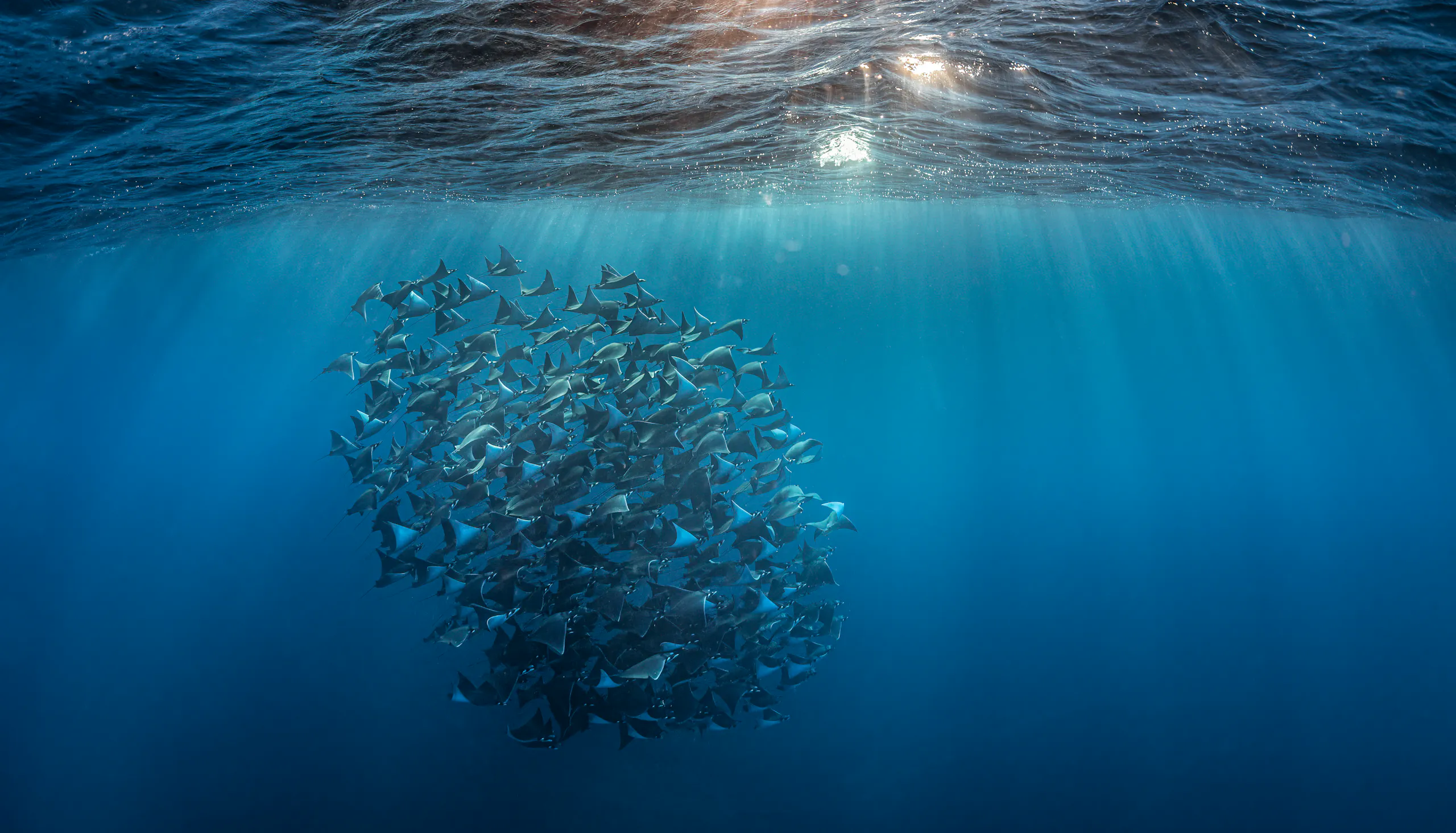
Manta ray gliding over a coral reef
Live data · 63 sources

Where to dive.
What you'll
actually see.

A live atlas of 500+ dive sites — reef health, confirmed species sightings, real conditions and everything you need to plan a dive that matters.

Explore locations →
500+Dive sitesAcross every major reef region
63Live sourcesSatellite · surveys · sightings
3Reef statesAssigned from data, not opinion
LiveUpdated dailyReef states recalculated nightly

It is really informative. I was surprised to see Komodo and Raja Ampat are both thriving. It made me want to save those trips later and prioritize places that are witnessing change now.

Diver, Hong Kong

§ 01 · Reef states

Know what every reef
looks like before you dive.
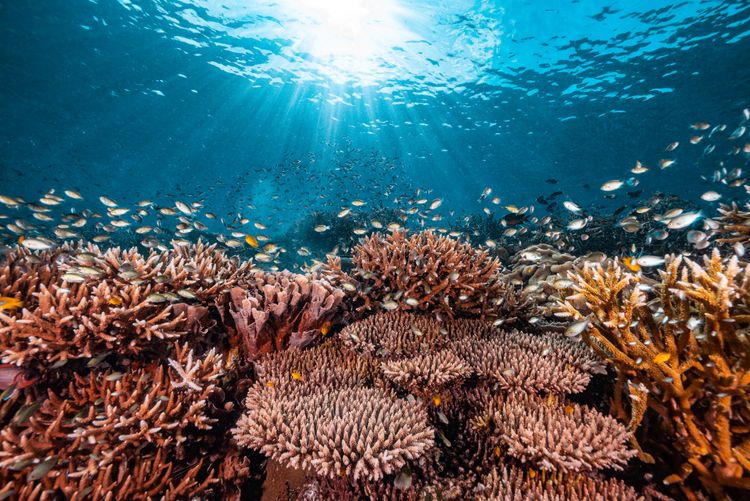
Every site earns one of three honest states from coral cover measurements, satellite thermal stress and fishing pressure data. The state tells you what you will find in the water. For reefs witnessing change, we model trajectory — how fast cover is declining and when it may stabilise. For thriving reefs, we track the rate of gain. Every reef is worth diving.

Browse all locations →
ThrivingHigh, stable or rising coral cover. Low thermal stress. Close to its natural baseline.
Under pressureStill rewarding to dive, but coral cover is moderate or slipping under fishing and warming.
Witnessing changeVisibly transforming after bleaching or heavy loss. Diving here documents what remains.
SatelliteNOAA Coral Reef Watch24-month thermal stress trace per site
In-waterCoral cover surveysTimestamped, geo-fixed field records
BiologicalSpecies sightingsVerified diver logs, proximity-matched
PressureFishing effort indexGlobal Fishing Watch vessel data
ConservationIUCN Red ListStatus for every tracked species
ConditionsWater quality dataVisibility, temp, current by month
§ 02 · Data sources

63 sources.
One honest signal.

The atlas reads satellite thermal stress, dated in-water surveys, species sighting databases, fishing pressure indices and coral cover assessments, synthesised into a single state. No editorial. No tourism bias. Just what the data says.

Read the methodology →
Surprising finding
62% coral cover in Tela, Honduras — 3x the Caribbean average.
Most Caribbean reefs sit below 20% cover. Tela has held above 60% for over a decade.
See Tela, Honduras →
Colorful coral reef at Tela, Honduras
§ 03 · Confirmed sightings

See the probability,
not the hope.

Every site shows which species have been confirmed by real diver logs in the last 24 months. IUCN conservation status, how recently each was seen, and how rare a confirmed sighting is across the entire atlas.

See Looe Key →
Looe Key, Florida Keys
24-month sighting window · 4 confirmed species
Under pressure
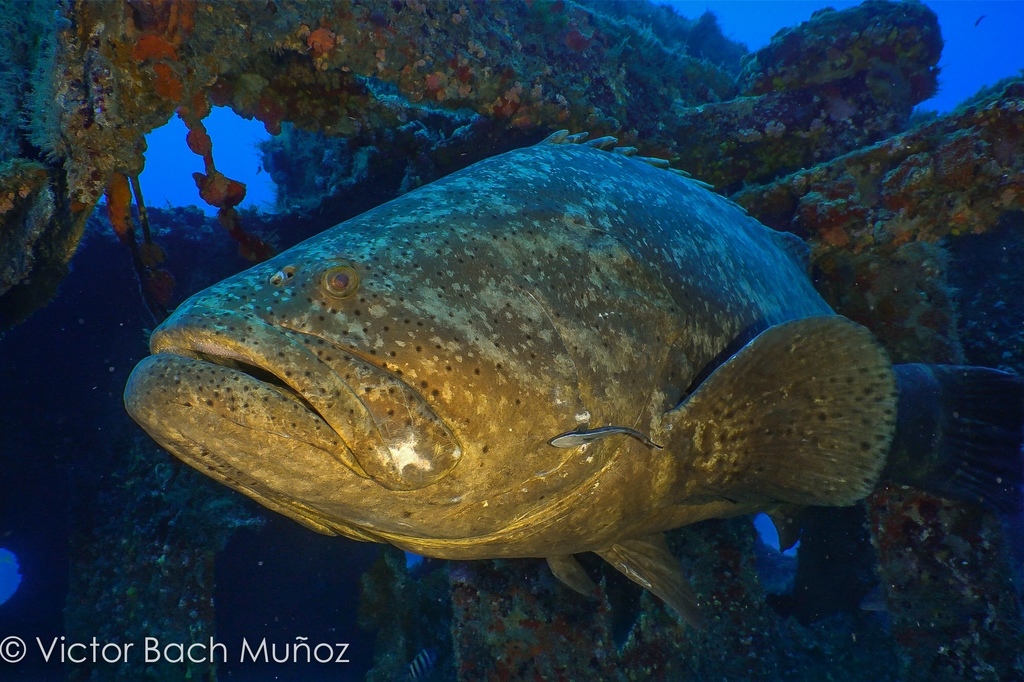
Goliath grouper
Goliath grouperVulnerable
Last confirmed 11 days ago · 130 records
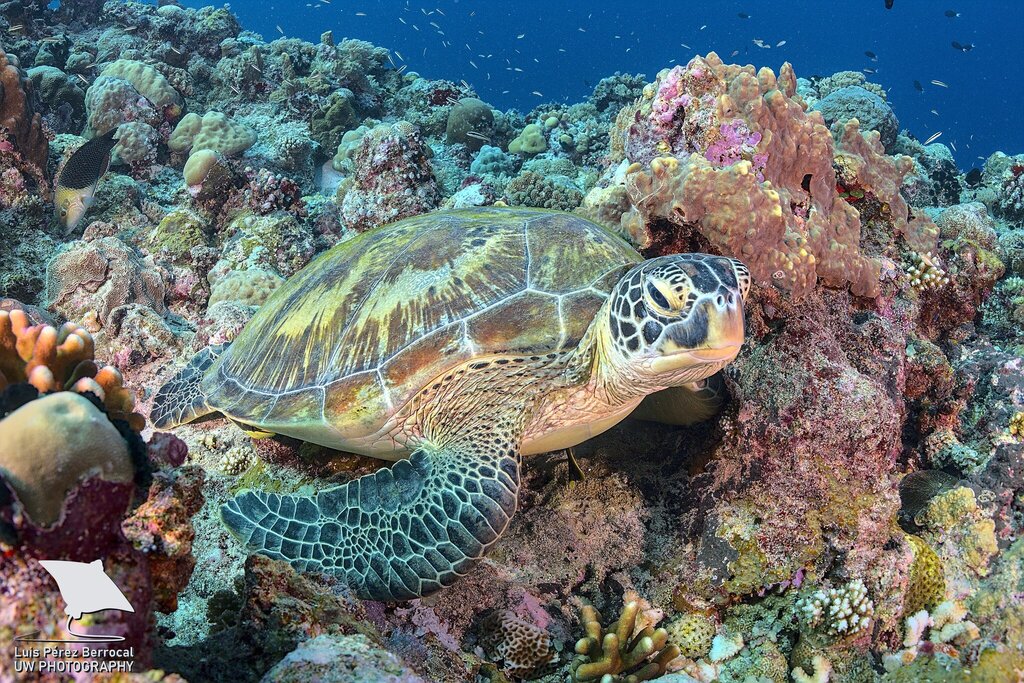
Hawksbill turtle
Hawksbill turtleCritically endangered
Last confirmed 6 days ago · 88 records
Elkhorn coral
Elkhorn coralCritically endangered
Last confirmed 3 months ago · 24 records
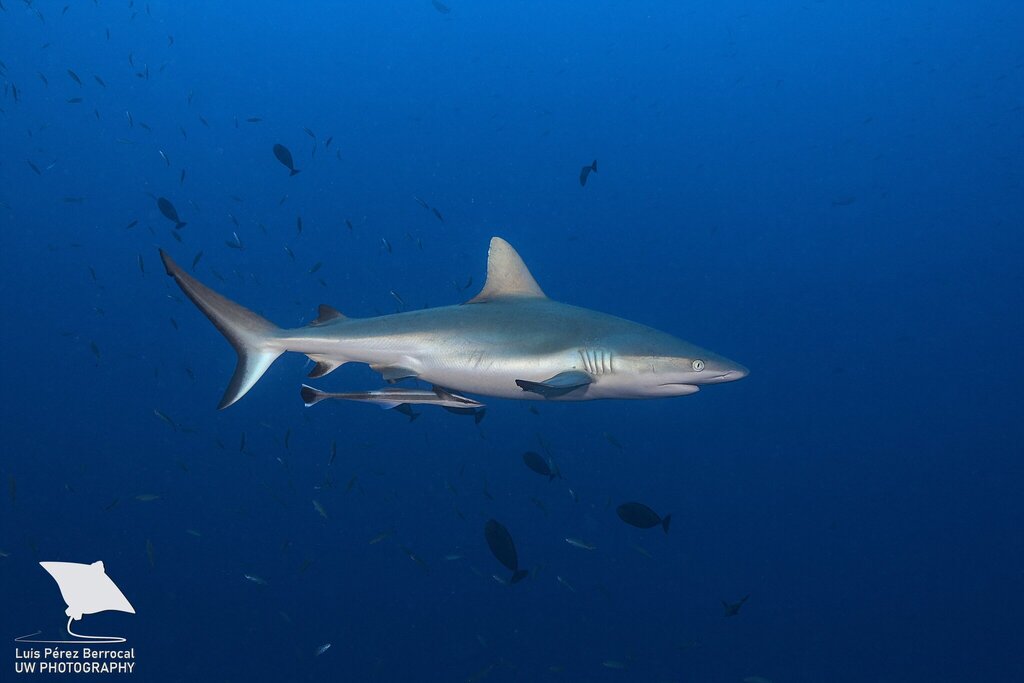
Caribbean reef shark
Caribbean reef sharkNear threatened
Last confirmed 2 days ago · 175 records
Komodo National Park
Indonesia · Coral Triangle
Thriving
Best seasonApr–Novpeak: May–Sep
Water temp26–29°Ccool upwellings
Skill levelAdvancedstrong currents
Season calendar — June highlighted
Jan
Feb
Mar
Apr
May
Jun
Jul
Aug
Sep
Oct
Nov
Dec
AccessLiveaboard
Nearest hubLabuan Bajo
Operators3 listed →
§ 04 · Plan your trip

From reef state
to departure gate.

Every site carries conditions, season calendars, skill requirements, access routes and recommended operators. The planning is as considered as the diving itself.

Browse locations →
§ 05 · The bigger picture

Every dive can be a data point.

The 4th global bleaching event (2023 to 2025) hit 84% of the world's reefs. A new El Niño is building. Every photo, colour score or survey transect you submit feeds the databases that shape reef policy worldwide.

How to submit your observations →
iNaturalistPhotograph anything you see

One clear photo, uploaded after the dive. The community confirms the ID to research grade. Your record feeds GBIF, OBIS and the IUCN Red List.

CoralWatchMatch coral colour to a chart

Hold the Coral Health Chart next to a coral and note the score. Takes a few minutes. Repeated scores at the same reef are how early bleaching gets caught.

Reef CheckRun a standard survey transect

Count set lists of fish and invertebrates along a measured transect. Free diver training available. The same method worldwide since 1997.

Start with a reef.
End with a plan.

Browse 500+ dive sites by state, skill, season and species. Every site has live conditions, confirmed sightings and everything you need before you book.

Explore locations →