Beqa Lagoon
Fiji · South Pacific
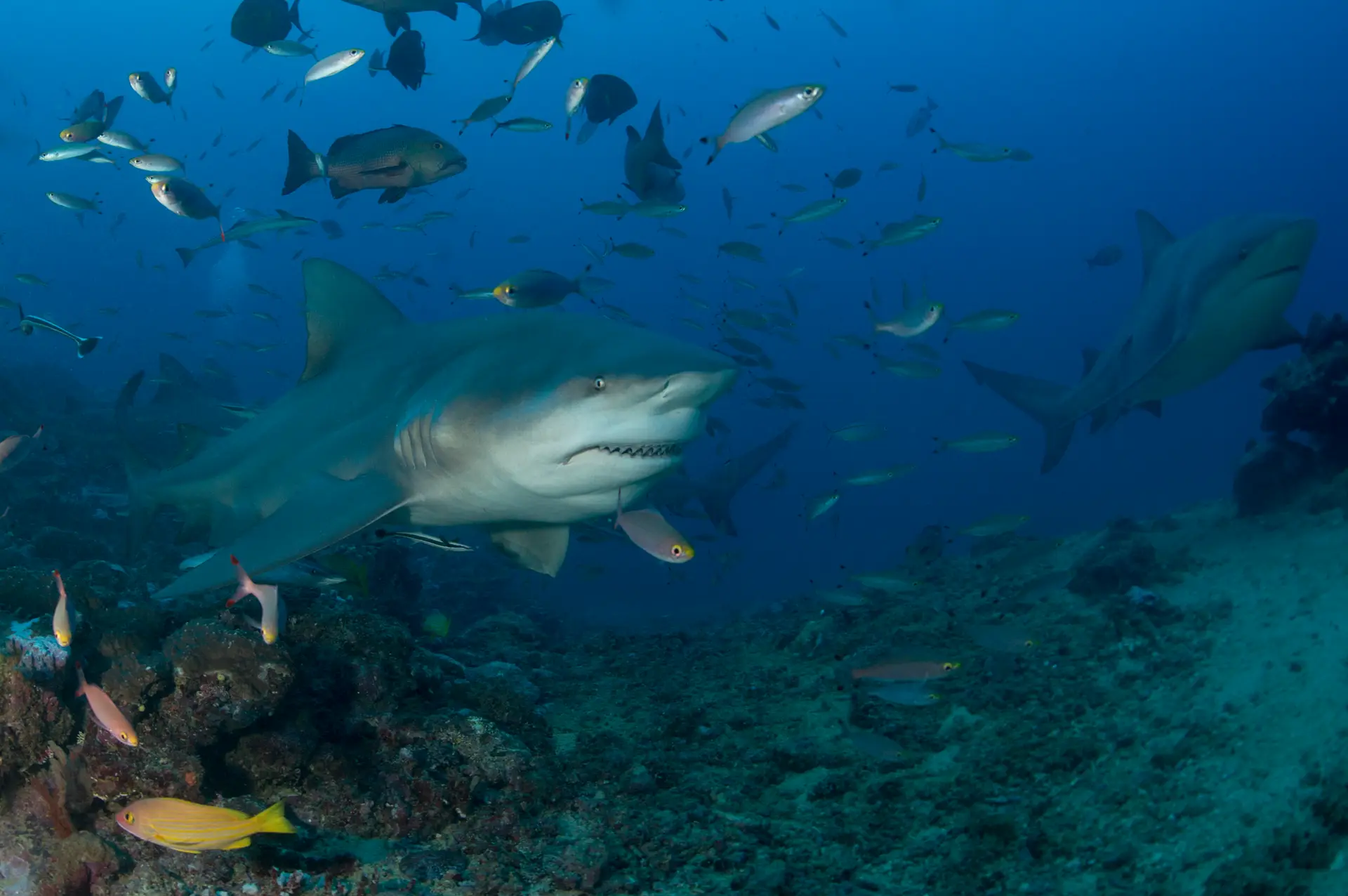
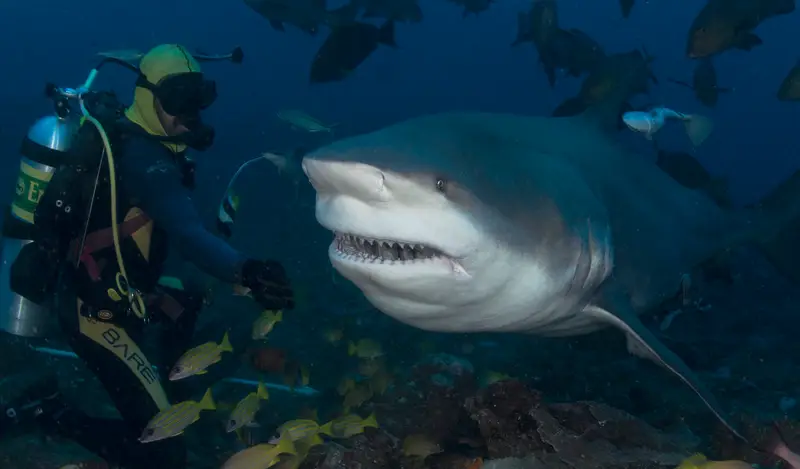
Beqa Lagoon off Fiji's main island is the country's most famous shark dive — bull sharks, tiger sharks (in season), and a half dozen other species at a managed baited site. Pacific Harbour is the staging town.
How this reef is doing
ⓘ How we measure thisReef state
Bull shark feed dive is the headline. Lagoon reefs have thinned modestly.
Coral cover
Fish life
Heat
No unusual heat right now.
Fishing
Protected on paper, but boats are still busy nearby.
Sources · MERMAID and the survey teams · NOAA Coral Reef Watch · Global Fishing Watch and reef gravity
Coral cover over time
Live coral cover, by survey year
Across 11 survey years from 2002 to 2026, live coral cover here has risen from 29% to 42%. Every point is a real survey reading, never a projection.
Live coral cover, percent by year
| Year | Coral cover |
|---|---|
| 2002 | 29% |
| 2004 | 48% |
| 2007 | 54% |
| 2008 | 25% |
| 2013 | 29% |
| 2015 | 40% |
| 2022 | 49% |
| 2023 | 61% |
| 2024 | 44% |
| 2025 | 61% |
| 2026 | 42% |
What you will see
11 species across the dive sites here
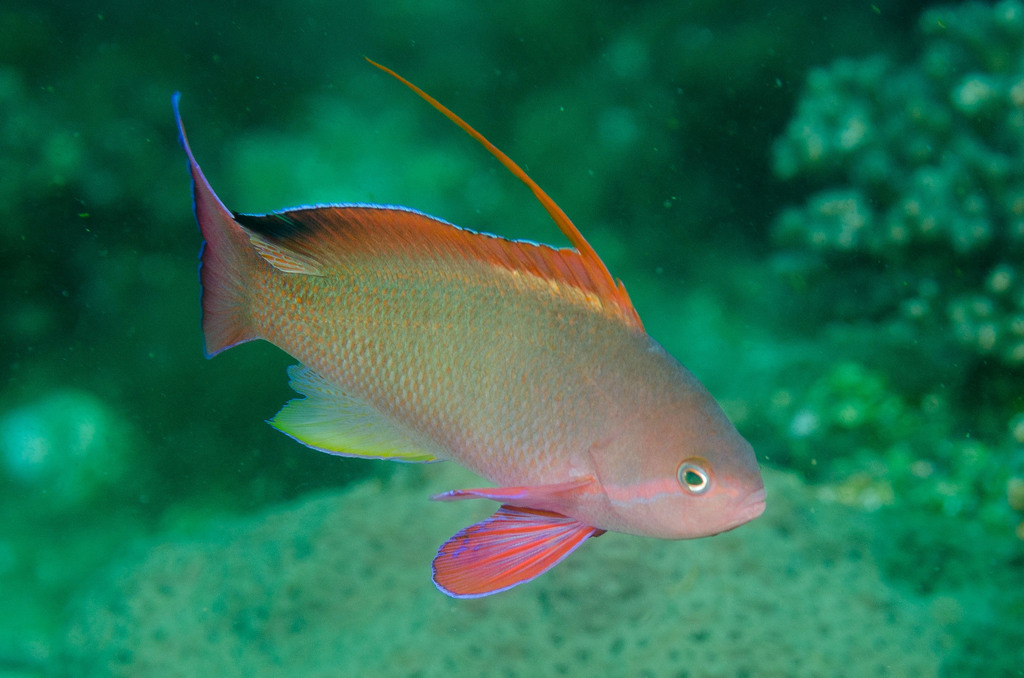
Pacific Lyretail Anthias
Seen 3 months ago
at Cathedral
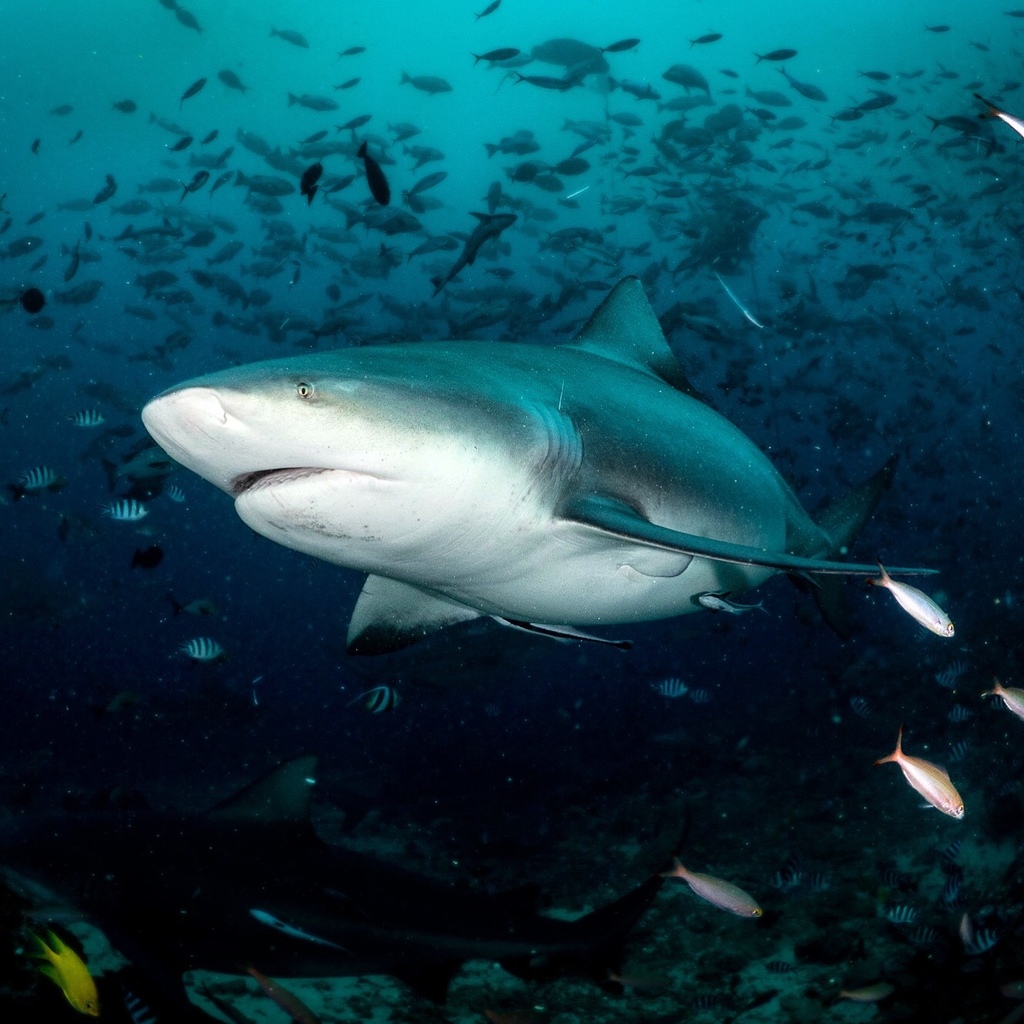
Bull shark
Seen 4 months ago
at Shark Reef Marine Reserve
Vulnerable
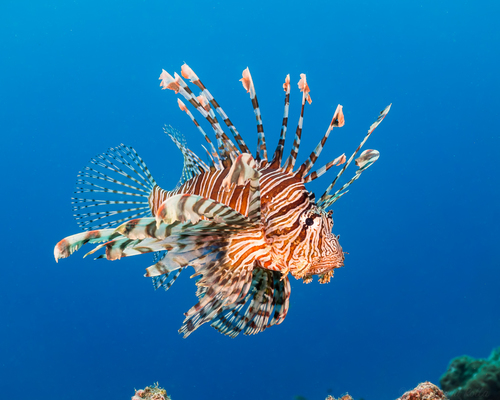
Lionfish
Seen 4 months ago
at Cathedral
Least concern
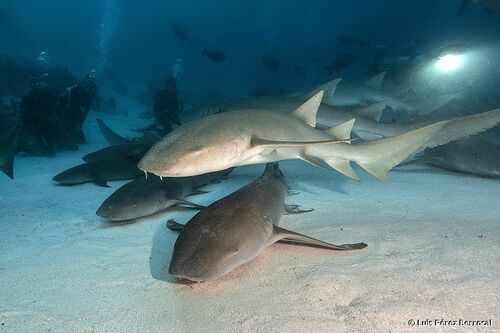
Tawny nurse shark
Seen 4 months ago
at Shark Reef Marine Reserve
Vulnerable

Schooling fusilier
Seen 4 months ago
at Cathedral
Least concern
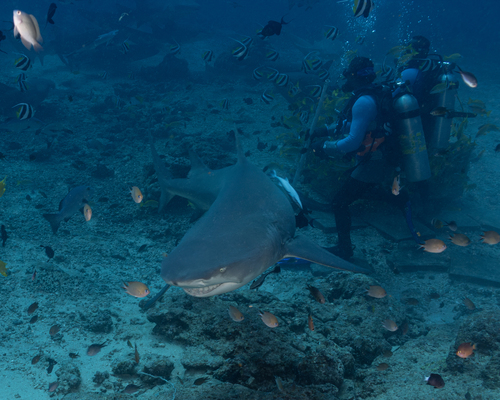
Sicklefin lemon shark
Seen Oct 2025
at Shark Reef Marine Reserve
Endangered
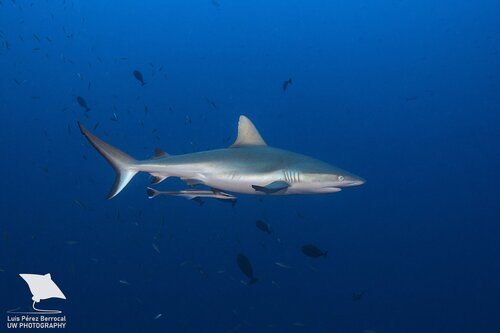
Grey reef shark
Seen Sep 2025
at Shark Reef Marine Reserve
Endangered
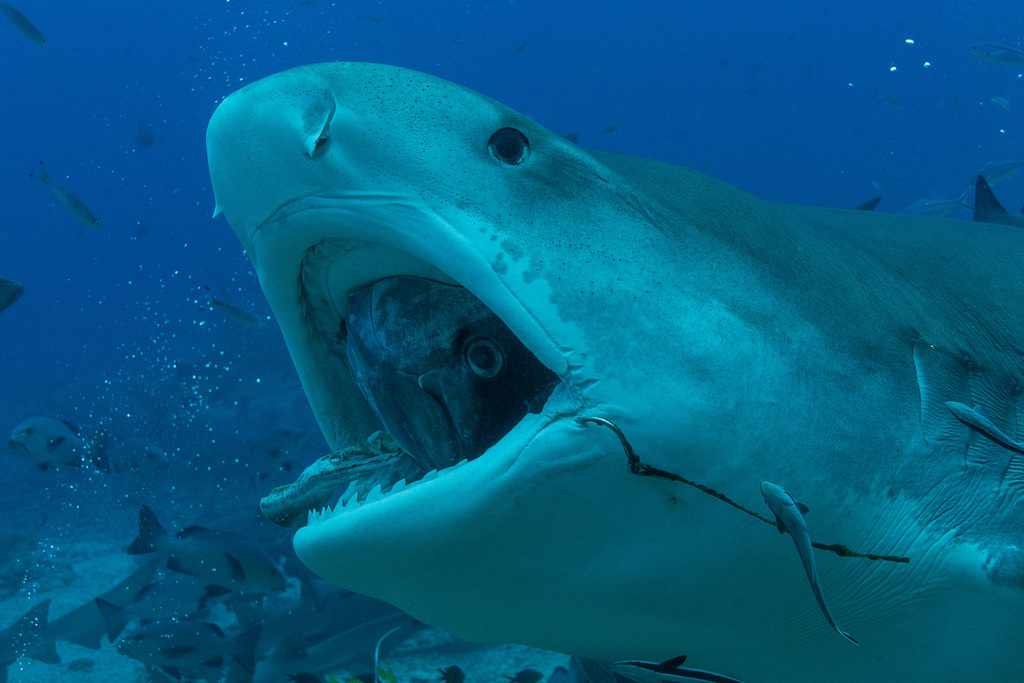
Tiger shark
Seen Sep 2025
at Shark Reef Marine Reserve
Near threatened
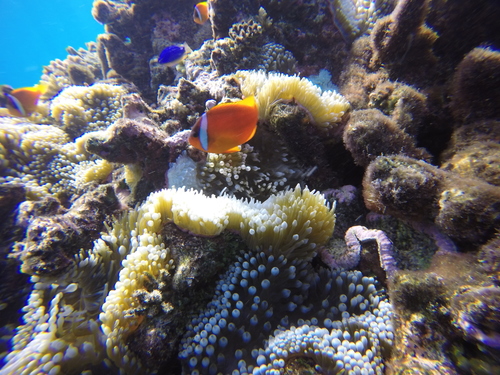
Fiji Tomato Anemonefish
Seen Sep 2025
at Cathedral
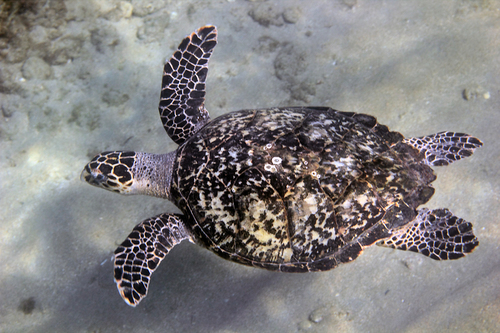
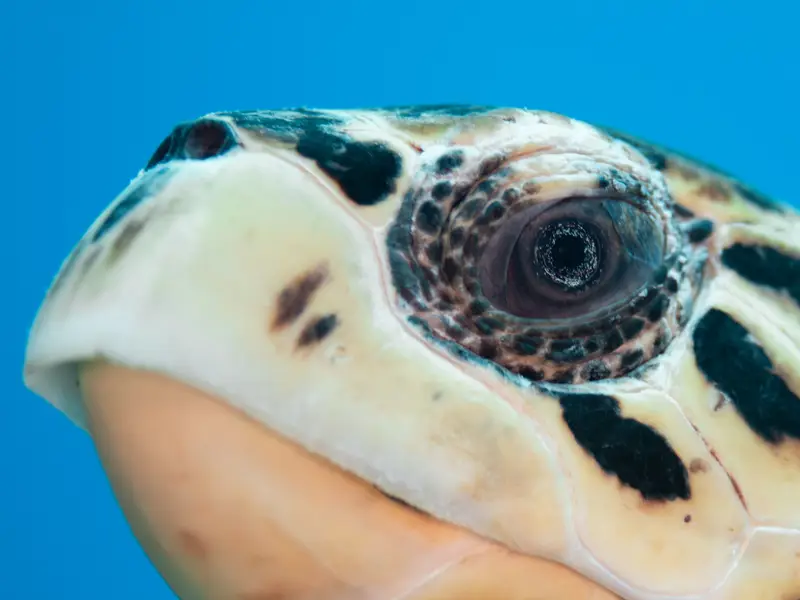
Hawksbill turtle
Seen Aug 2025
at Cathedral
Critically endangered
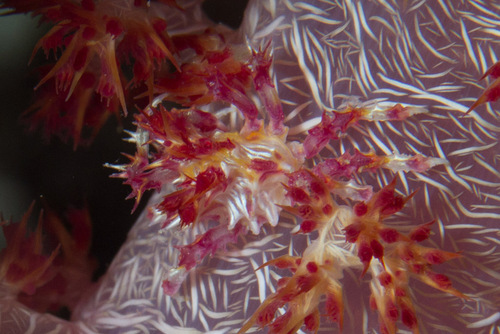
Soft coral crab
Seen year round
at Cathedral
Dive sites
What divers say
Eight bull sharks in formation at 20m — Beqa has the count and the chumming protocol nailed.
Good to know
Conservation fee
Levy supports local village conservation.