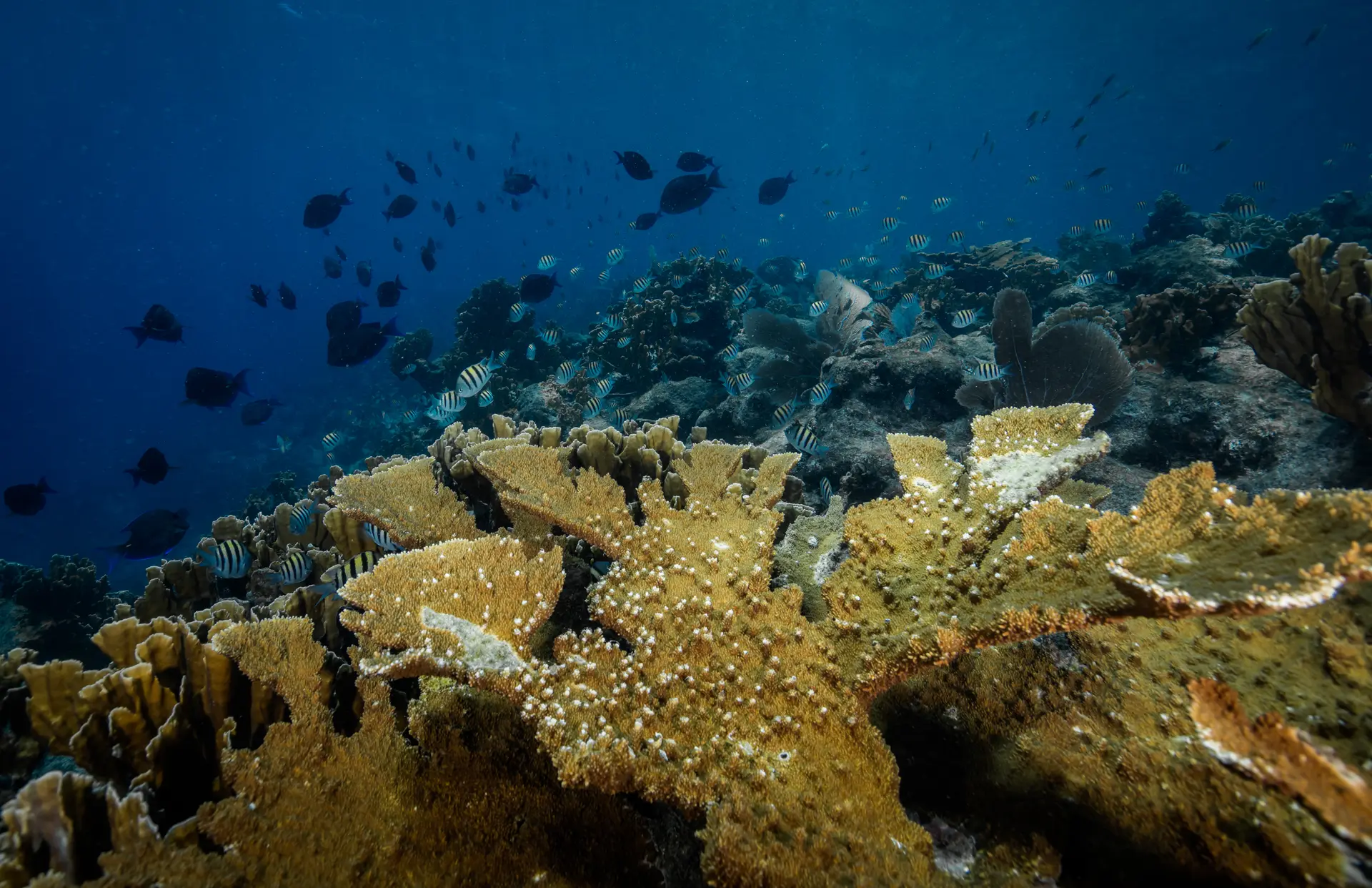
Bloody Bay Wall
Cayman Islands · Caribbean
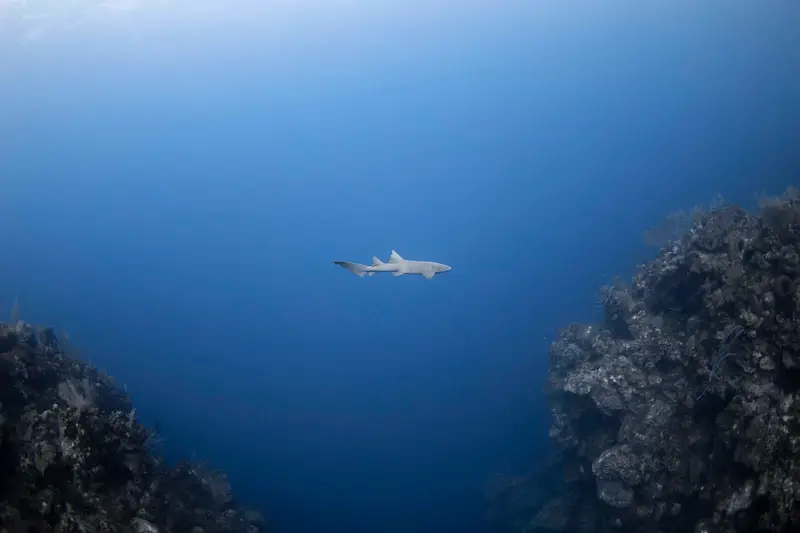
Bloody Bay Wall off Little Cayman starts in 5m of water and plunges past 1,800m — one of the Caribbean's most dramatic walls, with healthy sponge and coral cover, queen angelfish, and reliable reef shark sightings.
How this reef is doing
ⓘ How we measure thisReef state
Iconic 1000-m wall. Wall structure is intact; cover has thinned on the shallow reef crest.
Coral cover
Fish life
About what a healthy reef of its kind holds.
Heat
Warmer than usual right now, but not hot enough to bleach.
Fishing
Quiet water, and the protection is actively patrolled.
Sources · AGRRA and GCRMN reef surveys · Reef Life Survey · NOAA Coral Reef Watch · Global Fishing Watch and reef gravity
Coral cover over time
Live coral cover, by survey year
Across surveys in 2014 and 2024, live coral cover here has fallen from 33% to 22%. Every point is a real survey reading, never a projection.
Live coral cover, percent by year
| Year | Coral cover |
|---|---|
| 2014 | 33% |
| 2024 | 22% |
What you will see
14 species across the dive sites here
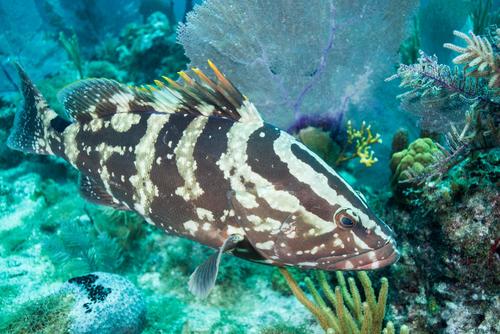
Nassau grouper
Seen 3 months ago
at Bloody Bay Wall
Critically endangered
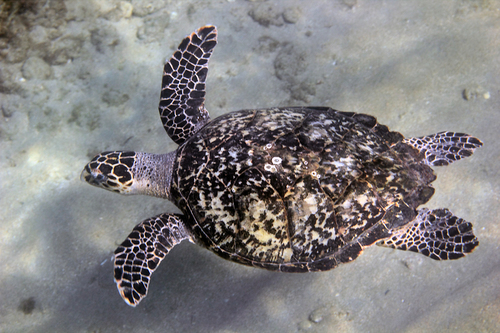
Hawksbill turtle
Seen 4 months ago
at Bloody Bay Wall
Critically endangered
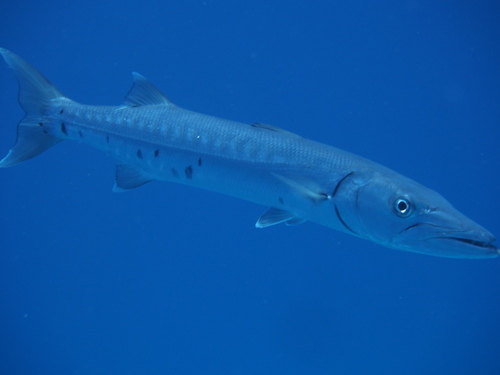
Great barracuda
Seen 4 months ago
at MV Captain Keith Tibbetts
Least concern
Hawksbill Sea Turtle
Seen 6 months ago
at Jackson's Bight
Critically endangered
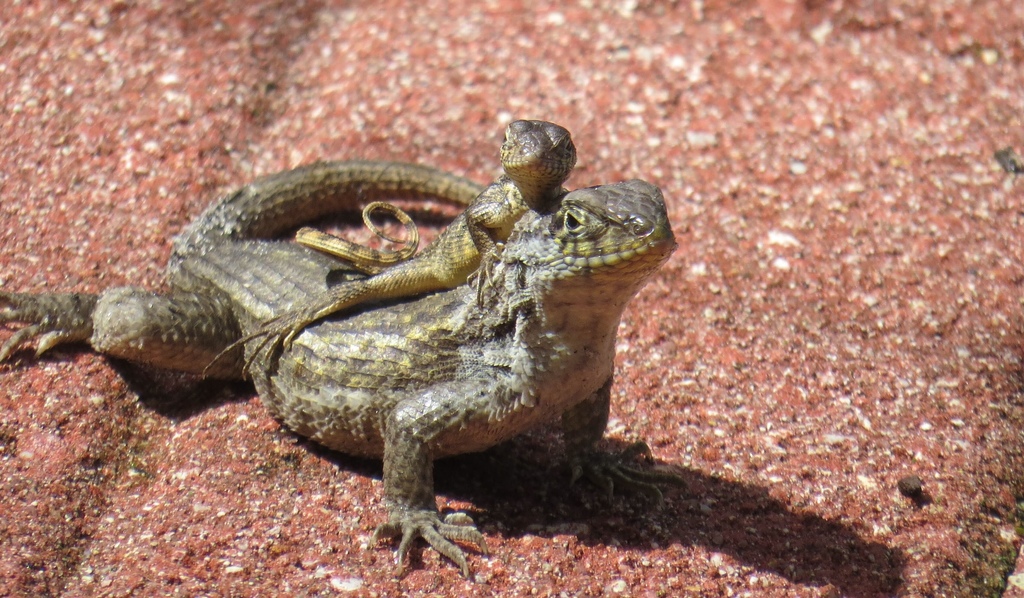
Northern Curly-Tailed Lizard
Seen 6 months ago
at Bloody Bay Wall
Least concern
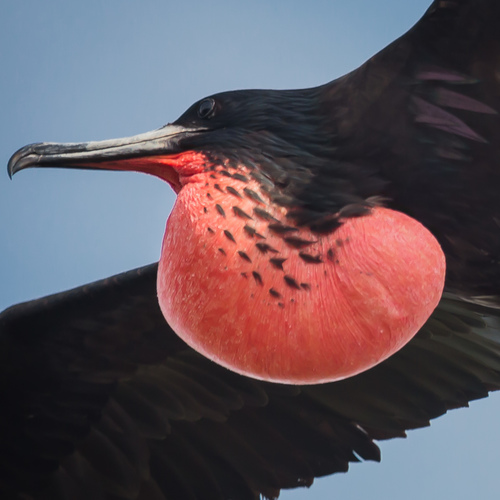
Magnificent Frigatebird
Seen 7 months ago
at Bloody Bay Wall
Least concern
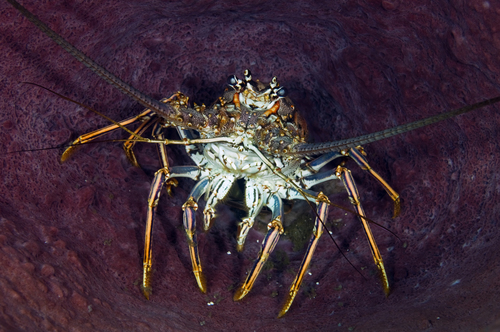
Caribbean Spiny Lobster
Seen 8 months ago
at Bloody Bay Wall
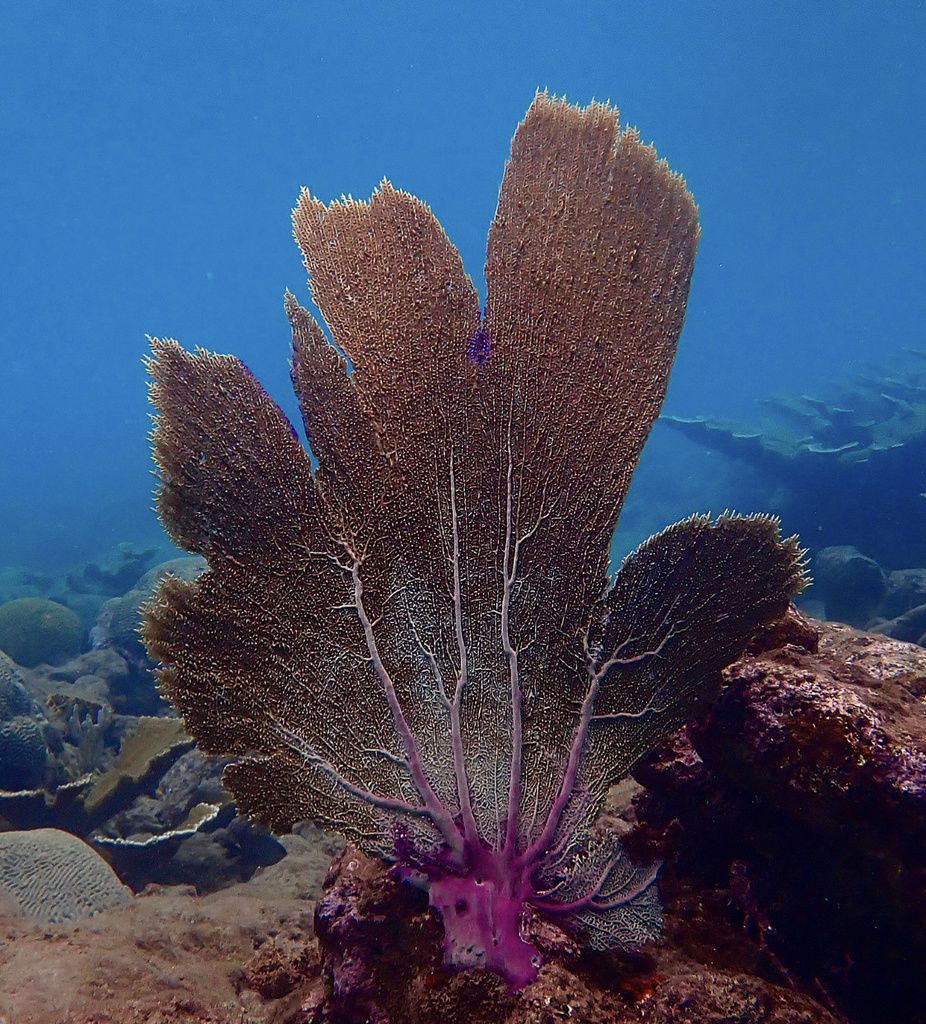
Purple Sea Fan
Seen 8 months ago
at Bloody Bay Wall
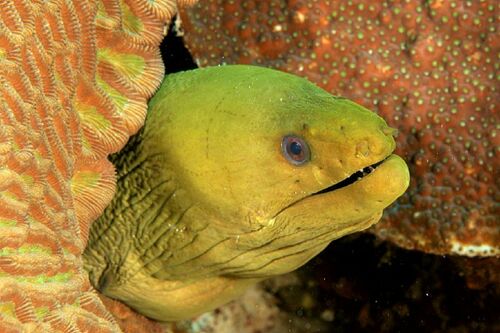
Green moray eel
Seen 10 months ago
at Jackson's Bight
Least concern
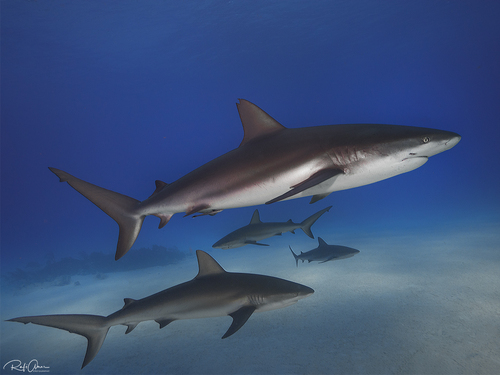
Caribbean reef shark
Seen 10 months ago
at Bloody Bay Wall
Endangered
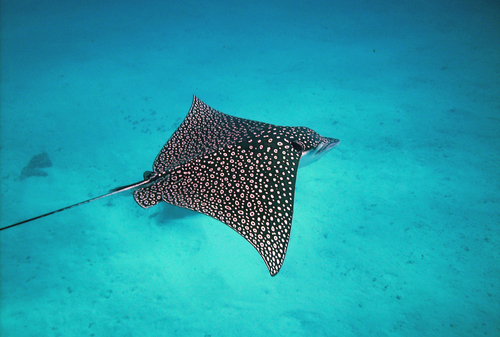
Spotted eagle ray
Seen 11 months ago
at Bloody Bay Wall
Endangered
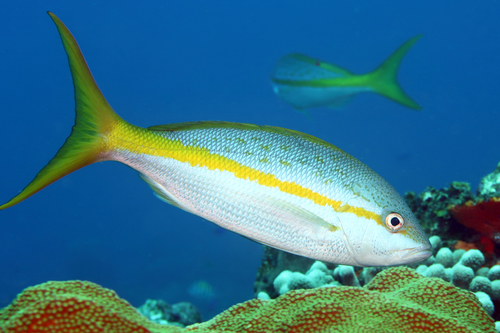
Yellowtail snapper
Seen May 2025
at MV Captain Keith Tibbetts
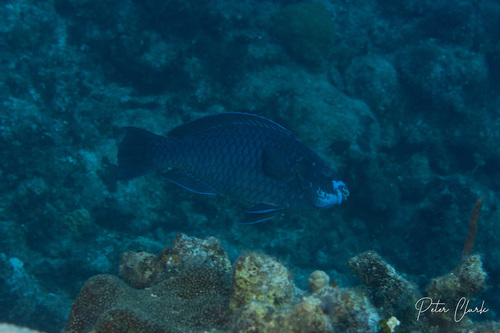
Midnight parrotfish
Seen year round
at Jackson's Bight
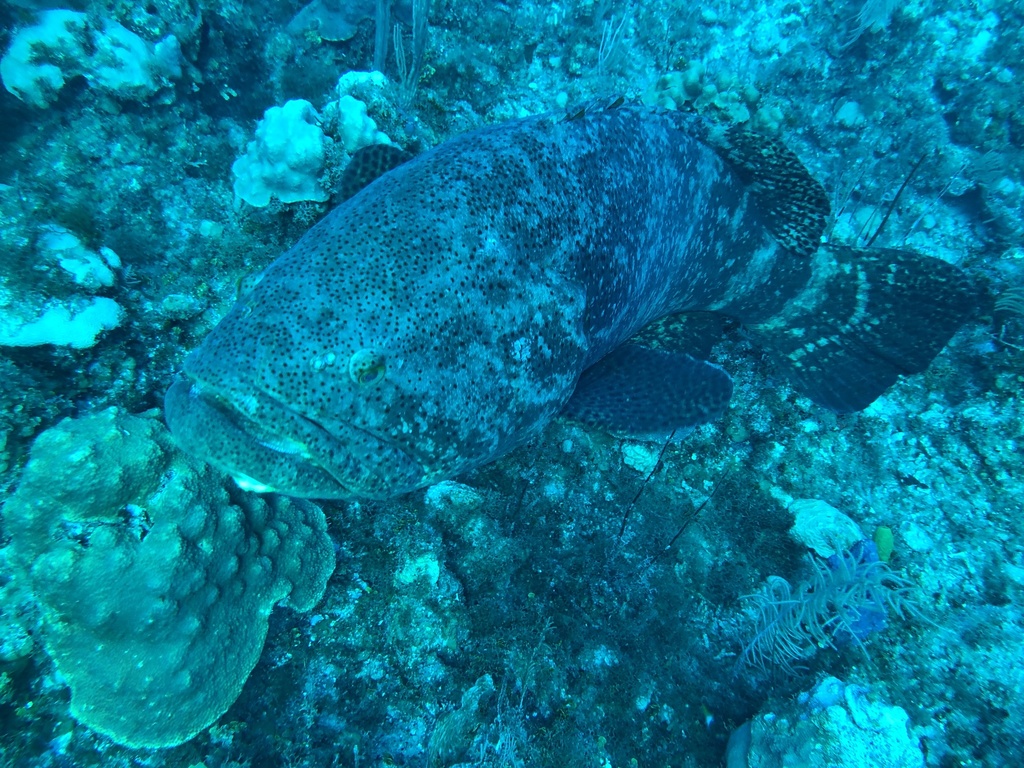
Goliath grouper
Rare sighting
at MV Captain Keith Tibbetts
Vulnerable
Dive sites
What divers say
Drop in at 5m, look down, and try not to panic at the vertigo. Bloody Bay does that to first timers.
Good to know
Park fee
Marine park fee included by most ops.