Great Blue Hole
Belize · Caribbean
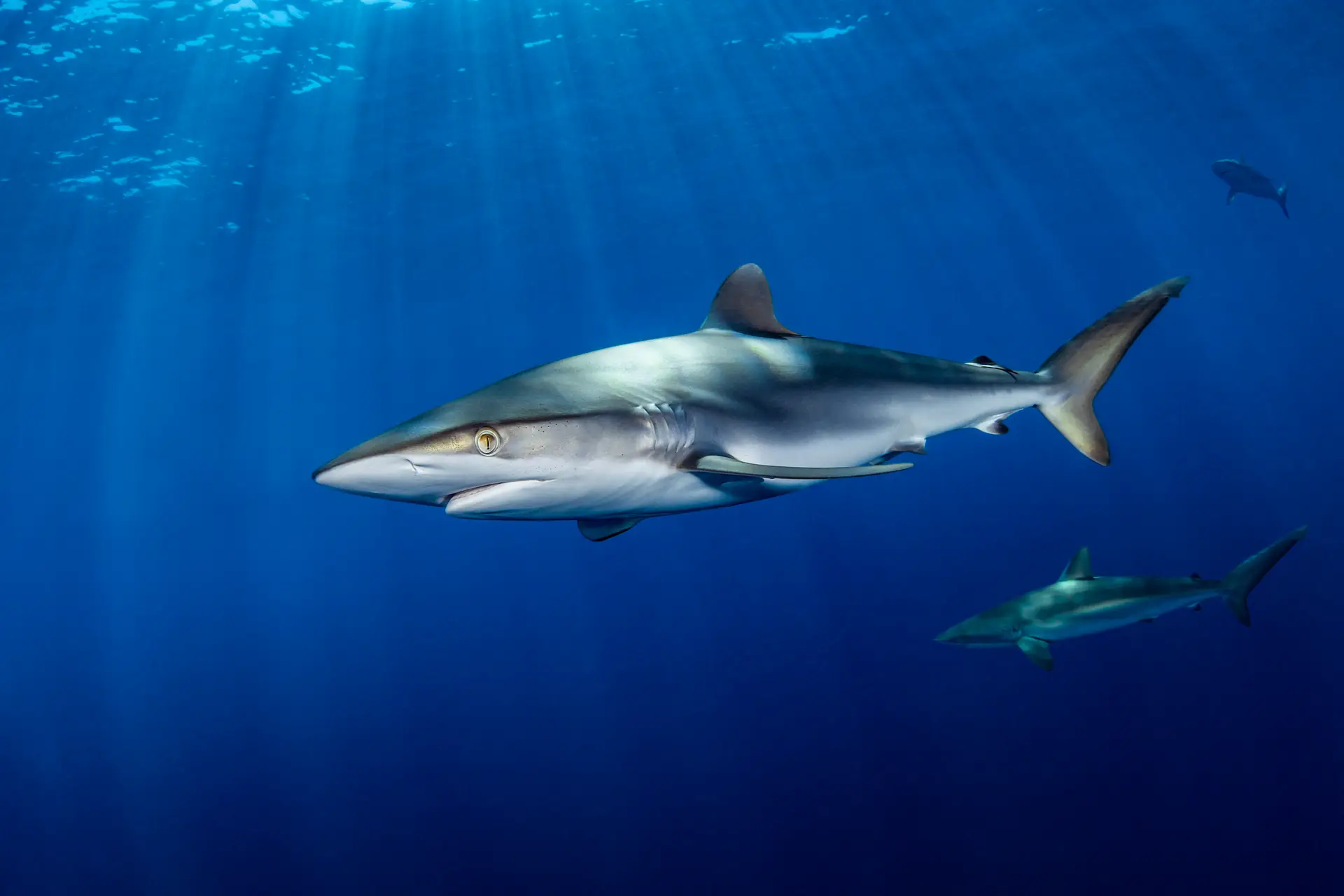
The Great Blue Hole is a 124m-deep collapsed limestone sinkhole inside Lighthouse Reef — a circular sapphire stamp in the middle of the atoll. The dive itself is a bucket list checkbox more than a marine life experience: stalactites at 40m, a few Caribbean reef sharks circling, and a long deco style ascent. The surrounding atoll reefs are the real diving.
How this reef is doing
ⓘ How we measure thisReef state
The Great Blue Hole itself is a geological dive — coral cover isn't the point. Surrounding atoll reefs are thinning.
Coral cover
Fish life
Heat
Hot enough that coral is bleaching now.
Fishing
Quiet water, and the protection is actively patrolled.
Sources · AGRRA and GCRMN reef surveys · NOAA Coral Reef Watch · Global Fishing Watch and reef gravity
Coral cover over time
Live coral cover, by survey year
Across 7 survey years from 2011 to 2021, live coral cover here has risen from 19% to 20%. Every point is a real survey reading, never a projection.
Live coral cover, percent by year
| Year | Coral cover |
|---|---|
| 2011 | 19% |
| 2012 | 24% |
| 2013 | 16% |
| 2014 | 18% |
| 2016 | 17% |
| 2018 | 19% |
| 2021 | 20% |
What you will see
18 species across the dive sites here
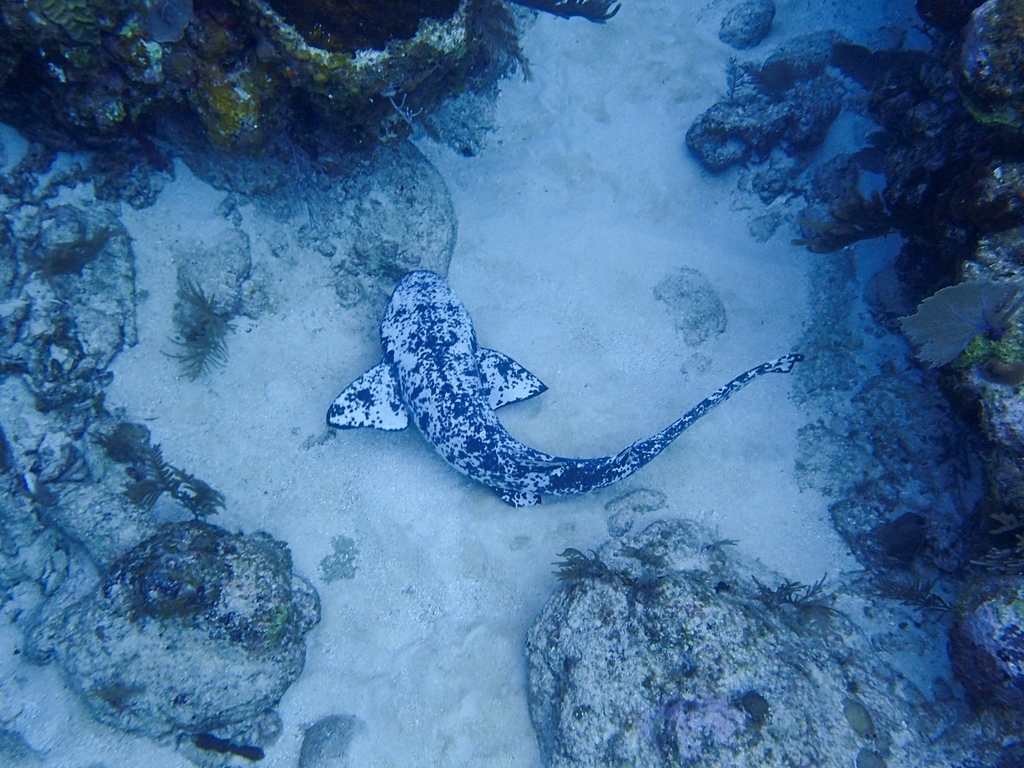
Atlantic nurse shark
Seen 3 months ago
at Shark Ray Alley
Vulnerable
Nurse shark
Seen 3 months ago
at Hol Chan Marine Reserve
Vulnerable
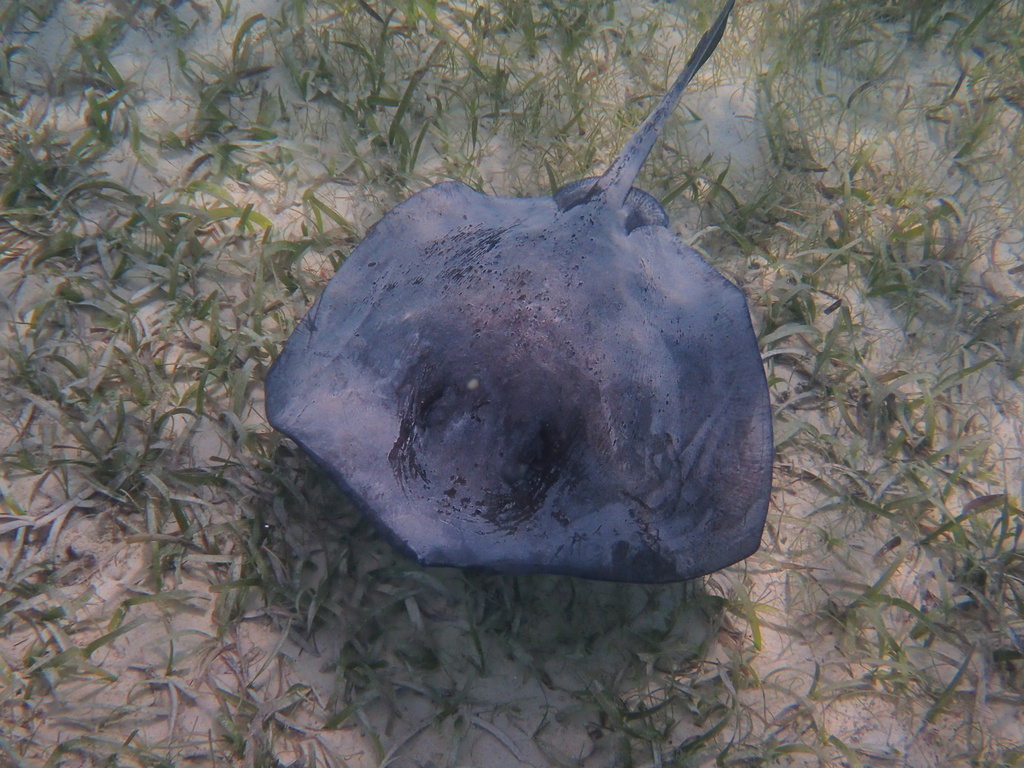
Southern stingray
Seen 3 months ago
at Hol Chan Marine Reserve
Near threatened
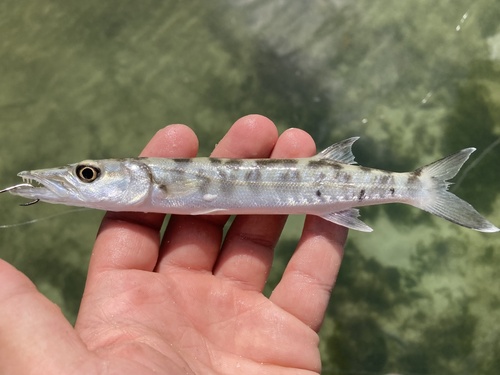
Great barracuda
Seen 3 months ago
at Shark Ray Alley
Least concern
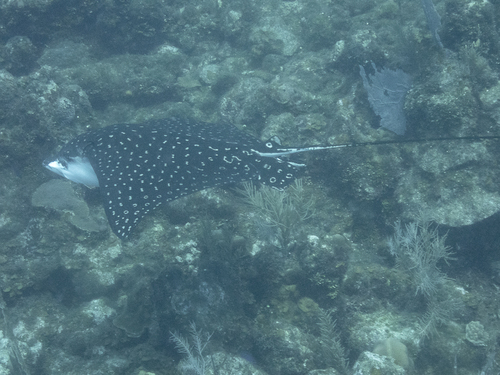
Spotted eagle ray
Seen 3 months ago
at Hol Chan Marine Reserve
Endangered
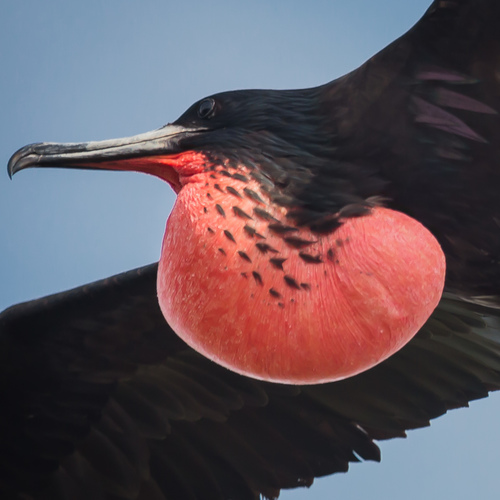
Magnificent Frigatebird
Seen 4 months ago
at Half Moon Caye Wall
Least concern
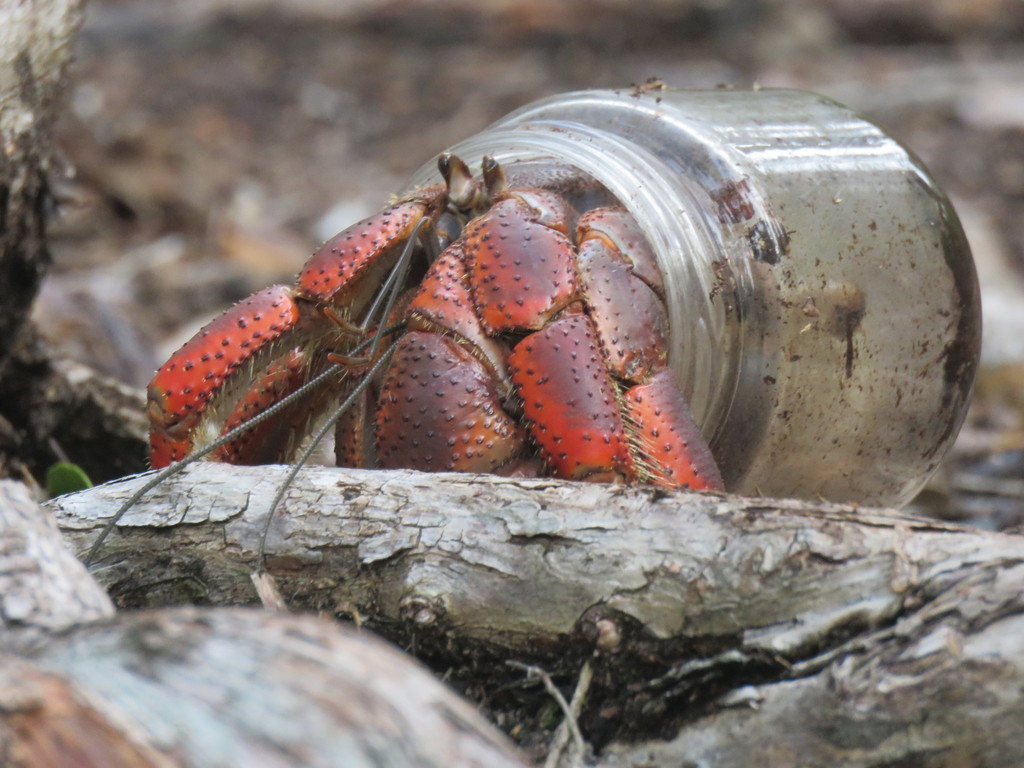
Caribbean Land Hermit Crab
Seen 4 months ago
at Long Caye Ridge
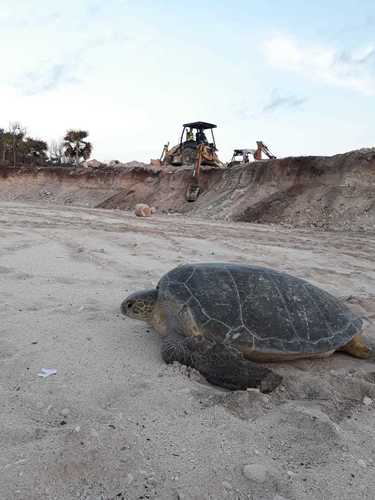
Green sea turtle
Seen 4 months ago
at Hol Chan Marine Reserve
Least concern
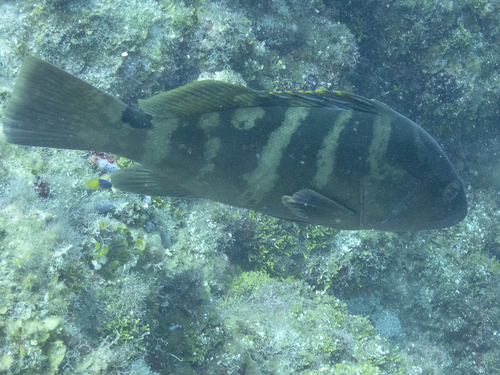
Nassau grouper
Seen 4 months ago
at Hol Chan Marine Reserve
Critically endangered
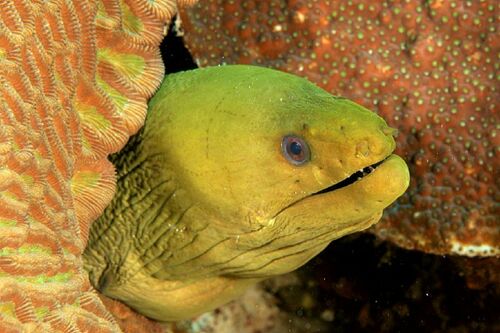
Green moray eel
Seen 4 months ago
at Long Caye Ridge
Least concern
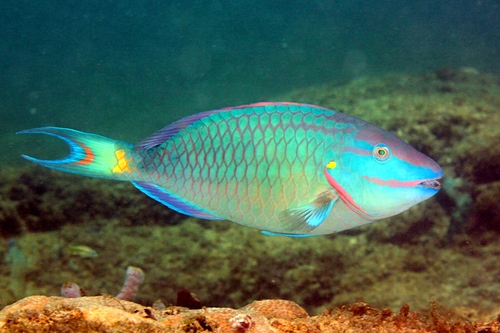
Stoplight Parrotfish
Seen 5 months ago
at Long Caye Ridge
Least concern
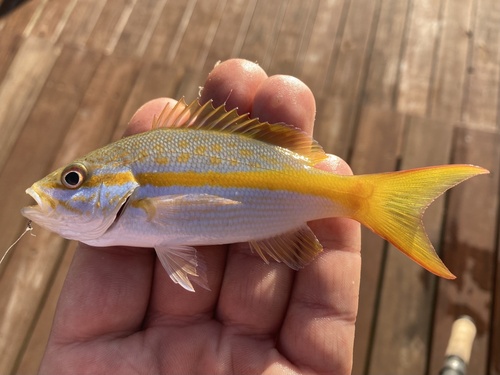
Yellowtail snapper
Seen 6 months ago
at Shark Ray Alley
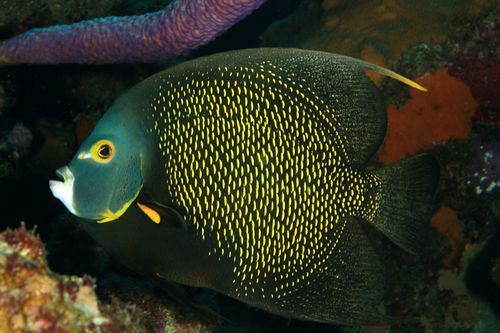
French Angelfish
Seen 6 months ago
at Half Moon Caye Wall
Least concern
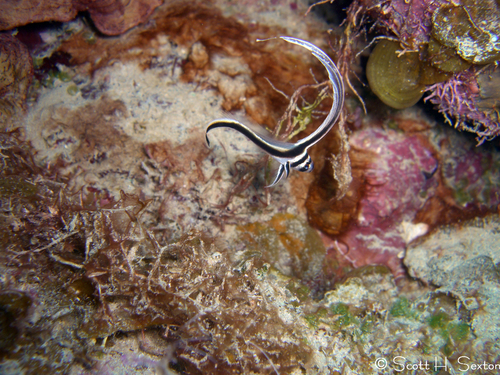
Spotted drum
Seen 6 months ago
at Long Caye Ridge
Least concern
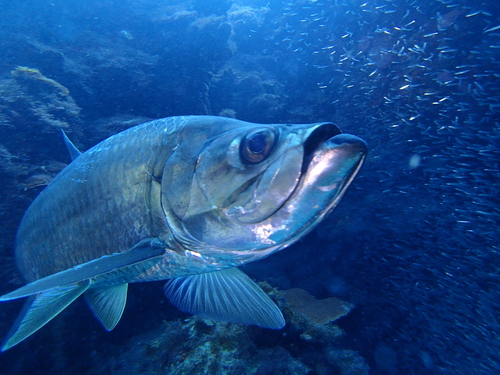
Tarpon
Seen 6 months ago
at Half Moon Caye Wall
Vulnerable
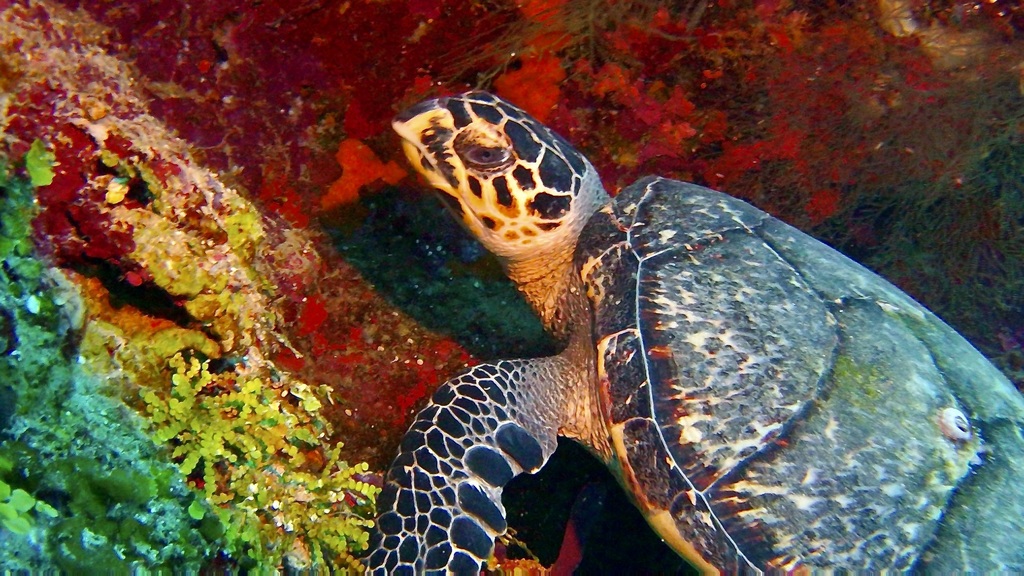
Hawksbill turtle
Seen 8 months ago
at Hol Chan Marine Reserve
Critically endangered
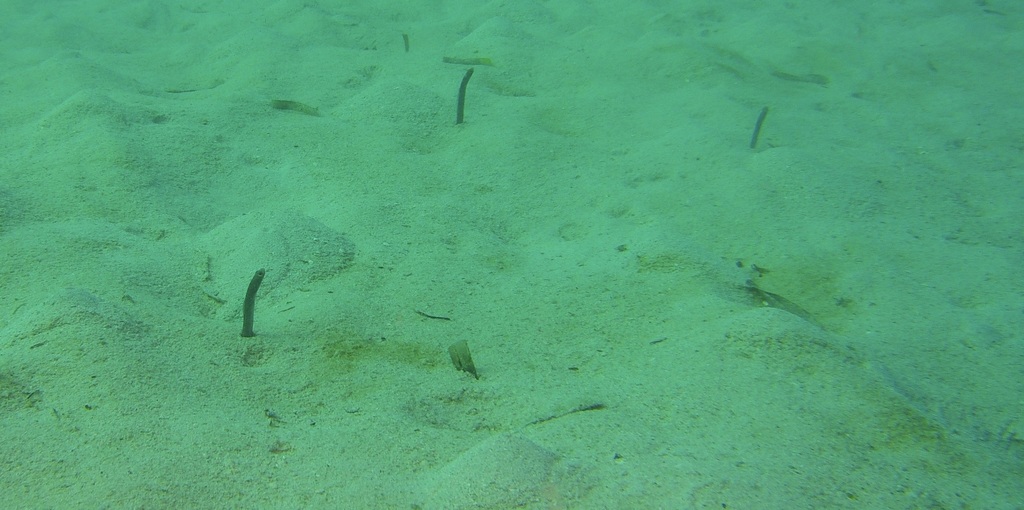
Garden eel
Seen year round
at Long Caye Ridge
Least concern
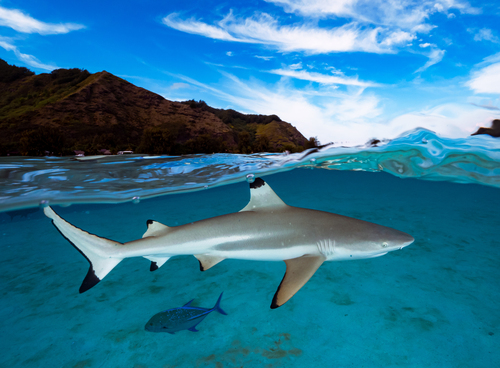
Reef shark
Seen year round
at Half Moon Caye Wall
Vulnerable
Dive sites
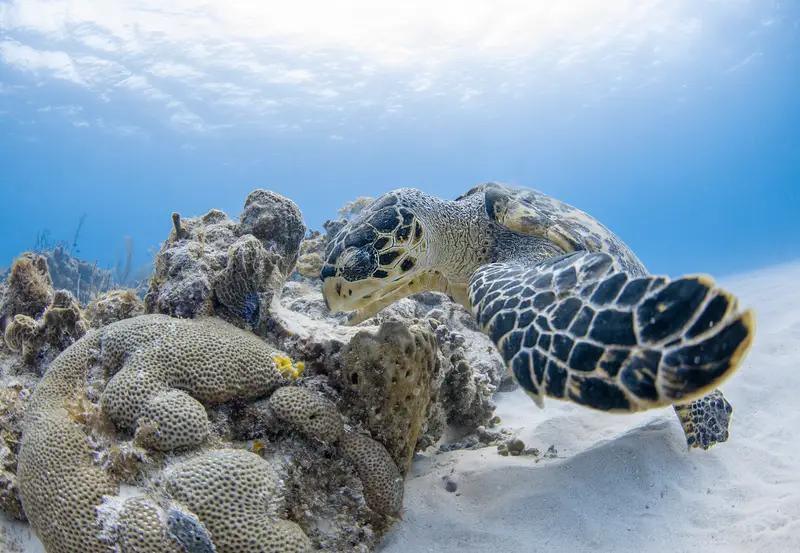
Half Moon Caye Wall
spotted eagle ray · reef shark · hawksbill turtle · tarpon
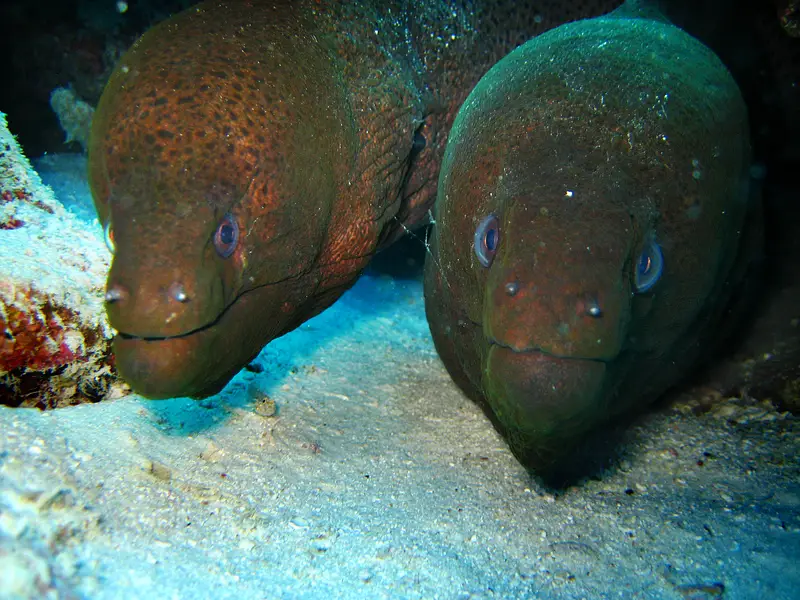
Long Caye Ridge
green moray eel · garden eel · nassau grouper · spotted drum
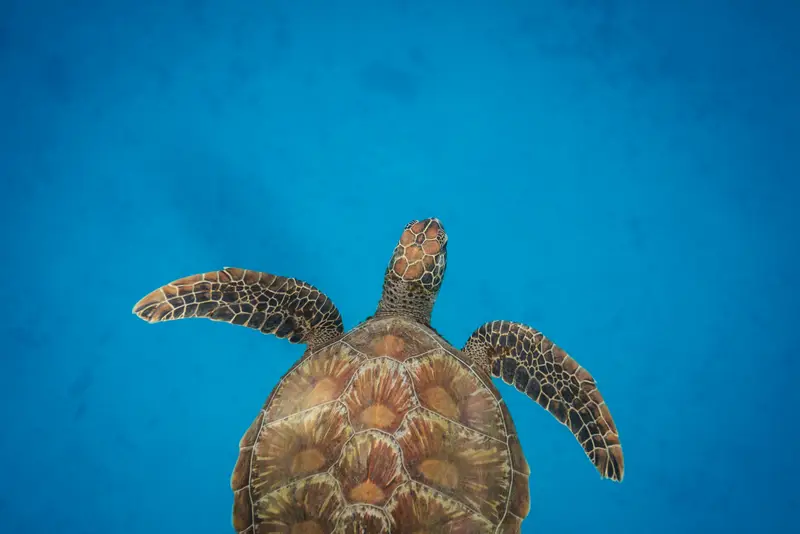
Hol Chan Marine Reserve
nurse shark · southern stingray · green sea turtle · hawksbill turtle
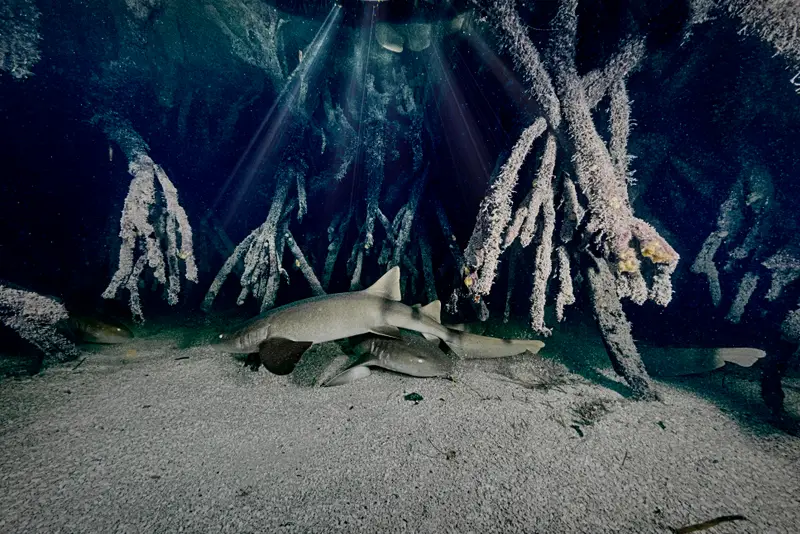
Shark Ray Alley
atlantic nurse shark · southern stingray · yellowtail snapper · great barracuda
What divers say
The Blue Hole itself is more impressive from the air than underwater — but the wall dives on the way home are quietly some of the best Caribbean diving I've ever done.
Good to know
Long boat ride
2.5–4h each way from Ambergris. Take Bonine the night before.
Manage expectations
Visibility inside the hole isn't always the postcard. Go for the geology, not the fish.