Panama · Caribbean
Bocas del Toro
One of the calmer Caribbean windows before stronger rainy stretches.
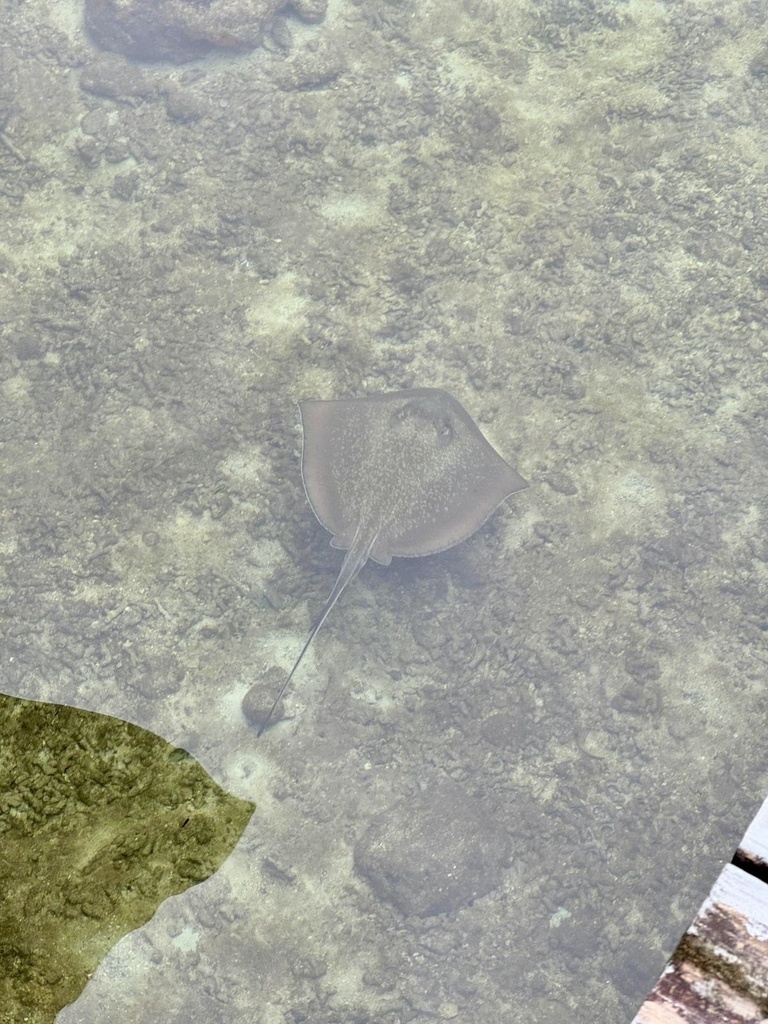
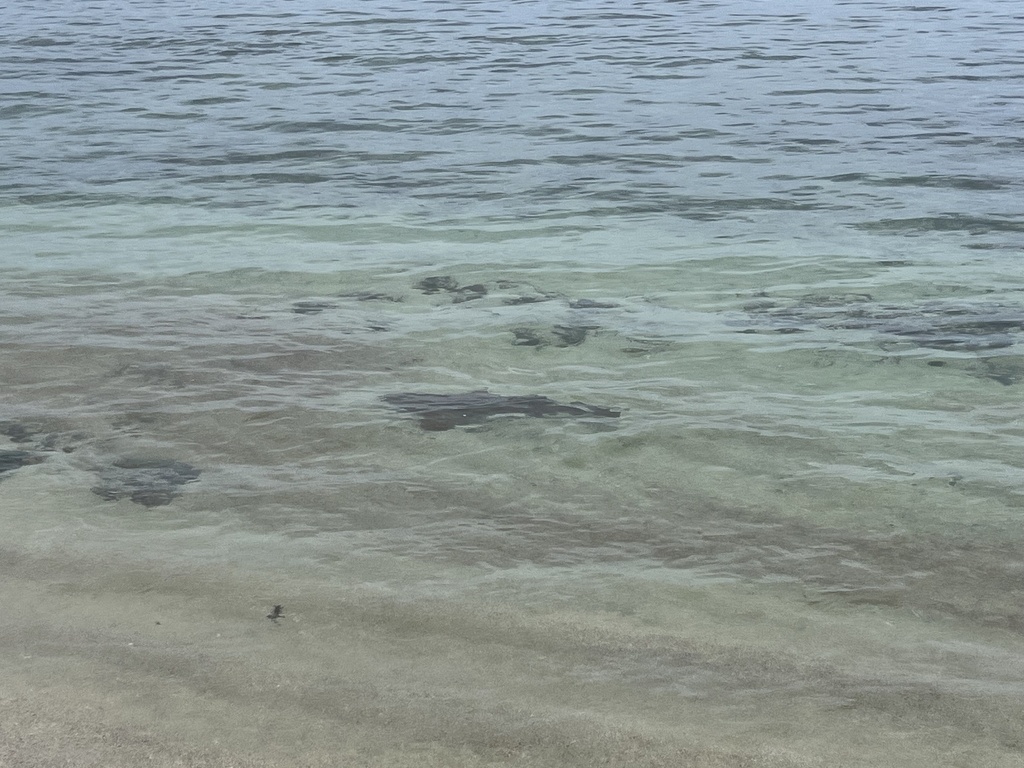
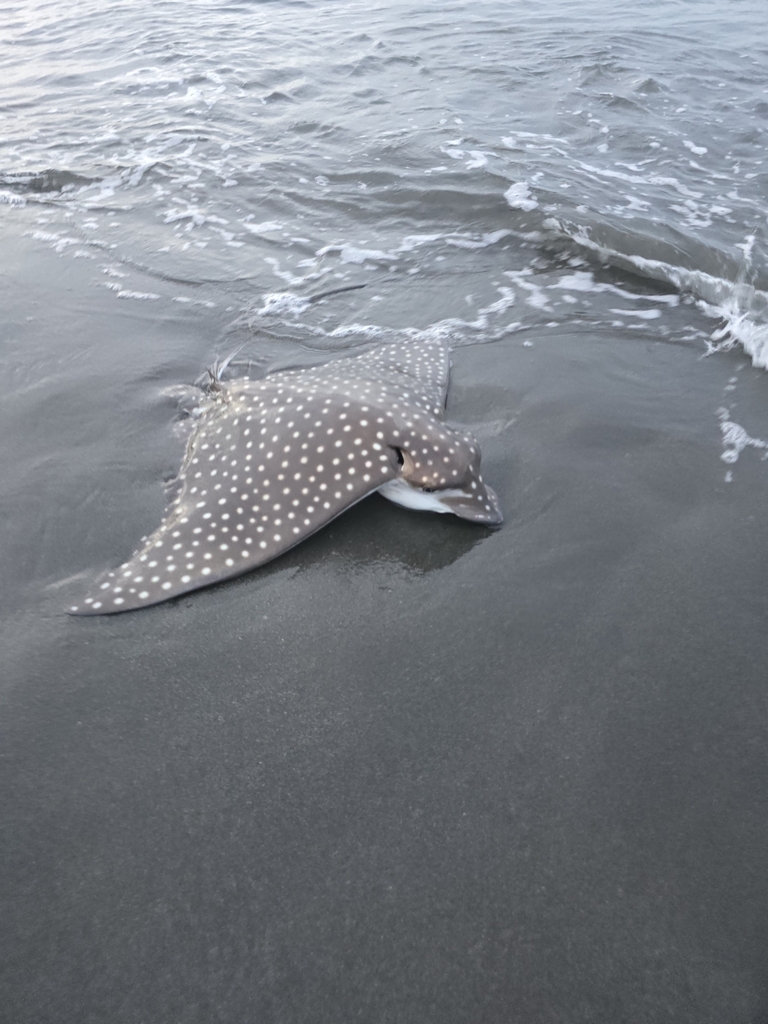
Bocas del Toro on Panama's Caribbean side is a relaxed archipelago with easy beginner diving — shallow reefs, mangrove channels, and a backpacker town vibe. Not a destination for advanced divers, but excellent for certifications.
Good season
September–October and February–March are driest with best viz.
Trip duration
3–5 nights as part of a Panama loop.
Dive style
Shallow boat diving; mild current.
Dive level
Beginner-friendly.
Reef health
What you’ll actually findThis reef is losing coral faster than it's recovering. If it's on your list, go sooner — and manage expectations on coral colour.
Coral reef health
How is this calculated?On current trend, no live coral by ~2044. Losing about 1.1% cover per year — roughly 20 years of reef left to see if nothing changes.
Heat stress right now
Mild warmth. Worth watching — no bleaching yet.
NOAA Coral Reef Watch · updated May 2026 · 0.5 °C-week heat dose
What to expect on a dive
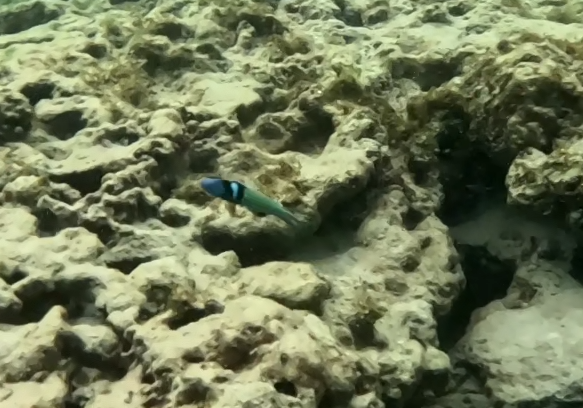
Cover has declined steadily for two decades. Shallow training-friendly reefs but expect bleaching scars.
Sources, methodology, and the raw numbers
Raw observed numbers
- Coral cover: 22% (survey Sep 2024, AGRRA reef survey protocol)
- Bleached: 20%
- Recent mortality: 8%
- Caribbean post-2023 — observed condition reflects the declining regional pattern.
Raw thermal numbers
- NOAA CRW alert level: Watch
- Degree Heating Weeks: 0.5 °C-wk
- SST anomaly: +0.8 °C
How we summarise this
Observed coral cover, bleaching, and mortality come from named in-situ surveys with a stated date and method — they describe one snapshot of one reef and do not extrapolate to neighbouring sites. Current thermal stress is satellite-derived from NOAA Coral Reef Watch at ~5 km resolution; it indicates risk, not observed coral damage. We deliberately separate observed condition, current thermal stress, and projection — and we never publish a projection without a documented model and uncertainty.
Sources
- Atlantic and Gulf Rapid Reef Assessment — AGRRA Program / Perry Institute for Marine Science
- NOAA Coral Reef Watch — U.S. National Oceanic and Atmospheric Administration
- AIMS Long-Term Monitoring Program — Australian Institute of Marine Science
- Global Coral Reef Monitoring Network — GCRMN / ICRI
- NOAA National Coral Reef Monitoring Program — NOAA Coral Reef Conservation Program
- Reef Check — Reef Check Foundation
- NOAA CoastWatch / OceanWatch — NOAA NESDIS / STAR
- Allen Coral Atlas — Arizona State University Center for Global Discovery and Conservation Science
- Great Barrier Reef Marine Park Authority — Australian Government
- International Coral Reef Initiative — ICRI Secretariat
- Reef Life Survey — Reef Life Survey Foundation
- NASA PO.DAAC — NASA Jet Propulsion Laboratory / Caltech
- Copernicus Marine Service — Mercator Ocean International for the European Union
- NASA Ocean Color (OB.DAAC) — NASA Goddard Space Flight Center / Ocean Biology Processing Group
- Argo float network — International Argo Program / UCSD
- CoralWatch — University of Queensland
- IMOS / AODN — Integrated Marine Observing System / Australian Ocean Data Network
- WRI Reefs at Risk Revisited — World Resources Institute
- Ocean Health Index — OHI partnership (Conservation International + UCSB + NCEAS)
- IPCC Special Report on the Ocean and Cryosphere (SROCC) — Intergovernmental Panel on Climate Change
- GOA-ON — Global Ocean Acidification Observing Network — GOA-ON Secretariat + IOC-UNESCO
- HAEDAT — Harmful Algae Event Database — IOC-UNESCO Intergovernmental Panel on Harmful Algal Blooms
- NCEI Marine Microplastics — NOAA National Centers for Environmental Information
Reef condition changes year to year. If you visit, consider supporting responsible-travel and conservation operators on the ground.
Pressure on this reef
Protection · fishing · what you can doProtected-area status
Multi-use MPAInside a designated MPA that permits regulated fishing and other uses. Worth checking which zones at this location are no-take.
Fishing pressure
High fishing pressureDominant pressures
- overfishing
- SCTLD disease
- warming
- cruise-ship anchoring
2 Green Fins-verified operators known at this location.
What you can do
Lower-protection Caribbean. The biggest pressures are SCTLD disease and overfishing — support operators that participate in coral-restoration nurseries.
Protection status sourced from Protected Planet / WDPA and refined with Marine Protection Atlas. Fishing pressure proxy is Global Fishing Watch AIS data. See the methodology for what these sources can and can’t prove.
Pollution & water-quality
What divers should knowChronic agricultural runoff + warming
SEVERESince 2000
Bocas reefs have declined steadily for two decades due to banana-plantation runoff, sedimentation, and recurrent bleaching. SCTLD now adding pressure.
What this means for your trip
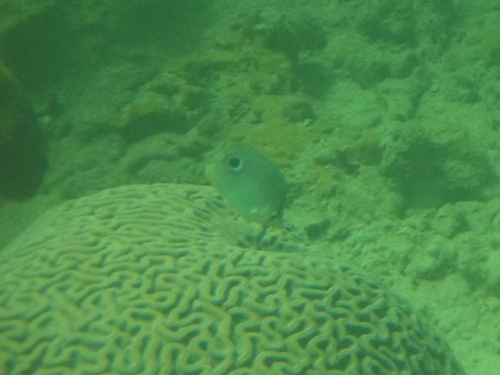
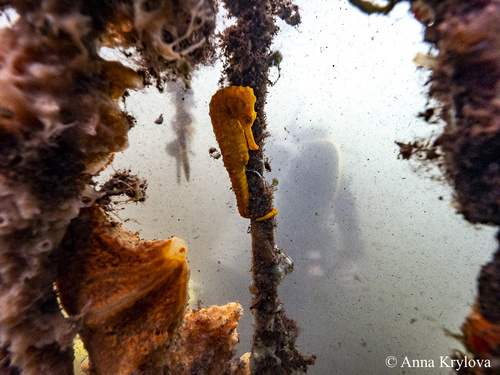
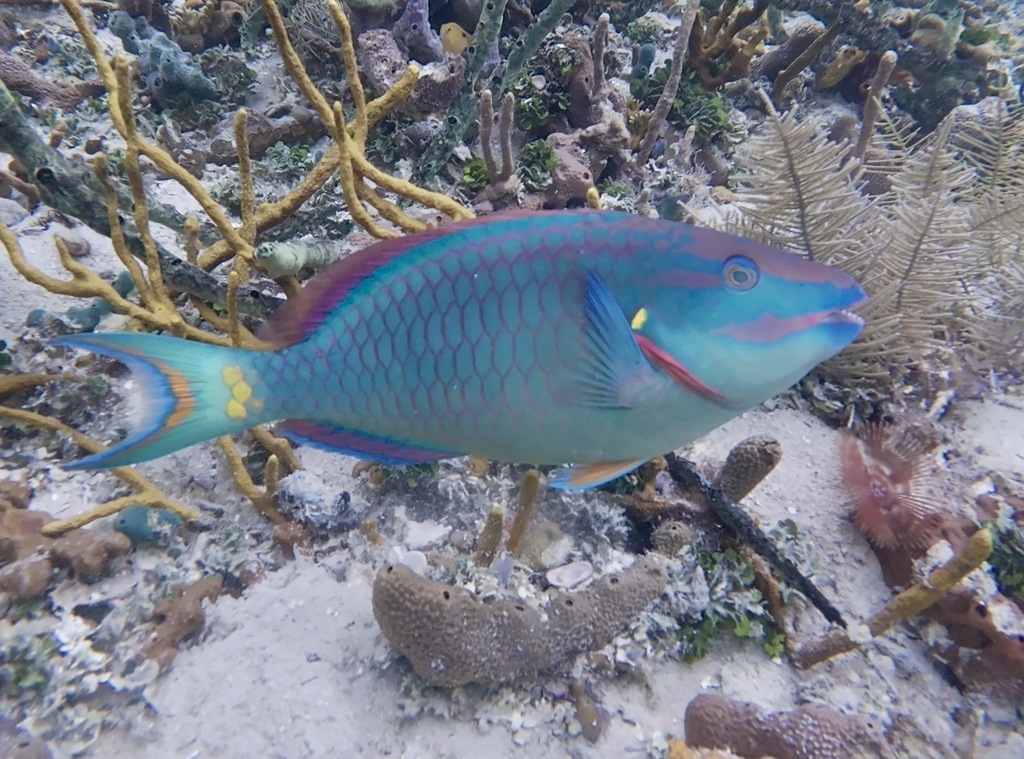
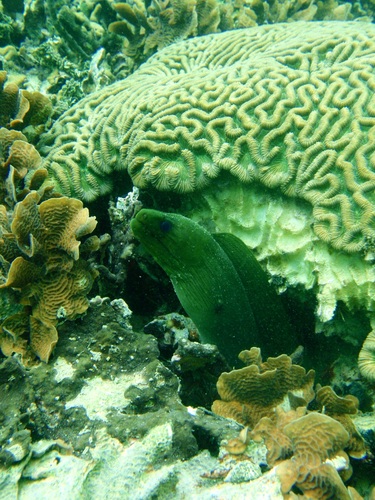
Reef diving here is patchy. Worth visiting for macro/critter diving, sloths, and the broader Caribbean-coast culture rather than dramatic coral scenery.
Dive sites here
1 curatedGear
What to bringWhat divers say
“Not the best diving in Panama, but a wonderful place to learn and chill.”