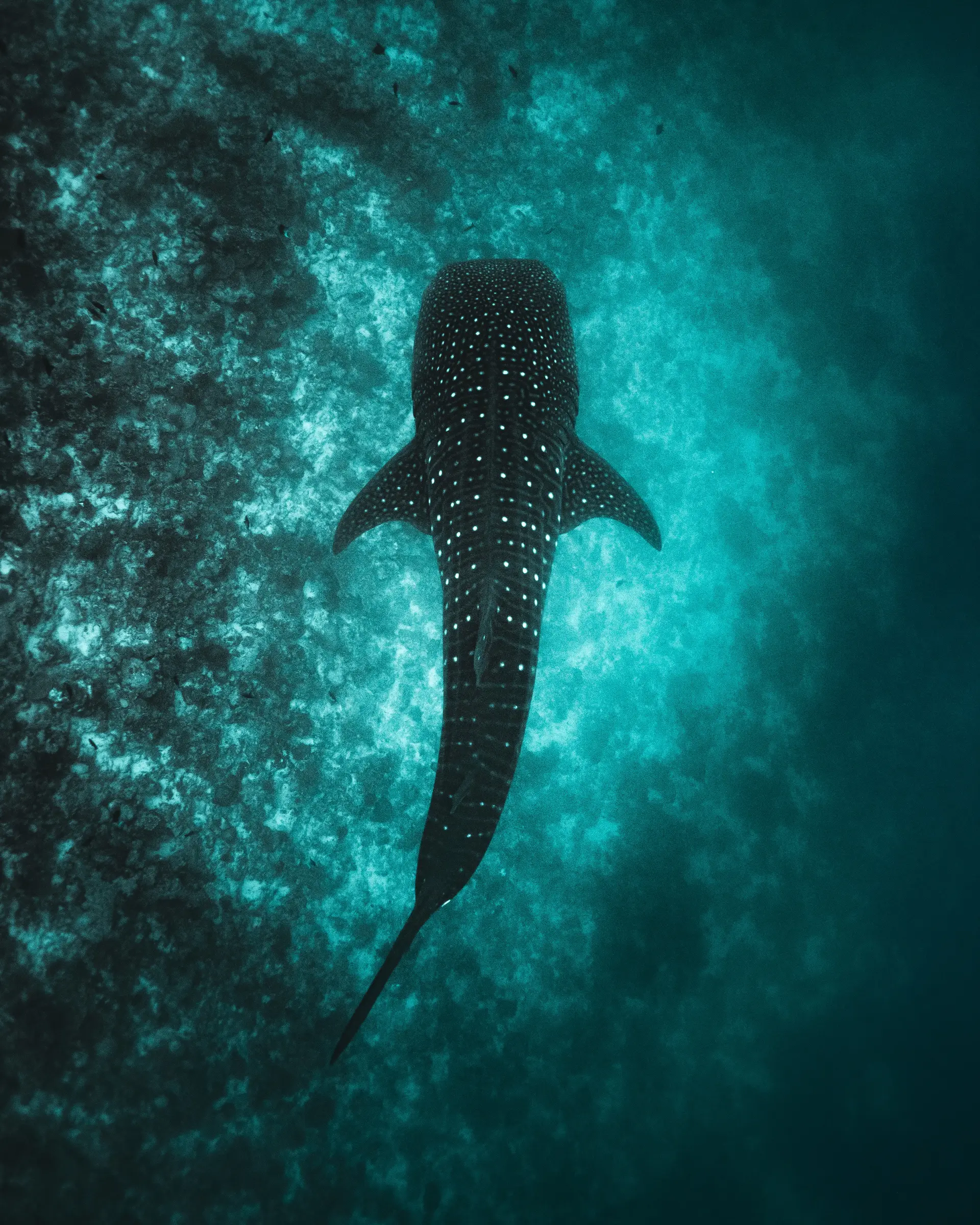
Bunaken
Indonesia · North Sulawesi
Bunaken sits at the northern tip of Sulawesi in a marine park famous for its sheer wall diving — drop offs that plunge 200m+ into deep blue, draped in soft coral and sponges, with turtles, schooling barracuda, and reef sharks patrolling the edges. Nearby Lembeh and Bangka round out a north-Sulawesi diving triangle.
How this reef is doing
ⓘ How we measure thisReef state
Bunaken's wall diving remains the highlight. Some shallow flats show bleaching scars but the drop offs hold their cover.
Coral cover
Fish life
Heat
No unusual heat right now.
Fishing
Quiet water, and the protection is actively patrolled.
Sources · MERMAID and the survey teams · NOAA Coral Reef Watch · Global Fishing Watch and reef gravity
Coral cover over time
Live coral cover, by survey year
Across 5 survey years from 2016 to 2025, live coral cover here has risen from 32% to 57%. Every point is a real survey reading, never a projection.
Live coral cover, percent by year
| Year | Coral cover |
|---|---|
| 2016 | 32% |
| 2021 | 71% |
| 2023 | 40% |
| 2024 | 53% |
| 2025 | 57% |
What you will see
35 species across the dive sites here
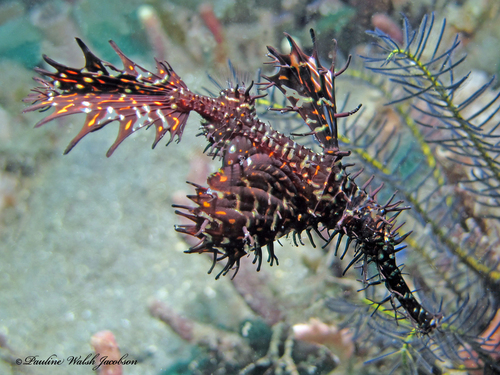
Ornate ghost pipefish
Seen 3 months ago
at Nudi Falls (Lembeh Strait)
Least concern
Ornate ghostpipefish
Seen 3 months ago
at Hairball (Lembeh Strait)
Least concern
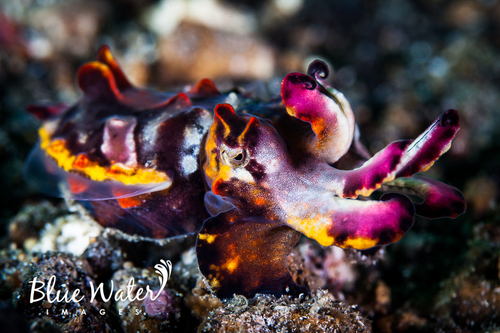
Flamboyant cuttlefish
Seen 3 months ago
at Hairball (Lembeh Strait)
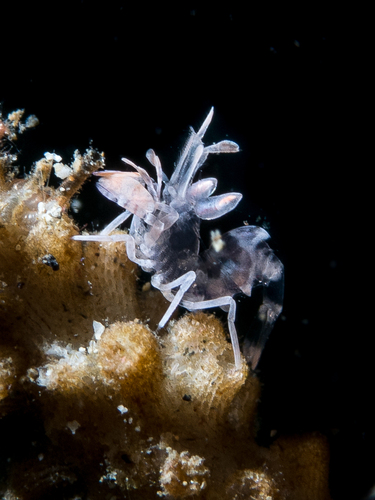
Harlequin shrimp
Seen 3 months ago
at Hairball (Lembeh Strait)
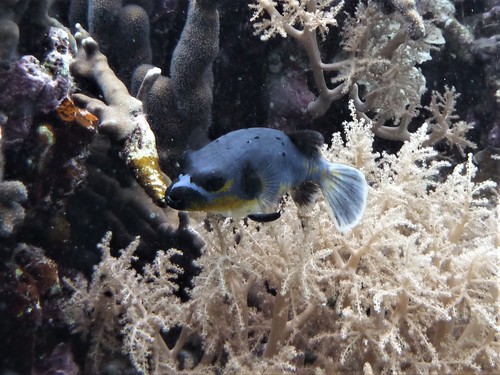
Blackspotted Puffer
Seen 4 months ago
at Lekuan Walls
Least concern
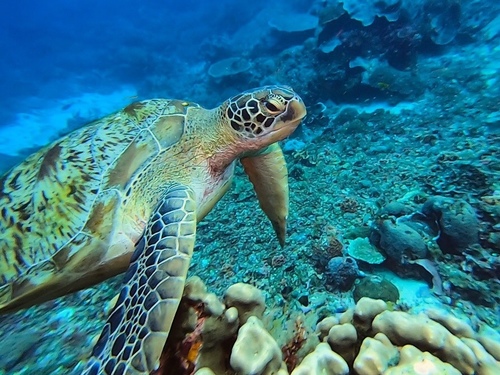
Green turtle
Seen 4 months ago
at Lekuan Walls
Least concern
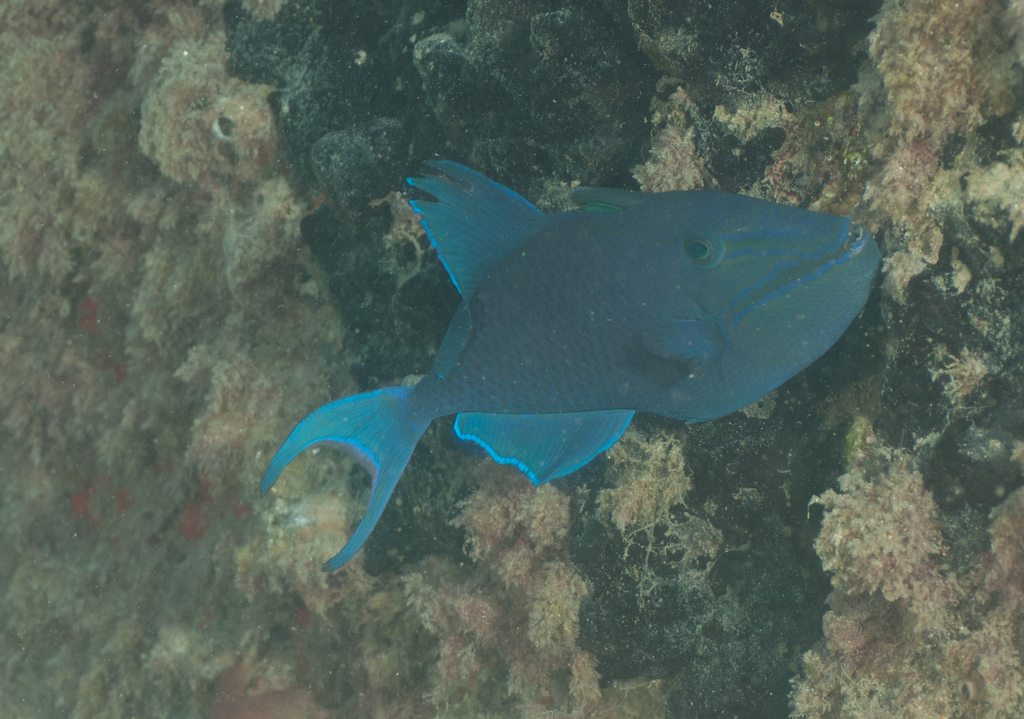
Redtooth Triggerfish
Seen 4 months ago
at Lekuan Walls
Least concern
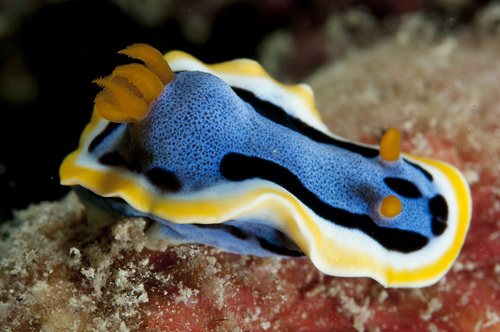
Anna'S Chromodoris
Seen 4 months ago
at Lekuan Walls
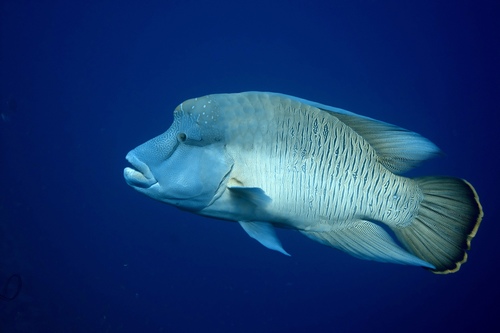
Napoleon wrasse
Seen 4 months ago
at Lekuan Walls
Endangered

Bumphead parrotfish
Seen 4 months ago
at Lekuan Walls
Vulnerable
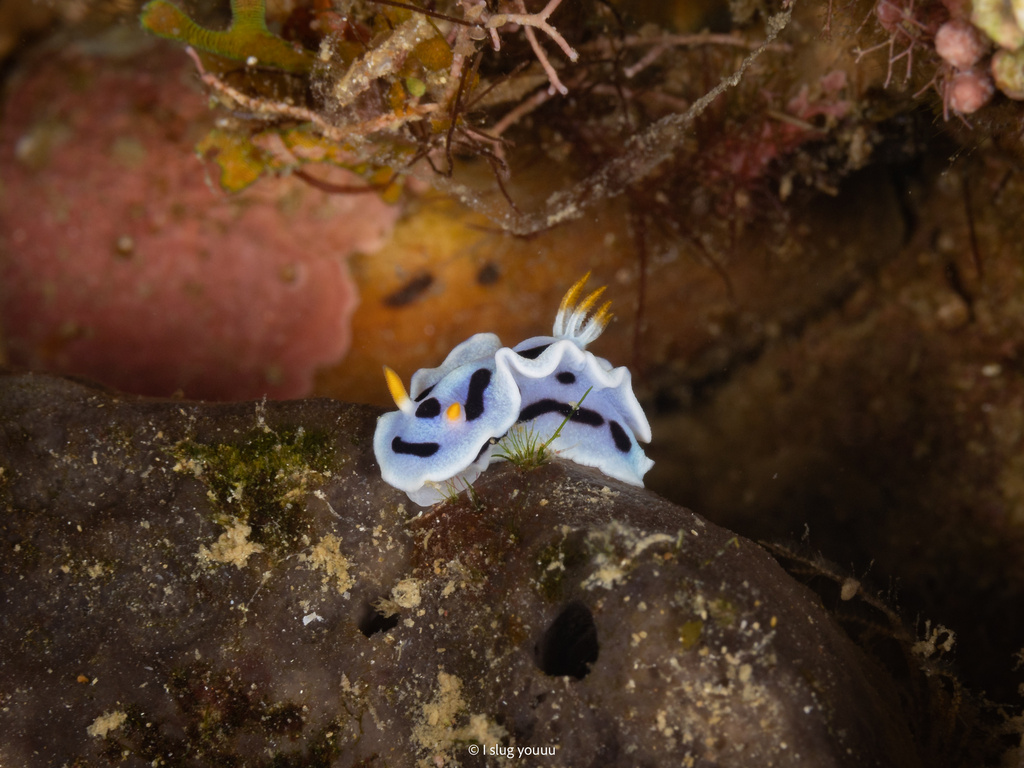
Alcala'S Chromodoris
Seen 4 months ago
at Lekuan Walls
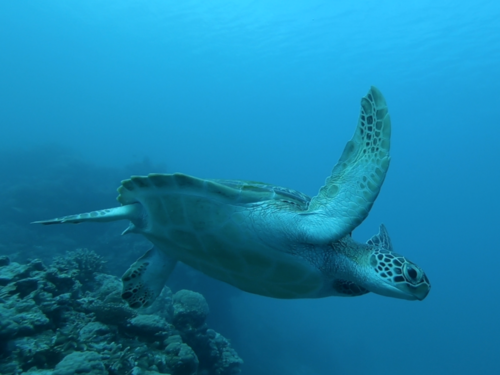
Green Sea Turtle
Seen 4 months ago
at Wakatobi
Least concern
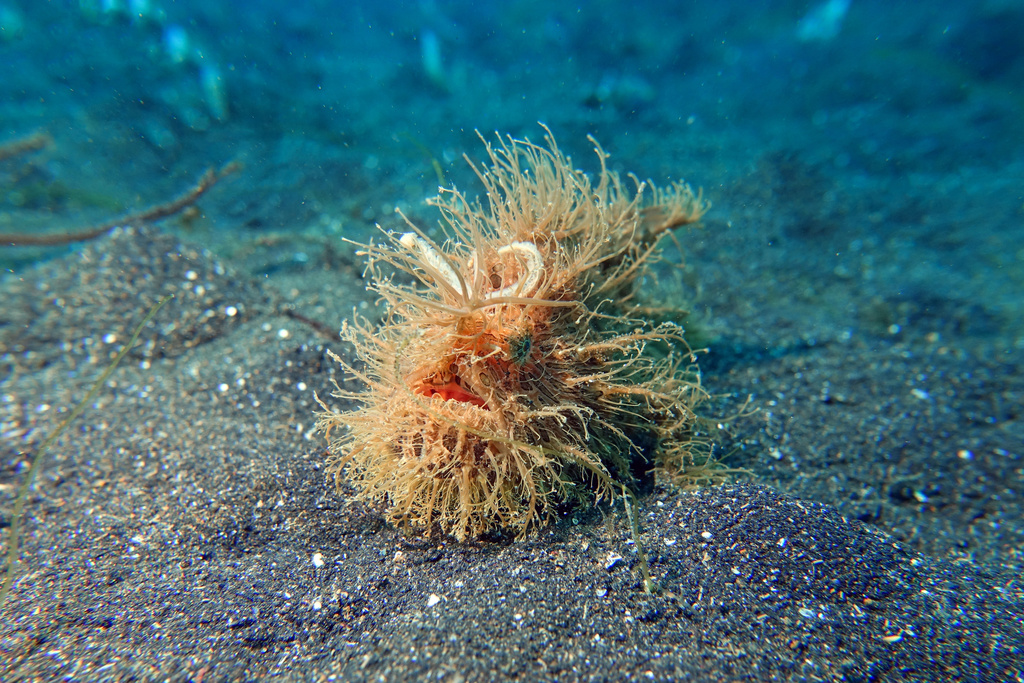
Hairy frogfish
Seen 4 months ago
at Hairball (Lembeh Strait)
Least concern
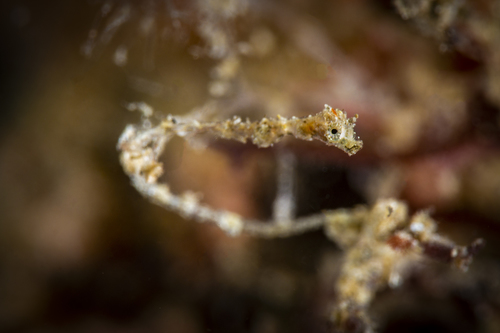
Lembeh seadragon
Seen 4 months ago
at Nudi Falls (Lembeh Strait)
Least concern
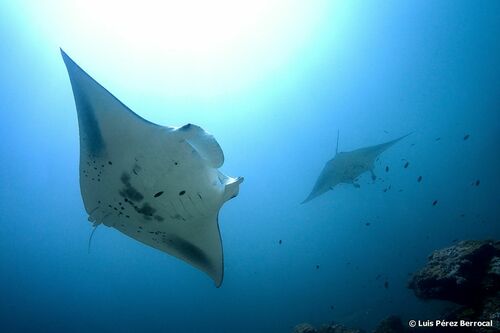
Manta Ray
Seen 4 months ago
at Derawan Islands
Vulnerable
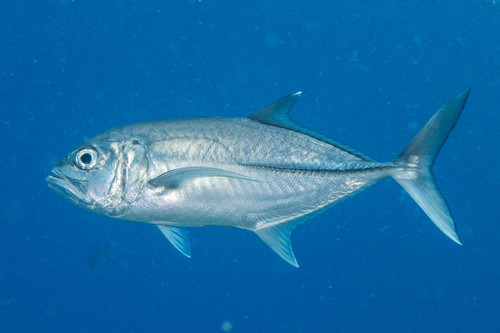
Bigeye trevally
Seen 4 months ago
at Bunaken Timur
Least concern
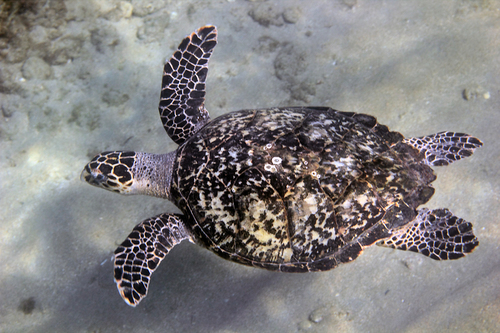
Hawksbill turtle
Seen 4 months ago
at Lekuan Walls
Critically endangered
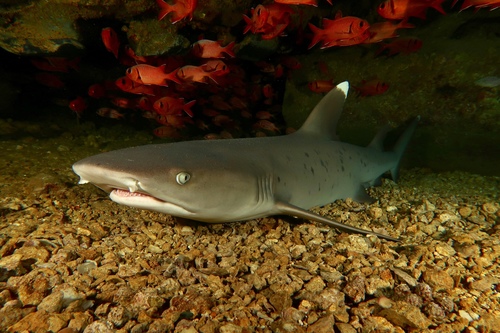
Whitetip reef shark
Seen 5 months ago
at Bunaken Timur
Vulnerable
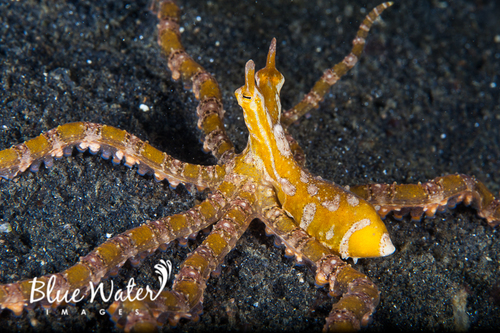
Wunderpus octopus
Seen 5 months ago
at Hairball (Lembeh Strait)
Least concern
Wonderpus octopus
Seen 5 months ago
at Nudi Falls (Lembeh Strait)
Least concern
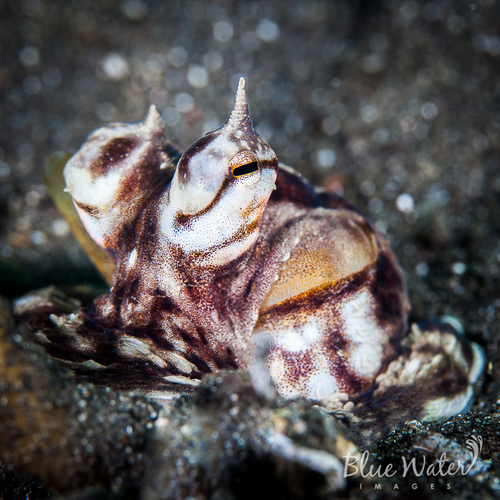
Mimic octopus
Seen 5 months ago
at Hairball (Lembeh Strait)
Least concern
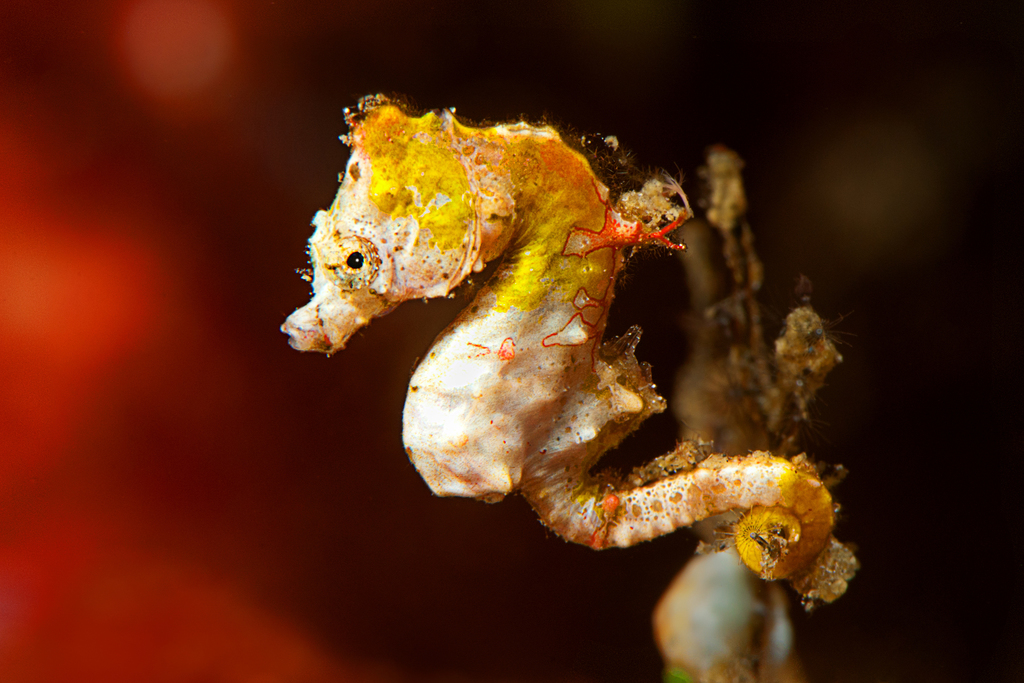
Pontoh's pygmy seahorse
Seen 5 months ago
at Nudi Falls (Lembeh Strait)
Least concern
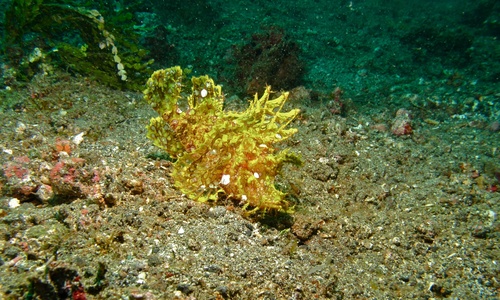
Rhinopias scorpionfish
Seen 5 months ago
at Nudi Falls (Lembeh Strait)
Least concern
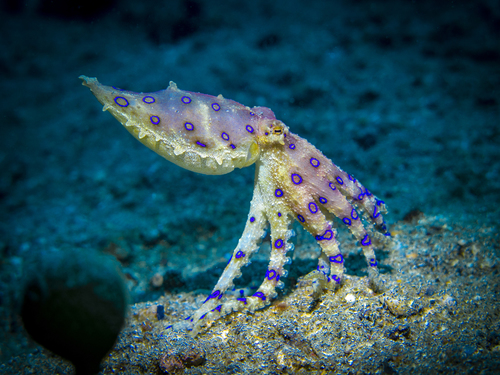
Blue-ringed octopus
Seen 5 months ago
at Hairball (Lembeh Strait)
Least concern
Blue ringed octopus
Seen 5 months ago
at Nudi Falls (Lembeh Strait)
Least concern
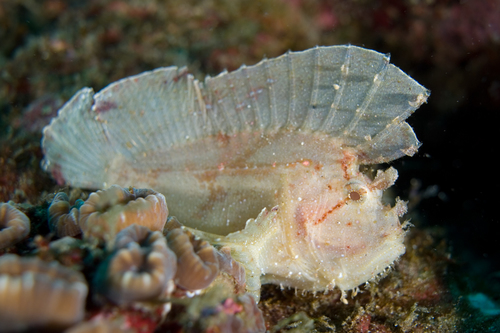
Leaf Scorpionfish
Seen 9 months ago
at Wakatobi
Least concern
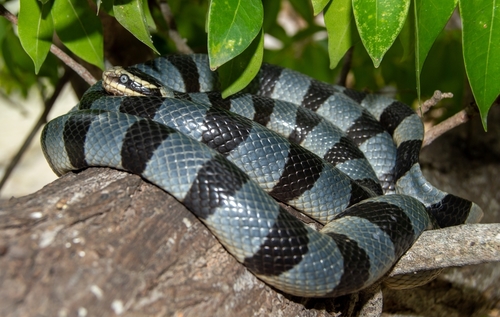
Yellow-Lipped Sea Krait
Seen Feb 2025
at Wakatobi
Least concern
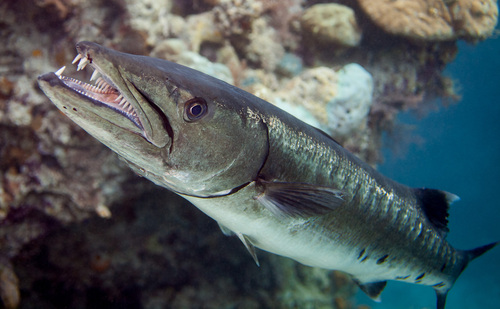
Barracuda
Seen year round
at Wakatobi
Least concern
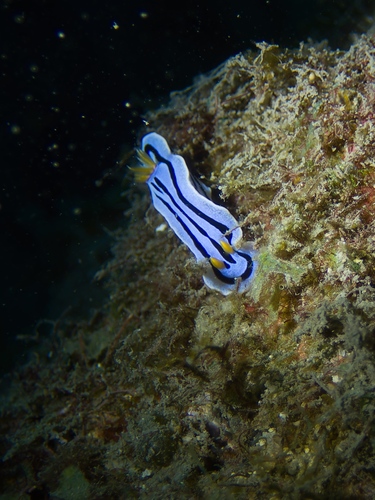
Chromodoris nudibranchs
Seen year round
at Nudi Falls (Lembeh Strait)
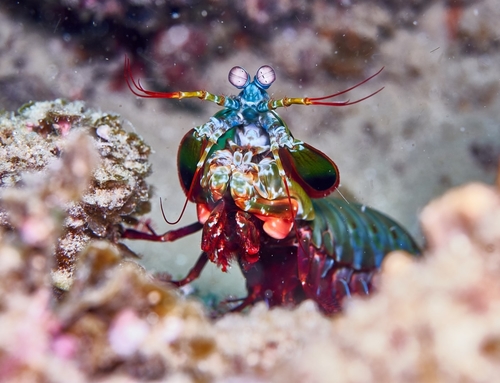
Mantis Shrimp
Seen year round
at Derawan Islands
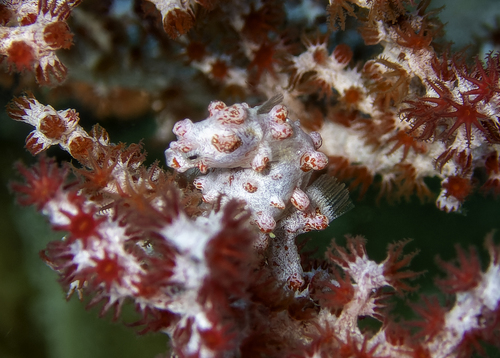
Pygmy Seahorse
Seen year round
at Wakatobi
Least concern
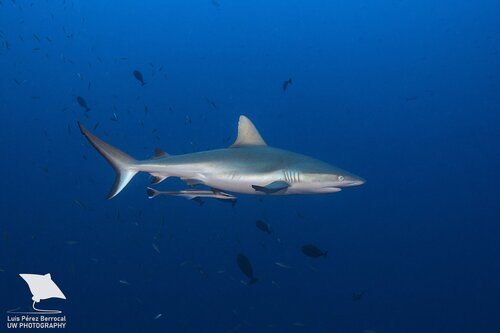
Reef Shark
Seen year round
at Wakatobi
Endangered
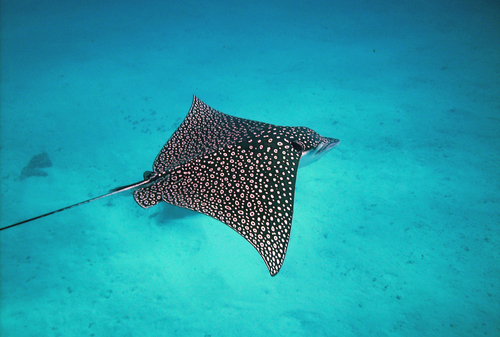
Eagle ray
Seasonal visitor
at Bunaken Timur
Endangered
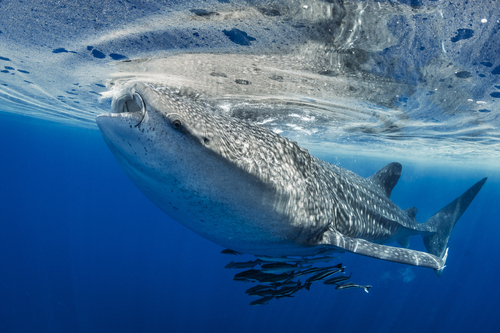
Whale Shark
Seasonal visitor
at Derawan Islands
Endangered
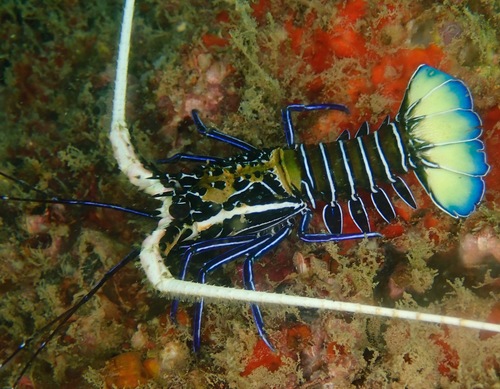
Painted Spiny Lobster
Rare sighting
at Wakatobi
Least concern
Dive sites
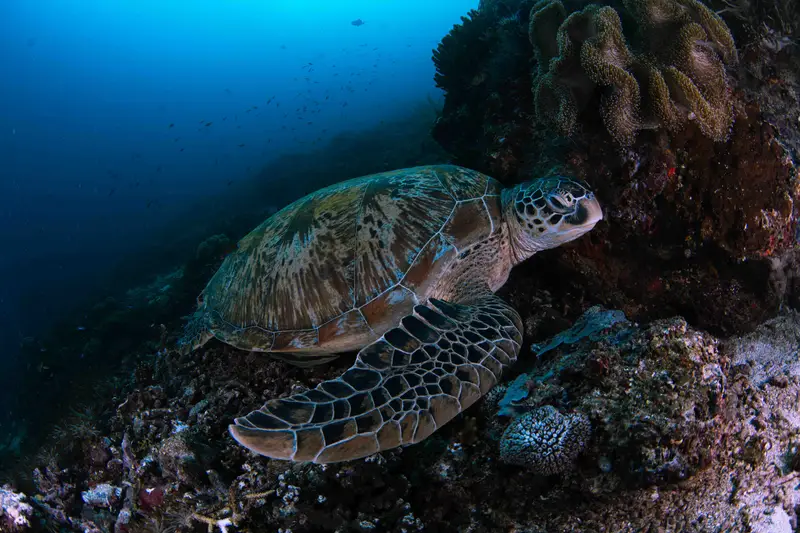
Lekuan Walls
green turtle · hawksbill turtle · napoleon wrasse · bumphead parrotfish
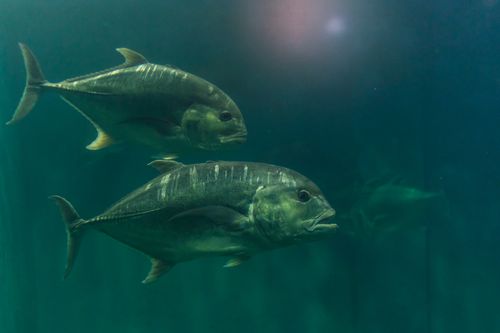
Bunaken Timur
bigeye trevally · eagle ray · whitetip reef shark · green turtle
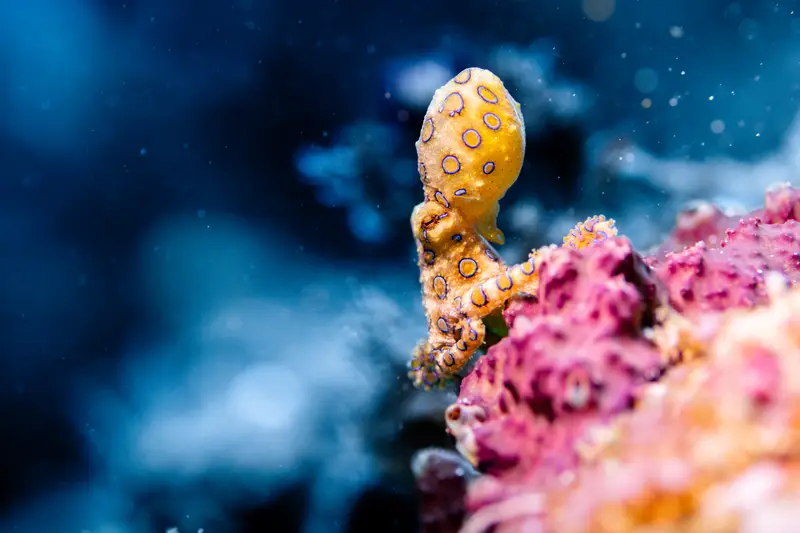
Hairball (Lembeh Strait)
hairy frogfish · mimic octopus · flamboyant cuttlefish · wunderpus octopus
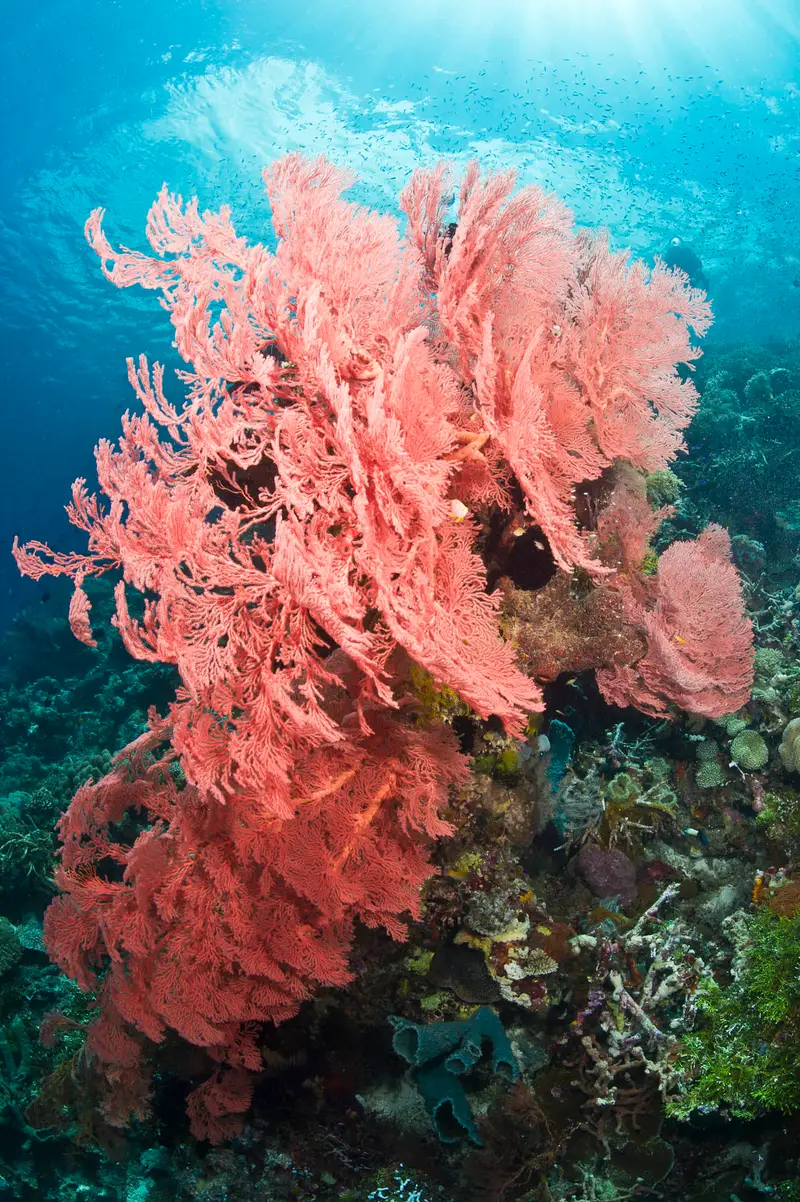
Wakatobi
green sea turtle · reef shark · barracuda · pygmy seahorse
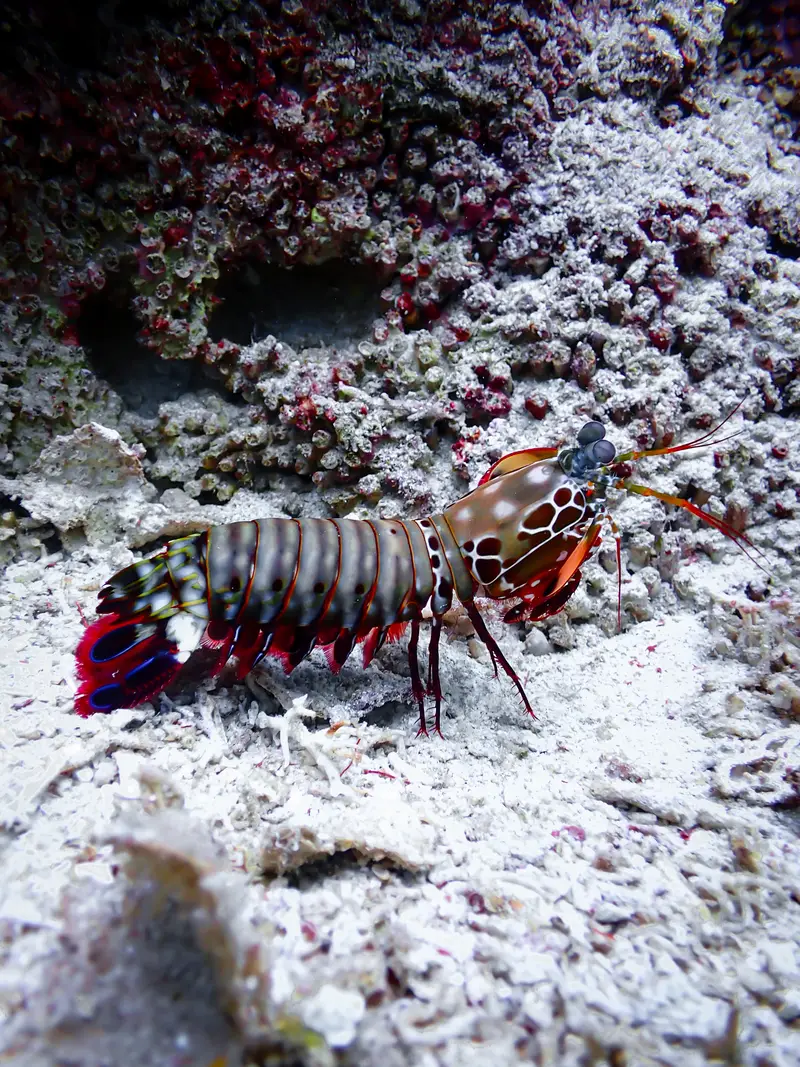
Derawan Islands
manta ray · green sea turtle · whale shark · barracuda
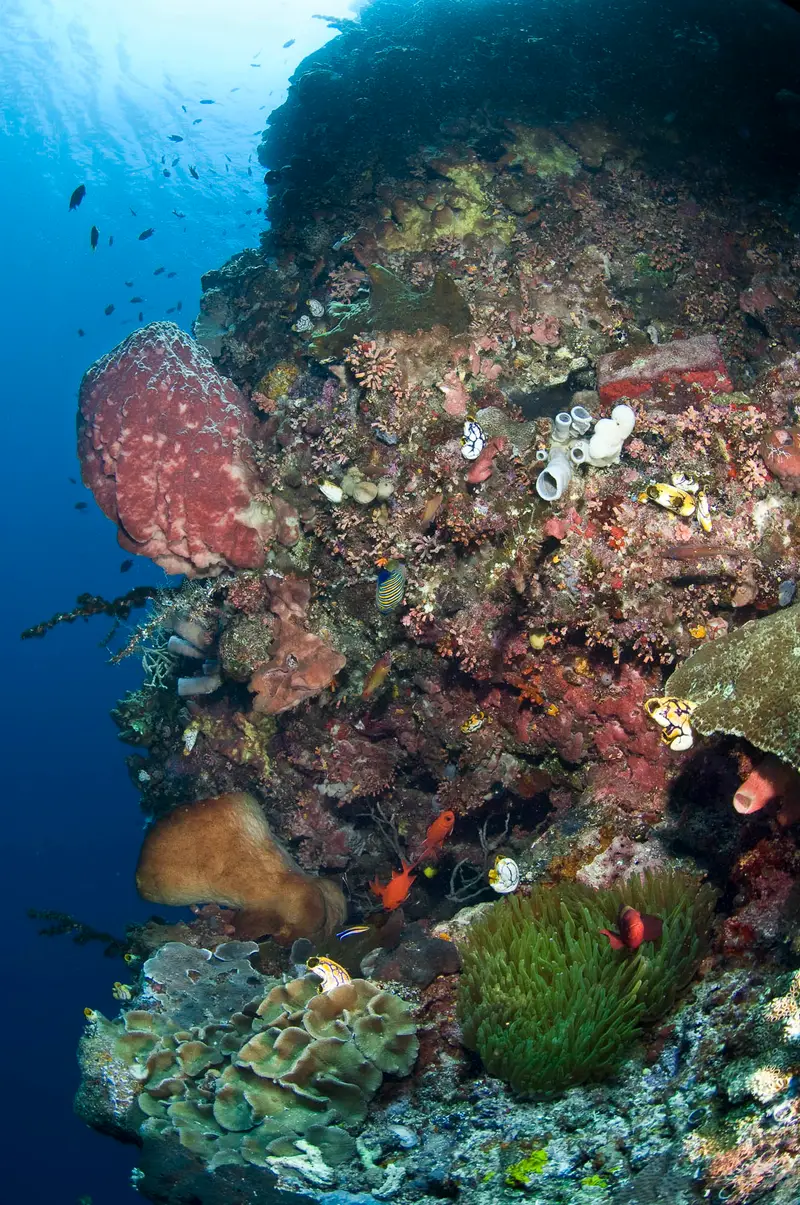
Nudi Falls (Lembeh Strait)
lembeh seadragon · pontoh's pygmy seahorse · harlequin shrimp · rhinopias scorpionfish
What divers say
Bunaken's walls feel infinite. You drift along the top and the reef just falls away below you forever.
Good to know
Combine trips
Most divers pair Bunaken with Lembeh's muck diving — opposite sides of the same peninsula.