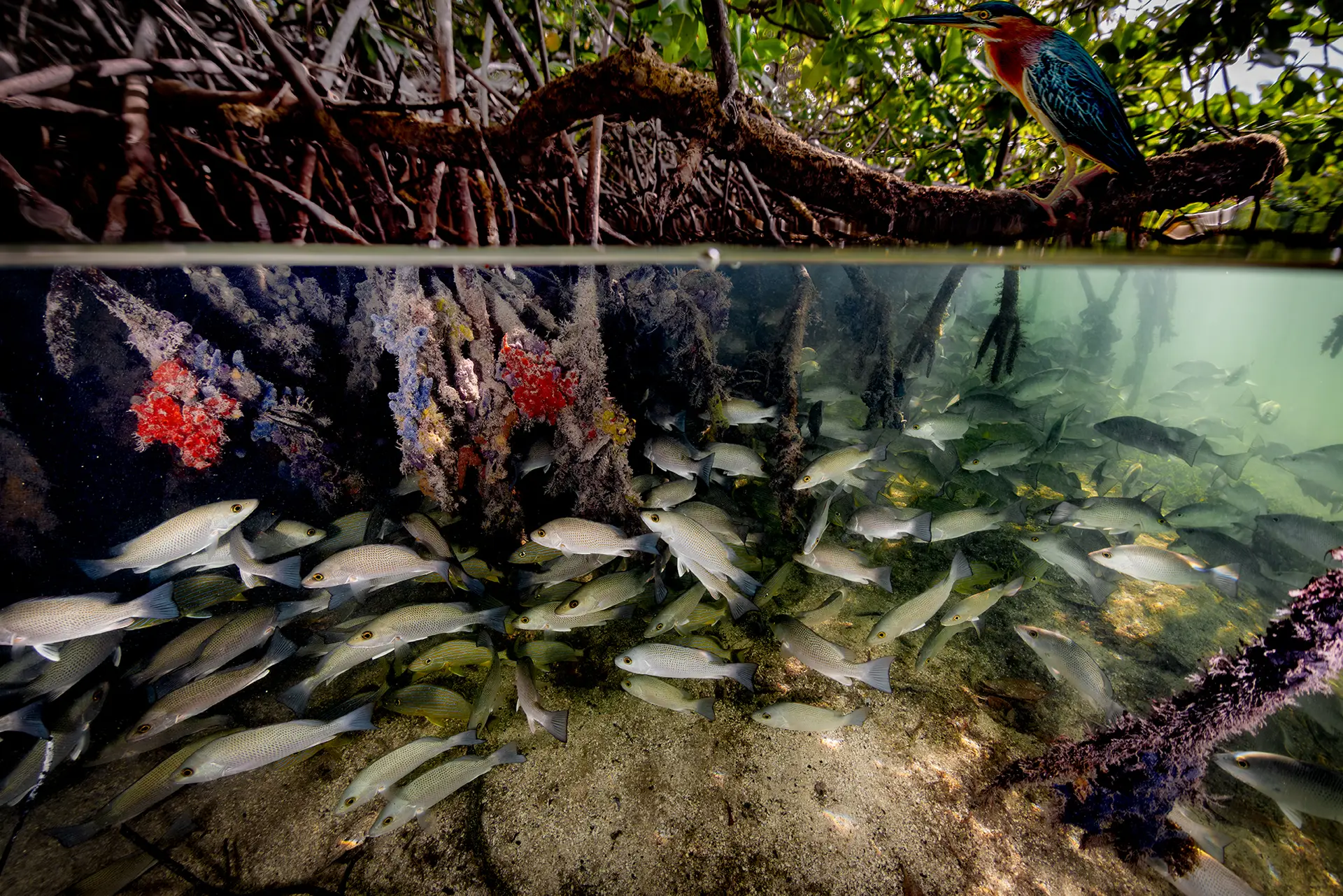
Coiba National Park
Panama · Eastern Pacific
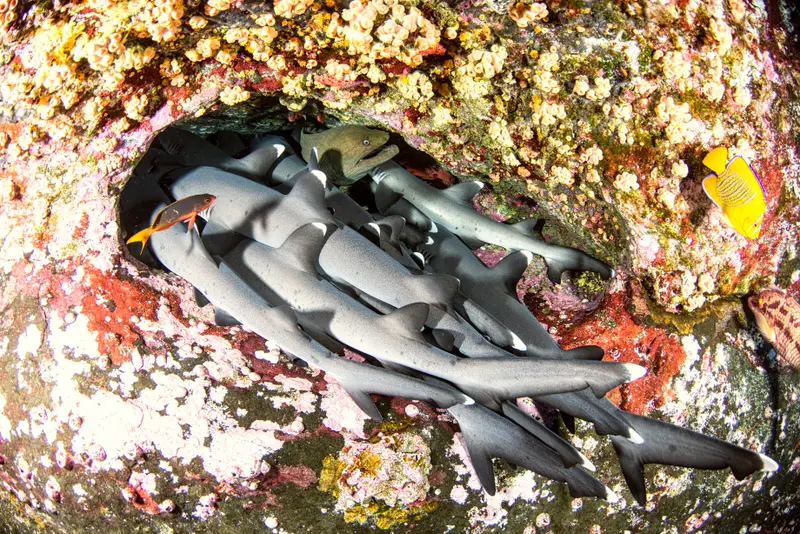
Coiba National Park off Panama's Pacific coast is a UNESCO World Heritage site — schooling hammerheads, white tip aggregations, mantas, and the occasional whale shark. Liveaboard or land based, but logistics are real.
How this reef is doing
ⓘ How we measure thisReef state
MPA archipelago. Pelagics and seamounts more than coral cover.
Coral cover
Fish life
More fish than a healthy reef of its kind.
Heat
Hot enough that coral is bleaching now.
Fishing
Quiet water, and fishing is fully banned here.
Sources · Reef survey · Reef Life Survey · NOAA Coral Reef Watch · Global Fishing Watch and reef gravity
Coral cover over time
Live coral cover, by survey year
Across surveys in 2014 and 2024, live coral cover here has fallen from 32% to 27%. Every point is a real survey reading, never a projection.
Live coral cover, percent by year
| Year | Coral cover |
|---|---|
| 2014 | 32% |
| 2024 | 27% |
What you will see
18 species across the dive sites here
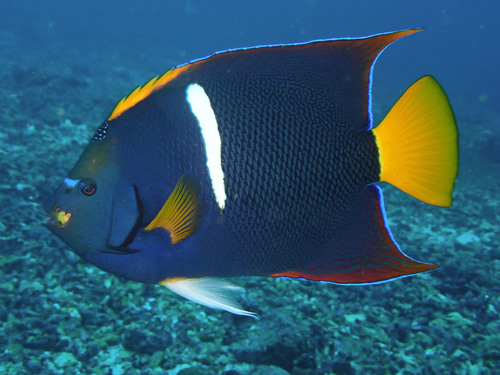
King Angelfish
Seen 3 months ago
at Twin Peaks
Least concern
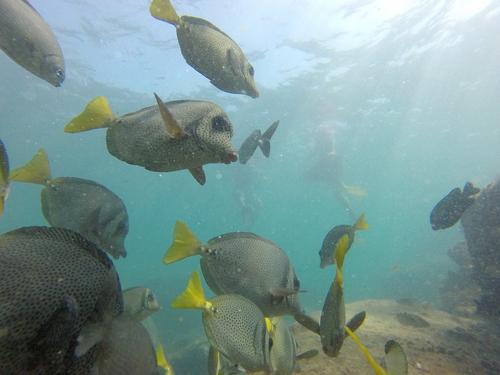
Razor Surgeonfish
Seen 5 months ago
at Twin Peaks
Least concern
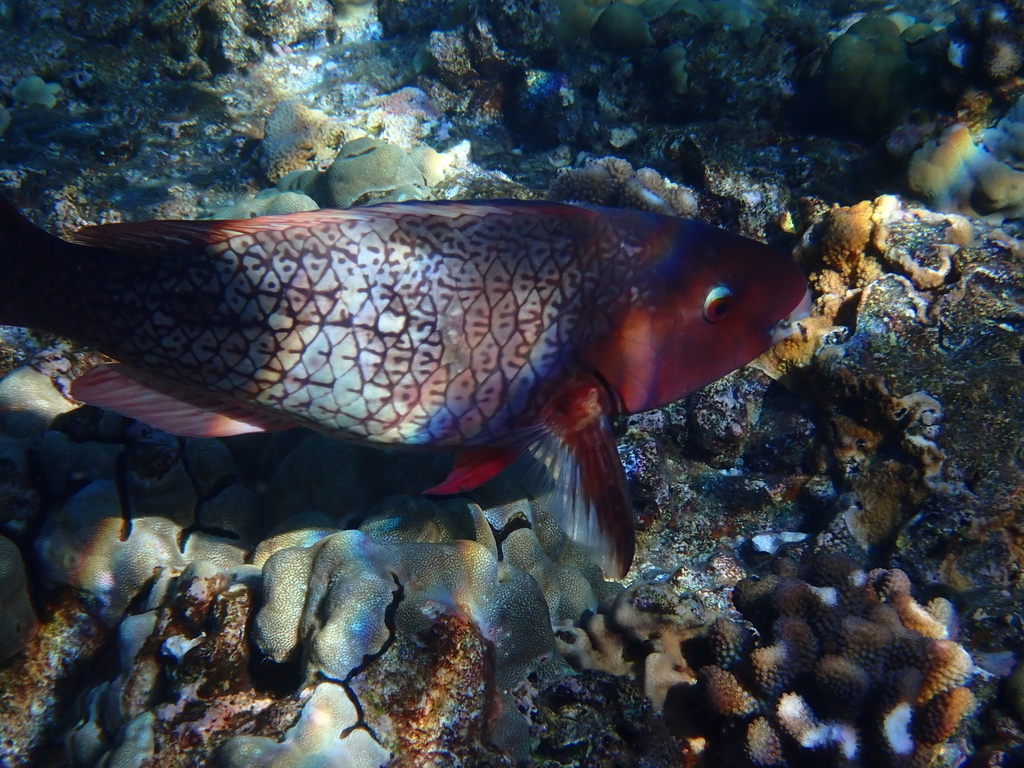
Redlip Parrotfish
Seen 5 months ago
at Twin Peaks
Least concern
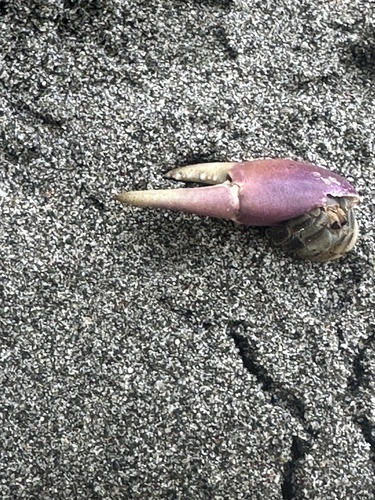
Ecuadorian Hermit Crab
Seen 5 months ago
at Wahoo Rock
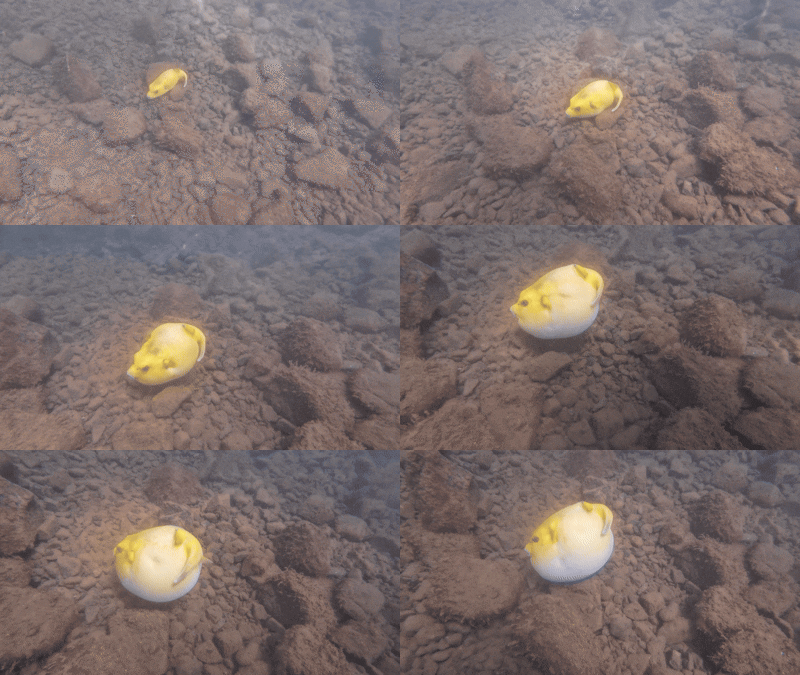
Guineafowl Puffer
Seen 5 months ago
at Twin Peaks
Least concern
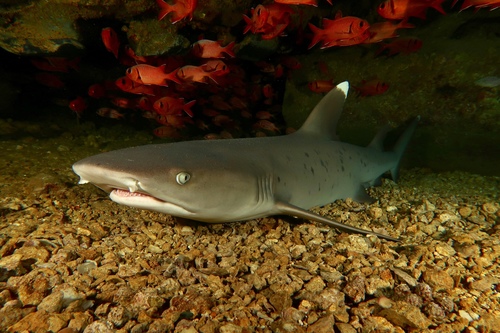
Whitetip reef shark
Seen 5 months ago
at Twin Peaks
Vulnerable
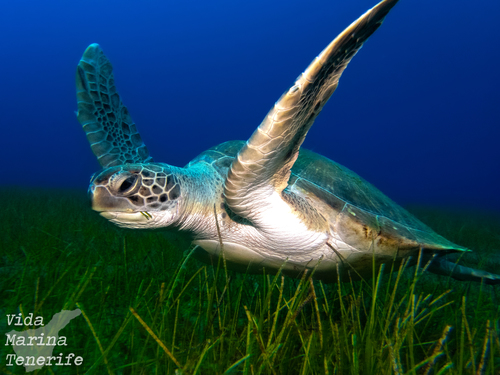
Pacific green turtle
Seen 5 months ago
at Twin Peaks
Least concern
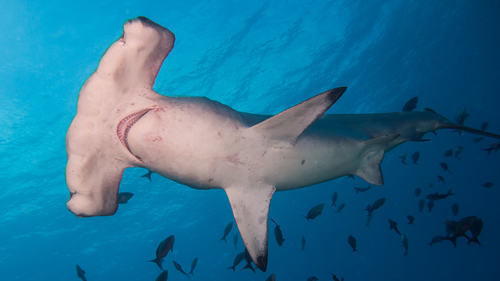
Scalloped hammerhead
Seen 5 months ago
at Wahoo Rock
Critically endangered
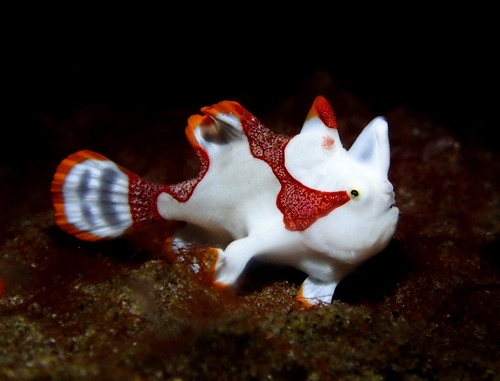
Frogfish
Seen 7 months ago
at Twin Peaks
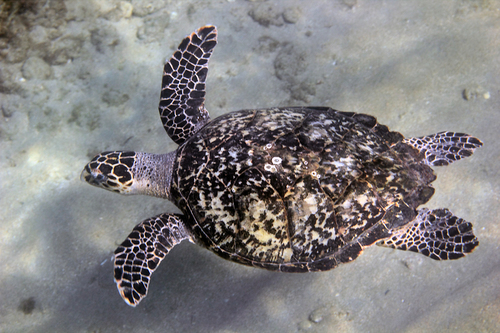
Hawksbill Sea Turtle
Seen 7 months ago
at Wahoo Rock
Critically endangered
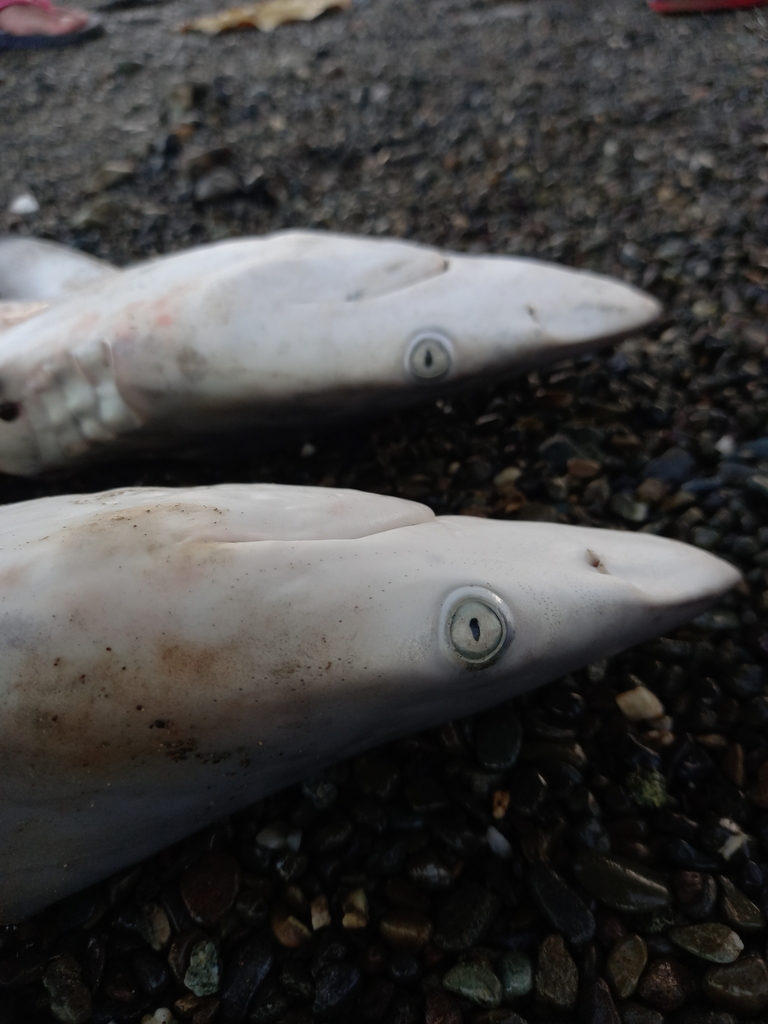
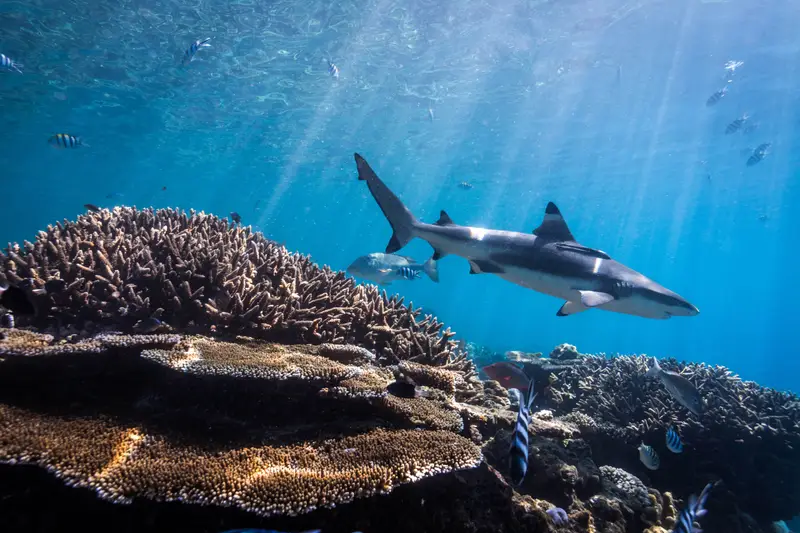
Blacktip shark
Seen year round
at Hannibal Bank
Vulnerable
Schooling snapper
Seen year round
at Twin Peaks
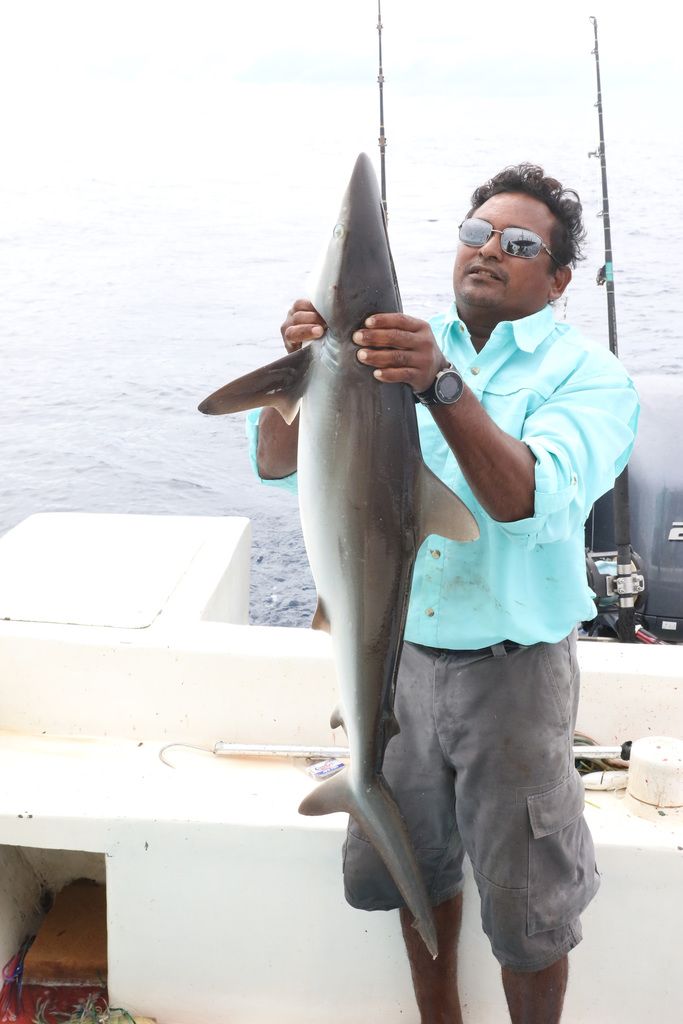
Silky shark
Seen year round
at Hannibal Bank
Vulnerable

Yellowfin tuna
Seen year round
at Hannibal Bank
Least concern
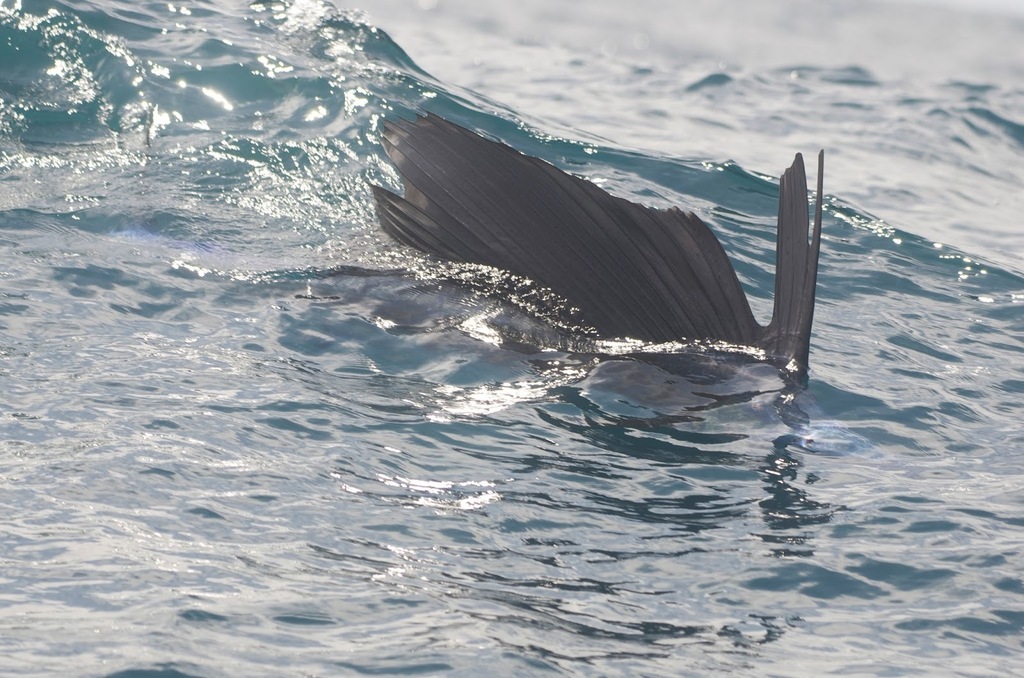
Pacific sailfish
Seasonal visitor
at Hannibal Bank
Vulnerable
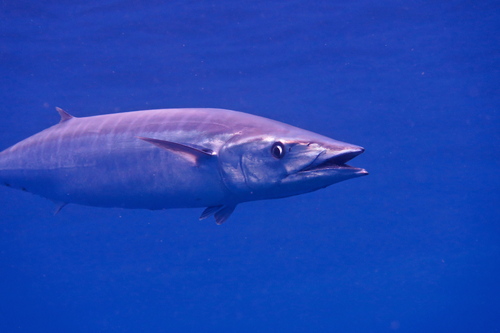
Wahoo
Seasonal visitor
at Wahoo Rock
Least concern
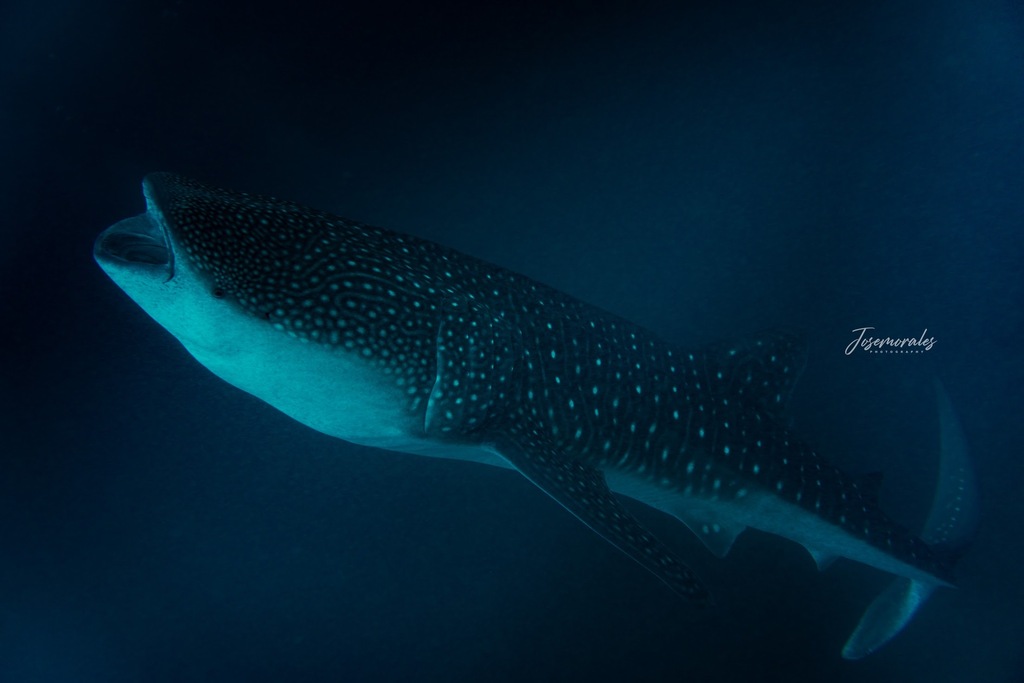
Whale shark
Seasonal visitor
at Hannibal Bank
Endangered
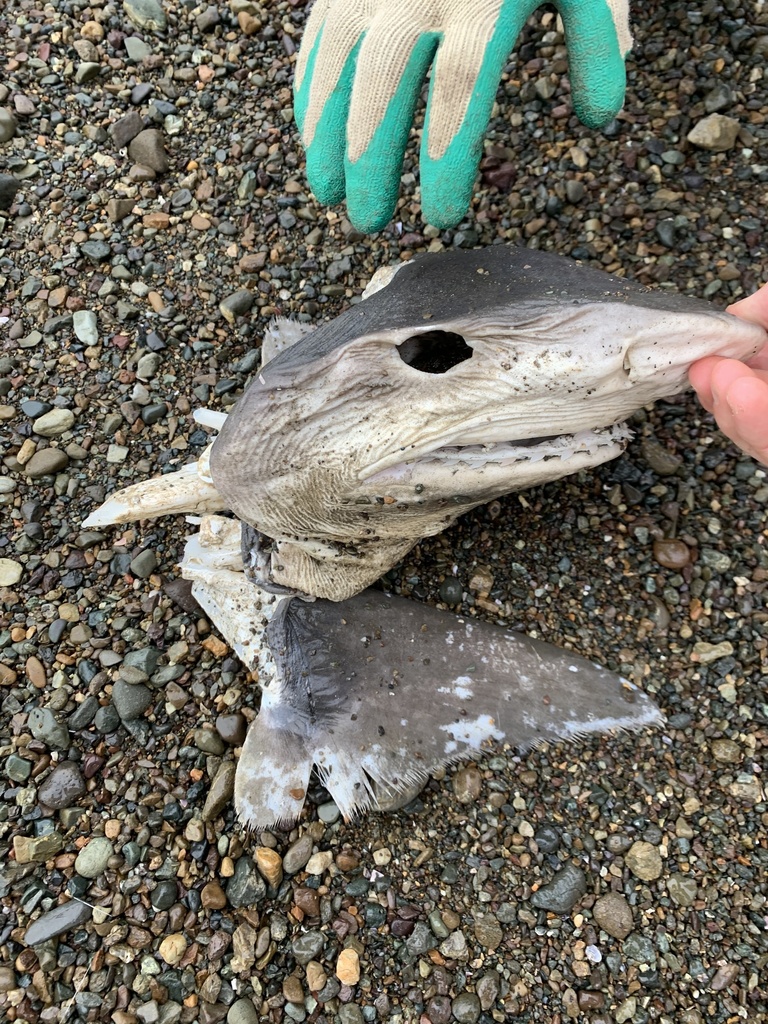
Tiger shark
Rare sighting
at Hannibal Bank
Near threatened
Dive sites
What divers say
Coiba is what Cocos was before Cocos got famous. Still empty in the water.
Good to know
Park fees
Daily park entry fee, usually included by ops.