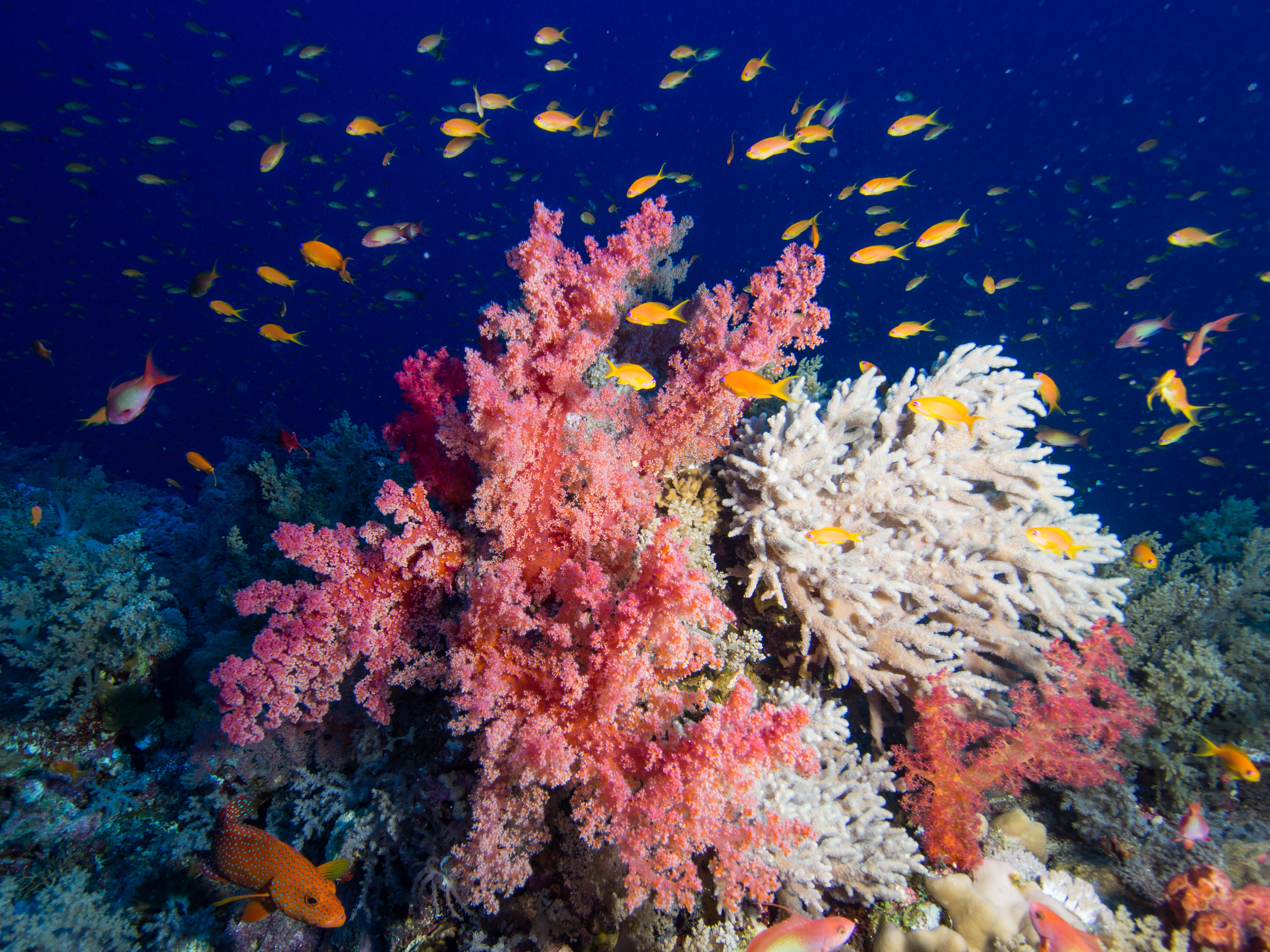
Dahlak Archipelago
Eritrea · Red Sea
The Dahlak Archipelago off Eritrea's coast is one of the Red Sea's least dived corners — over 100 islands, virtually no infrastructure, and reefs that haven't seen recreational divers for decades. More of an expedition than a vacation.
How this reef is doing
ⓘ How we measure thisReef state
Remote southern Red Sea archipelago. Limited monitoring data but anecdotal reports describe healthy hard coral cover.
Coral cover
Fish life
Heat
Hot enough that coral is bleaching now.
Fishing
Some fishing is allowed here, in marked zones.
Sources · GCRMN reef surveys · NOAA Coral Reef Watch · Global Fishing Watch and reef gravity
Coral cover over time
Live coral cover, by survey year
Across surveys in 2014 and 2024, live coral cover here has fallen from 40% to 39%. Every point is a real survey reading, never a projection.
Live coral cover, percent by year
| Year | Coral cover |
|---|---|
| 2014 | 40% |
| 2024 | 39% |
What you will see
16 species across the dive sites here
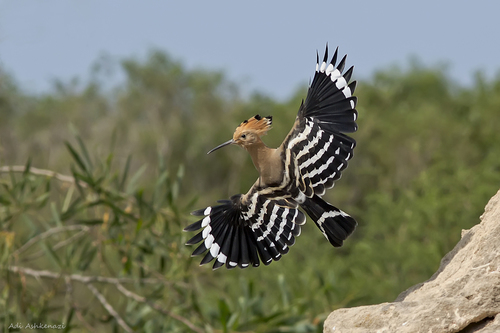
Common Hoopoe
Seen 6 months ago
at Dissei Island Reef
Least concern
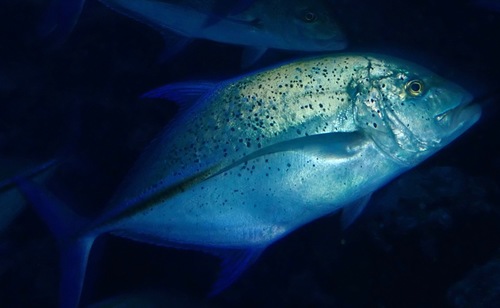
Bluefin Trevally
Seen year round
at Dhalak Bank
Least concern
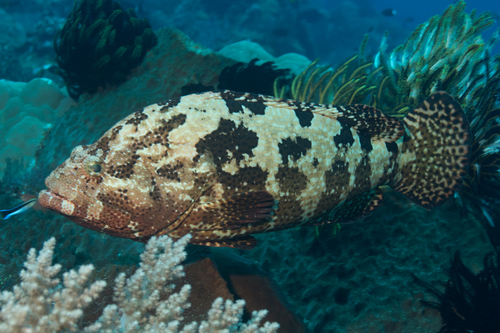
Brownmarbled Grouper
Seen year round
at Dhalak Bank
Vulnerable
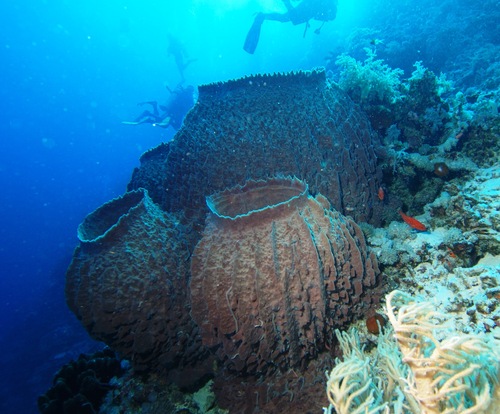
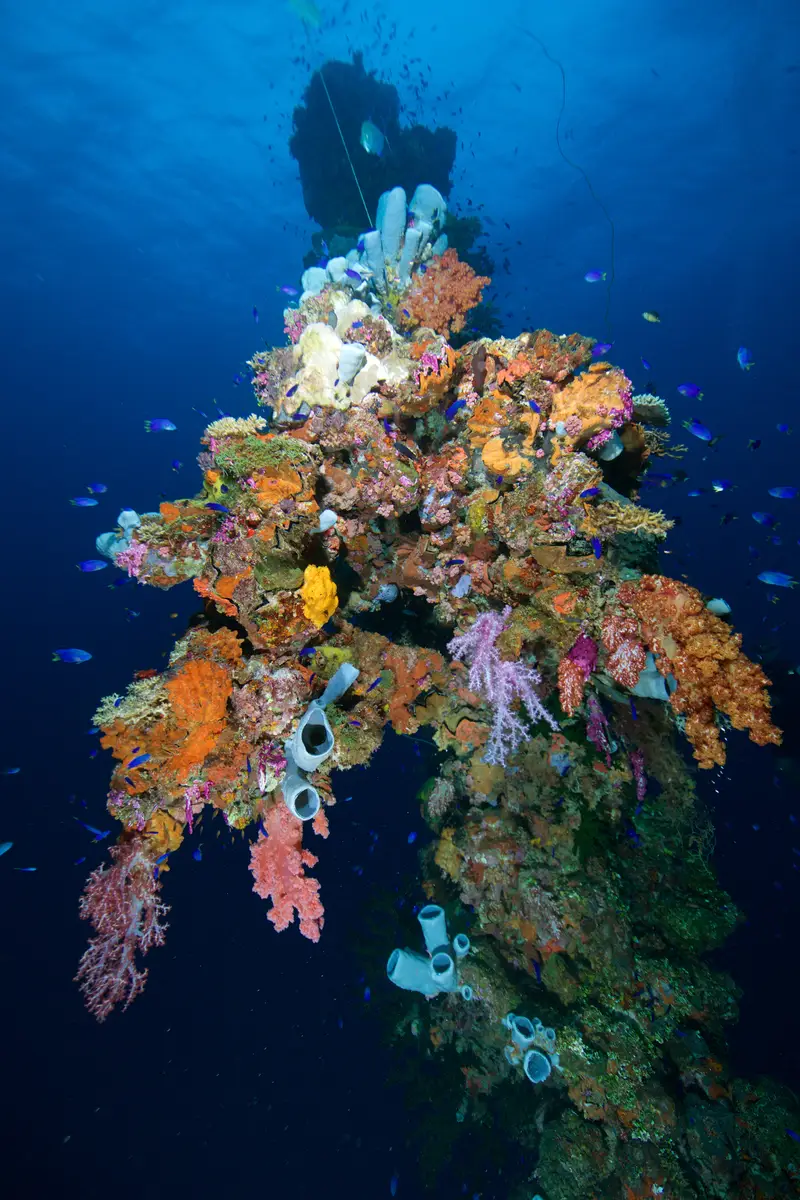
Giant Barrel Sponge
Seen year round
at Hawakil Bay Wall
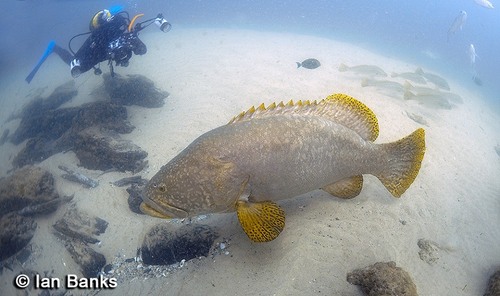
Giant Grouper
Seen year round
at Dhalak Bank
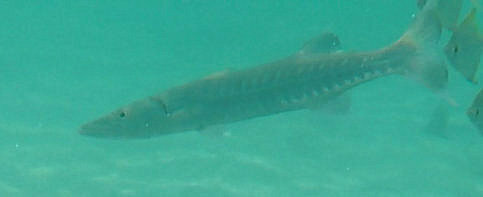
Great Barracuda
Seen year round
at Hawakil Bay Wall
Least concern
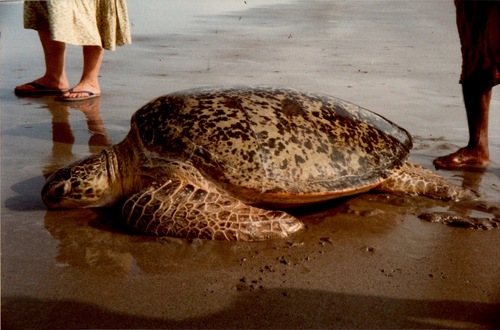
Green Sea Turtle
Seen year round
at Dhalak Bank
Least concern
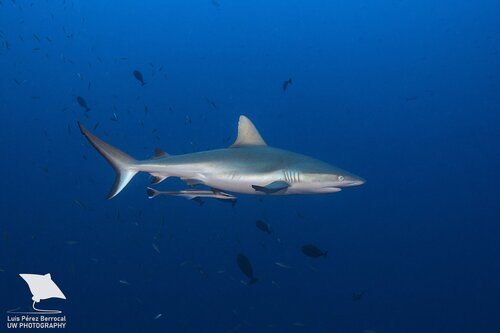
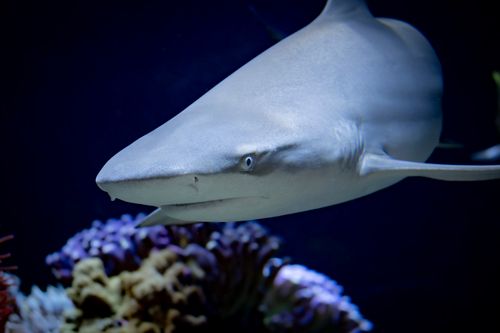
Grey Reef Shark
Seen year round
at Dhalak Bank
Endangered
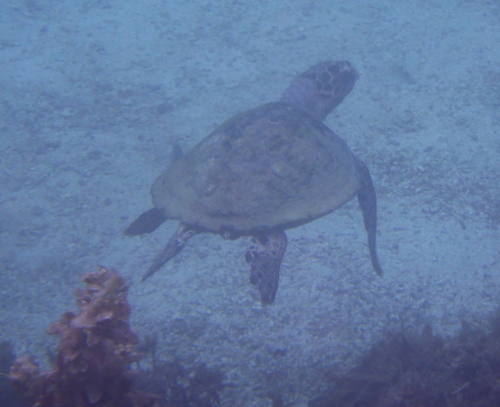
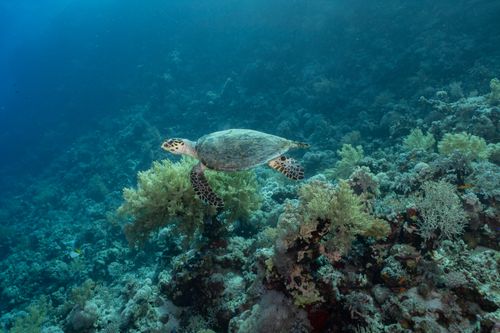
Hawksbill Sea Turtle
Seen year round
at Dissei Island Reef
Critically endangered
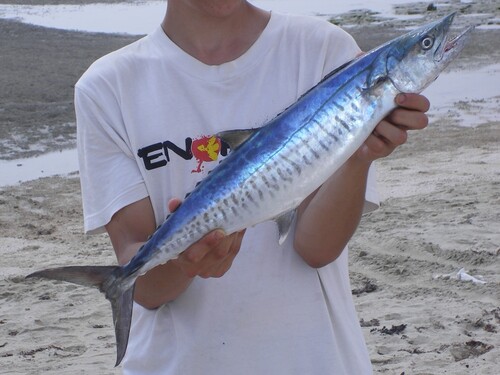
Kingfish
Seen year round
at Dhalak Bank
Near threatened
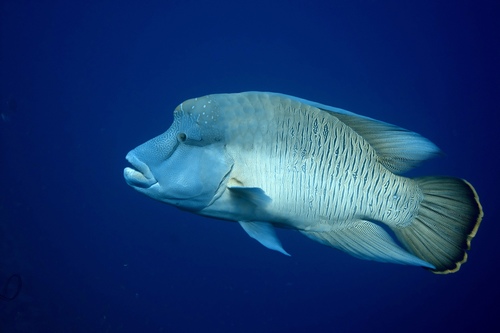
Napoleon Wrasse
Seen year round
at Dhalak Bank
Endangered
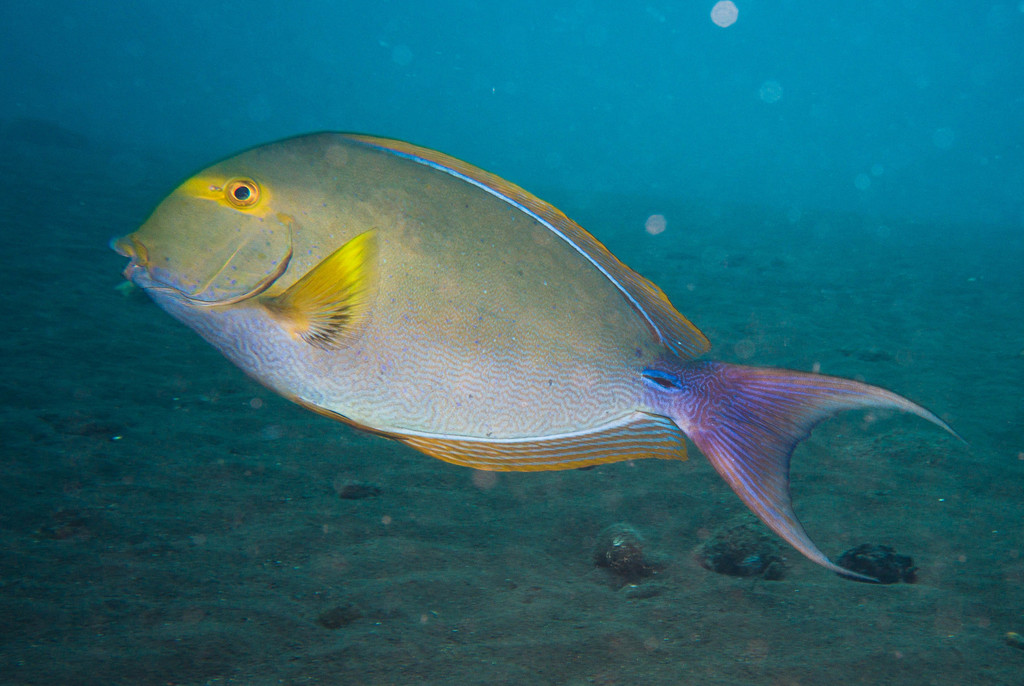
Yellowfin Surgeonfish
Seen year round
at Hawakil Bay Wall
Least concern
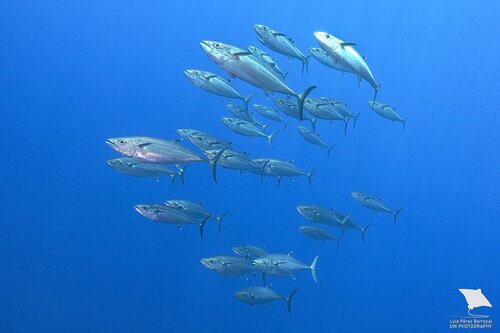
Dogtooth Tuna
Seasonal visitor
at Hawakil Bay Wall
Least concern
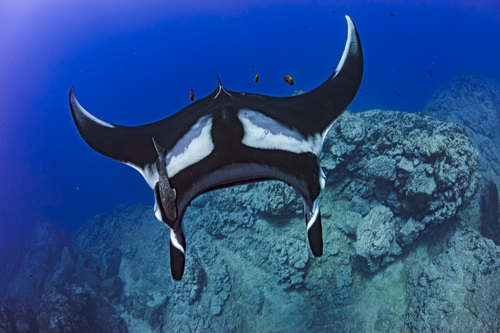
Manta Ray
Seasonal visitor
at Dhalak Bank
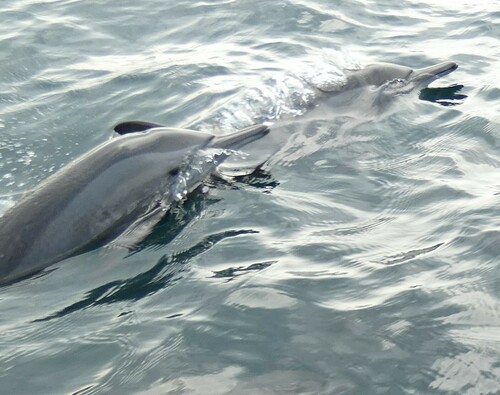
Spinner Dolphin
Seasonal visitor
at Dissei Island Reef
Least concern
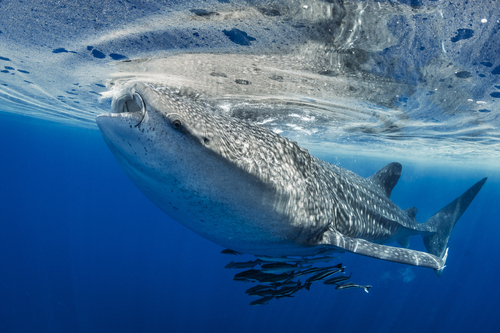
Whale Shark
Rare sighting
at Dissei Island Reef
Endangered
Dive sites
What divers say
We were probably the first divers on at least three of the sites we hit. That's almost impossible to find now.
Good to know
Visa
Eritrean visa required and slow to obtain.
Limited departures
Only a handful of trips per year operate. Book through specialty operators.