Gozo
Malta · Mediterranean
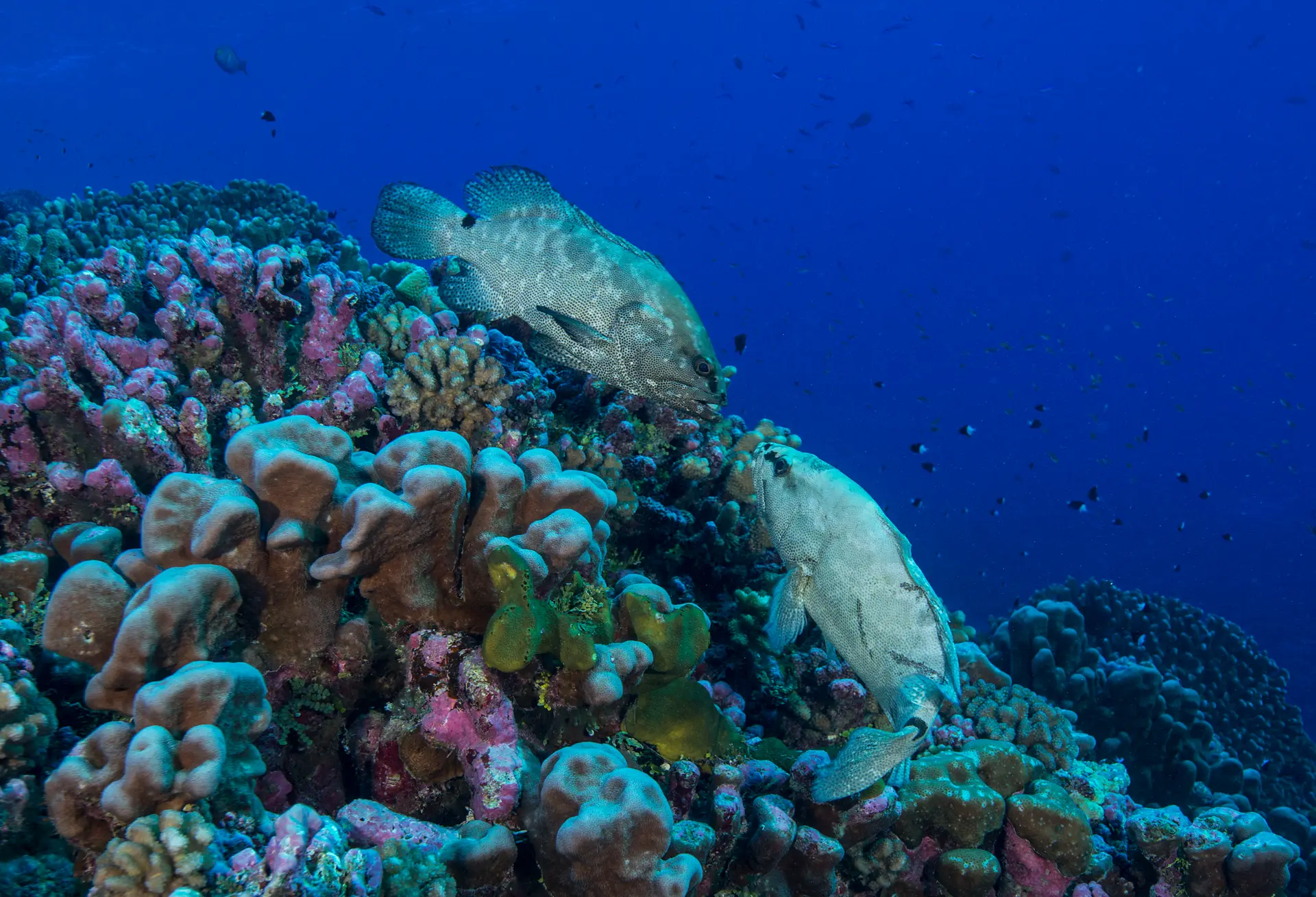
Gozo (Malta's smaller sister island) is the Mediterranean's best shore diving — limestone caves, blue holes, dramatic arches (the now collapsed Azure Window's underwater remains), and the Inland Sea swim through.
How this reef is doing
ⓘ How we measure thisReef state
Limestone caves, archways, and wrecks. Reef ecology is sponge and gorgonian — coral cover not the right framing.
Coral cover
Fish life
Heat
Warmer than usual right now, but not hot enough to bleach.
Fishing
Protected on paper, but boats are still busy nearby.
Sources · Reef survey · NOAA Coral Reef Watch · Global Fishing Watch and reef gravity
Coral cover over time
Live coral cover, by survey year
Across surveys in 2014 and 2024, live coral cover here has held steady at about 12%. Every point is a real survey reading, never a projection.
Live coral cover, percent by year
| Year | Coral cover |
|---|---|
| 2014 | 12% |
| 2024 | 12% |
What you will see
37 species across the dive sites here
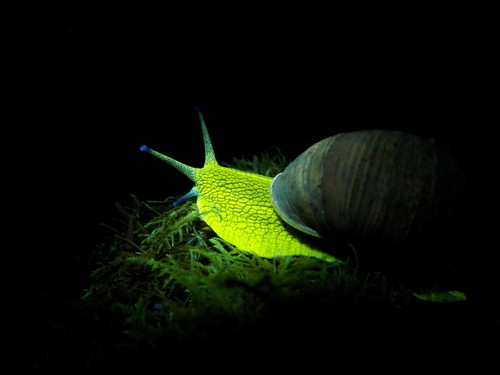
Garden Snail
Seen 3 months ago
at Um El Faroud Wreck
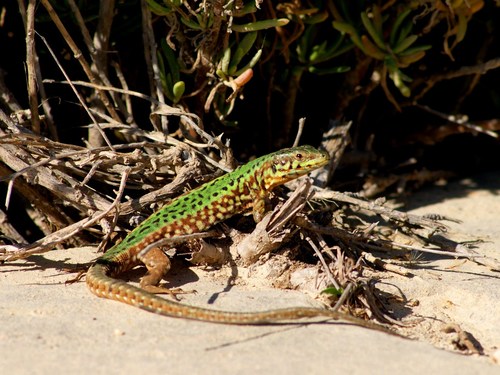
Filfola Lizard
Seen 3 months ago
at Um El Faroud Wreck
Least concern
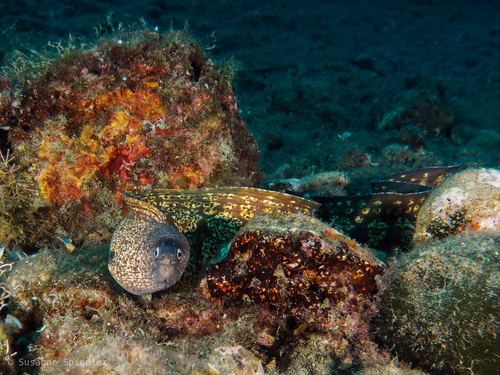
Mediterranean Moray Eel
Seen 3 months ago
at HMS Southwold
Least concern
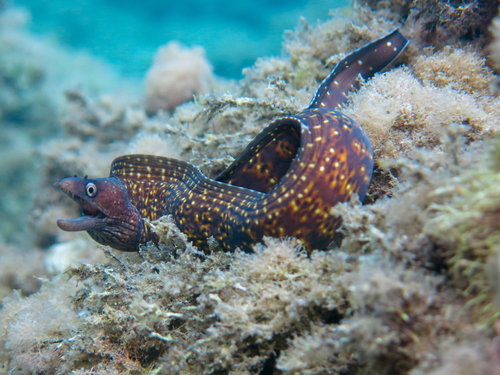
Mediterranean moray
Seen 3 months ago
at Um El Faroud Wreck
Least concern
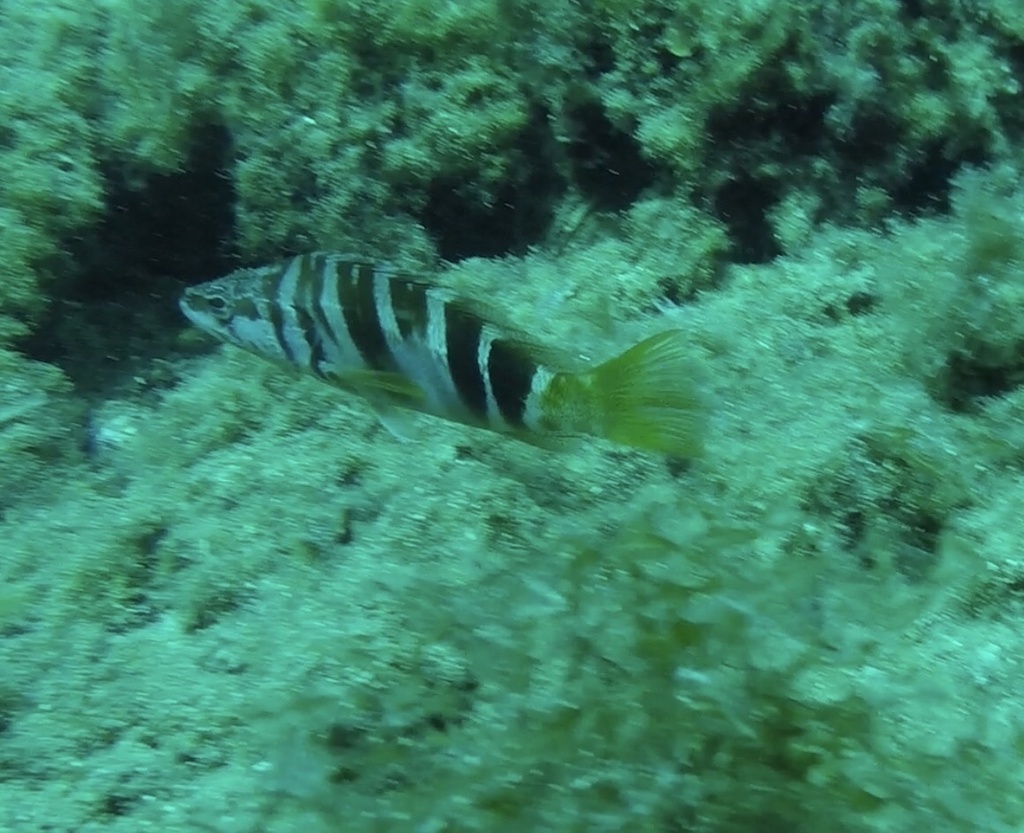
Painted comber
Seen 3 months ago
at MV Karwela
Least concern
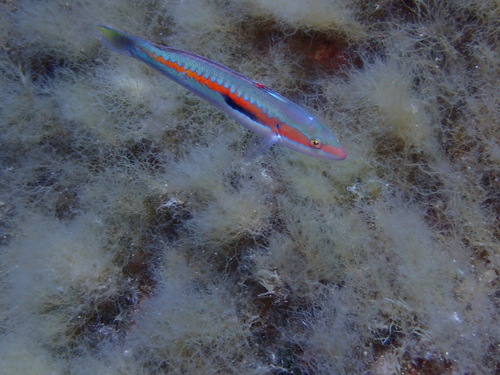
Rainbow wrasse
Seen 3 months ago
at MV Rozi Wreck
Least concern
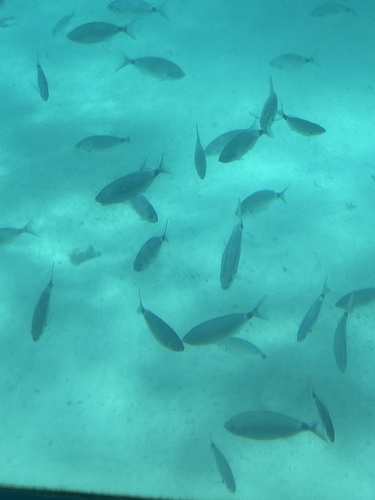
Saddled Bream
Seen 3 months ago
at Cirkewwa Arch
Least concern
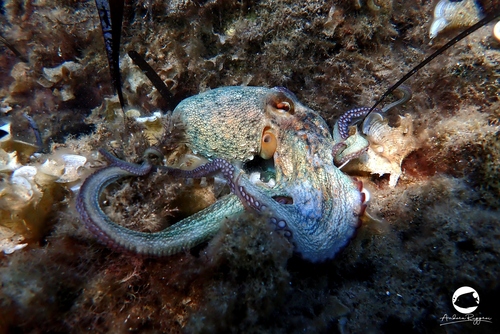
Common octopus
Seen 3 months ago
at Statue of Christ & Imperial Eagle
Least concern
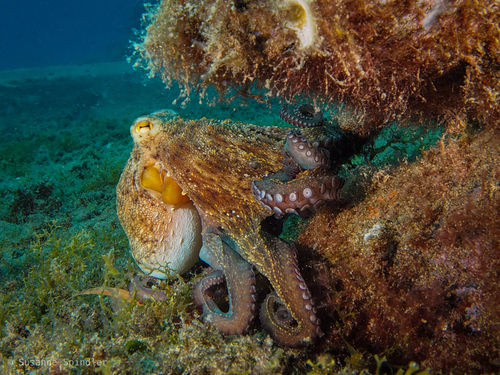
Octopus
Seen 3 months ago
at Blue Hole and Inland Sea
Least concern
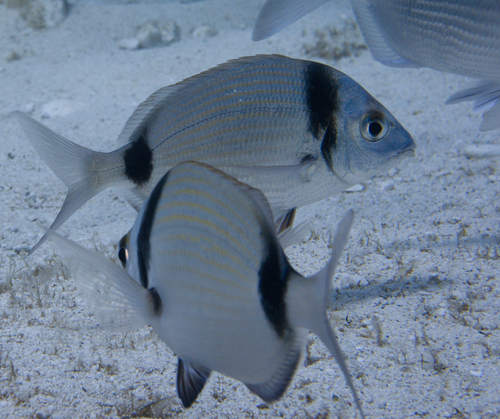
Common two-banded seabream
Seen 3 months ago
at Statue of Christ & Imperial Eagle
Least concern
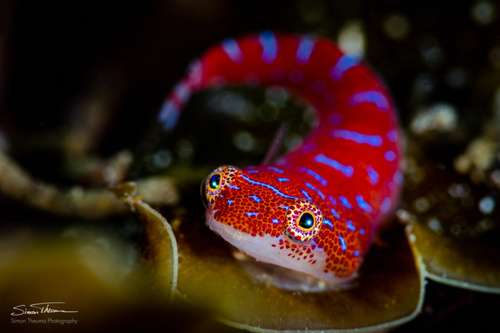
Damselfish
Seen 3 months ago
at MV Karwela
Least concern
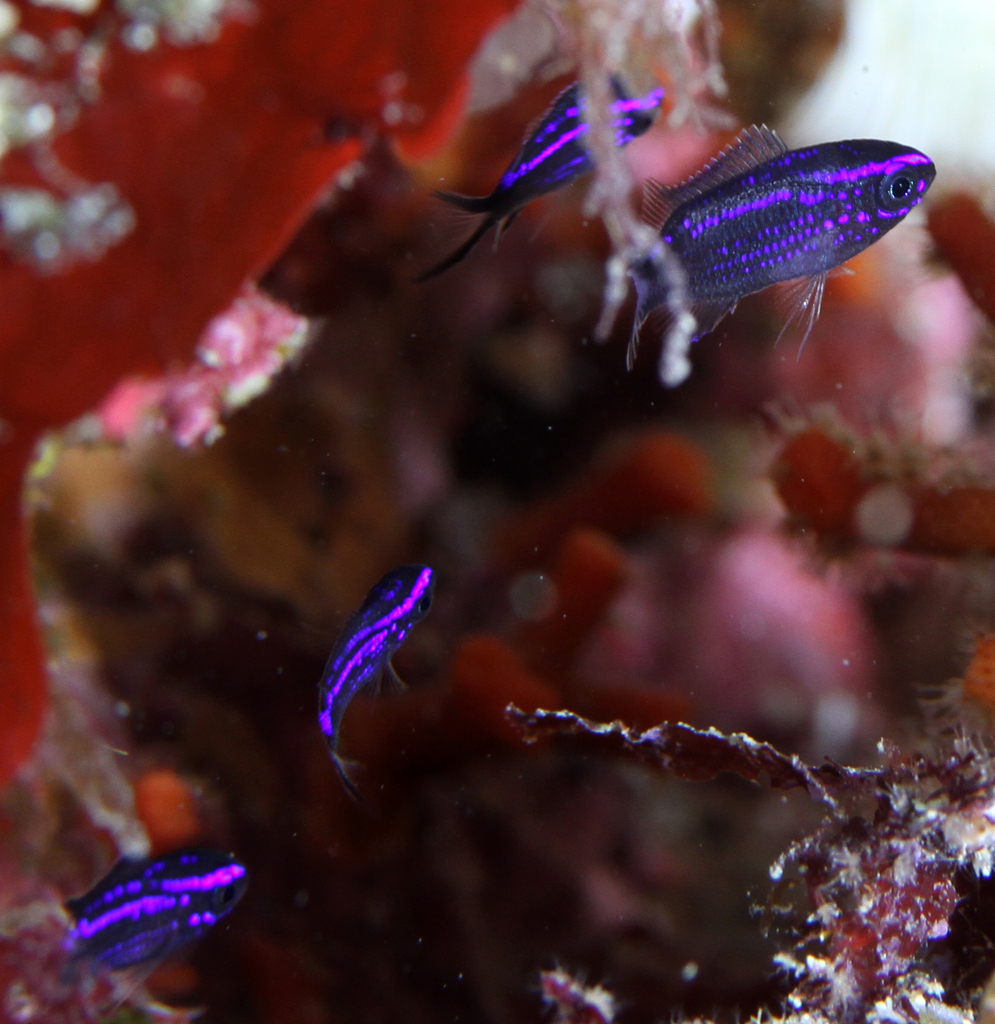
Mediterranean Damselfish
Seen 3 months ago
at Ghar Qawqla
Least concern
Moray Eel
Seen 3 months ago
at Blue Hole Gozo
Least concern
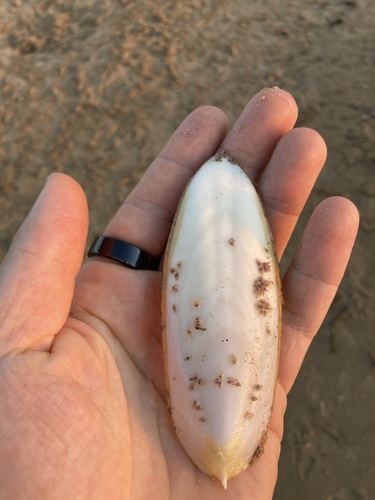
Common cuttlefish
Seen 4 months ago
at HMS Maori
Least concern
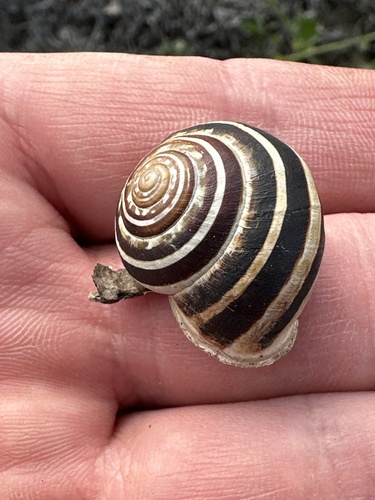
Chocolate-Band Snail
Seen 4 months ago
at Blue Hole and Inland Sea
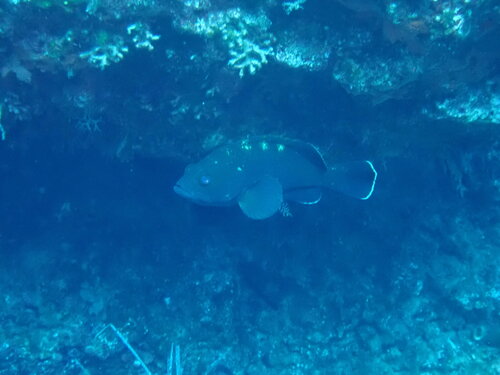
Dusky grouper
Seen 4 months ago
at Blue Hole Gozo
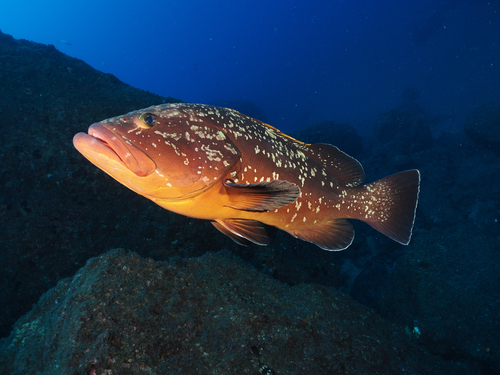
Grouper
Seen 4 months ago
at Azure Window Collapse
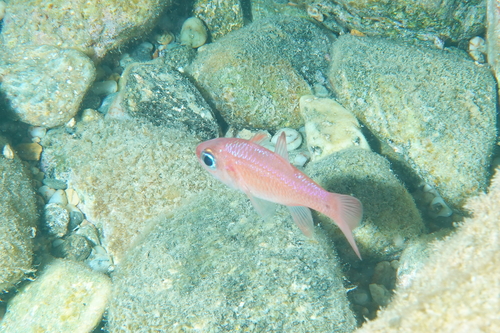
Cardinalfish
Seen 4 months ago
at MV Rozi Wreck
Least concern
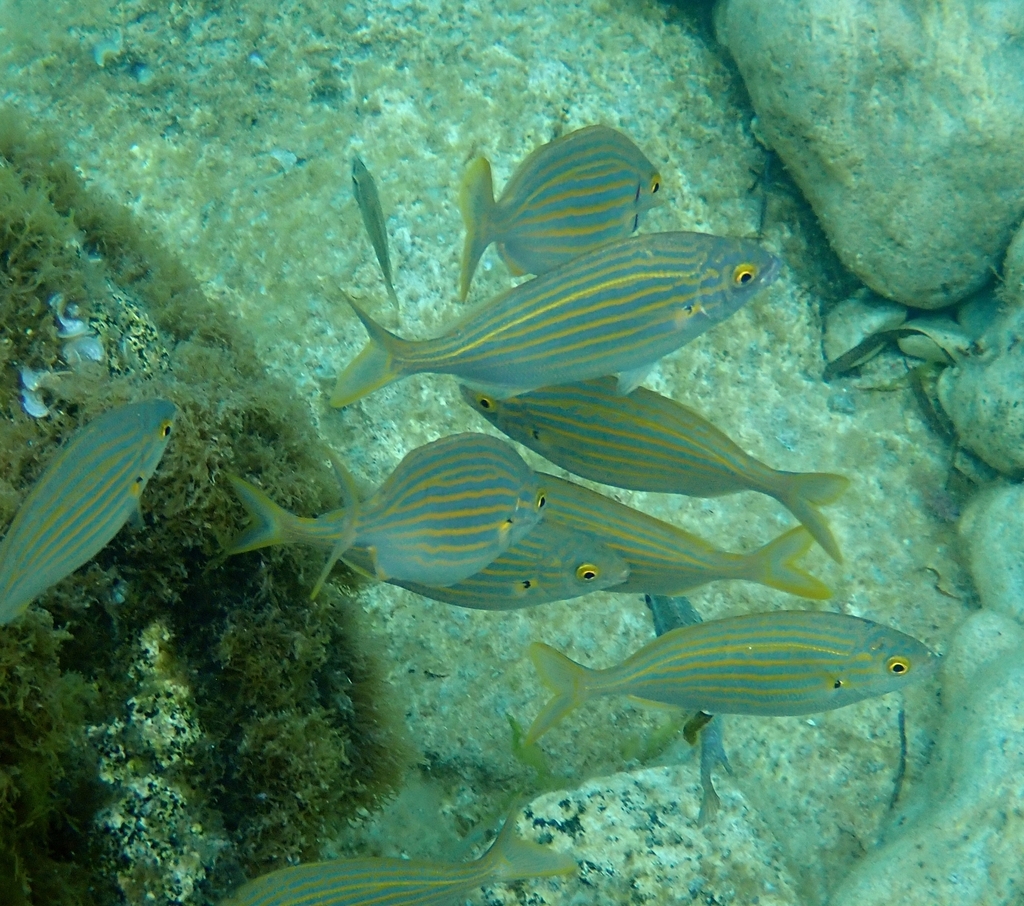
Salema
Seen 4 months ago
at HMS Maori
Least concern
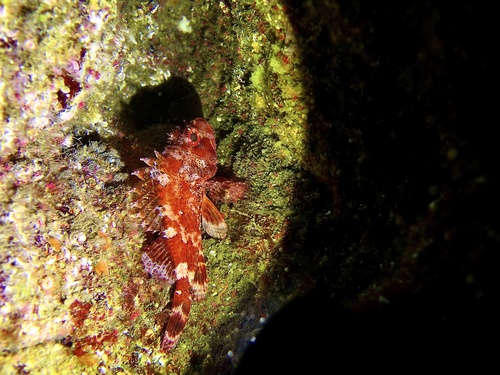
Madeira Scorpionfish
Seen 4 months ago
at Blue Hole Gozo
Least concern
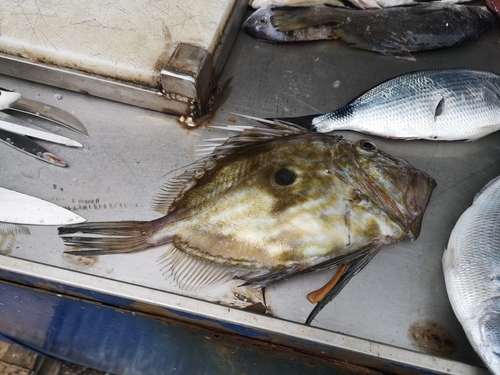
John Dory
Seen 4 months ago
at HMS Russell
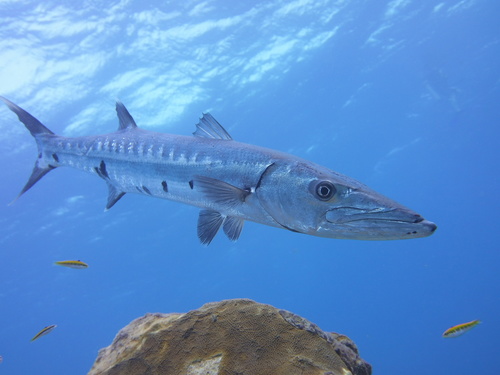
Barracuda
Seen 5 months ago
at MV Karwela
Least concern
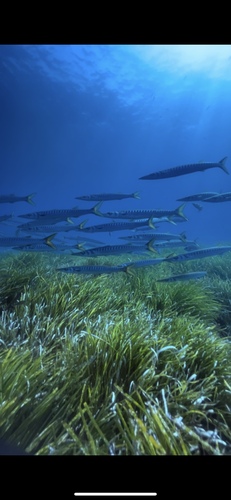
European barracuda
Seen 5 months ago
at Statue of Christ & Imperial Eagle
Least concern
Mediterranean Barracuda
Seen 5 months ago
at Cirkewwa Arch
Least concern
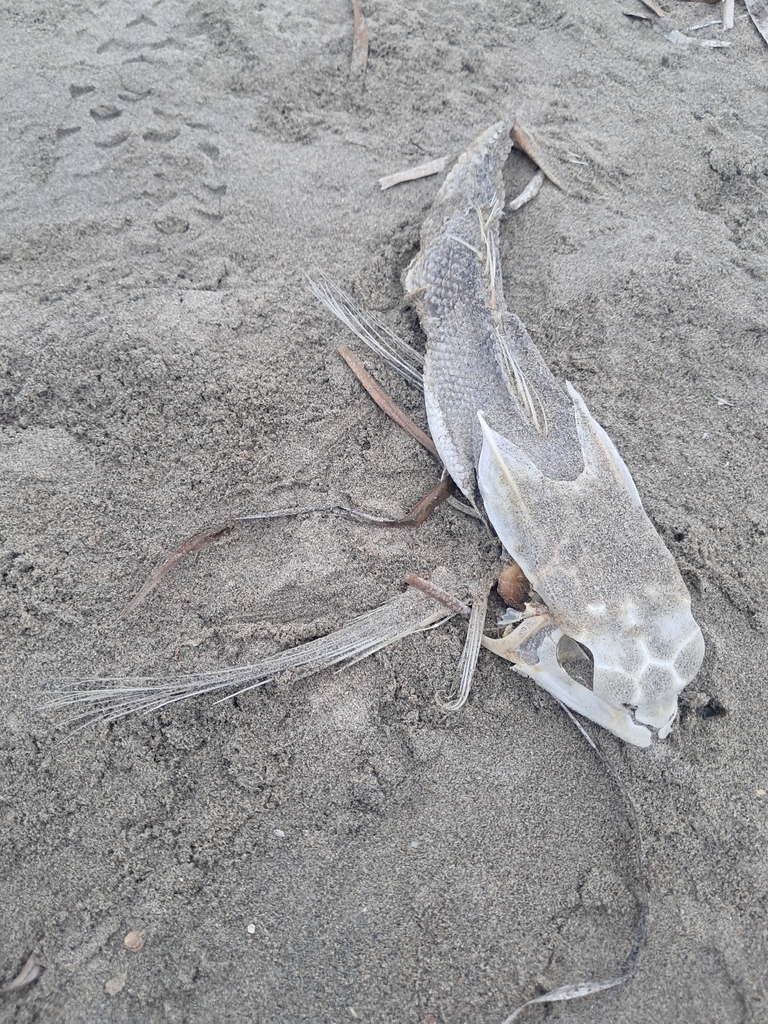
Flying gurnard
Seen 6 months ago
at P29 Patrol Boat
Least concern
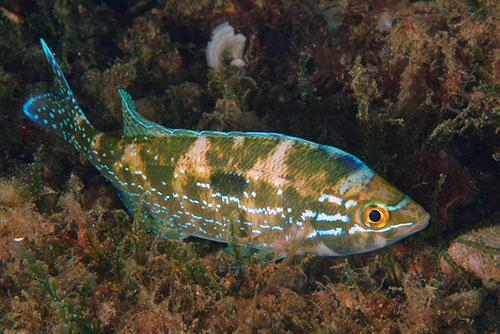
Sea bream
Seen 8 months ago
at MV Rozi Wreck
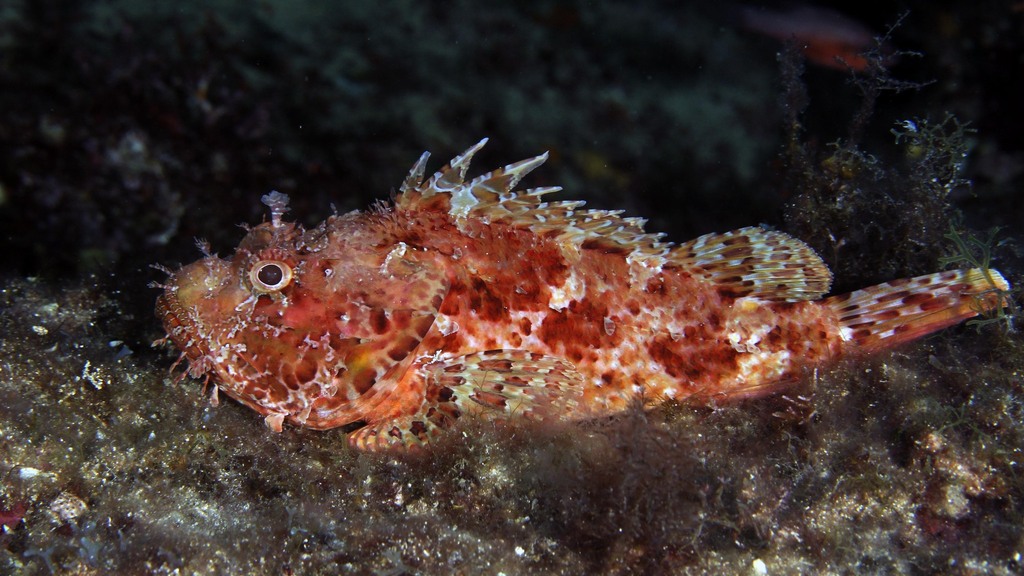
Scorpionfish
Seen Oct 2025
at MV Rozi Wreck
Least concern
Red scorpionfish
Seen Oct 2025
at HMS Maori
Least concern
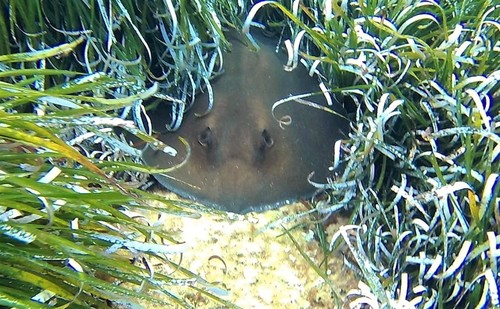
Common stingray
Seen Oct 2025
at P29 Patrol Boat
Vulnerable
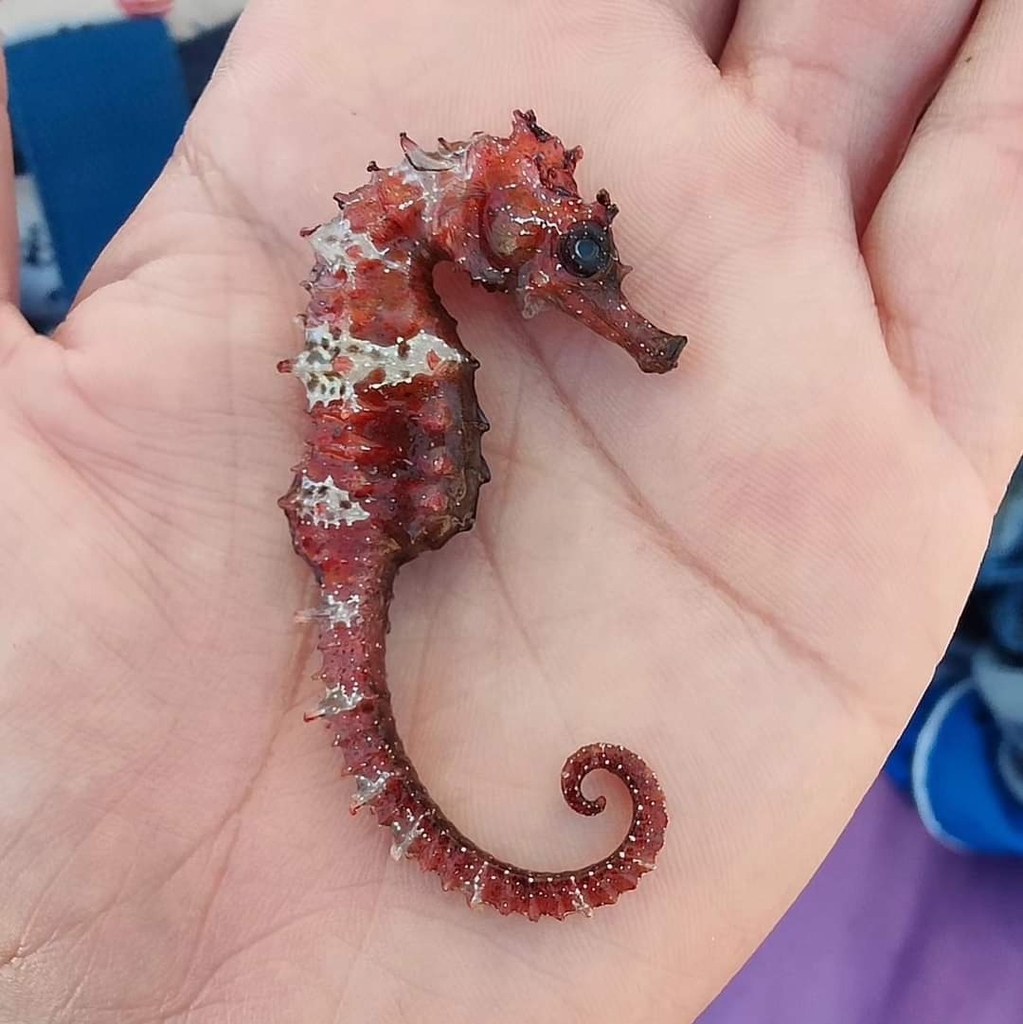
Long-snouted seahorse
Seen Aug 2025
at HMS Maori
Near threatened
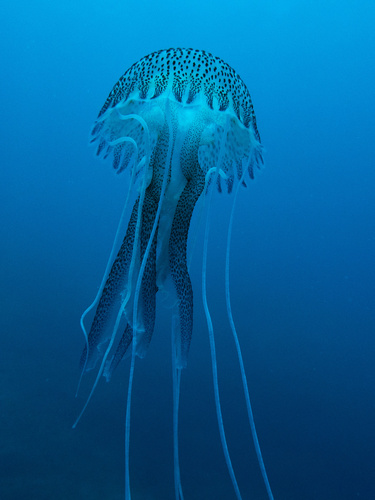
Mauve Stinger
Seen Jan 2025
at Blue Hole Gozo
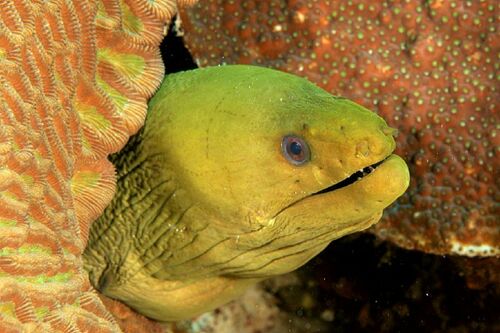
European conger
Seen Oct 2024
at P29 Patrol Boat
Least concern
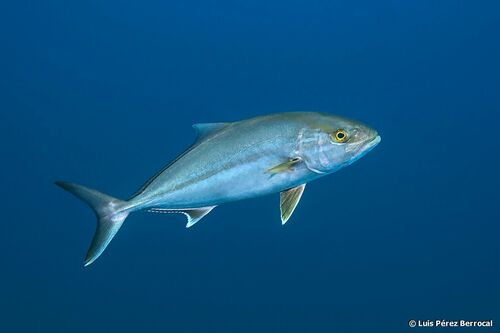
Amberjack
Seen Sep 2024
at Um El Faroud Wreck
Least concern
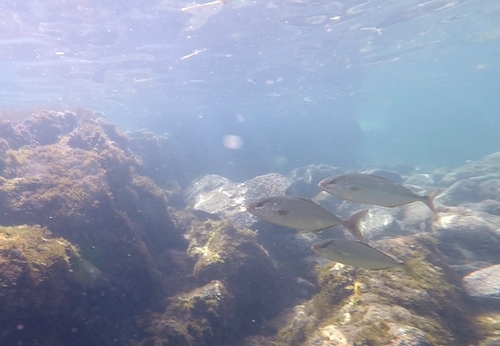
Greater amberjack
Seen Sep 2024
at Statue of Christ & Imperial Eagle
Least concern
Conger Eel
Seen year round
at HMS Russell
Least concern
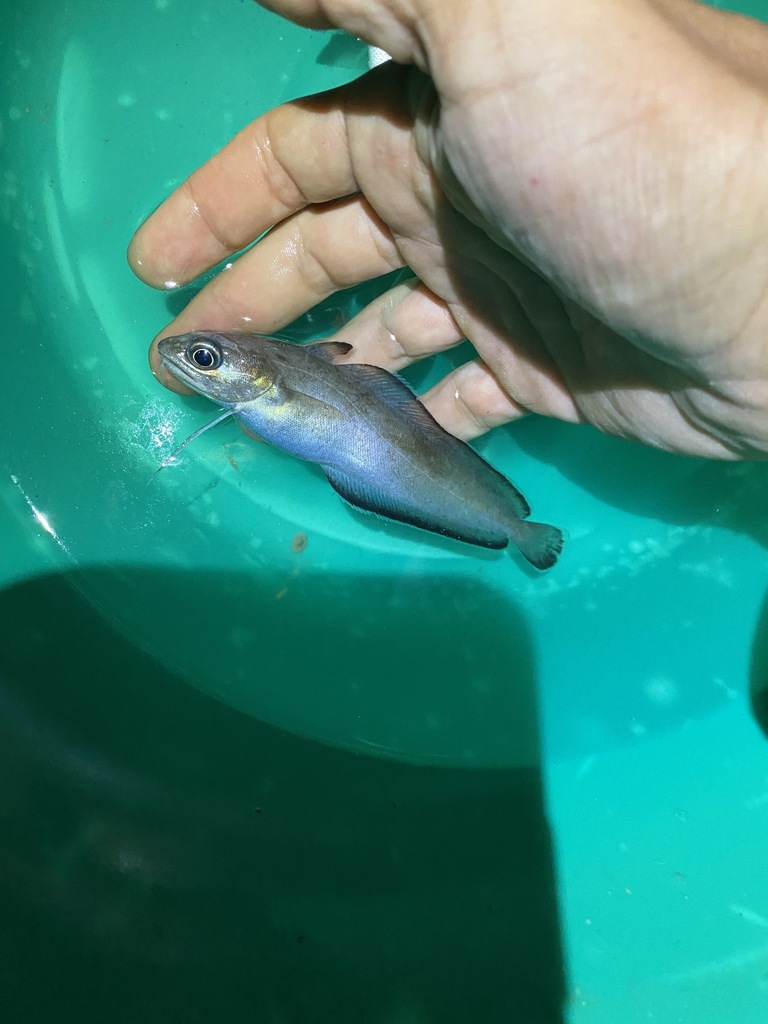
Forkbeard
Seen year round
at HMS Russell
Least concern
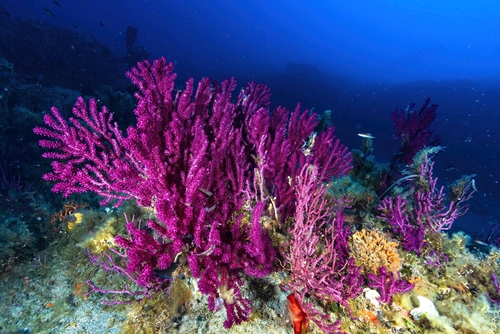
Red Gorgonian
Seen year round
at HMS Russell
Dive sites
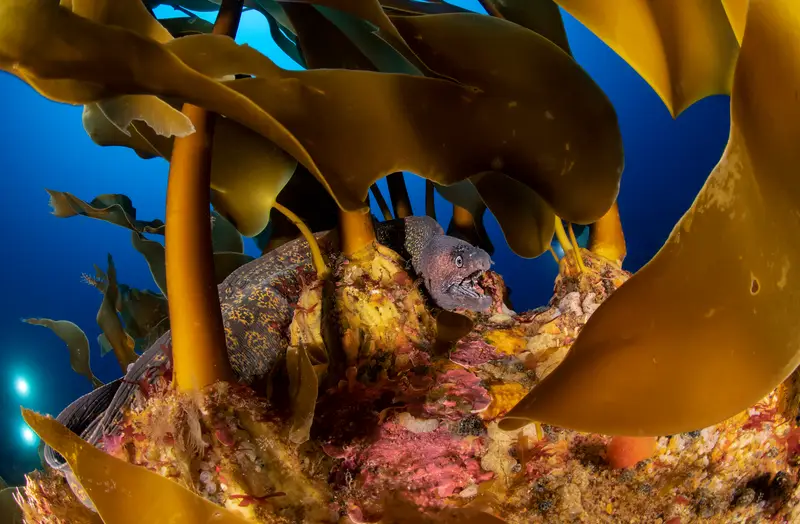
Blue Hole and Inland Sea
octopus · mediterranean moray · damselfish · filfola lizard
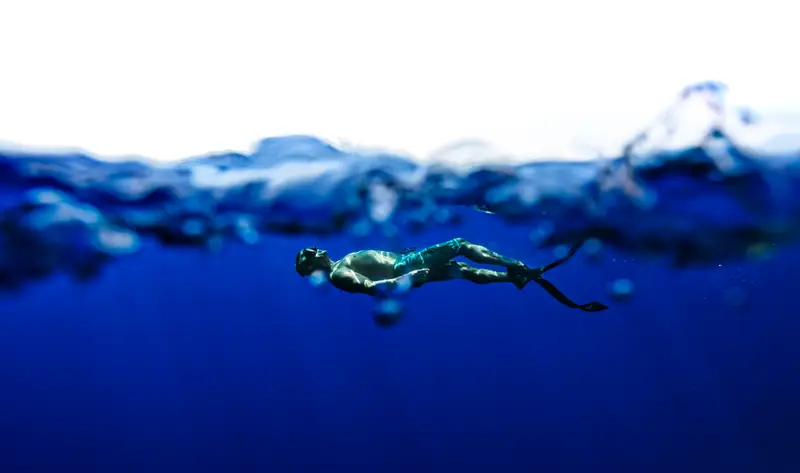
Azure Window Collapse
grouper · mediterranean moray · octopus · filfola lizard
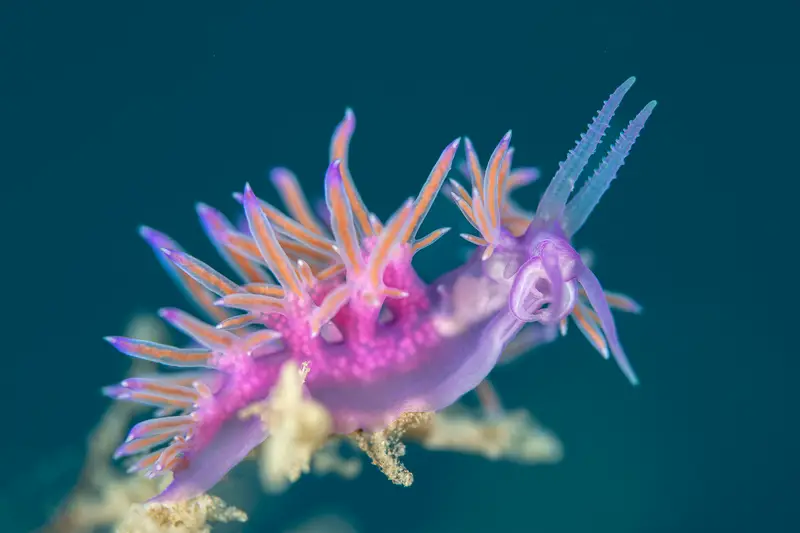
Um El Faroud Wreck
barracuda · amberjack · mediterranean moray · filfola lizard
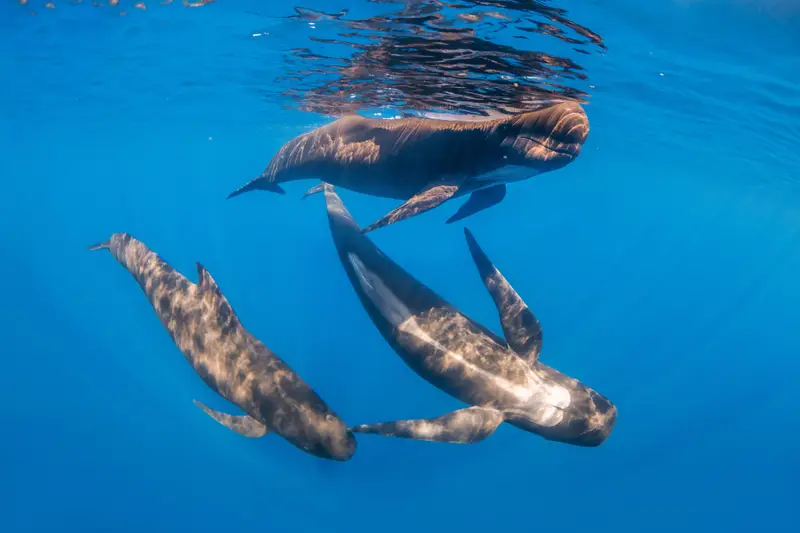
MV Rozi Wreck
sea bream · scorpionfish · rainbow wrasse · cardinalfish
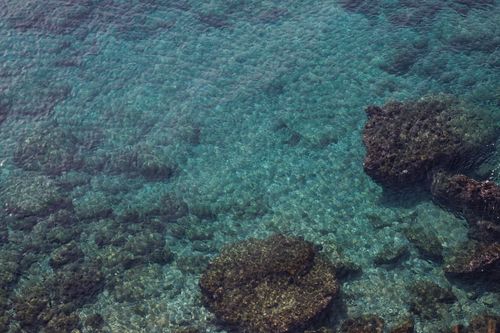
HMS Maori
mediterranean moray · common octopus · salema · cardinalfish
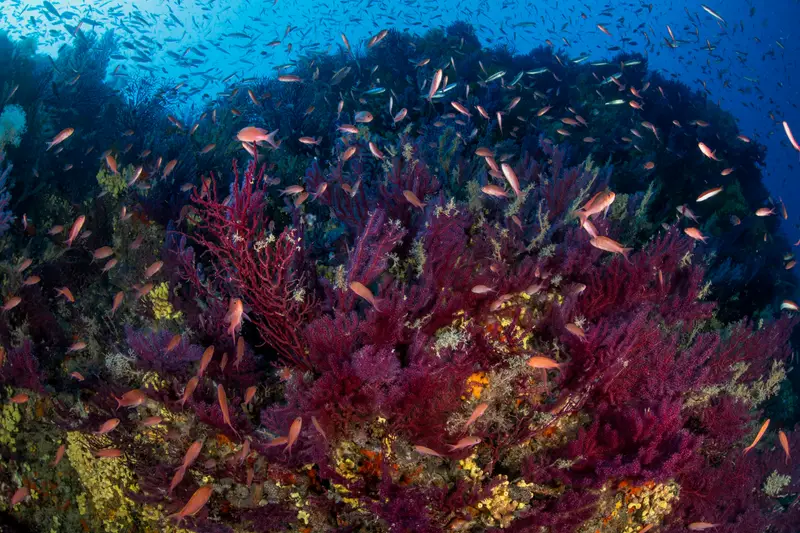
Statue of Christ & Imperial Eagle
dusky grouper · greater amberjack · european barracuda · mediterranean moray
What divers say
Pull up to a roadside parking, walk down stone steps, drop into a 25m blue hole. Gozo does Mediterranean shore diving better than anywhere.
Good to know
Rental car essential
Most sites are roadside; a car makes the whole island accessible.