
Mitsamiouli
Comoros · Mozambique Channel
Mitsamiouli on Grande Comore in the Comoros is a frontier diving destination — volcanic walls, coelacanths (in deep water, beyond recreational range), and reefs barely visited. Infrastructure is minimal.
How this reef is doing
ⓘ How we measure thisReef state
Volcanic island reef with limited monitoring data. Anecdotal reports describe declining cover.
Coral cover
Fish life
Heat
No unusual heat right now.
Fishing
Some fishing is allowed here, in marked zones.
Sources · GCRMN reef surveys · NOAA Coral Reef Watch · Global Fishing Watch and reef gravity
Coral cover over time
Live coral cover, by survey year
Across surveys in 2014 and 2024, live coral cover here has fallen from 33% to 27%. Every point is a real survey reading, never a projection.
Live coral cover, percent by year
| Year | Coral cover |
|---|---|
| 2014 | 33% |
| 2024 | 27% |
What you will see
12 species across the dive sites here
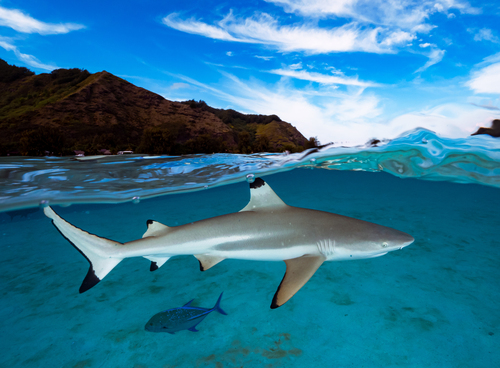
Blacktip reef shark
Seen year round
at Itsandra Reef
Vulnerable
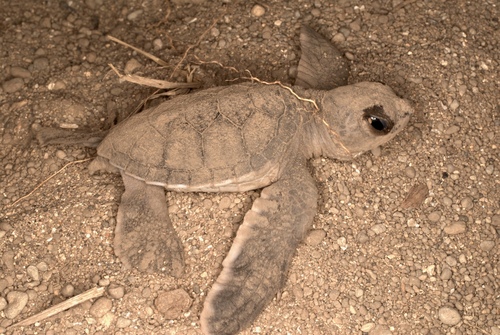
Green sea turtle
Seen year round
at Itsandra Reef
Least concern
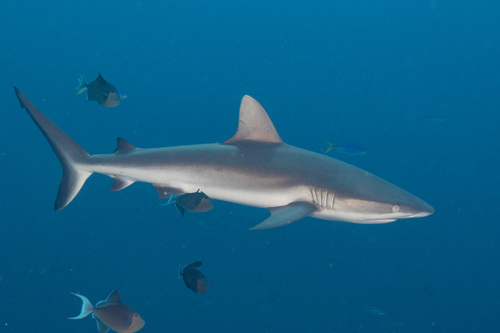
Grey reef shark
Seen year round
at Itsandra Reef
Endangered
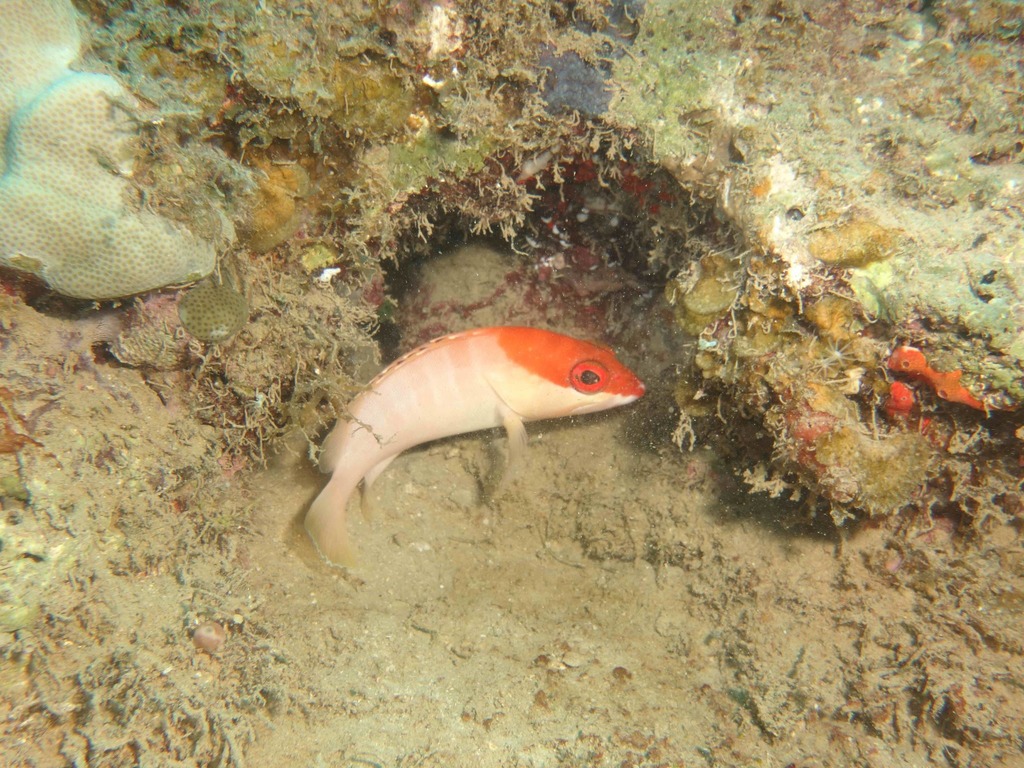
Grouper
Seen year round
at Chomoni
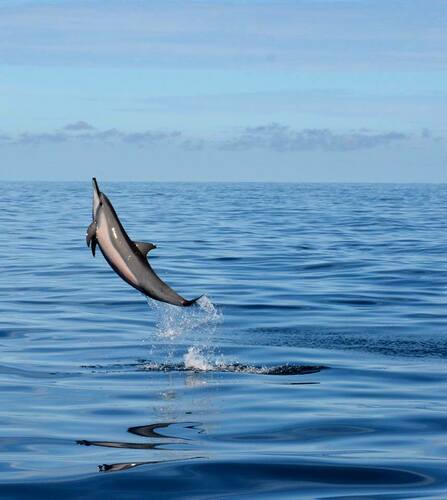
Spinner dolphin
Seen year round
at Itsandra Reef
Least concern
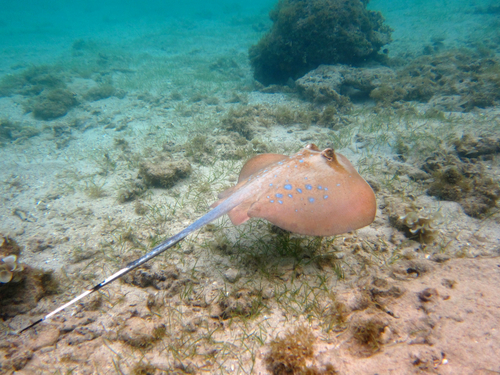
Stingray
Seen year round
at Chomoni
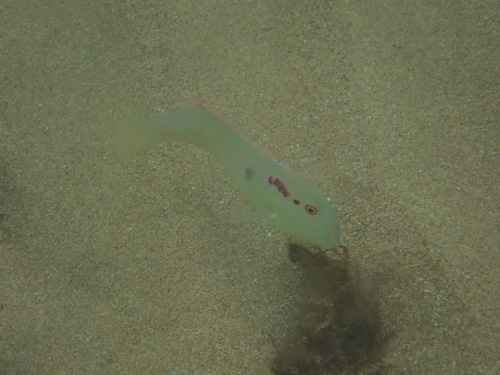
Wrasse
Seen year round
at Chomoni
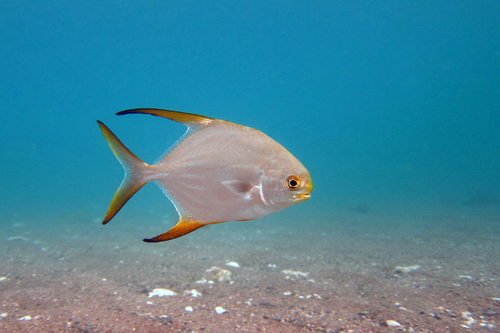
Barracuda
Seasonal visitor
at Chomoni
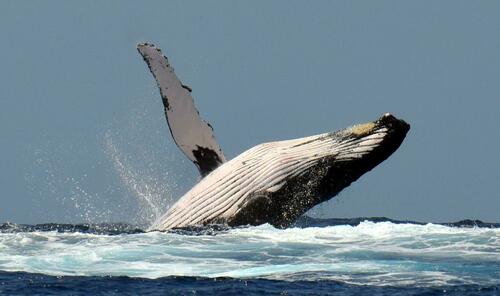
Humpback whale
Seasonal visitor
at Itsandra Reef
Least concern
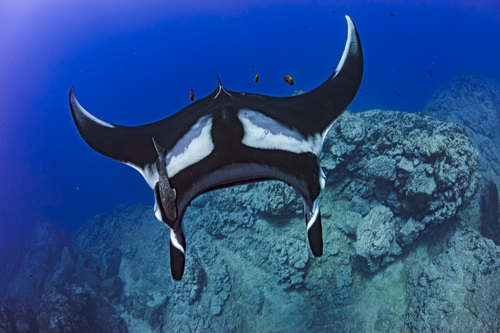
Manta ray
Seasonal visitor
at Itsandra Reef
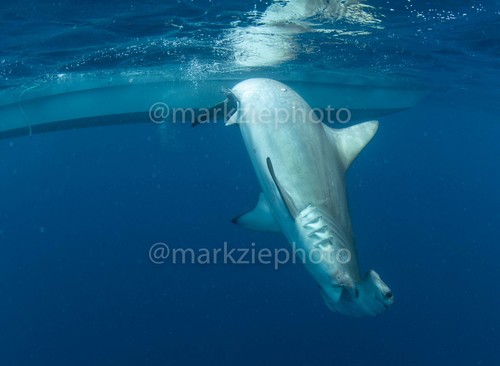
Hammerhead shark
Rare sighting
at Chomoni
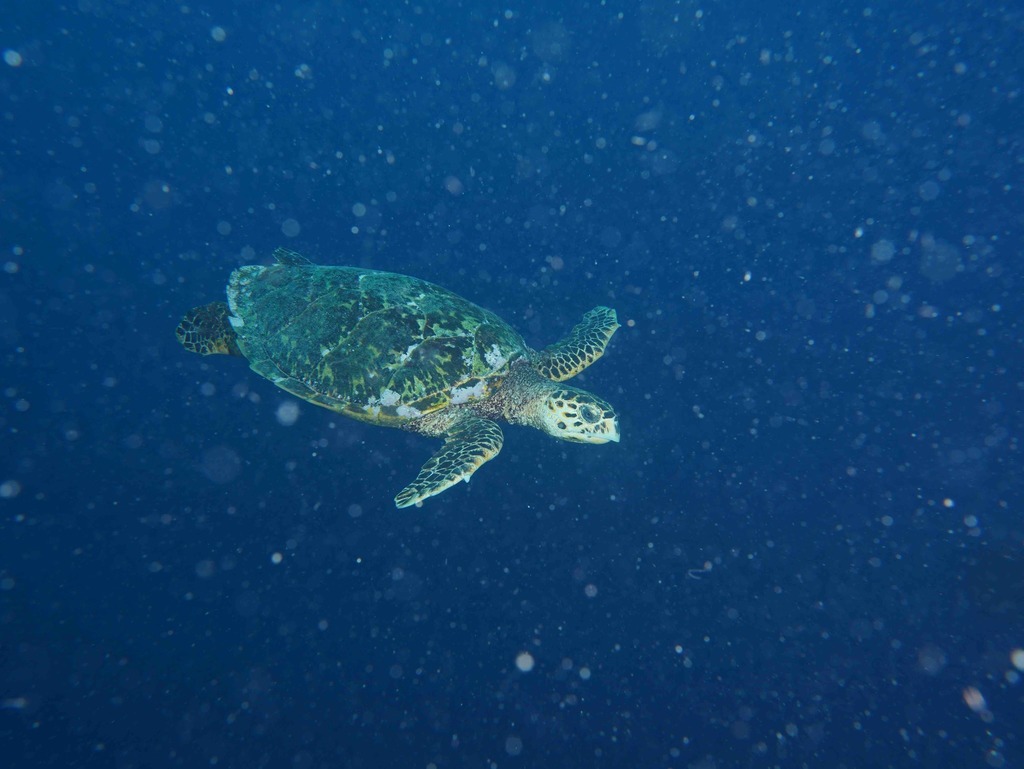
Hawksbill turtle
Rare sighting
at Itsandra Reef
Critically endangered
Dive sites
What divers say
The Comoros is the unknown corner of the Indian Ocean. Going for the rarity, not the comfort.
Good to know
Limited infrastructure
One or two dive ops; book ahead.