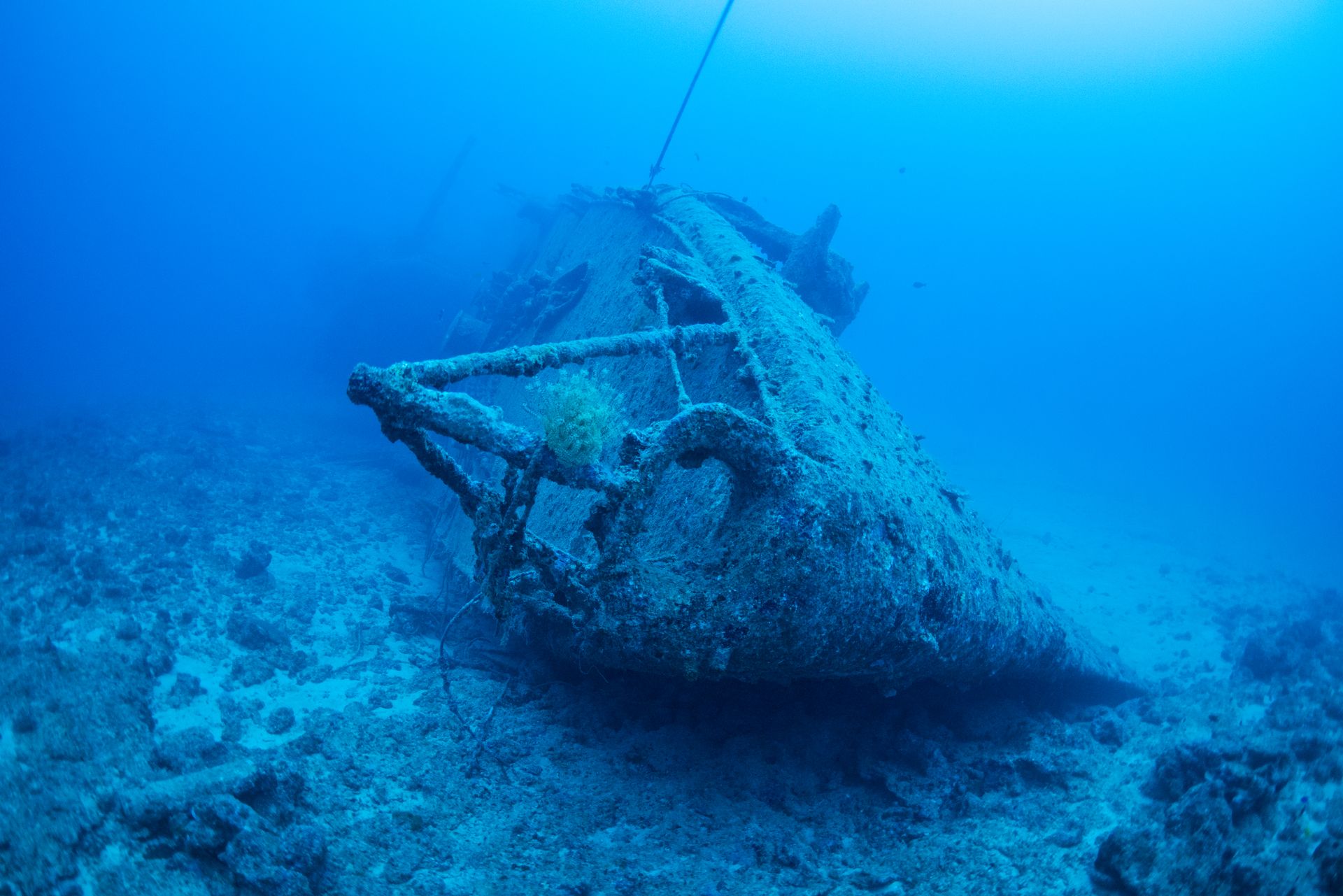
Bianca C Wreck
Grenada · Caribbean
The Bianca C is a 180m Italian cruise liner that sank off Grenada in 1961 — known as the 'Titanic of the Caribbean,' she sits in 30–50m and is one of the great big wreck dives in the region. Grenada's broader diving includes the underwater sculpture park.
How this reef is doing
ⓘ How we measure thisReef state
Bianca C wreck is the headline. Surrounding reef shows post bleaching thinning.
Coral cover
Fish life
Heat
Warmer than usual right now, but not hot enough to bleach.
Fishing
Protected on paper, but boats are still busy nearby.
Sources · AGRRA and GCRMN reef surveys · NOAA Coral Reef Watch · Global Fishing Watch and reef gravity
Coral cover over time
Live coral cover, by survey year
Across 4 survey years from 2015 to 2021, live coral cover here has risen from 15% to 21%. Every point is a real survey reading, never a projection.
Live coral cover, percent by year
| Year | Coral cover |
|---|---|
| 2015 | 15% |
| 2018 | 18% |
| 2019 | 22% |
| 2021 | 21% |
What you will see
13 species across the dive sites here
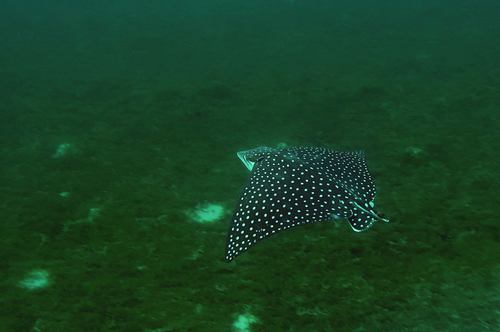
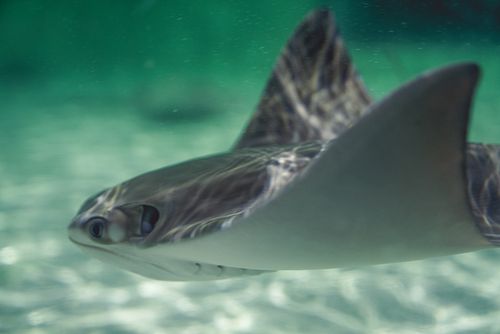
Eagle ray
Seen 3 months ago
at Bianca C
Endangered
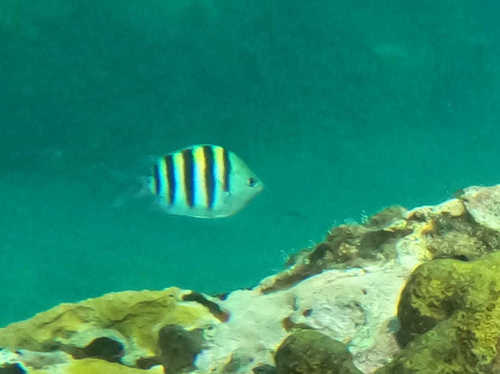
Sergeant major damselfish
Seen 4 months ago
at Molinere Underwater Sculpture Park
Least concern
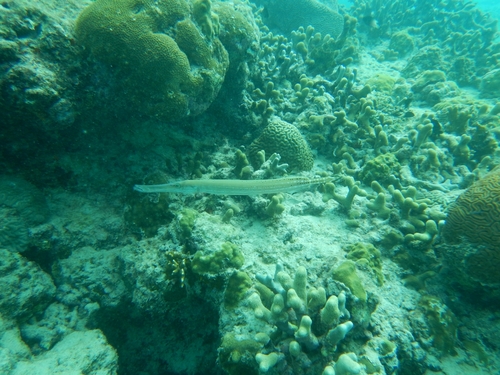
Trumpetfish
Seen 8 months ago
at Molinere Underwater Sculpture Park
Near threatened
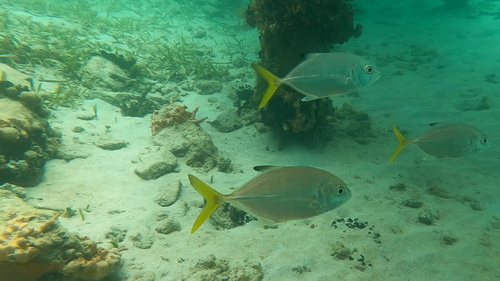
Horse-eye jack
Seen 10 months ago
at Bianca C
Least concern
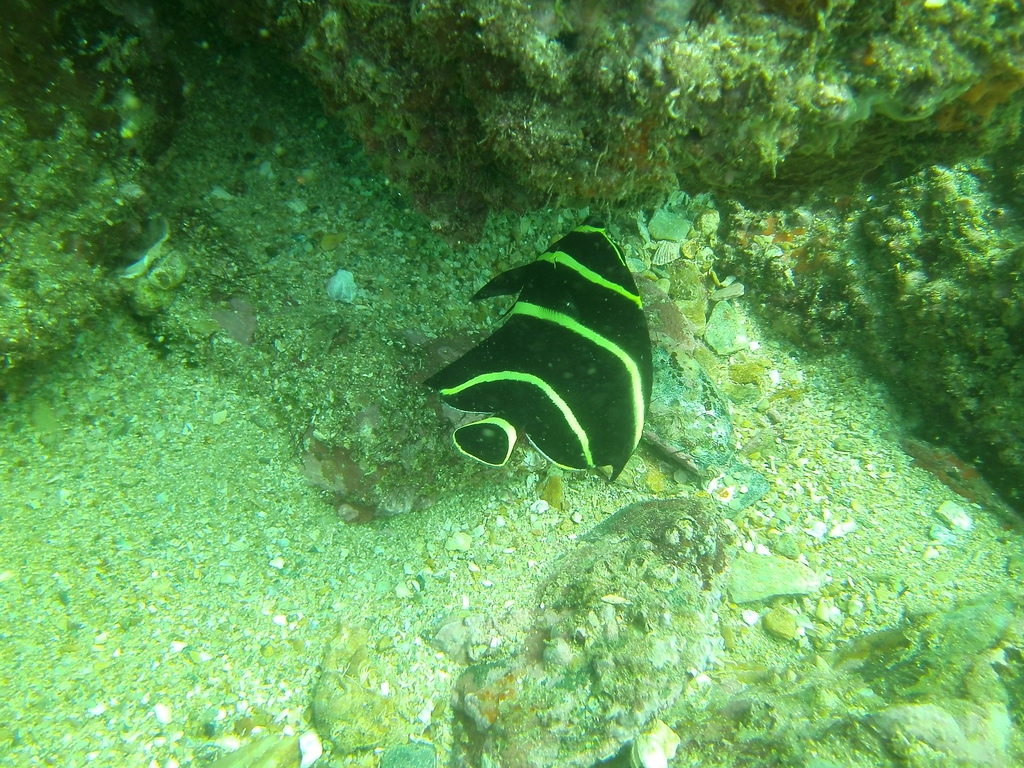
French angelfish
Seen Apr 2025
at Molinere Underwater Sculpture Park
Least concern
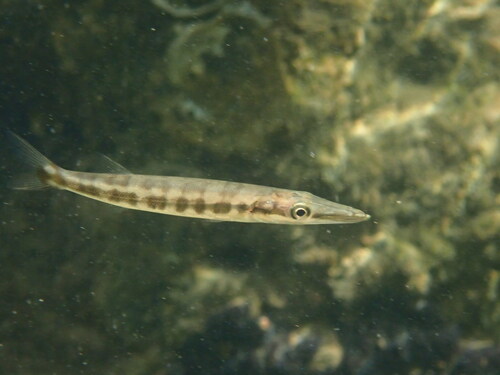
Great barracuda
Seen Nov 2024
at Bianca C
Least concern
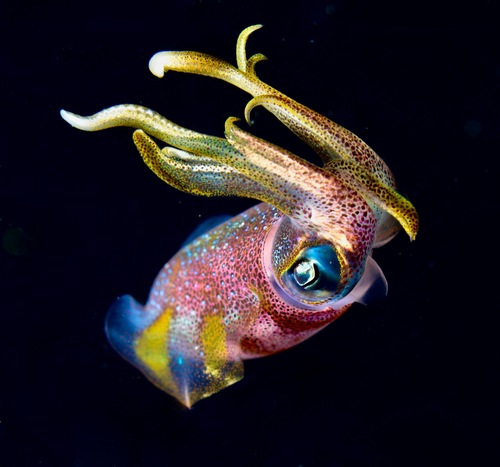
Caribbean reef squid
Seen Aug 2024
at Molinere Underwater Sculpture Park
Least concern
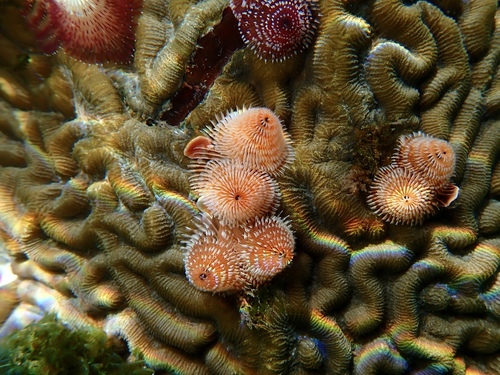
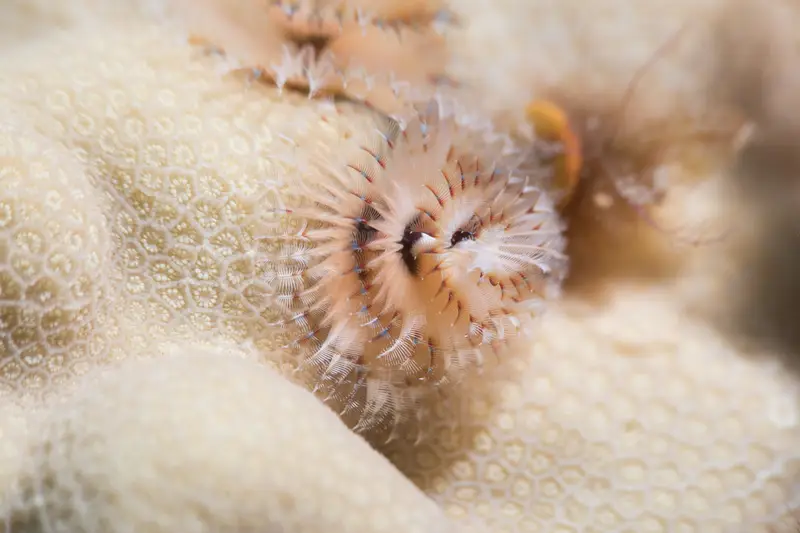
Christmas tree worm
Seen Apr 2024
at Molinere Underwater Sculpture Park
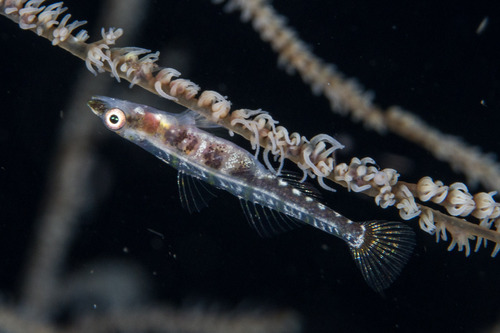
Black coral
Seen year round
at Bianca C
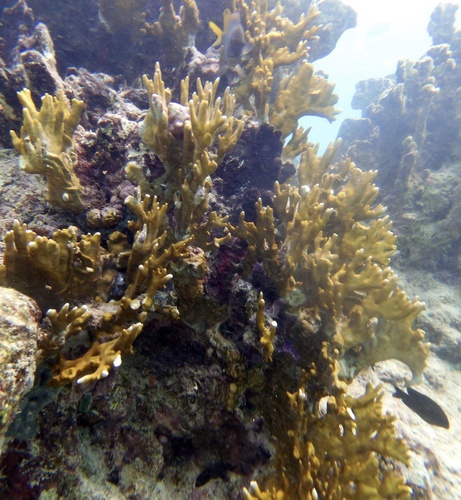
Encrusting fire coral
Seen year round
at Molinere Underwater Sculpture Park
Endangered
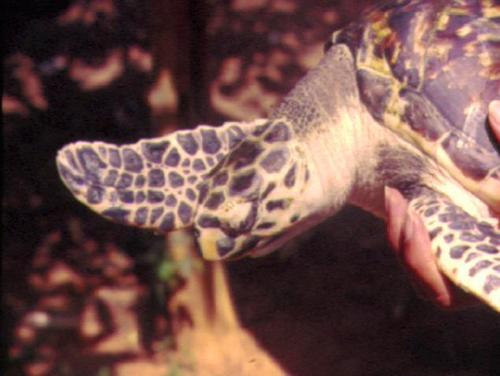
Hawksbill turtle
Seen year round
at Bianca C
Critically endangered
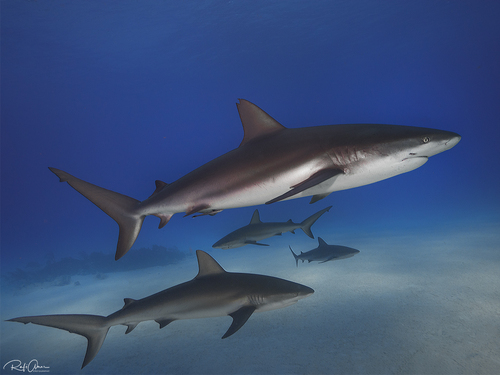
Caribbean reef shark
Seasonal visitor
at Bianca C
Endangered
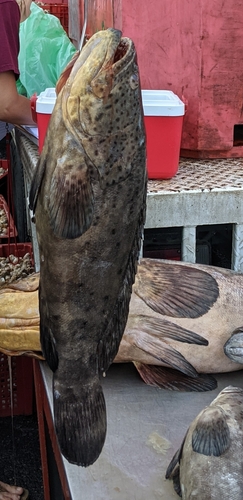
Goliath grouper
Rare sighting
at Bianca C
Vulnerable
Dive sites
What divers say
Swimming over the Bianca C's bow at 30m as schools of jacks pour past — one of the best wrecks I've dived anywhere.
Good to know
Sculpture park
Worth a separate dive — Jason deCaires Taylor's installation.