Spain · Mediterranean
Medes Islands
Warm-season Mediterranean diving with marine reserve visibility and life.
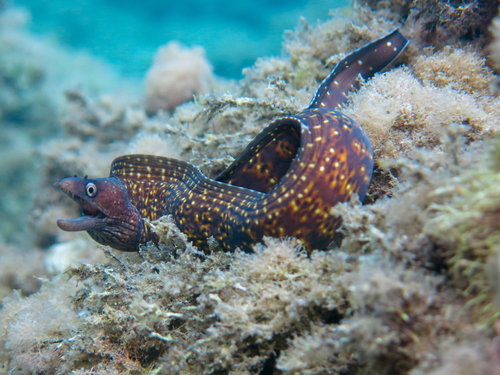
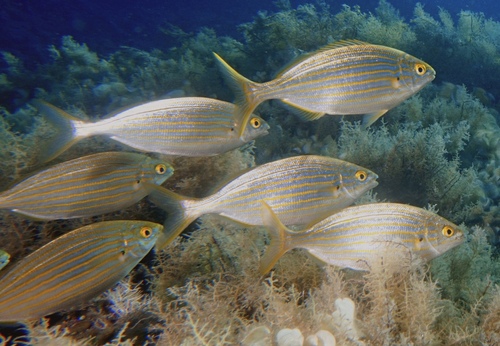
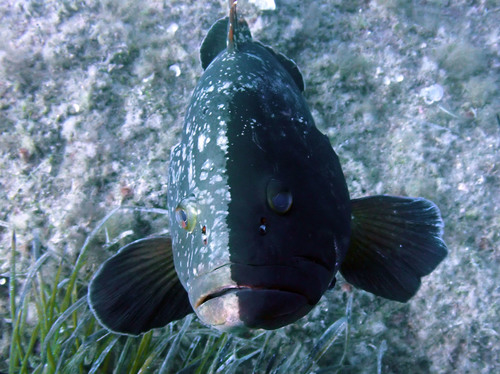
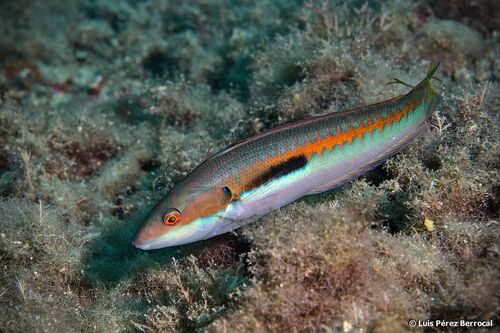
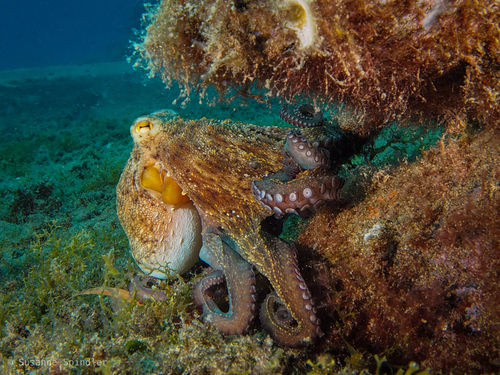
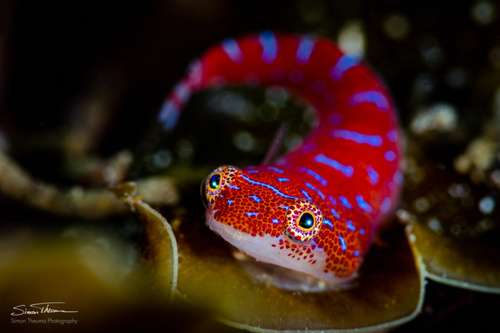
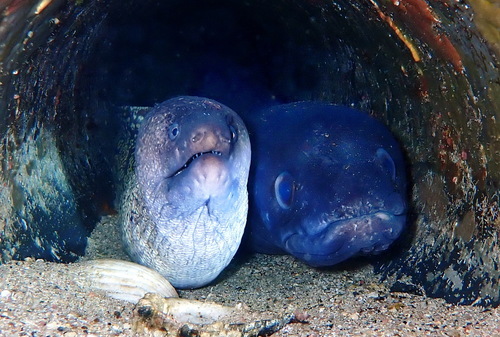
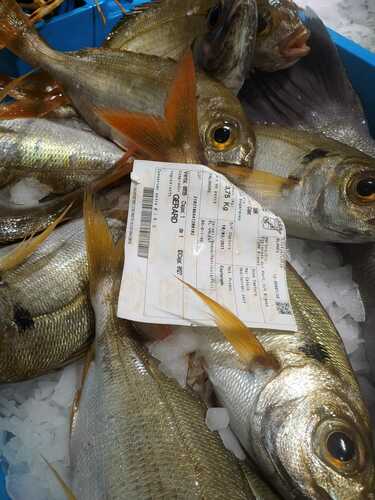
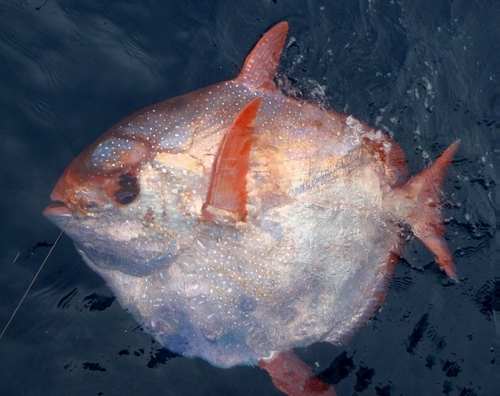
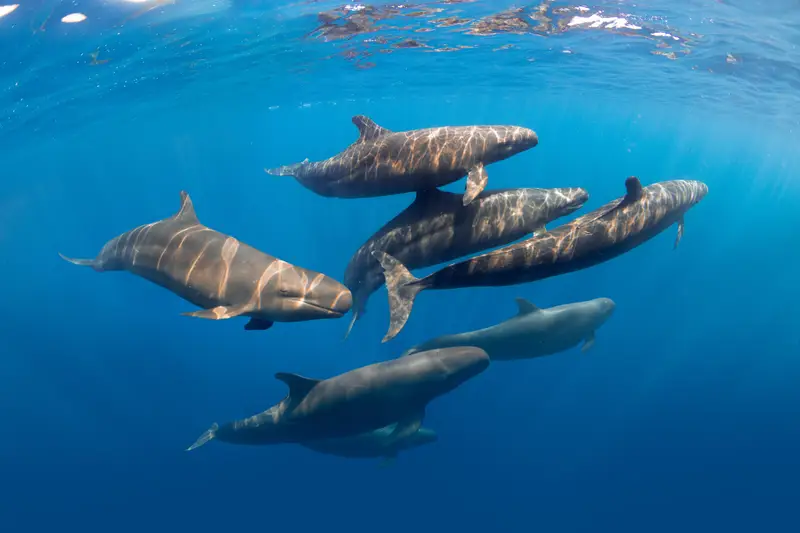
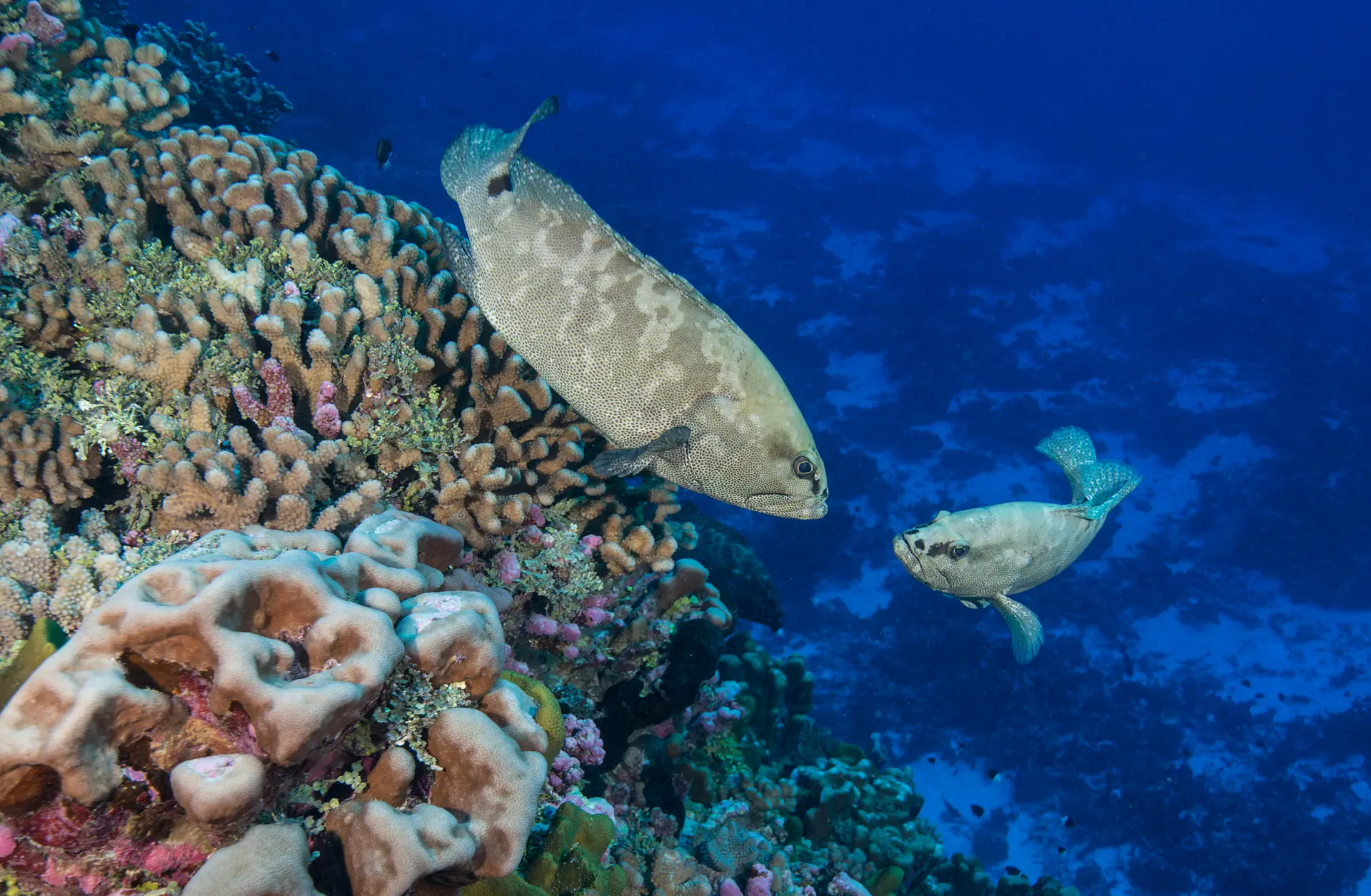
The Medes Islands off Catalonia's Costa Brava are one of the Mediterranean's longest-protected marine reserves — schools of barracuda and grouper, the SS Reggio Messina wreck nearby, and the densest fish biomass in the Med.
Good season
May–October; July–August is warmest (23°C). Winter dips to 13–15°C.
Trip duration
3–5 nights from L'Estartit.
Dive style
Boat diving on rocky walls and pinnacles; mild current.
Dive level
Open Water; Advanced for the deeper sites.
Reef health
What you’ll actually findSome loss since the 2010s, but the reef still has plenty to dive. Pick depth and shoulder-season carefully.
Coral reef health
How is this calculated?Heat stress right now
No abnormal heat right now. Corals stay coloured.
NOAA Coral Reef Watch · updated May 2026 · 0 °C-week heat dose
What to expect on a dive
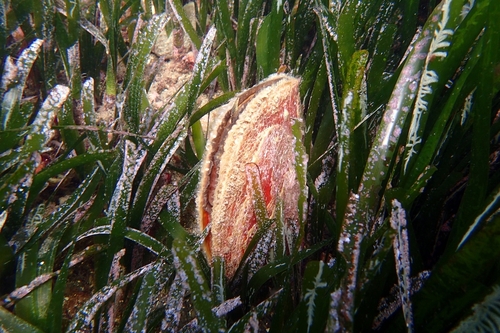
MPA gorgonian gardens. Recurring marine heatwaves have damaged red gorgonians in shallow water; deep walls hold up better.
Sources, methodology, and the raw numbers
Raw observed numbers
- Coral cover: 12% (survey Sep 2024, Mediterranean benthic transect (algae + gorgonian cover))
- Bleached: 0%
- Recent mortality: 0%
- Mediterranean — observed condition reflects the stable regional pattern.
Raw thermal numbers
- NOAA CRW alert level: No stress
- Degree Heating Weeks: 0 °C-wk
- SST anomaly: +4.1 °C
How we summarise this
Observed coral cover, bleaching, and mortality come from named in-situ surveys with a stated date and method — they describe one snapshot of one reef and do not extrapolate to neighbouring sites. Current thermal stress is satellite-derived from NOAA Coral Reef Watch at ~5 km resolution; it indicates risk, not observed coral damage. We deliberately separate observed condition, current thermal stress, and projection — and we never publish a projection without a documented model and uncertainty.
Sources
- International Coral Reef Initiative — ICRI Secretariat
- NOAA Coral Reef Watch — U.S. National Oceanic and Atmospheric Administration
- AIMS Long-Term Monitoring Program — Australian Institute of Marine Science
- Global Coral Reef Monitoring Network — GCRMN / ICRI
- Atlantic and Gulf Rapid Reef Assessment — AGRRA Program / Perry Institute for Marine Science
- NOAA National Coral Reef Monitoring Program — NOAA Coral Reef Conservation Program
- Reef Check — Reef Check Foundation
- NOAA CoastWatch / OceanWatch — NOAA NESDIS / STAR
- Allen Coral Atlas — Arizona State University Center for Global Discovery and Conservation Science
- Great Barrier Reef Marine Park Authority — Australian Government
- Reef Life Survey — Reef Life Survey Foundation
- NASA PO.DAAC — NASA Jet Propulsion Laboratory / Caltech
- Copernicus Marine Service — Mercator Ocean International for the European Union
- NASA Ocean Color (OB.DAAC) — NASA Goddard Space Flight Center / Ocean Biology Processing Group
- Argo float network — International Argo Program / UCSD
- CoralWatch — University of Queensland
- IMOS / AODN — Integrated Marine Observing System / Australian Ocean Data Network
- WRI Reefs at Risk Revisited — World Resources Institute
- Ocean Health Index — OHI partnership (Conservation International + UCSB + NCEAS)
- IPCC Special Report on the Ocean and Cryosphere (SROCC) — Intergovernmental Panel on Climate Change
- GOA-ON — Global Ocean Acidification Observing Network — GOA-ON Secretariat + IOC-UNESCO
- HAEDAT — Harmful Algae Event Database — IOC-UNESCO Intergovernmental Panel on Harmful Algal Blooms
- NCEI Marine Microplastics — NOAA National Centers for Environmental Information
Reef condition changes year to year. If you visit, consider supporting responsible-travel and conservation operators on the ground.
Pressure on this reef
Protection · fishing · what you can doProtected-area status
Strict MPAInside a strict marine protected area with active enforcement.
Fishing pressure
Moderate fishing pressureDominant pressures
- overfishing legacy
- warming
- invasive species
1 Green Fins-verified operator known at this location.
What you can do
Mediterranean MPAs (Medes Islands, Cabrera, etc.) are recovering from decades of trawling. Cited dive sites are healthier inside MPA boundaries — pay any access fees.
Protection status sourced from Protected Planet / WDPA and refined with Marine Protection Atlas. Fishing pressure proxy is Global Fishing Watch AIS data. See the methodology for what these sources can and can’t prove.
Pollution & water-quality
What divers should knowMarine heatwave gorgonian die-off
SEVERESince 2022
Successive Mediterranean marine heatwaves have caused mass mortality among red gorgonians in shallow water. Deeper colonies (>30 m) survived better.
What this means for your trip
Shallow gorgonian gardens have thinned considerably. Go deeper (>25 m) to see colonies that survived the heatwaves.
Dive sites here
1 curatedGear
What to bringSite-specific add-ons
Some dive sites here call for extra gear. Check the individual site page for full context.
- 5mm wetsuit — Mediterranean water cold most of the year. · Medes Islands Reserve
- Hood — Spring and autumn diving needs thermal protection. · Medes Islands Reserve
What divers say
“Forty years of protection and you can taste it underwater. The grouper come up to look at you.”