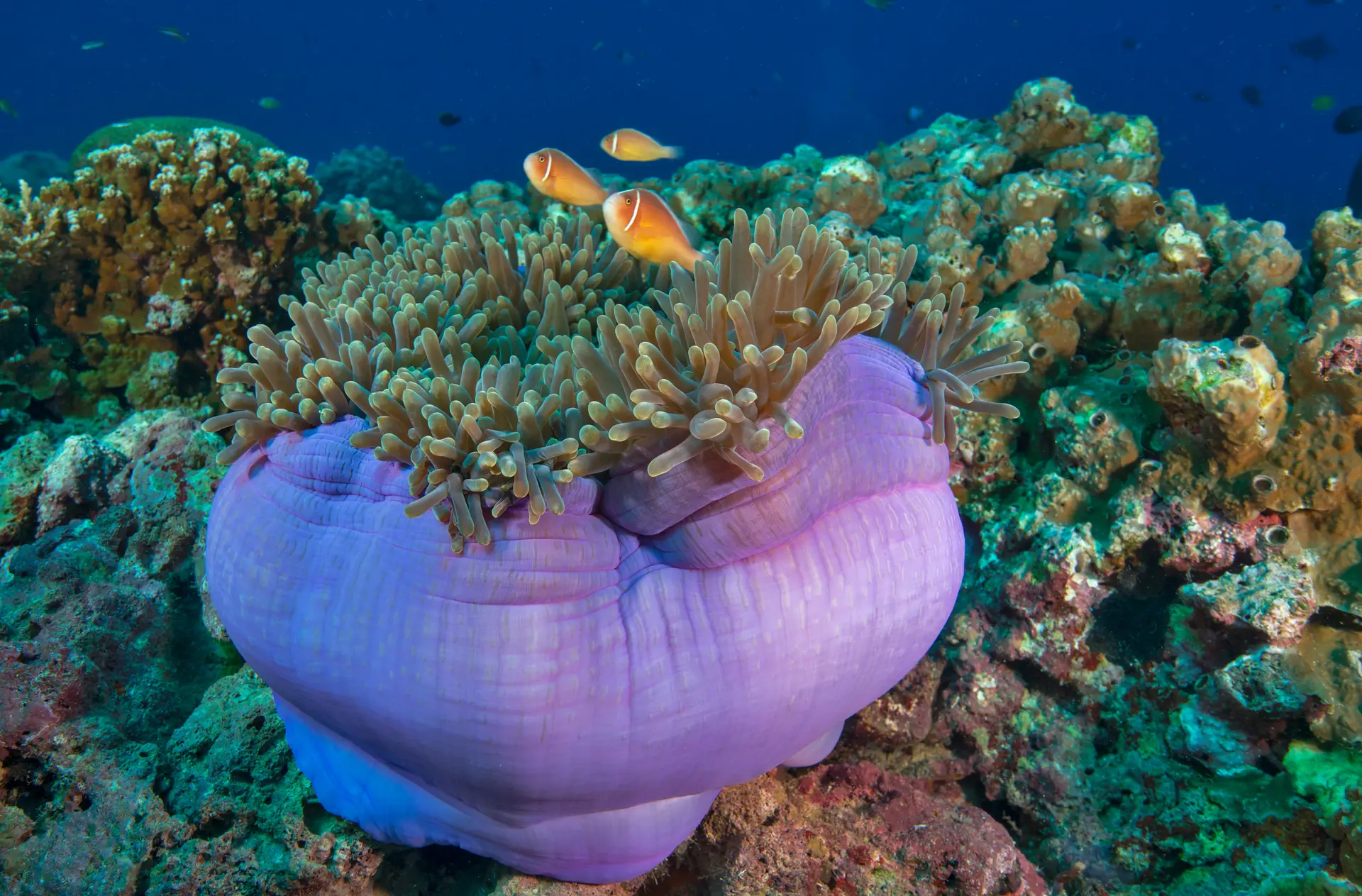
Milne Bay
Papua New Guinea · Coral Sea
Milne Bay at PNG's eastern tip is muck diving paradise — black sand bottoms hosting rare critters, plus the wreck of the Pacific Gas (a Japanese WWII tanker) and healthy reefs further out. Featured in Bob Halstead's early muck diving books.
How this reef is doing
ⓘ How we measure thisReef state
One of the most species rich reef regions on Earth. Remote, low diver pressure, intact reef structure.
Coral cover
Fish life
Heat
No unusual heat right now.
Fishing
Some fishing is allowed here, in marked zones.
Sources · Reef Check surveys · NOAA Coral Reef Watch · Global Fishing Watch and reef gravity
Coral cover over time
Live coral cover, by survey year
Across surveys in 2014 and 2024, live coral cover here has risen from 48% to 50%. Every point is a real survey reading, never a projection.
Live coral cover, percent by year
| Year | Coral cover |
|---|---|
| 2014 | 48% |
| 2024 | 50% |
What you will see
20 species across the dive sites here
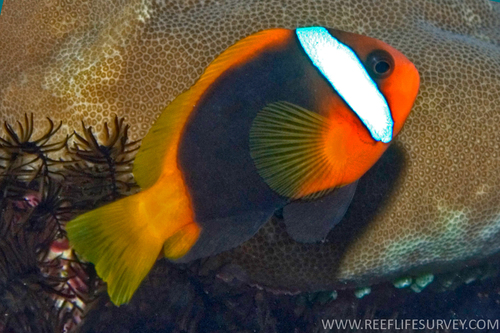
Anemone fish
Seen 4 months ago
at Black Magic
Least concern
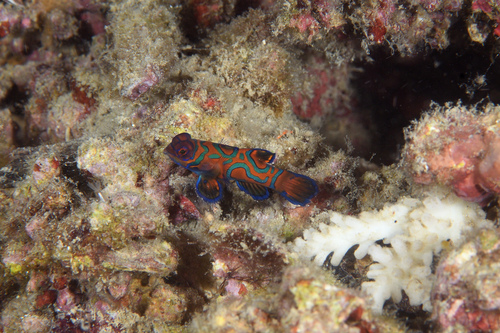
Mandarinfish
Seen 4 months ago
at Dinah's Beach
Least concern
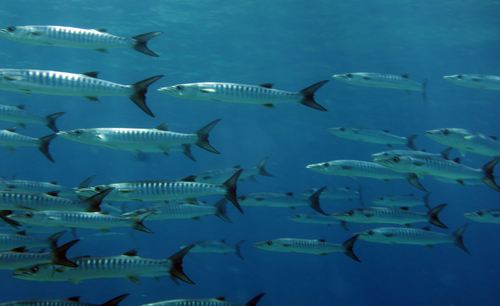
Schooling barracuda
Seen 4 months ago
at B-17F Black Jack
Least concern
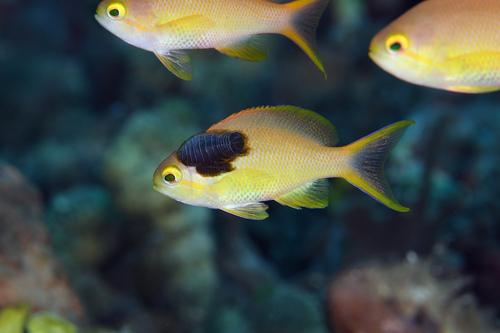
Threadfin Anthias
Seen 7 months ago
at Black Magic
Least concern
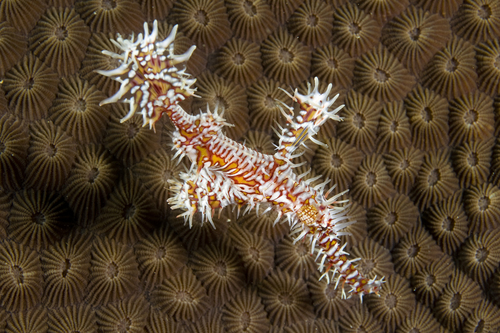
Ghost pipefish
Seen Mar 2024
at Dinah's Beach
Least concern
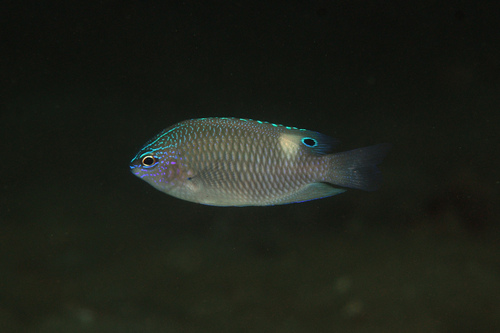
Colin'S Damsel
Seen Mar 2024
at Dinah's Beach
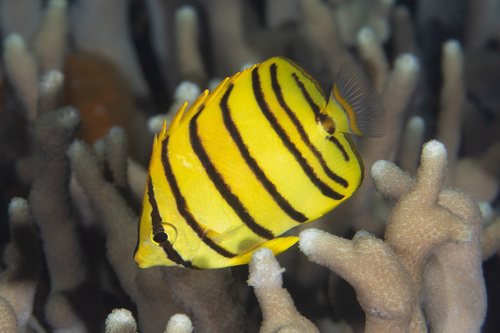
Eightband Butterflyfish
Seen Mar 2024
at Dinah's Beach
Least concern
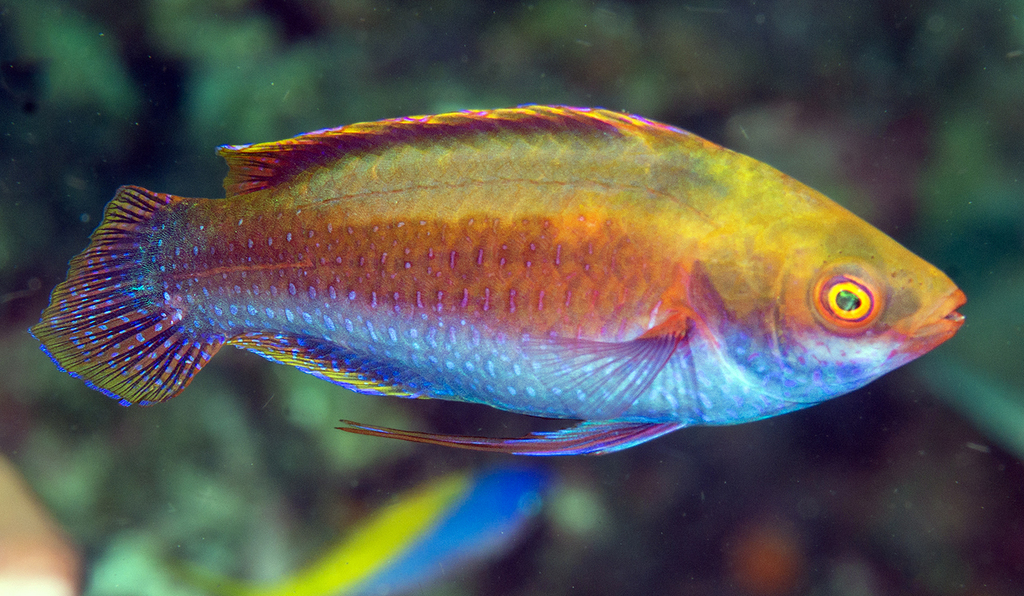
Melanesian Fairy Wrasse
Seen Mar 2024
at Black Magic
Least concern
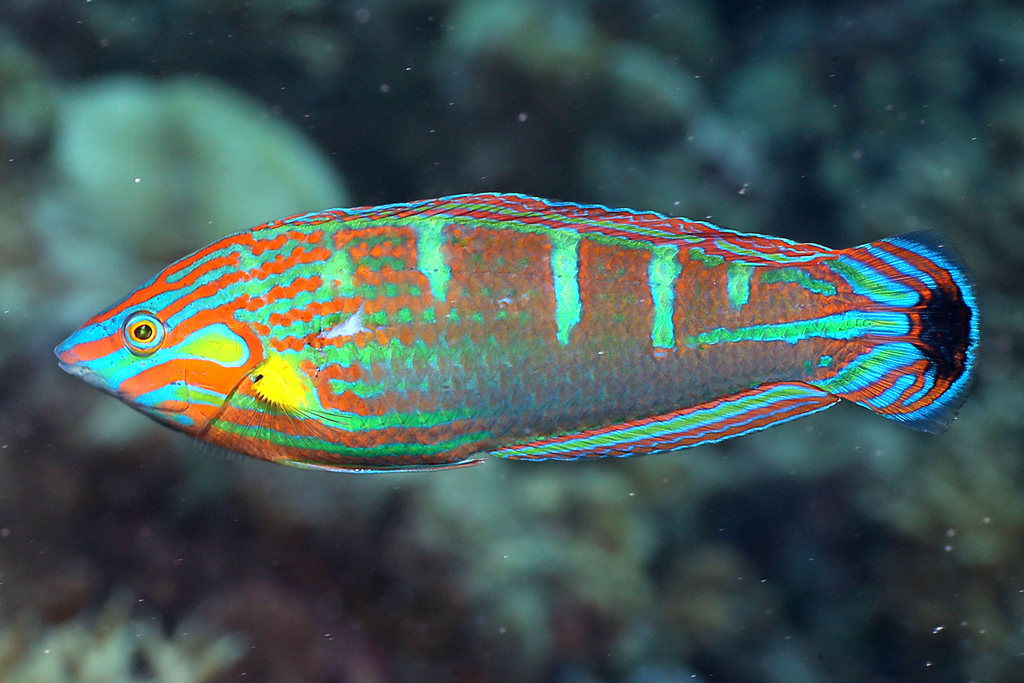
Pinstriped Wrasse
Seen Mar 2024
at Black Magic
Least concern
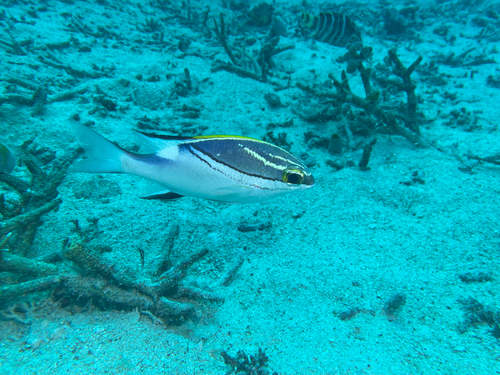
Bridled Monocle Bream
Seen Mar 2024
at Black Magic
Least concern
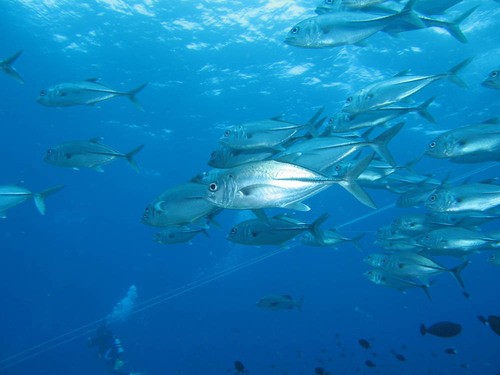
Bigeye trevally
Seen year round
at B-17F Black Jack
Least concern
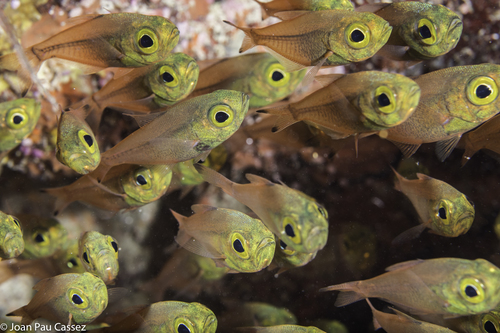
Glassfish
Seen year round
at Black Magic
Least concern
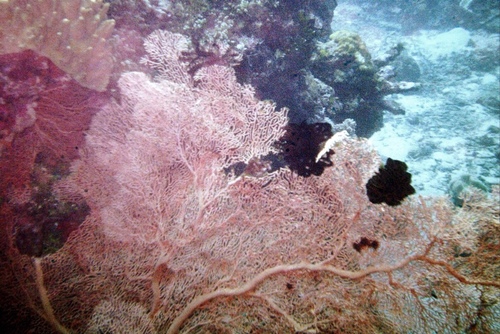
Soft coral
Seen year round
at B-17F Black Jack
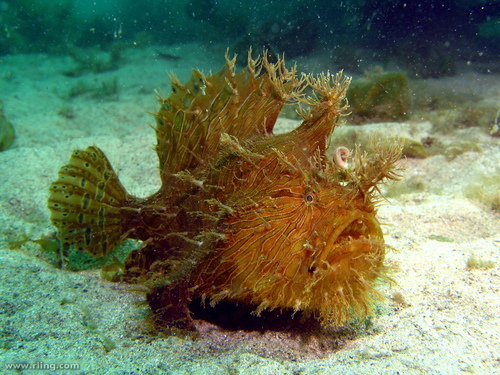
Hairy frogfish
Seasonal visitor
at Dinah's Beach
Least concern
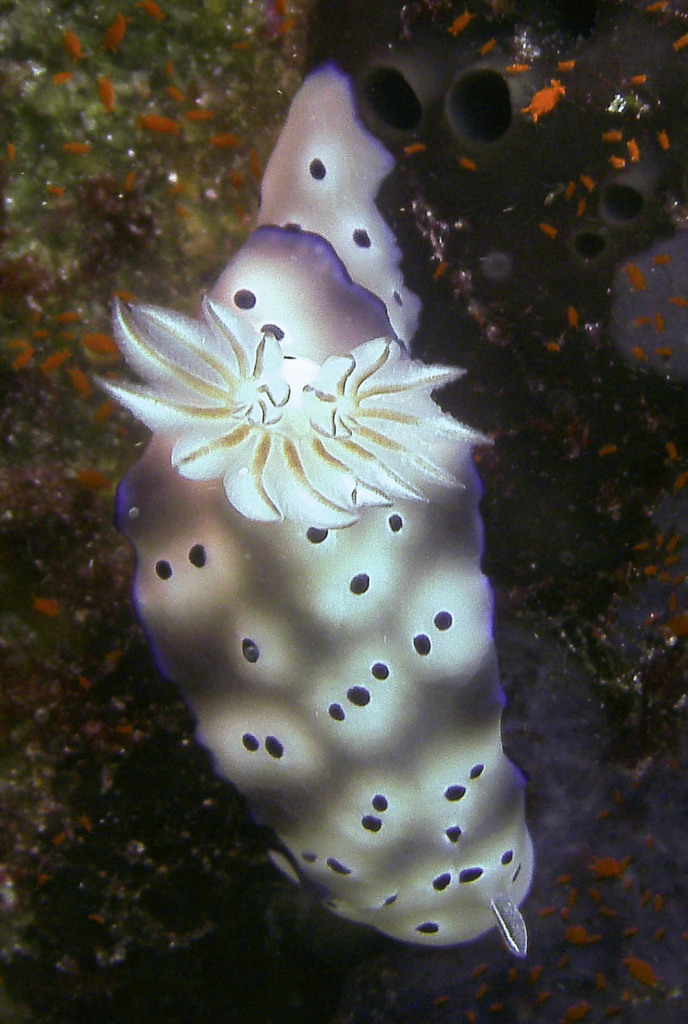
Tryon'S Hypselodoris
Seasonal visitor
at Dinah's Beach
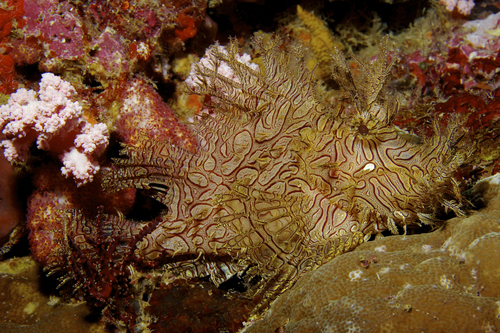
Lacy scorpionfish
Rare sighting
at Dinah's Beach
Least concern
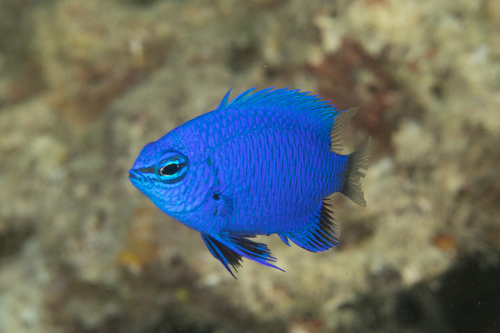
Milne Bay Damselfish
Rare sighting
at Dinah's Beach
Least concern
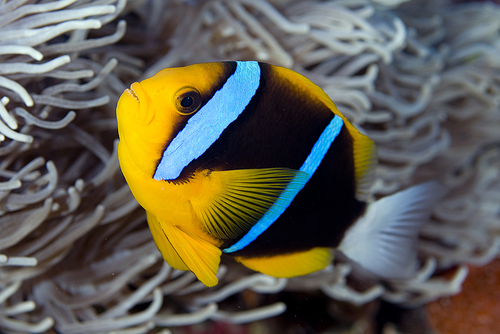
Orangefin Anemonefish
Rare sighting
at B-17F Black Jack
Least concern
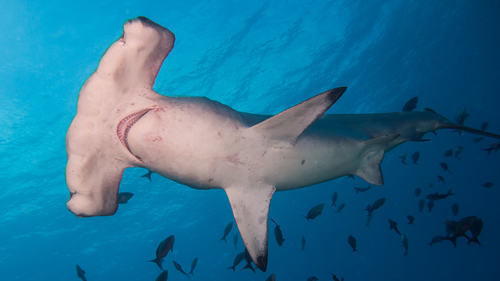
Scalloped hammerhead
Rare sighting
at Black Magic
Critically endangered
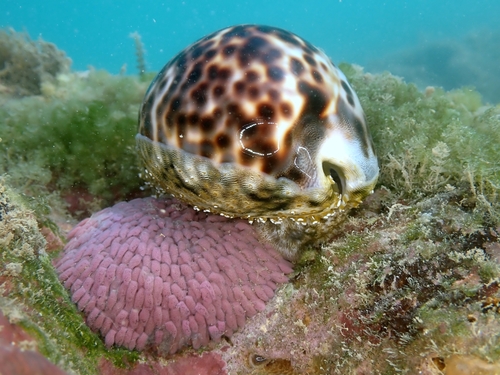
Tiger Cowrie
Rare sighting
at B-17F Black Jack
Dive sites
What divers say
Bob Halstead literally invented muck diving here. The critters are still showing up.
Good to know
Malaria
Prophylaxis essential.