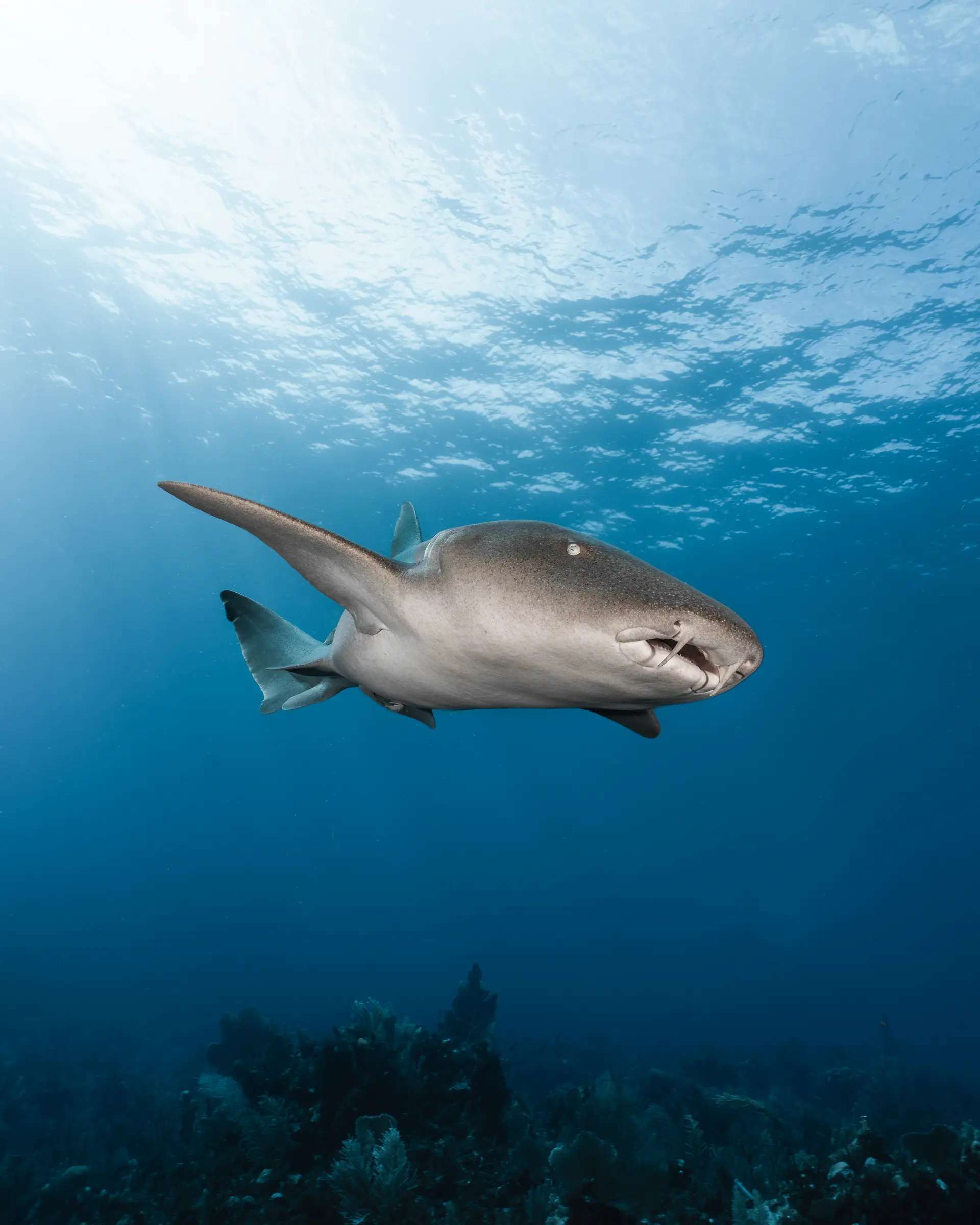
Ningaloo Reef
Australia · Western Australia
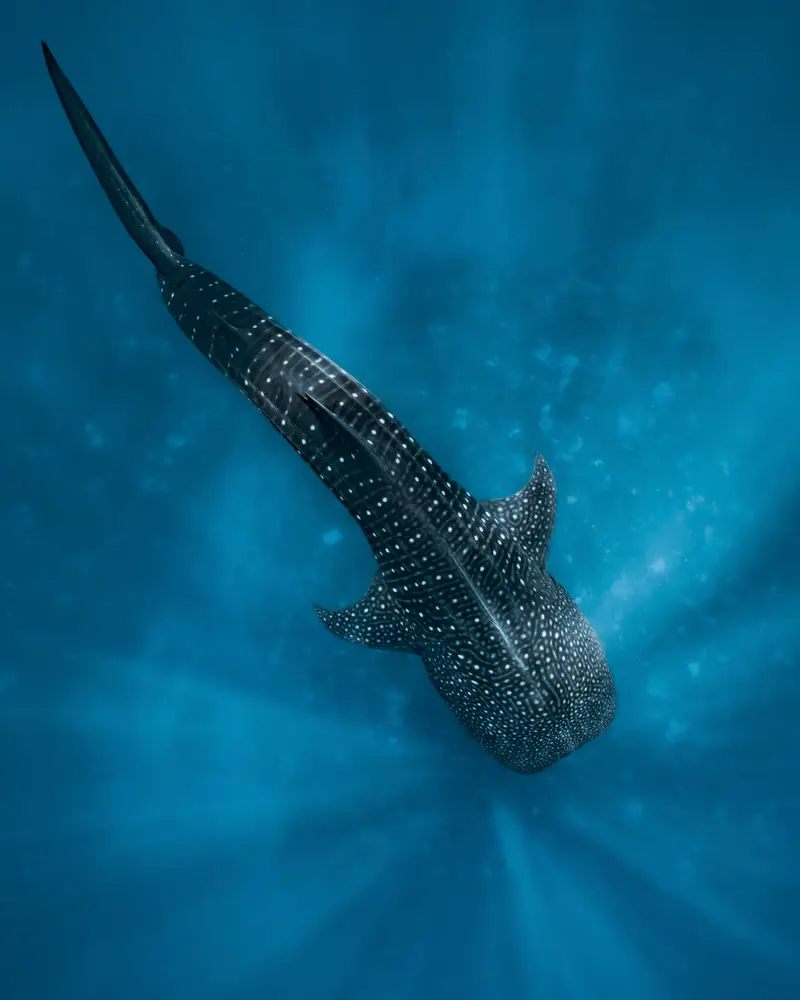
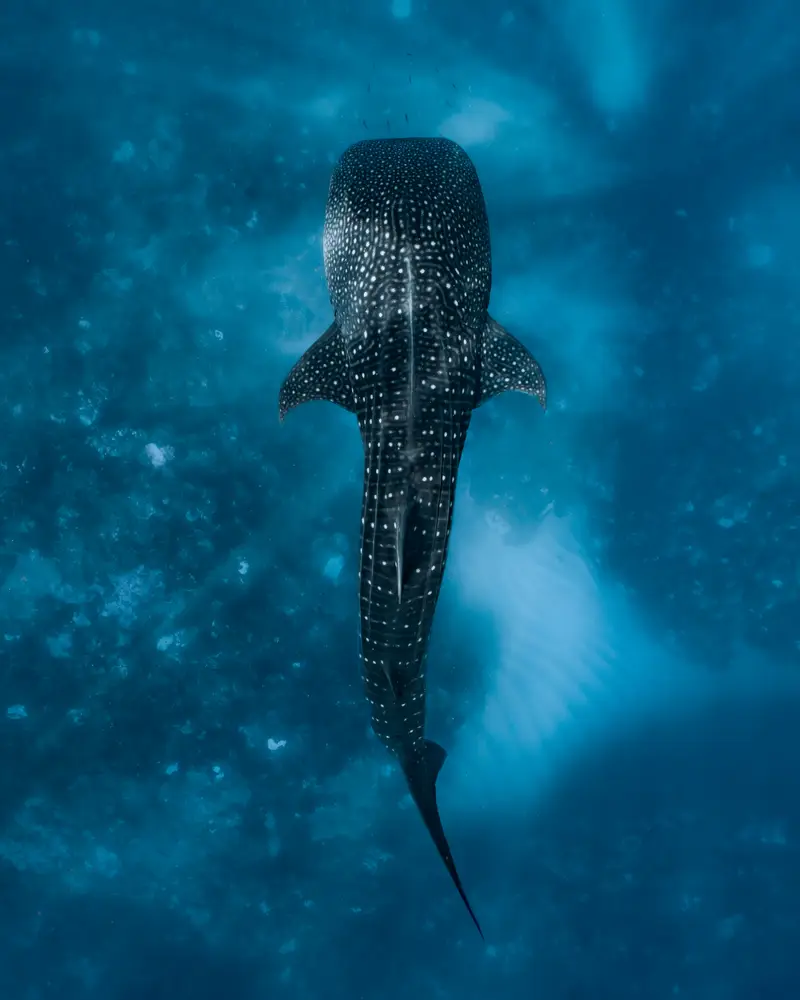
Ningaloo Reef on Western Australia's coast is the world's most accessible whale shark swim — fly out from Exmouth, find a whale shark, slip in next to it. Plus humpback whales (in season), mantas, and pristine fringing reef.
How this reef is doing
ⓘ How we measure thisReef state
Whale shark season (Mar–Jul) is the main draw and still excellent. Reef colour is patchy after the 2024 bleaching — focus on the outer reef bommies rather than shallow lagoon.
Coral cover
Fish life
About what a healthy reef of its kind holds.
Heat
No unusual heat right now.
Fishing
Some fishing is allowed here, in marked zones.
Sources · Reef Life Survey · Reef Life Survey · NOAA Coral Reef Watch · Global Fishing Watch and reef gravity
Coral cover over time
Live coral cover, by survey year
Across surveys in 2014 and 2024, live coral cover here has fallen from 37% to 28%. Every point is a real survey reading, never a projection.
Live coral cover, percent by year
| Year | Coral cover |
|---|---|
| 2014 | 37% |
| 2024 | 28% |
What you will see
51 species across the dive sites here
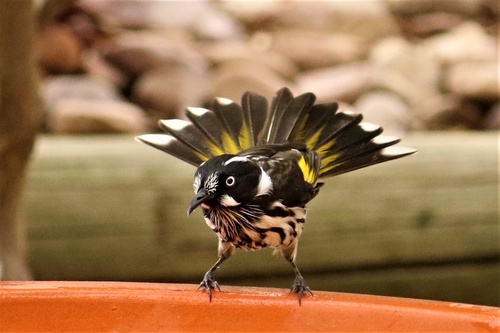
New Holland Honeyeater
Seen 3 months ago
at Engelbrecht Cave
Least concern
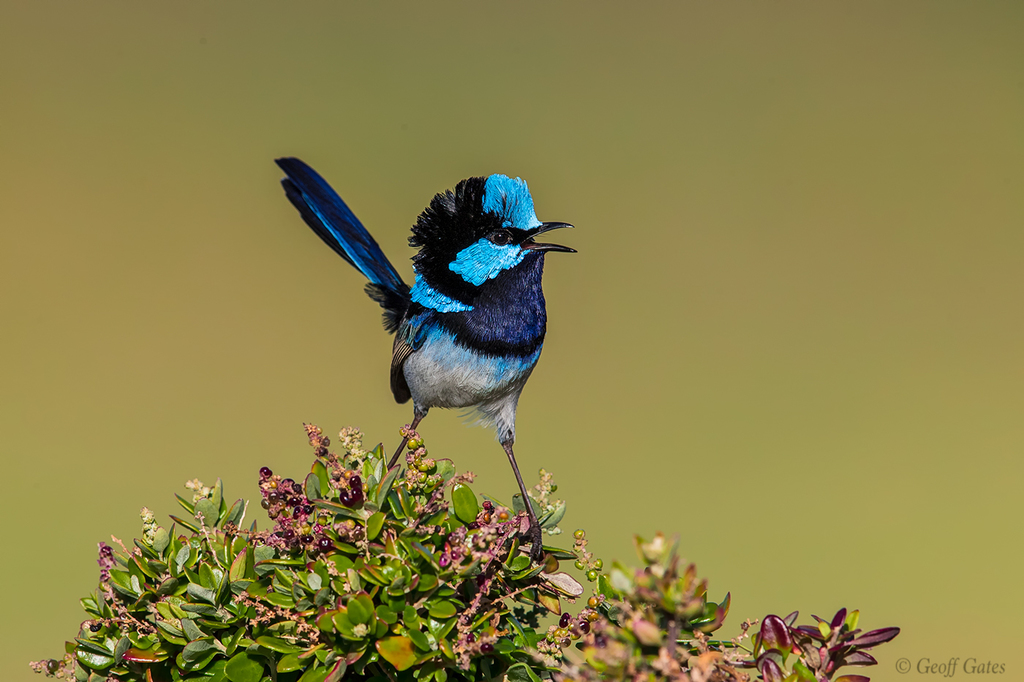
Superb Fairywren
Seen 3 months ago
at Engelbrecht Cave
Least concern
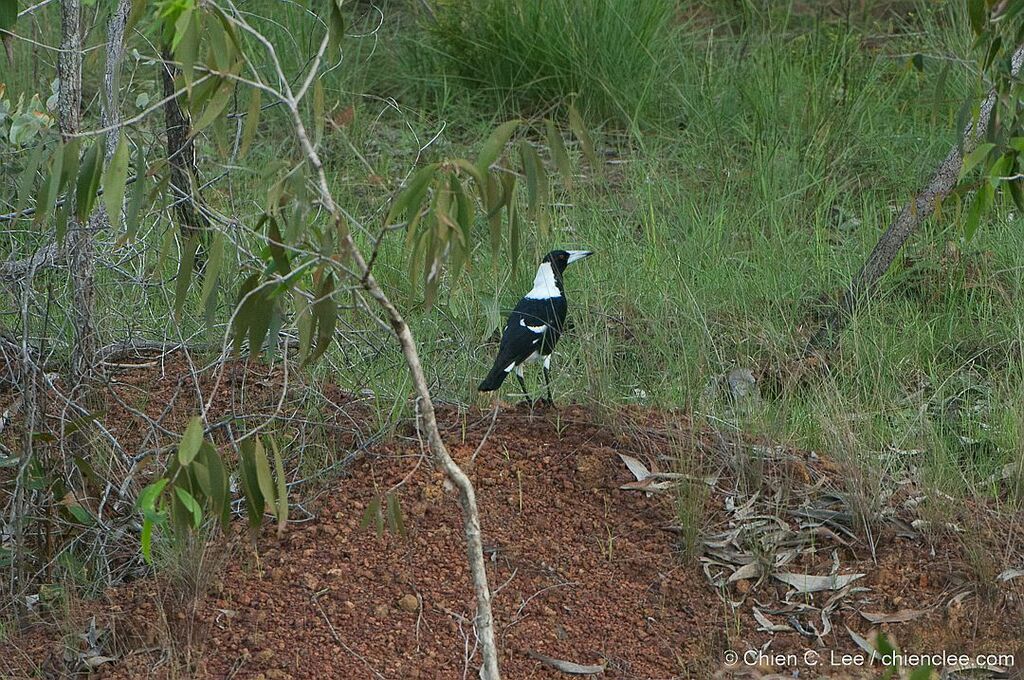
Australian Magpie
Seen 3 months ago
at Engelbrecht Cave
Least concern
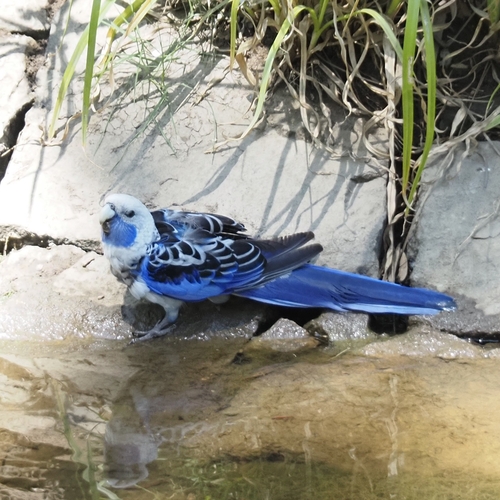
Crimson Rosella
Seen 3 months ago
at Engelbrecht Cave
Least concern
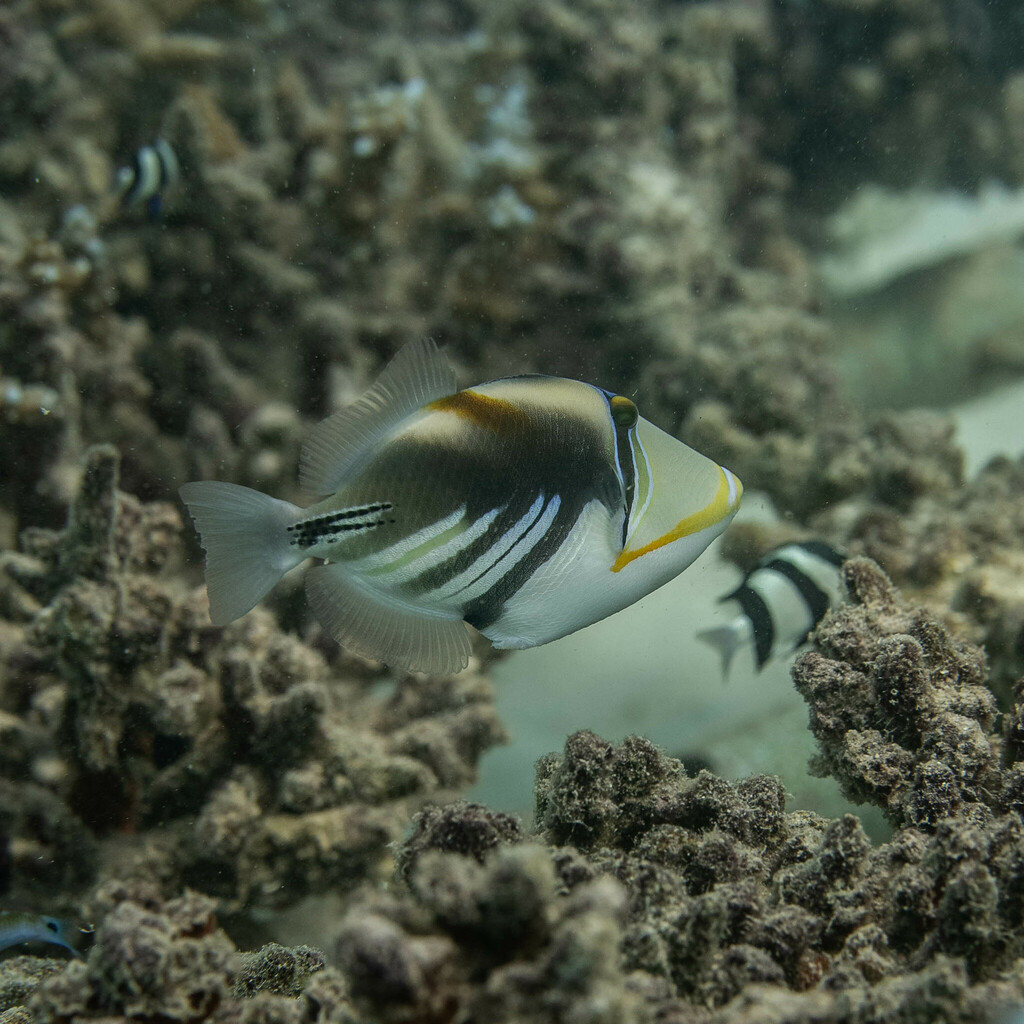
Lagoon Triggerfish
Seen 3 months ago
at Ningaloo Whale Shark Encounter
Least concern
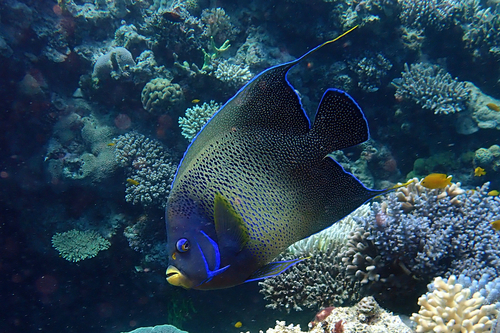
Semicircle Angelfish
Seen 3 months ago
at Ningaloo Whale Shark Encounter
Least concern
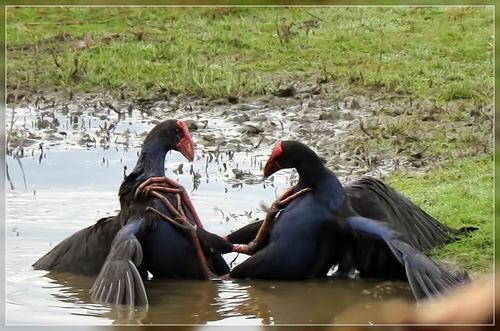
Australasian Swamphen
Seen 3 months ago
at Ewens Ponds
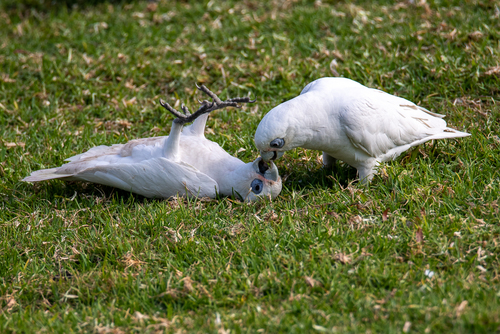
Little Corella
Seen 3 months ago
at Navy Pier Exmouth
Least concern
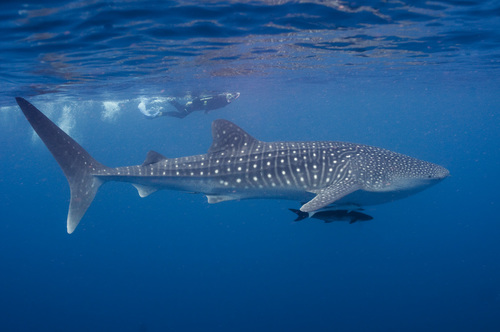
Whale shark
Seen 3 months ago
at Ningaloo Whale Shark Encounter
Endangered
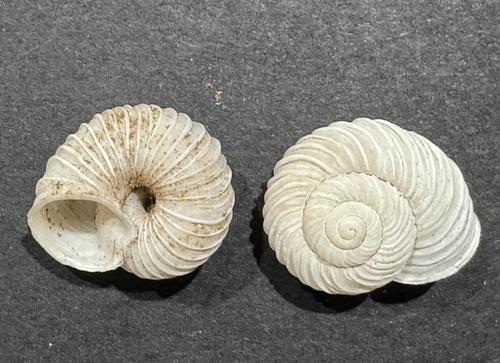
Basedowena oligopleura
Seen 3 months ago
at Cocklebiddy cave
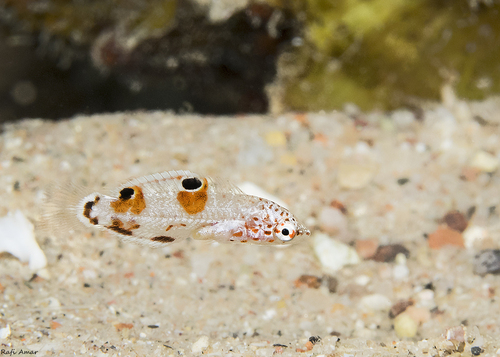
Clown Coris
Seen 3 months ago
at Ningaloo Whale Shark Encounter
Least concern
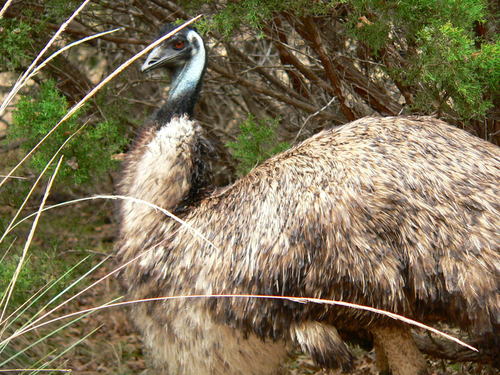
Emu
Seen 3 months ago
at Navy Pier Exmouth
Least concern
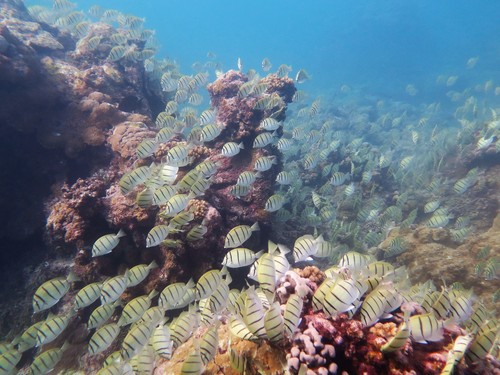
Convict Surgeonfish
Seen 3 months ago
at Ningaloo Whale Shark Encounter
Least concern
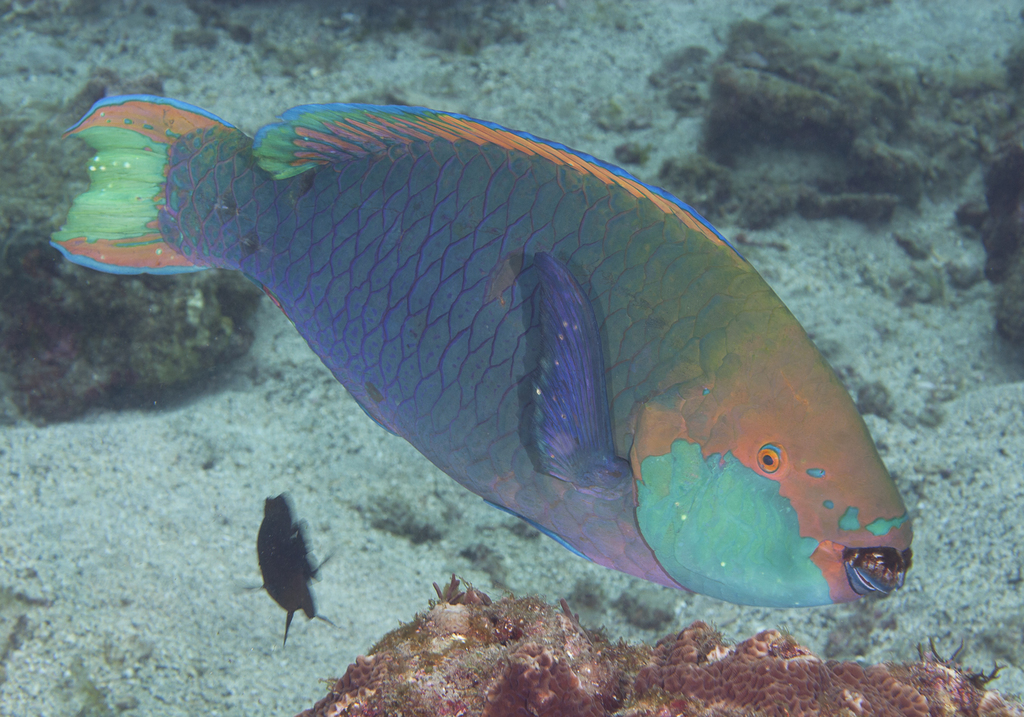
Greencheek Parrotfish
Seen 3 months ago
at Ningaloo Whale Shark Encounter
Least concern
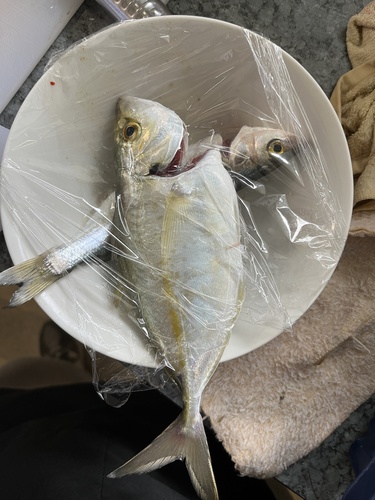
Silver Trevally
Seen 3 months ago
at Neptune Islands
Least concern
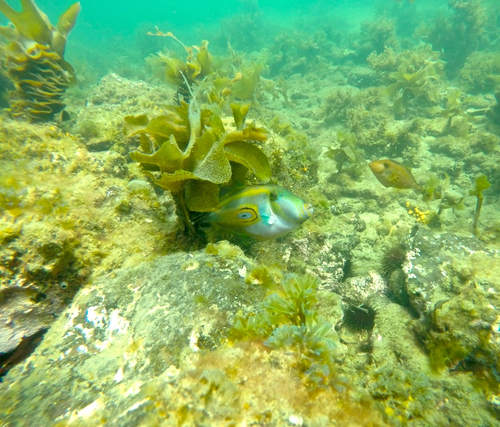
Horseshoe Leatherjacket
Seen 3 months ago
at Neptune Islands
Least concern
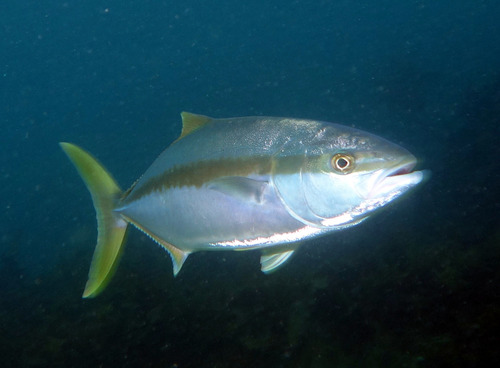
Yellowtail Kingfish
Seen 3 months ago
at Neptune Islands
Least concern
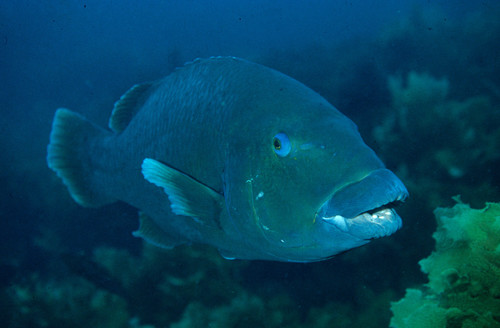
Western Blue Groper
Seen 3 months ago
at Neptune Islands
Vulnerable
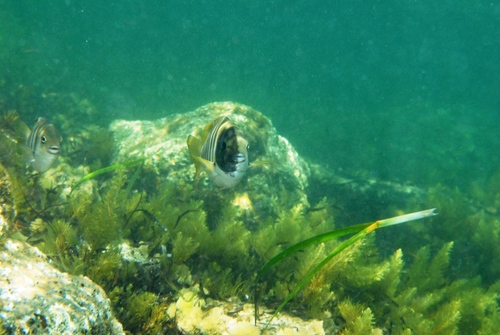
Zebrafish
Seen 3 months ago
at Neptune Islands
Least concern
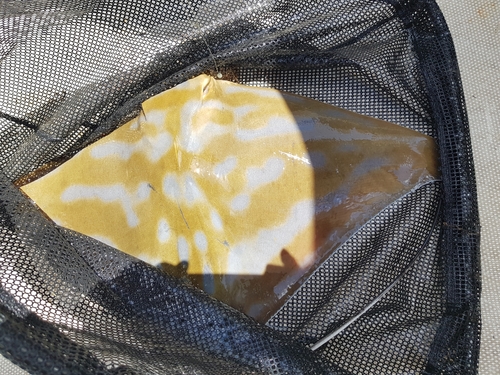
Southern Eagle Ray
Seen 3 months ago
at Neptune Islands
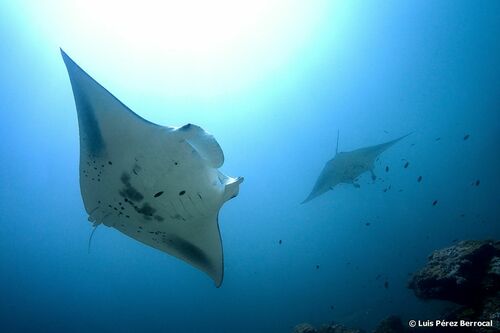
Manta ray
Seen 3 months ago
at Ningaloo Whale Shark Encounter
Vulnerable
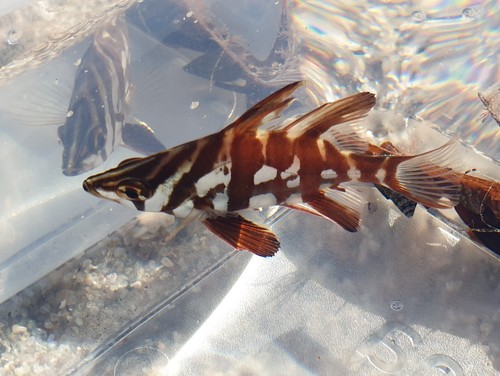
Old Wives
Seen 4 months ago
at HMAS Hobart
Least concern
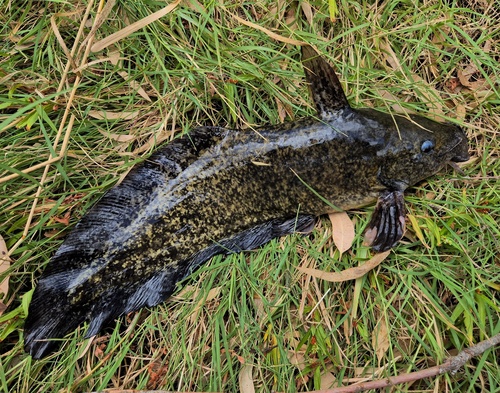
Eel-tailed Catfish
Seen 4 months ago
at Engelbrecht Cave
Least concern
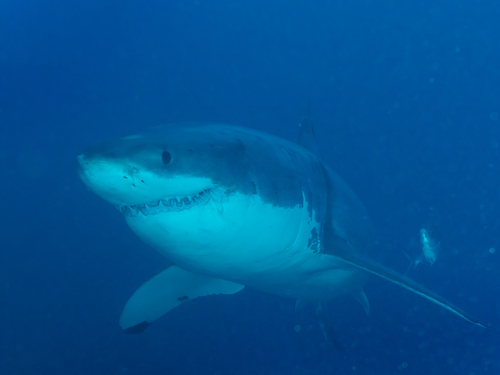
Great White Shark
Seen 4 months ago
at Neptune Islands
Vulnerable
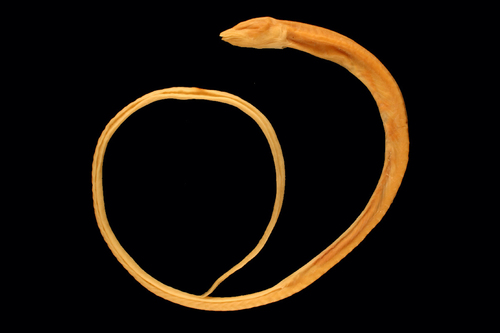
Blind Cave Eel
Seen 4 months ago
at Cocklebiddy cave
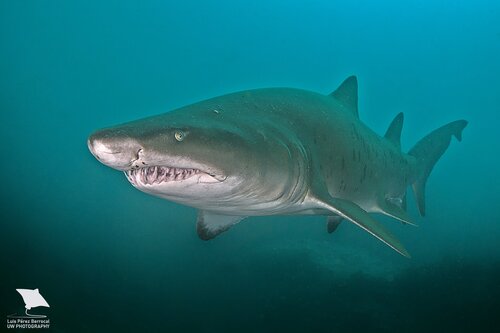
Grey nurse shark
Seen 4 months ago
at Navy Pier Exmouth
Critically endangered
Eurasian Blackbird
Seen 5 months ago
at Ewens Ponds
Least concern
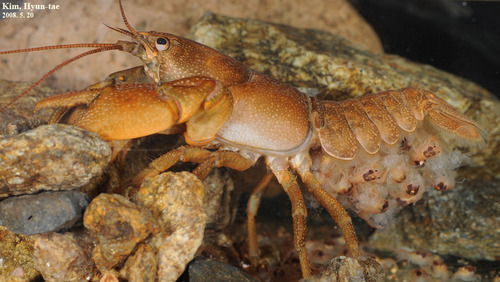
Freshwater crayfish
Seen 5 months ago
at Ewens Ponds
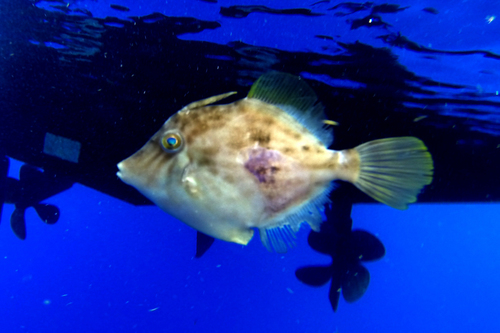
Leatherjackets
Seen 5 months ago
at HMAS Hobart
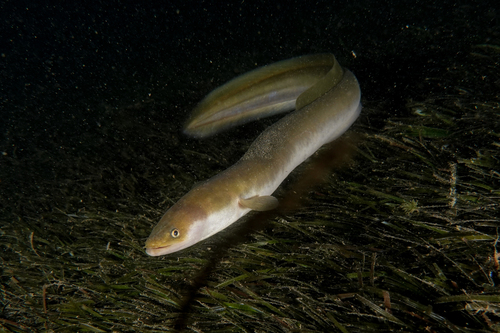
Short-finned eel
Seen 5 months ago
at Ewens Ponds
Near threatened
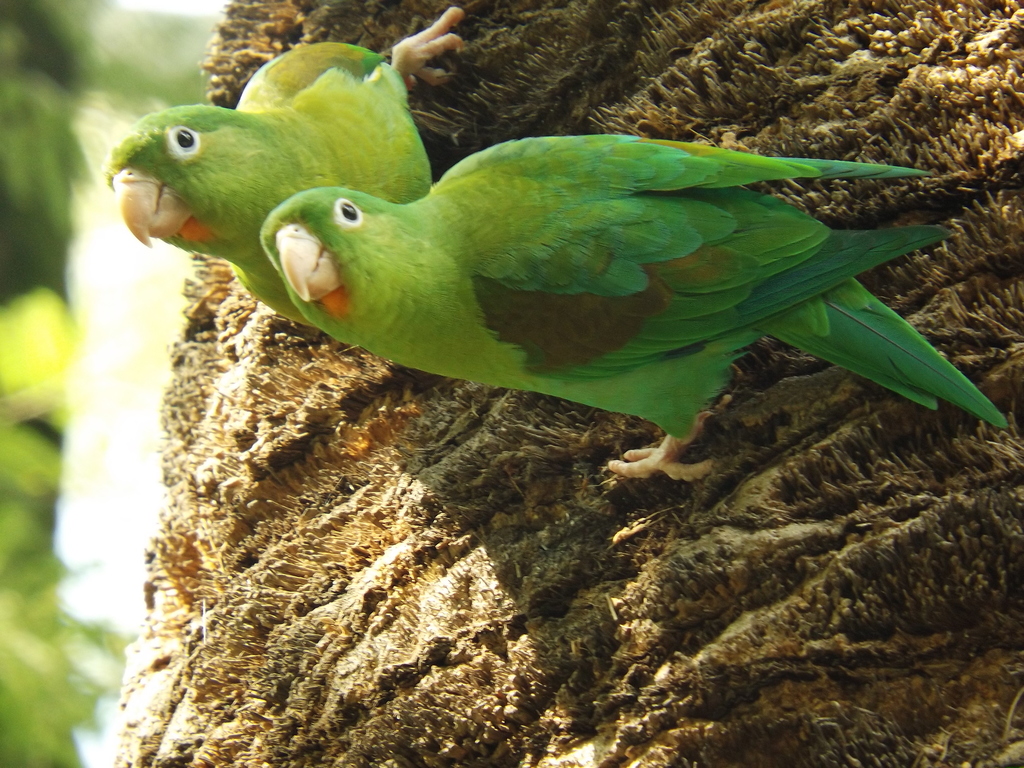
Orange-Chinned Parakeet
Seen 5 months ago
at Fossil Cave
Least concern
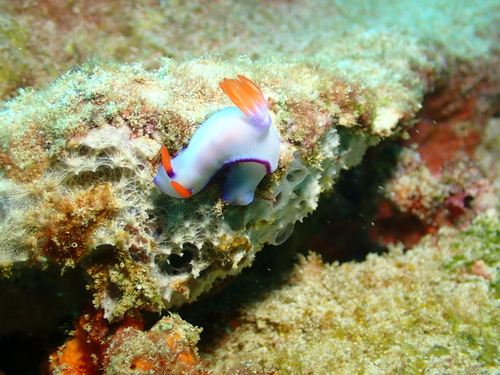
Hypselodoris brycei
Seen 6 months ago
at Navy Pier Exmouth
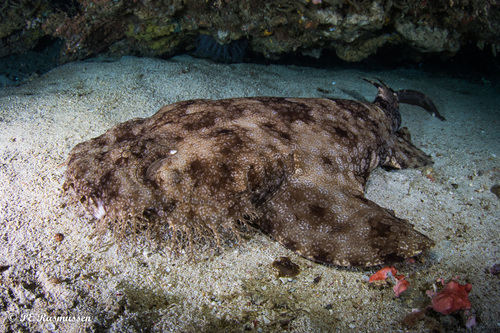
Tasselled wobbegong
Seen 7 months ago
at Navy Pier Exmouth
Least concern
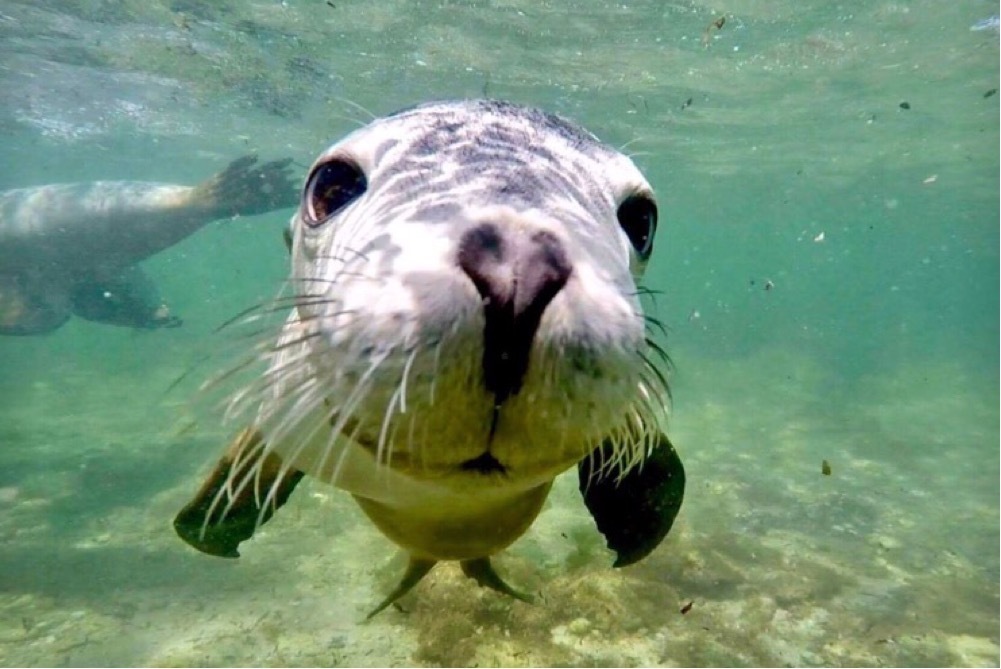
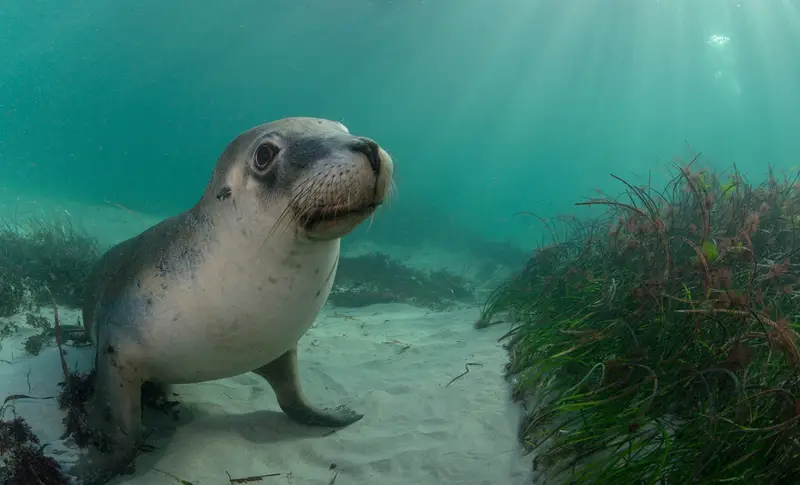
Australian Sea Lion
Seen 7 months ago
at Neptune Islands
Endangered
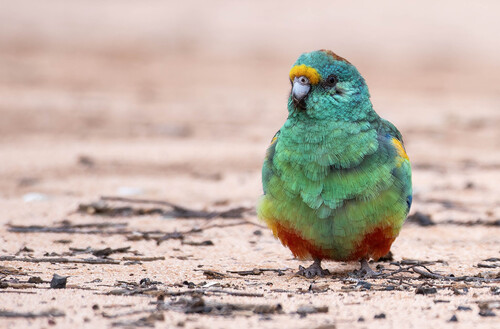
Mulga Parrot
Seen Oct 2025
at Cocklebiddy cave
Least concern
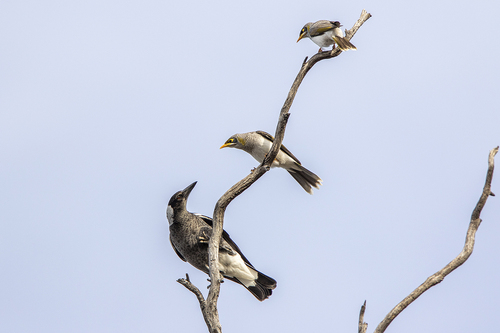
Yellow-Throated Miner
Seen Oct 2025
at Cocklebiddy cave
Least concern
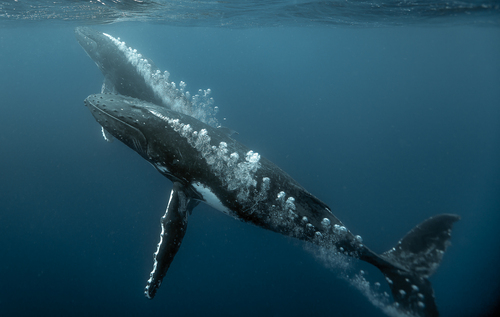
Humpback whale
Seen Sep 2025
at Ningaloo Whale Shark Encounter
Least concern
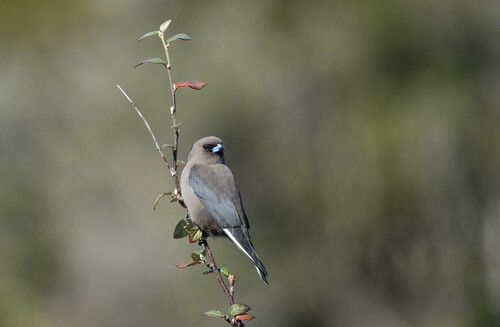
Dusky Woodswallow
Seen Feb 2025
at Cocklebiddy cave
Least concern
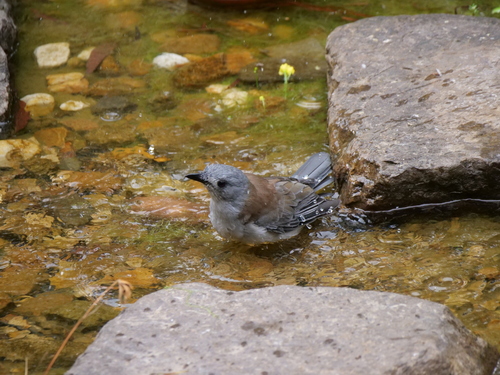
Gray Shrikethrush
Seen Feb 2025
at Cocklebiddy cave
Least concern
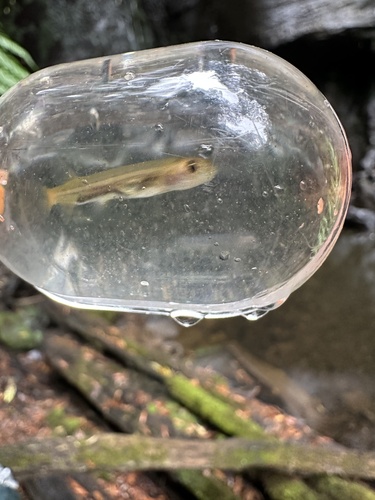
Australian Smelt
Seen year round
at Engelbrecht Cave
Least concern
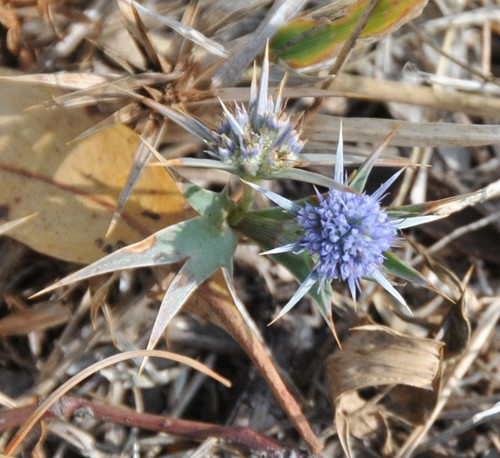
Blue Devils
Seen year round
at HMAS Hobart
Crenarum Syncarid
Seen year round
at Fossil Cave
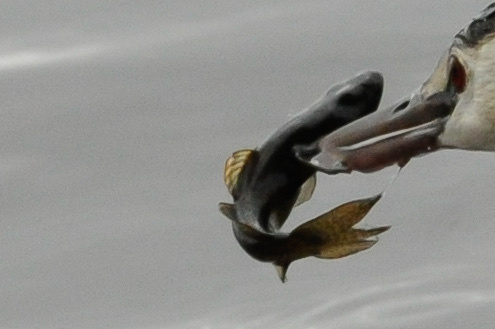
Flathead Gudgeon
Seen year round
at Engelbrecht Cave
Least concern
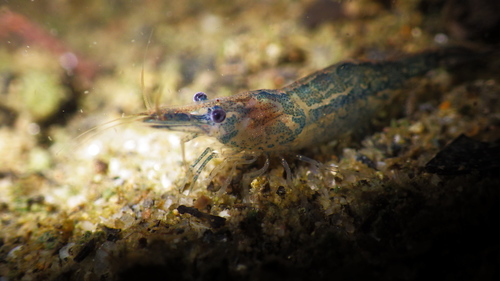
Freshwater Shrimp
Seen year round
at Cocklebiddy cave
Galaxias fish
Seen year round
at Ewens Ponds
Hornei Syncarid
Seen year round
at Fossil Cave
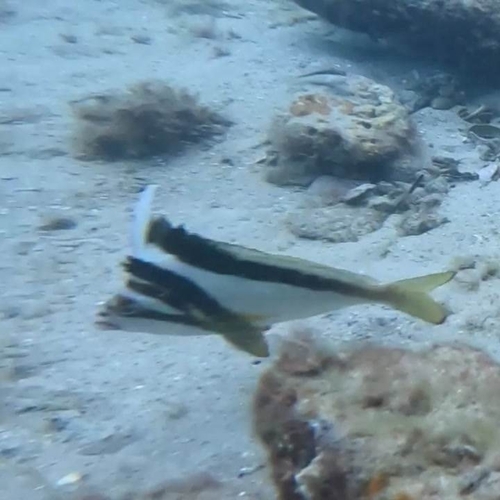
Morwong
Seen year round
at HMAS Hobart
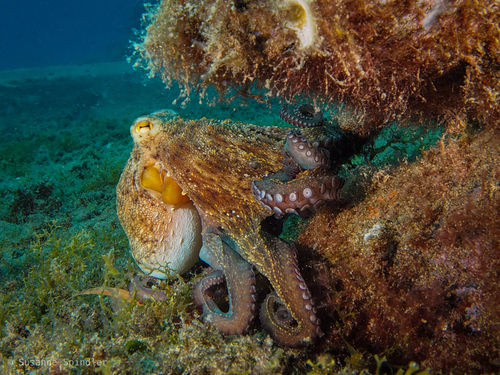
Octopus
Seen year round
at HMAS Hobart
Least concern
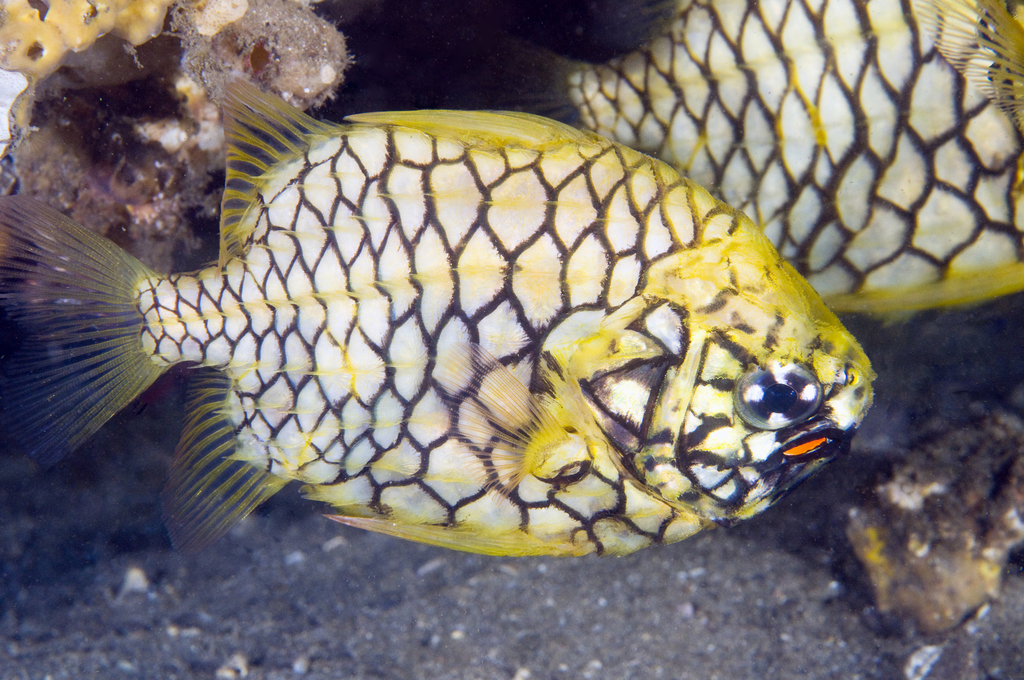
Pineapplefish
Seen year round
at Navy Pier Exmouth
Least concern
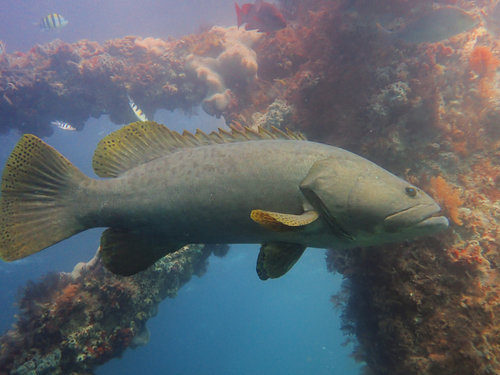
Giant Queensland grouper
Seasonal visitor
at Navy Pier Exmouth
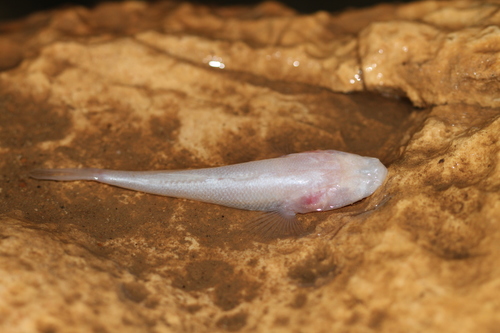
Cave Gudgeon
Rare sighting
at Cocklebiddy cave
Dive sites
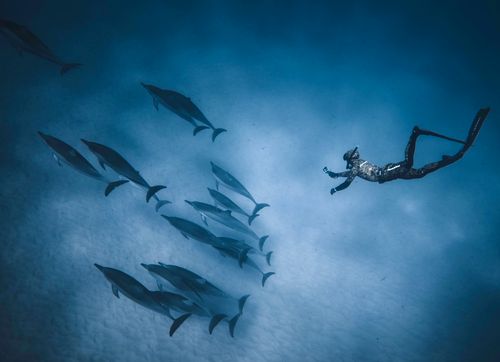
Ningaloo Whale Shark Encounter
whale shark · manta ray · humpback whale · semicircle angelfish
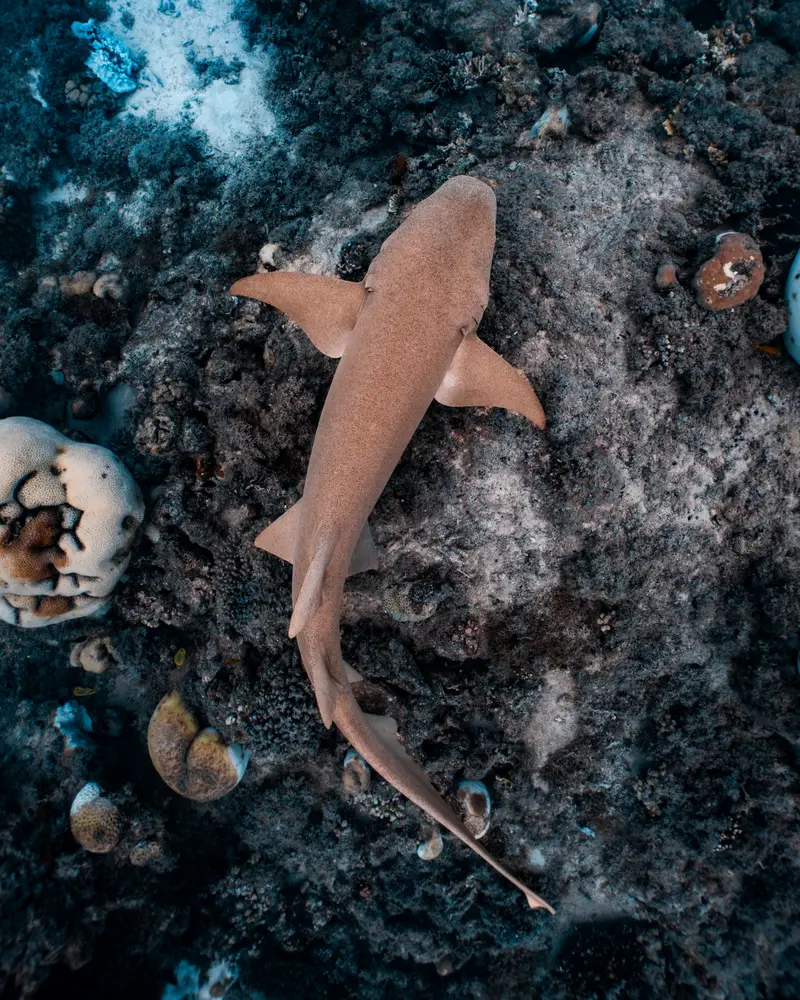
Navy Pier Exmouth
grey nurse shark · tasselled wobbegong · giant queensland grouper · pineapplefish
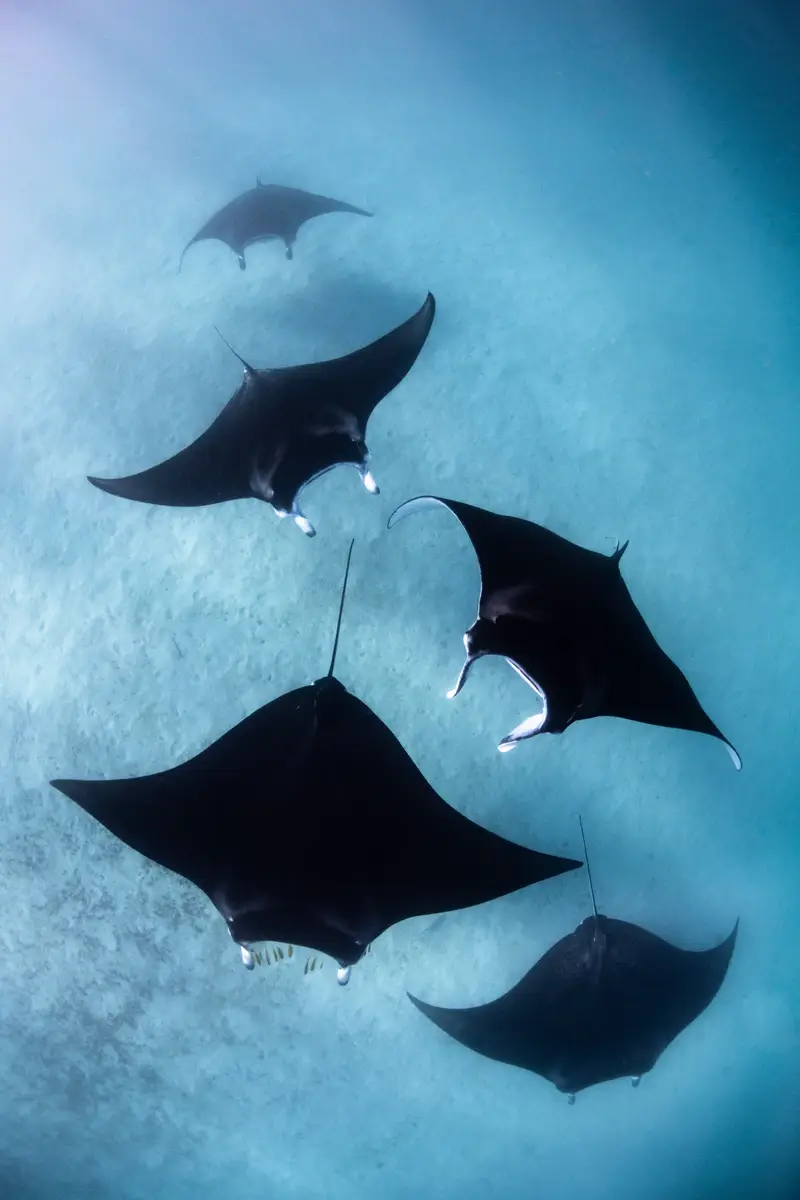
Cocklebiddy cave
blind cave eel · cave gudgeon · freshwater shrimp · gray shrikethrush
Engelbrecht Cave
eel-tailed catfish · australian smelt · flathead gudgeon · superb fairywren
Ewens Ponds
short-finned eel · freshwater crayfish · galaxias fish · superb fairywren
Fossil Cave
flathead gudgeon · eel-tailed catfish · orange-chinned parakeet · crenarum syncarid
What divers say
Walking onto a beach, looking left and seeing whale sharks two minutes offshore — Ningaloo makes it feel ordinary.
Good to know
Whale shark code
Strict no touch, distance rules. Operators enforce.