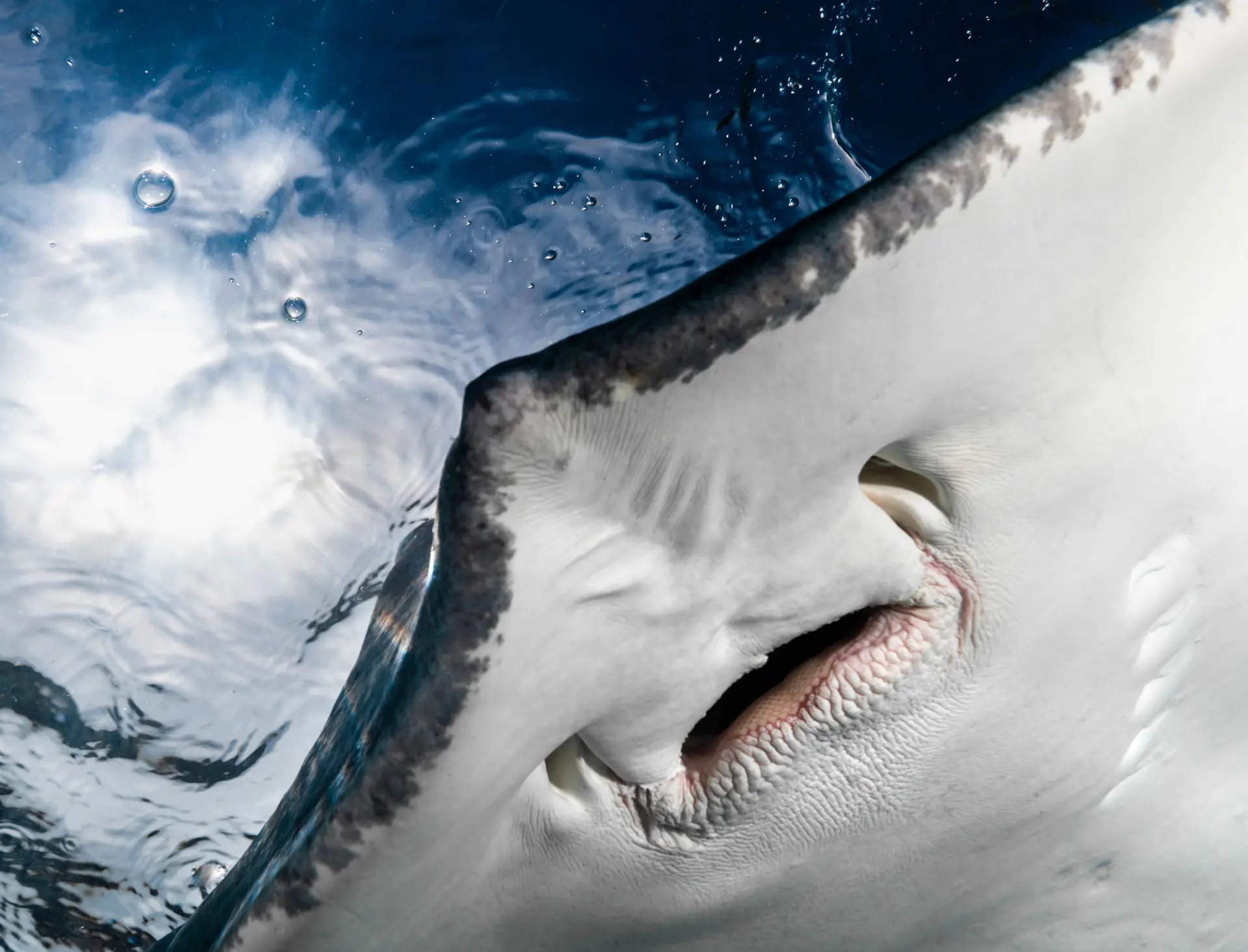
Poor Knights Islands
New Zealand · Northland
The Poor Knights Islands off New Zealand's east coast are a marine reserve Jacques Cousteau called one of the world's top ten dive sites — volcanic arches, caves, big schools, and subtropical species at higher latitude than they should be.
How this reef is doing
ⓘ How we measure thisReef state
Sub tropical warm current rocky reef. Stingrays, mating schools. Not coral but biodiverse.
Coral cover
Fish life
Heat
No unusual heat right now.
Fishing
Protected on paper, but boats are still busy nearby.
Sources · Reef Life Survey · NOAA Coral Reef Watch · Global Fishing Watch and reef gravity
Coral cover over time
Live coral cover, by survey year
Across surveys in 2014 and 2024, live coral cover here has held steady at about 30%. Every point is a real survey reading, never a projection.
Live coral cover, percent by year
| Year | Coral cover |
|---|---|
| 2014 | 30% |
| 2024 | 30% |
What you will see
17 species across the dive sites here
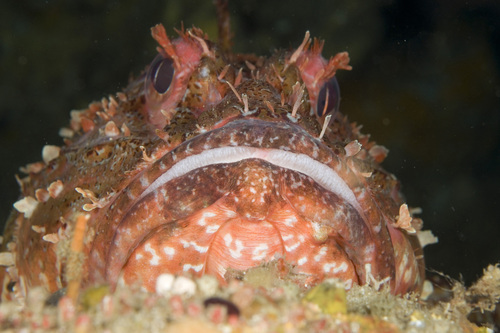
Cook'S Scorpionfish
Seen 3 months ago
at Rikoriko Cave
Least concern
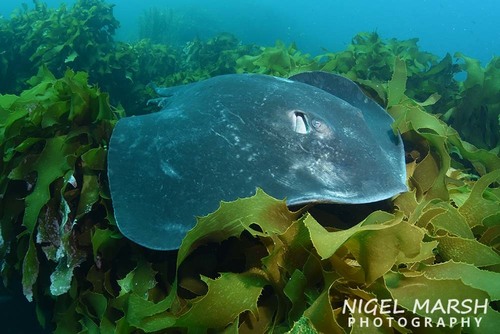
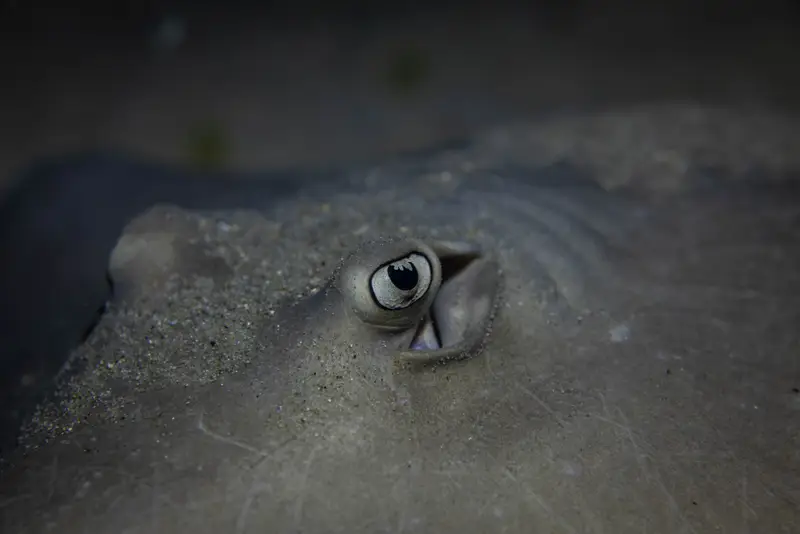
Short-tail stingray
Seen 3 months ago
at Northern Arch
Least concern
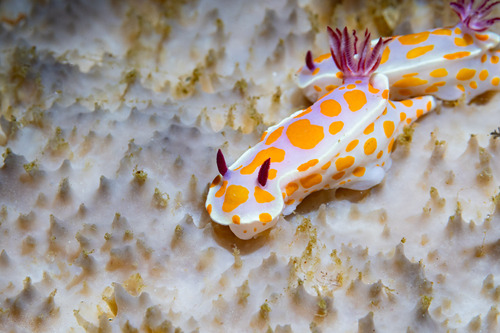
Clown Doris
Seen 4 months ago
at Rikoriko Cave
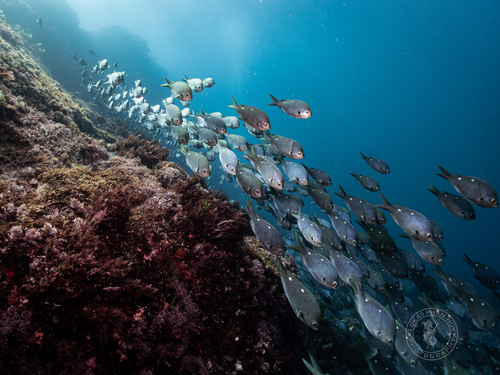
New Zealand Demoiselle
Seen 4 months ago
at Rikoriko Cave
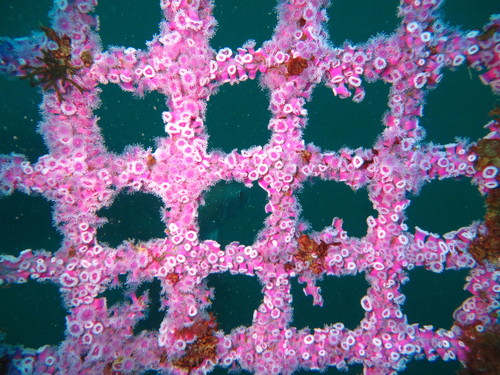
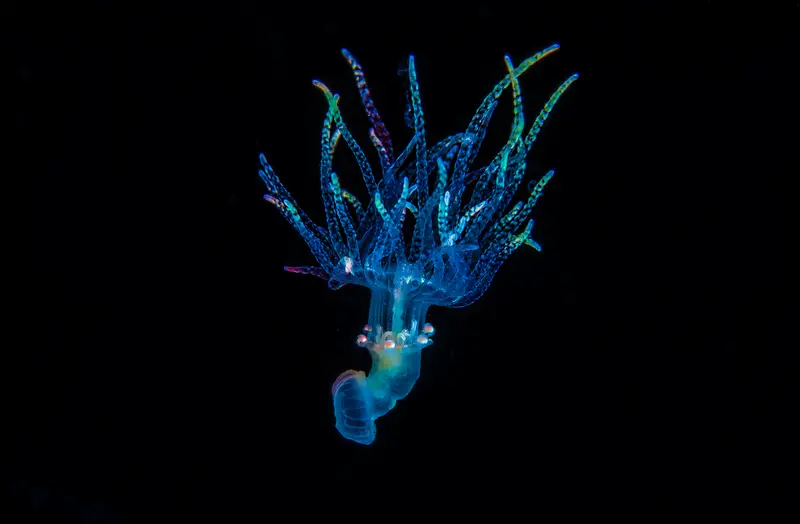
Jewel anemone
Seen 4 months ago
at Rainbow Warrior
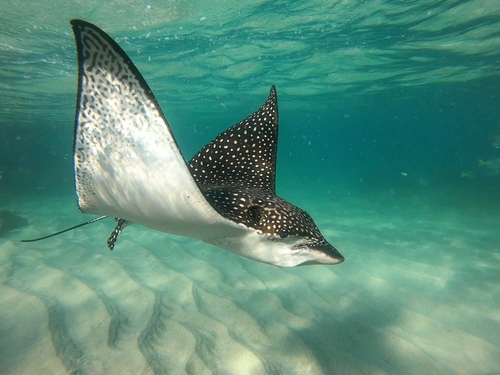
Stingray
Seen 5 months ago
at Rikoriko Cave
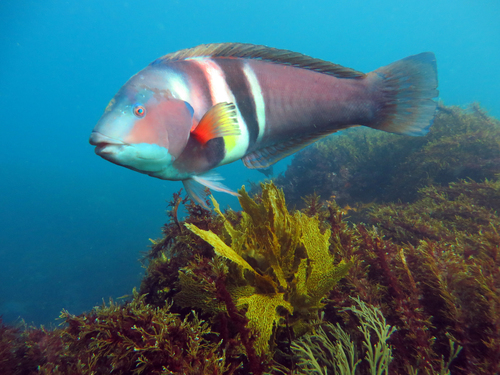
Eastern King Wrasse
Seen 7 months ago
at Rikoriko Cave
Least concern
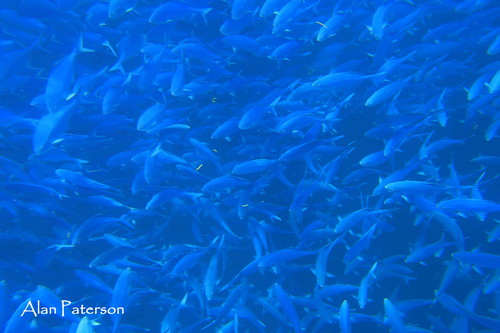
Blue maomao
Seen 7 months ago
at Rainbow Warrior
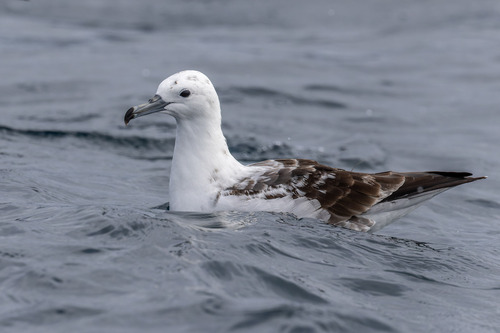
Buller'S Shearwater
Seen 7 months ago
at Rikoriko Cave
Vulnerable
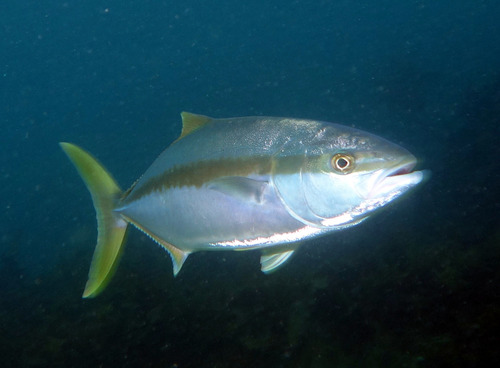
Kingfish
Seen 7 months ago
at Northern Arch
Least concern
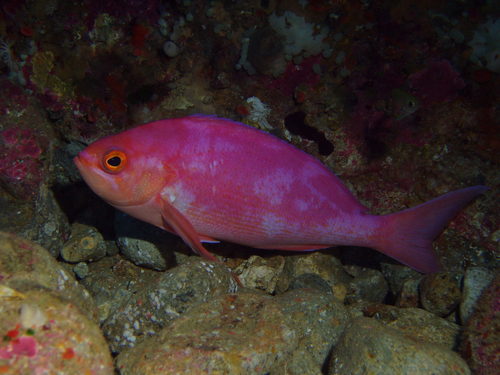
Pink maomao
Seen 7 months ago
at Northern Arch
Least concern
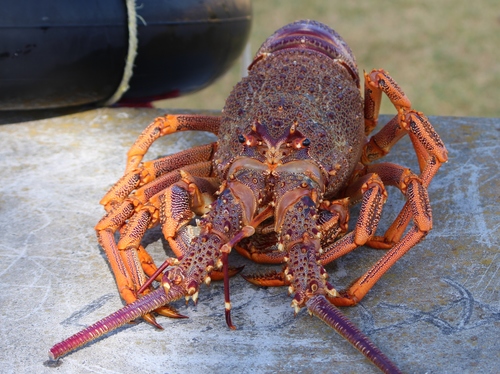
Spiny rock lobster
Seen 8 months ago
at Rainbow Warrior
Least concern
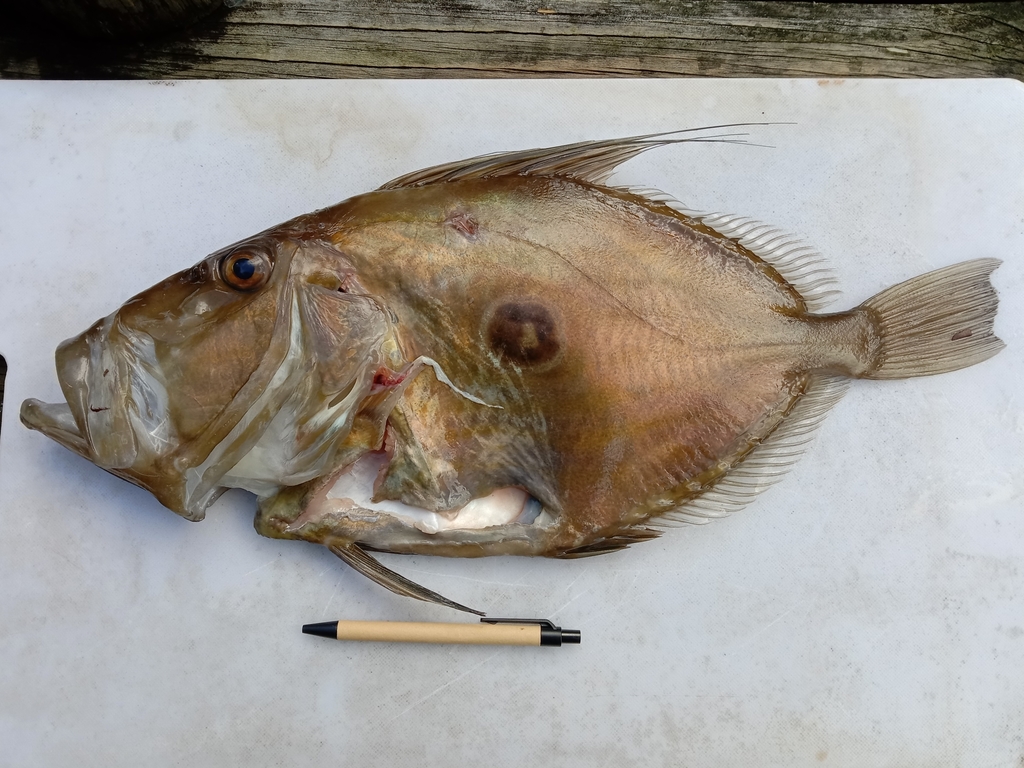
John dory
Seen 11 months ago
at Rainbow Warrior
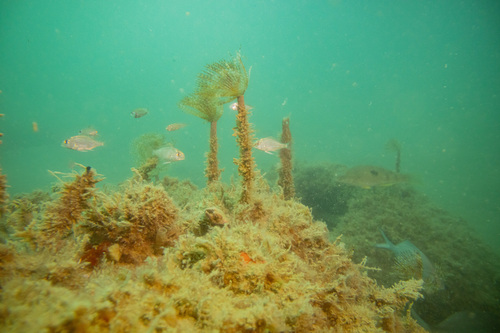
Snapper
Seen Feb 2025
at Rainbow Warrior
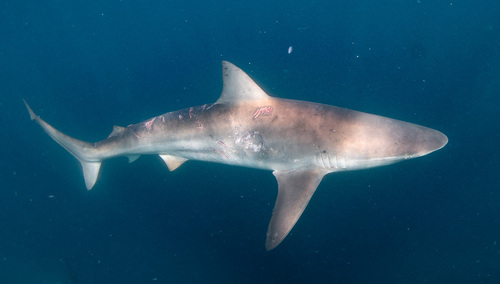
Bronze whaler shark
Seen Feb 2025
at Northern Arch
Vulnerable
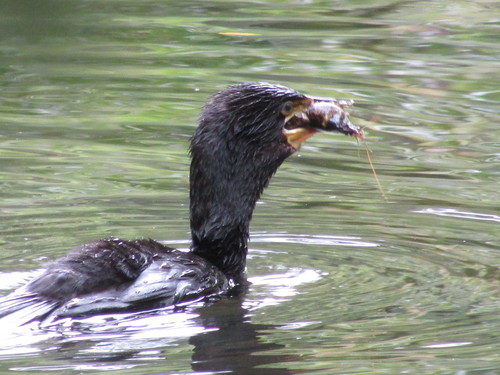
Crayfish
Seen year round
at Rikoriko Cave
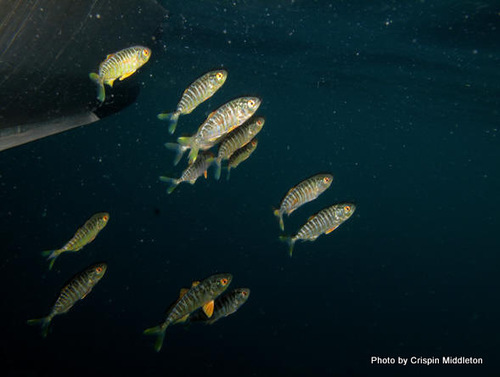
Yellowtail kingfish
Seasonal visitor
at Rainbow Warrior
Least concern
Dive sites
What divers say
Subtropical fish that shouldn't be at this latitude, in water that shouldn't be this clear. Poor Knights breaks the rules.
Good to know
Cold water
7mm year round; many divers use semi dry or drysuit in winter.