French Polynesia · Tuamotu Archipelago

Tiputa Pass

Long main season for pass diving, dolphins and big schools.

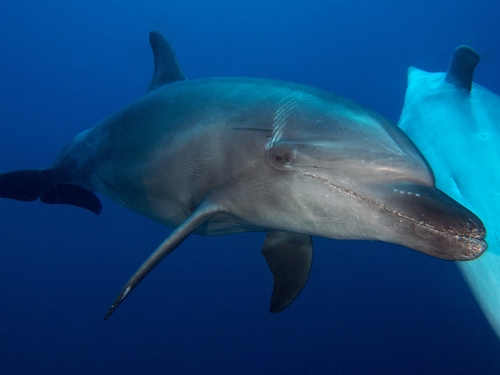
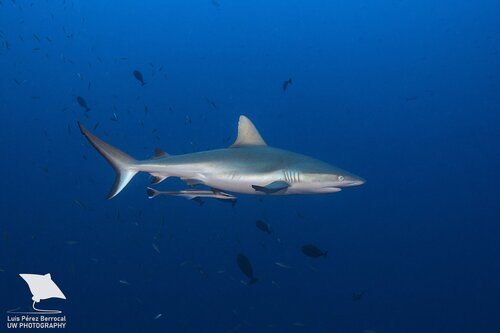
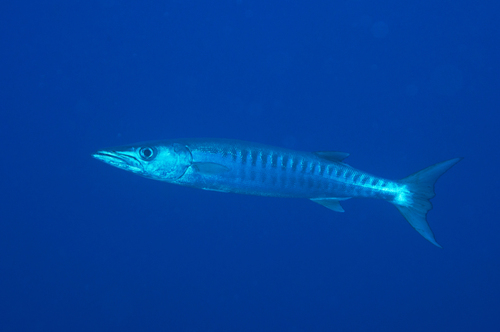
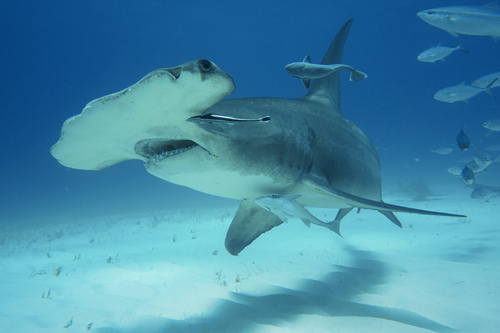
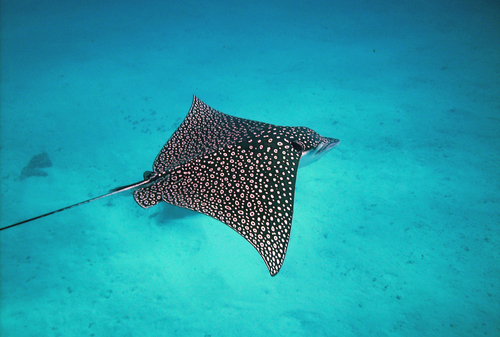
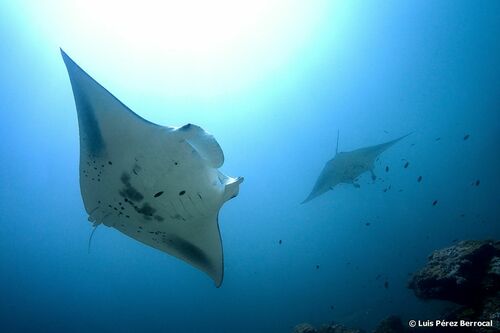
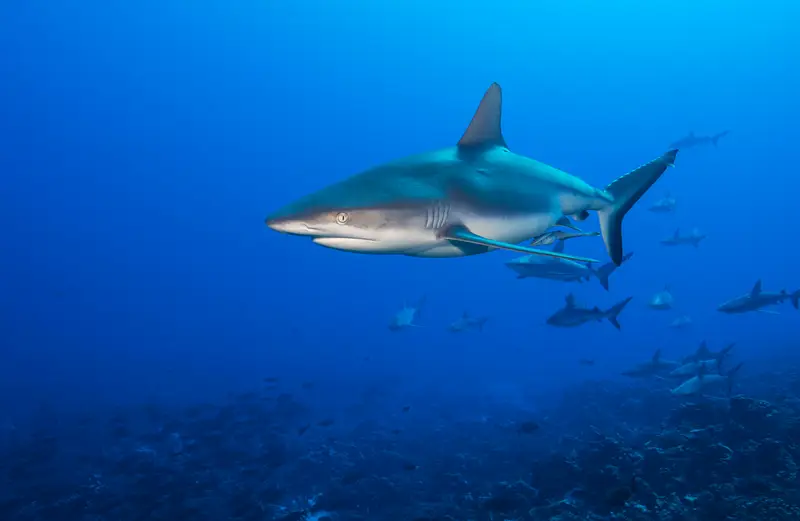
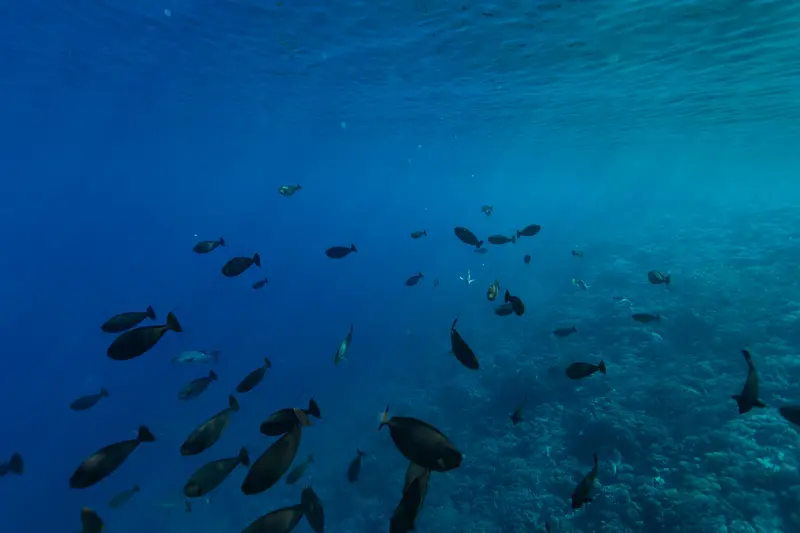
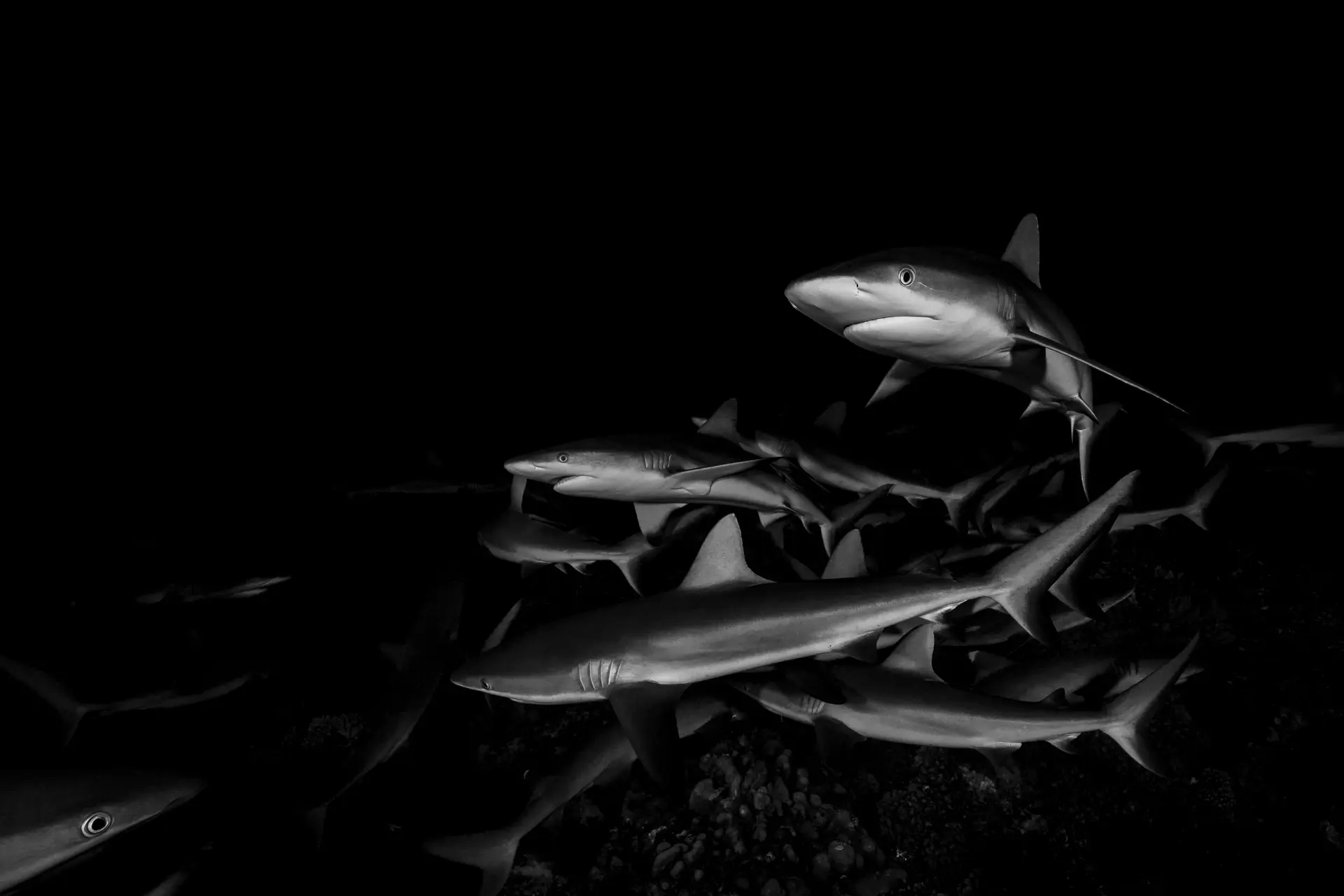
Rangiroa is the world's second-largest atoll, with two passes (Tiputa, Avatoru) that funnel current and pelagics — grey reef sharks, dolphins (often), hammerheads (in season), tuna, manta rays. The Tuamotu archipelago's gateway atoll.

Good season

Jan
Feb
Mar
Apr
May
Jun
Jul
Aug
Sep
Oct
Nov
Dec

Year-round divable; May–November is drier. Hammerheads peak December–March.

Trip duration

5–7 nights, often combined with Fakarava.

Dive style

Pass diving on incoming current with negative entries; safety stops in blue water.

Dive level

Advanced + current comfort.

Reef health

What you’ll actually find
Holding steady

One of the few reefs whose live coral has held up over the last decade. Plan with confidence.

Coral reef health

How is this calculated?
A decade ago
Survey 2014
44%
Today
Survey 2024
42%

On current trend, no live coral by ~2234. Losing about 0.2% cover per year — roughly 210 years of reef left to see if nothing changes.

Heat stress right now

No stress

No abnormal heat right now. Corals stay coloured.

NOAA Coral Reef Watch · updated May 2026 · 0 °C-week heat dose

What to expect on a dive

Tiputa Pass dolphins and shark schooling are the draw. Reef cover at the pass is stable.

Sources, methodology, and the raw numbers

Raw observed numbers

  • Coral cover: 42% (survey Sep 2024, CRIOBE long-term reef monitoring)
  • Bleached: 6%
  • Recent mortality: 2%
  • French Polynesia — observed condition reflects the stable regional pattern.

Raw thermal numbers

  • NOAA CRW alert level: No stress
  • Degree Heating Weeks: 0 °C-wk
  • SST anomaly: +0.4 °C

How we summarise this

Observed coral cover, bleaching, and mortality come from named in-situ surveys with a stated date and method — they describe one snapshot of one reef and do not extrapolate to neighbouring sites. Current thermal stress is satellite-derived from NOAA Coral Reef Watch at ~5 km resolution; it indicates risk, not observed coral damage. We deliberately separate observed condition, current thermal stress, and projection — and we never publish a projection without a documented model and uncertainty.

Sources

Reef condition changes year to year. If you visit, consider supporting responsible-travel and conservation operators on the ground.

Pressure on this reef

Protection · fishing · what you can do

Protected-area status

Multi-use MPA

Inside a designated MPA that permits regulated fishing and other uses. Worth checking which zones at this location are no-take.

Fishing pressure

Low fishing pressure

Dominant pressures

  • tourism
  • warming

1 Green Fins-verified operator known at this location.

What you can do

Most French Polynesian atolls have community-managed protection. Choose operators that funnel fees to the local commune.

Protection status sourced from Protected Planet / WDPA and refined with Marine Protection Atlas. Fishing pressure proxy is Global Fishing Watch AIS data. See the methodology for what these sources can and can’t prove.

Dive sites here

2 curated

Gear

What to bring

Basic kit

Site-specific add-ons

Some dive sites here call for extra gear. Check the individual site page for full context.

  • SMBDrift exit into the lagoon every dive. · Tiputa Pass
  • Reef hookFor watching the channel mouth action while the current screams past. · Tiputa Pass

What divers say

Dolphins joined our pass dive at Tiputa and surfed the current with us. Polynesia's signature moment.
Repeat guest