Sal
Cape Verde · Atlantic Ocean
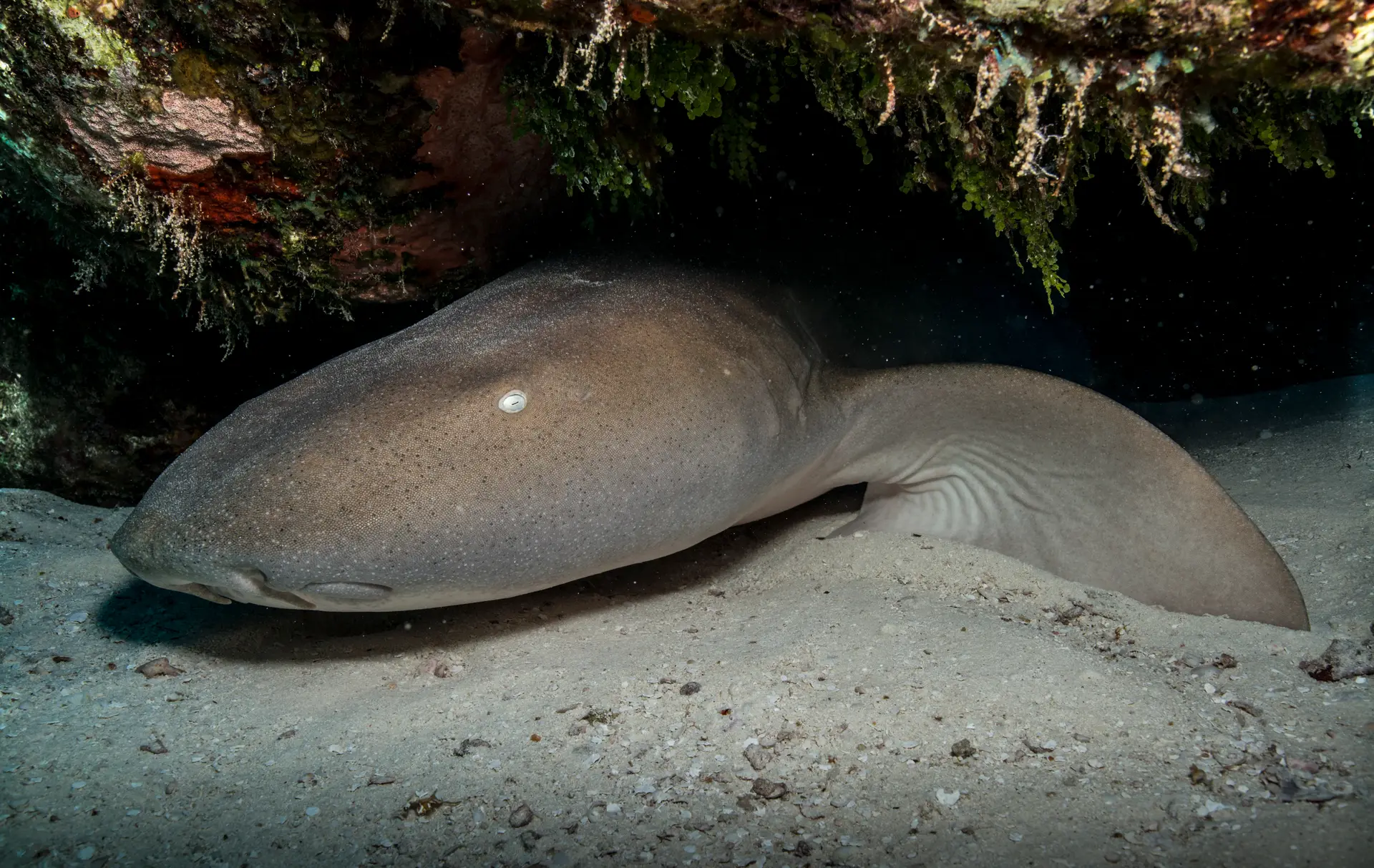
Sal Island in Cape Verde sits in the central Atlantic — volcanic walls, caves, lemon sharks (in season), and the occasional whale shark and pelagic visitor. The Atlantic feel and Portuguese-creole culture differentiate it.
How this reef is doing
ⓘ How we measure thisReef state
Atlantic rays, lemon sharks, and macro on volcanic substrate. Limited hard coral cover historically.
Coral cover
Fish life
Heat
Hot enough that coral is bleaching now.
Fishing
Some fishing is allowed here, in marked zones.
Sources · Reef survey · NOAA Coral Reef Watch · Global Fishing Watch and reef gravity
Coral cover over time
Live coral cover, by survey year
Across surveys in 2014 and 2024, live coral cover here has fallen from 28% to 22%. Every point is a real survey reading, never a projection.
Live coral cover, percent by year
| Year | Coral cover |
|---|---|
| 2014 | 28% |
| 2024 | 22% |
What you will see
9 species across the dive sites here
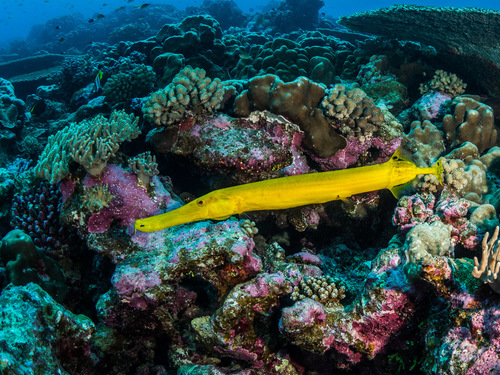
Trumpetfish
Seen 3 months ago
at Santo Antao Wreck
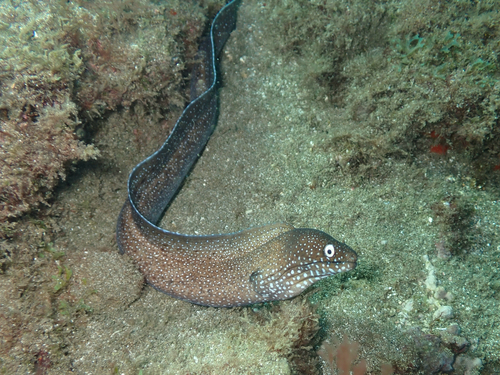
Moray eel
Seen 3 months ago
at Santo Antao Wreck
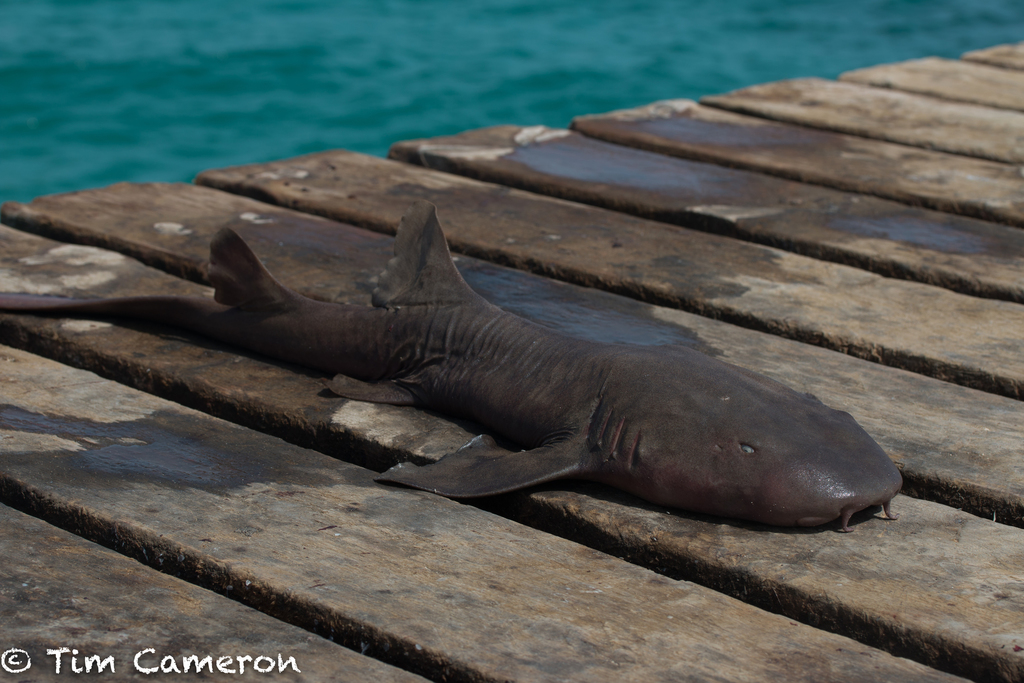
Nurse shark
Seen 9 months ago
at Kwarcit Wreck
Vulnerable
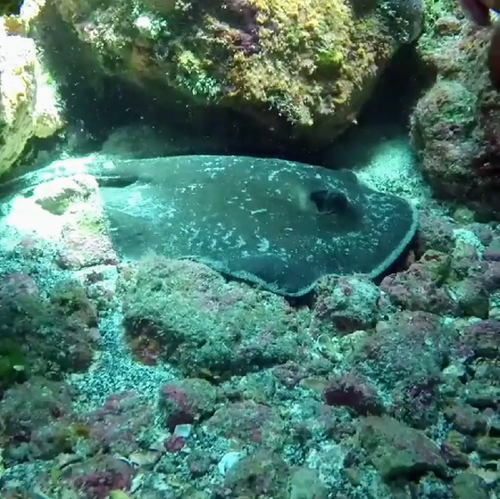
Round stingray
Seen 10 months ago
at Kwarcit Wreck
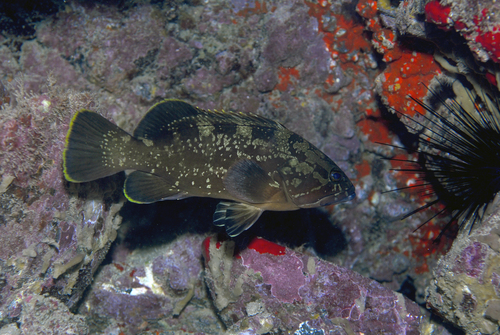
Dusky grouper
Seen year round
at Kwarcit Wreck
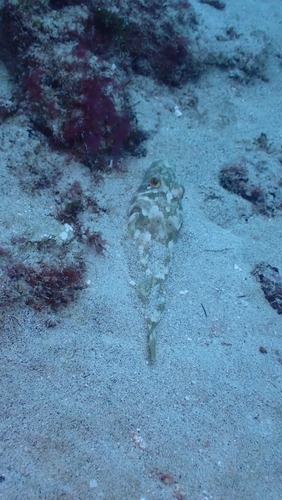
Pufferfish
Seen year round
at Santo Antao Wreck
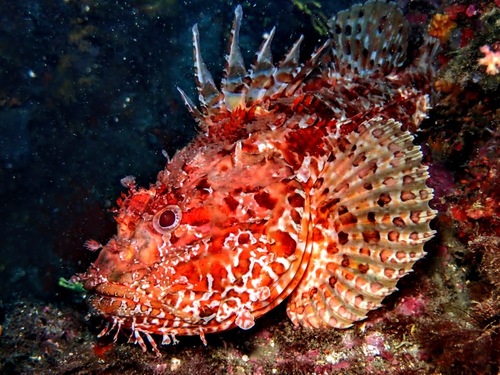
Red scorpionfish
Seen year round
at Kwarcit Wreck
Least concern
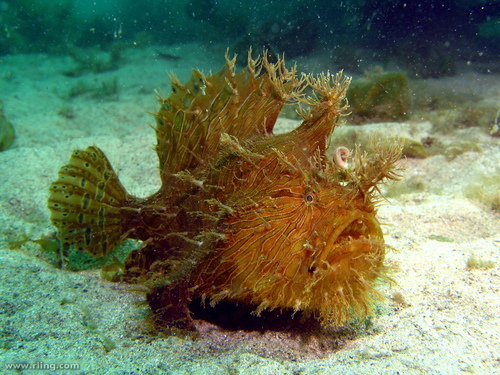
Striated frogfish
Seen year round
at Kwarcit Wreck
Least concern
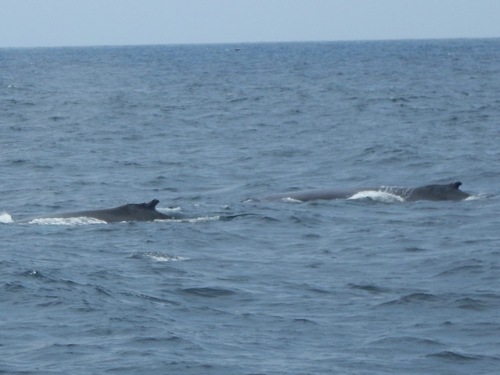
Humpback whale
Seasonal visitor
at Santo Antao Wreck
Least concern
Dive sites
What divers say
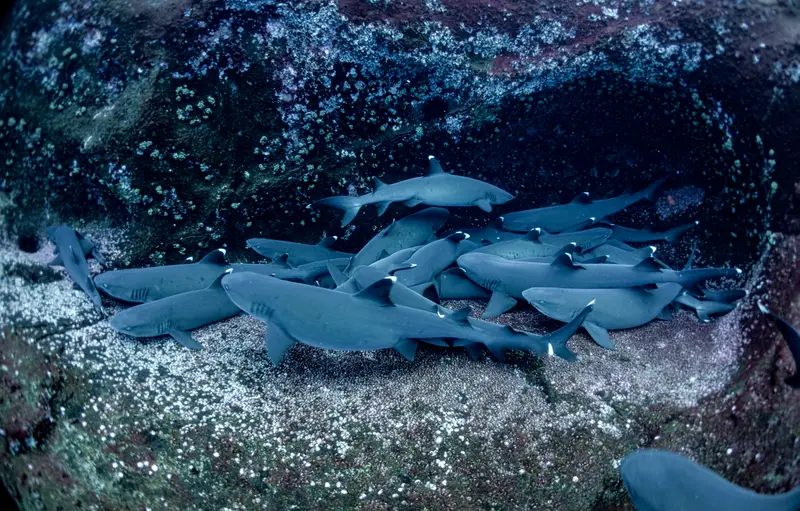
Lemon sharks in a sand bowl, dozens at a time. An off the beaten track shark experience.
Good to know
Atlantic surge
Long-period swell on the east coast; choose sites accordingly.