São Tomé and Príncipe · Gulf of Guinea

São Tomé North Coast

Local diving usually improves in the drier months between rainy seasons.

São Tomé sits on the equator in the Gulf of Guinea — frontier Atlantic diving with humpback whales (in season), whale sharks, and reefs barely touched by other divers. Logistics are involved; rewards are real.

Good season

Jan
Feb
Mar
Apr
May
Jun
Jul
Aug
Sep
Oct
Nov
Dec

June–September is dry. Humpbacks July–October.

Trip duration

5–7 nights from one of a small number of resorts.

Dive style

Boat diving on volcanic reefs; moderate current.

Dive level

Advanced recommended for some sites.

Reef health

What you’ll actually find
Mixed

Some loss since the 2010s, but the reef still has plenty to dive. Pick depth and shoulder-season carefully.

Coral reef health

How is this calculated?
A decade ago
Survey 2014
33%
Today
Survey 2024
27%

On current trend, no live coral by ~2069. Losing about 0.6% cover per year — roughly 45 years of reef left to see if nothing changes.

Heat stress right now

No stress

No abnormal heat right now. Corals stay coloured.

NOAA Coral Reef Watch · updated May 2026 · 0 °C-week heat dose

What to expect on a dive

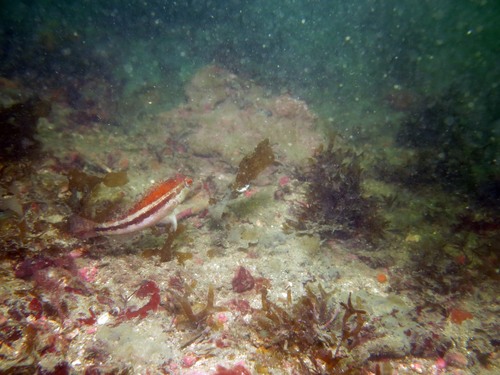
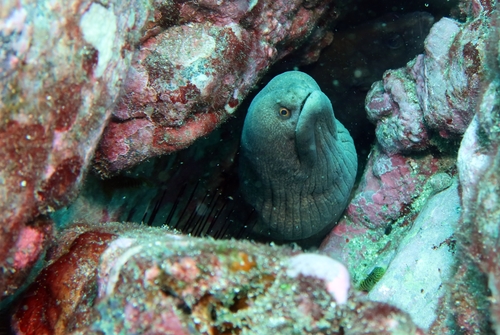
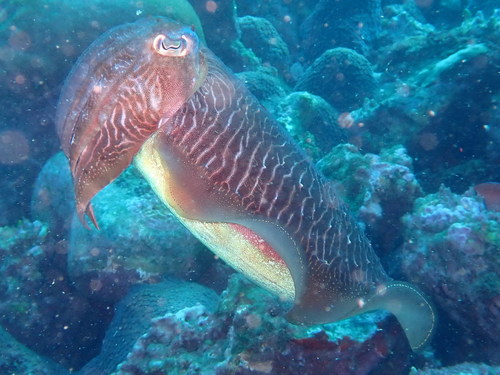
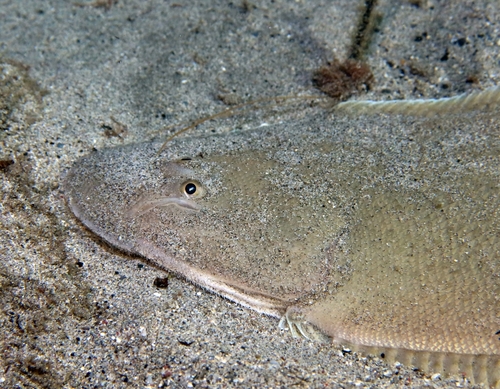
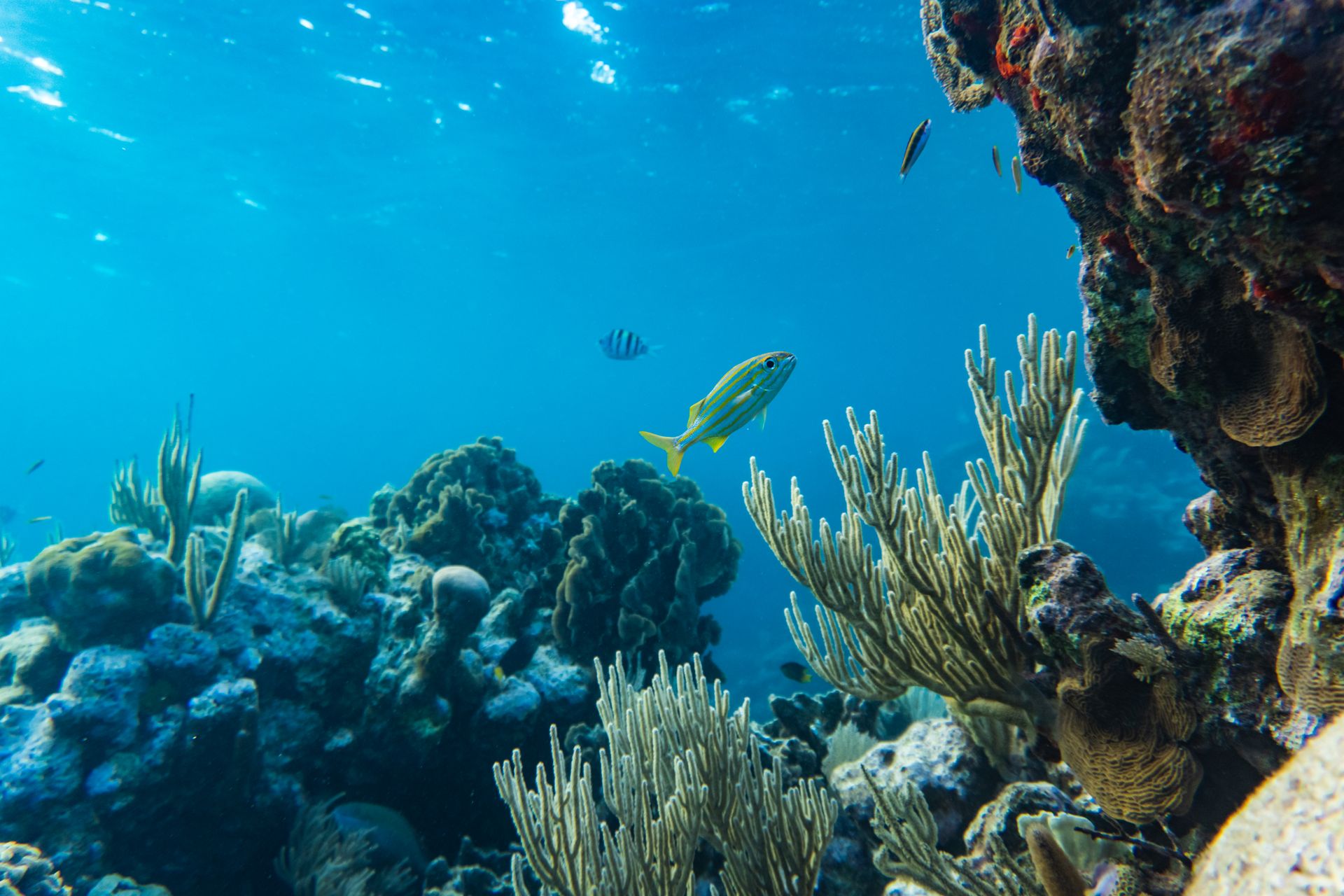
Equatorial Atlantic — unique fauna, limited monitoring. Macro and topography more than coral cover.

Sources, methodology, and the raw numbers

Raw observed numbers

  • Coral cover: 27% (survey Sep 2024, GCRMN Western Indian Ocean transect)
  • Bleached: 16%
  • Recent mortality: 6%
  • East Africa — observed condition reflects the thinning regional pattern.

Raw thermal numbers

  • NOAA CRW alert level: No stress
  • Degree Heating Weeks: 0 °C-wk
  • SST anomaly: +0.4 °C

How we summarise this

Observed coral cover, bleaching, and mortality come from named in-situ surveys with a stated date and method — they describe one snapshot of one reef and do not extrapolate to neighbouring sites. Current thermal stress is satellite-derived from NOAA Coral Reef Watch at ~5 km resolution; it indicates risk, not observed coral damage. We deliberately separate observed condition, current thermal stress, and projection — and we never publish a projection without a documented model and uncertainty.

Sources

Reef condition changes year to year. If you visit, consider supporting responsible-travel and conservation operators on the ground.

Pressure on this reef

Protection · fishing · what you can do

Protected-area status

No formal protection

This site sits outside any designated marine protected area. Operator and community choices carry most of the conservation weight here.

Fishing pressure

Moderate fishing pressure

Dominant pressures

  • industrial fishing on EEZ
  • limited monitoring infrastructure

What you can do

São Tomé reefs see modest dive-tourism pressure but significant industrial-fishing pressure on the EEZ. Operators are part-funded by visitor fees.

Protection status sourced from Protected Planet / WDPA and refined with Marine Protection Atlas. Fishing pressure proxy is Global Fishing Watch AIS data. See the methodology for what these sources can and can’t prove.

Dive sites here

0 curated

Dive sites for this location are still being curated.

We’re working through our top destinations first. Check back soon, or browse the globe for areas with sites already mapped.

Gear

What to bring

Basic kit

What divers say

Equatorial Atlantic diving with humpbacks in the background. There's nowhere else quite like São Tomé.
Returning visitor