Sipadan
Malaysia · Sabah
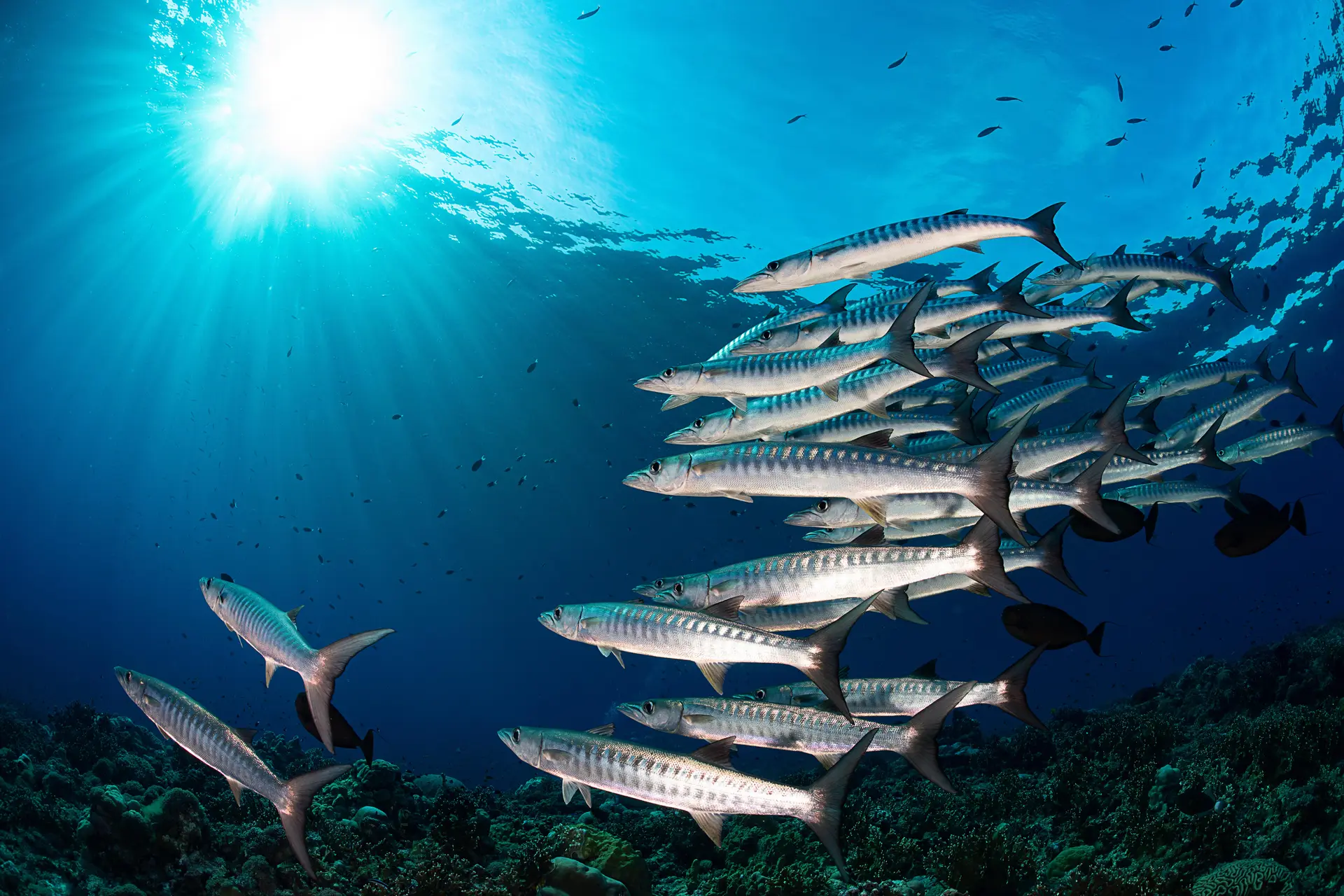
Sipadan is a single oceanic seamount rising 600m from the Celebes Sea floor — a tiny island ringed by walls, turtles, and one of the most reliable barracuda tornados in the sport. Access is capped at 176 divers per day; you stay on Mabul or Kapalai and boat over.
How this reef is doing
ⓘ How we measure thisReef state
Barracuda Point and turtle traffic are unchanged. Deep walls (>15 m) hold the best coral cover. Permit quota limits diver impact — a key reason it's still in this shape.
Coral cover
Fish life
Heat
Warmer than usual right now, but not hot enough to bleach.
Fishing
Quiet water, and fishing is fully banned here.
Sources · Reef Check surveys · NOAA Coral Reef Watch · Global Fishing Watch and reef gravity
Coral cover over time
Live coral cover, by survey year
Across surveys in 2014 and 2024, live coral cover here has fallen from 41% to 35%. Every point is a real survey reading, never a projection.
Live coral cover, percent by year
| Year | Coral cover |
|---|---|
| 2014 | 41% |
| 2024 | 35% |
What you will see
11 species across the dive sites here
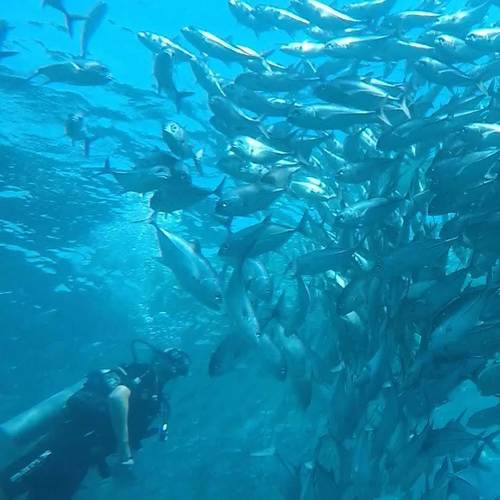
Bigeye trevally
Seen 4 months ago
at South Point
Least concern
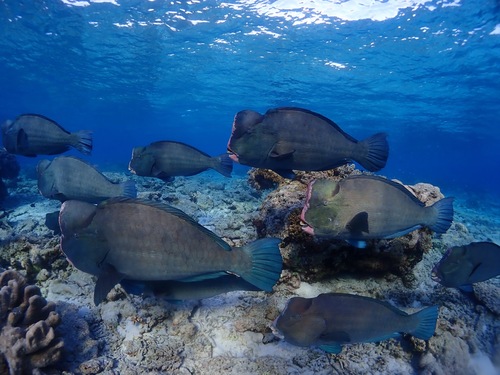
Bumphead parrotfish
Seen 4 months ago
at Turtle Tomb
Vulnerable
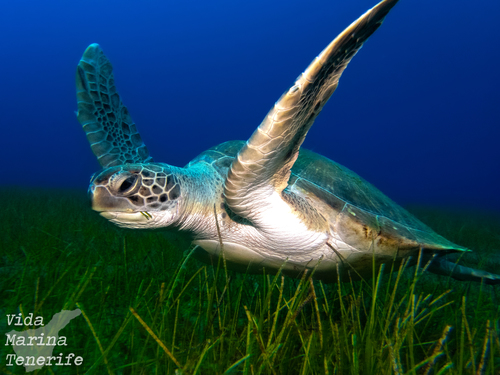
Green sea turtle
Seen 4 months ago
at Barracuda Point
Least concern
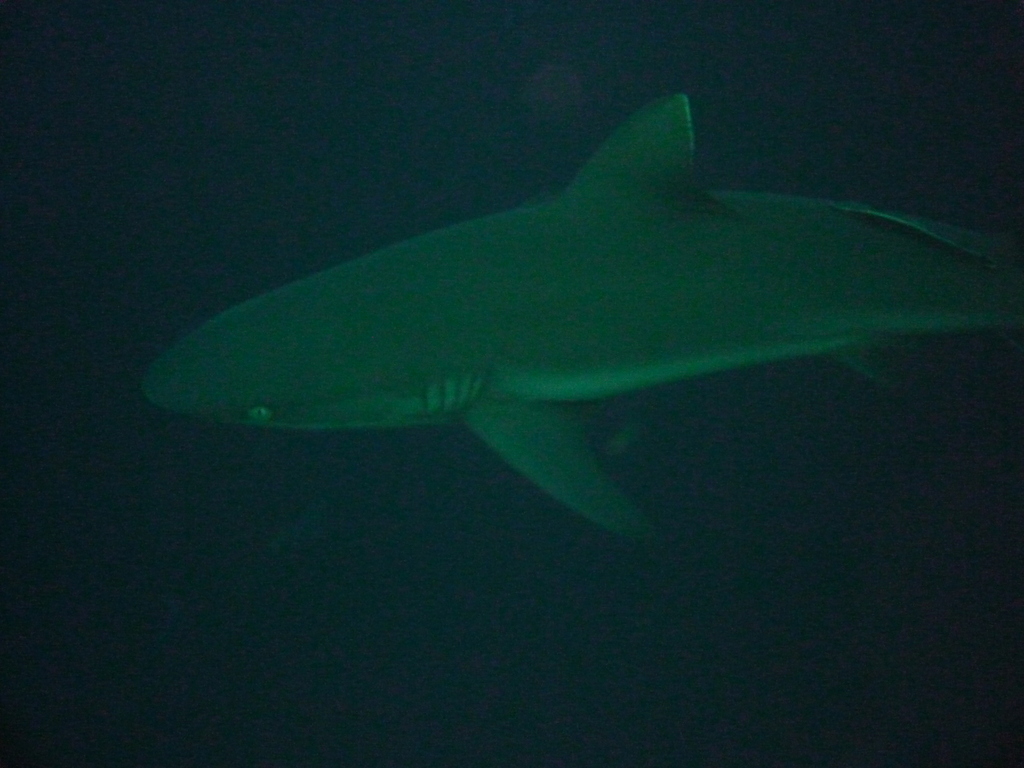
Grey reef shark
Seen 4 months ago
at South Point
Endangered
Schooling bigeye trevally
Seen 4 months ago
at Barracuda Point
Least concern
Schooling jacks
Seen 4 months ago
at Turtle Tomb
Least concern
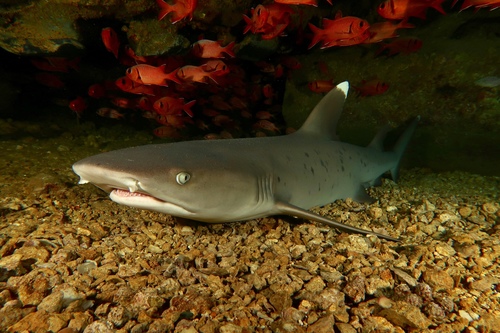
White-tip reef shark
Seen 4 months ago
at Barracuda Point
Vulnerable
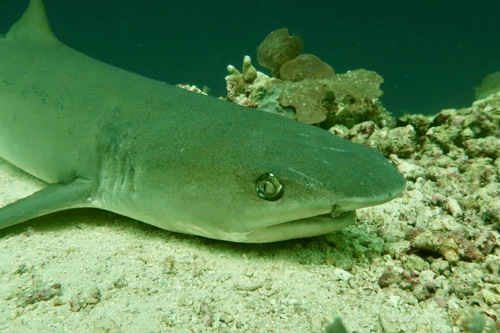
Whitetip reef shark
Seen 4 months ago
at Turtle Tomb
Vulnerable
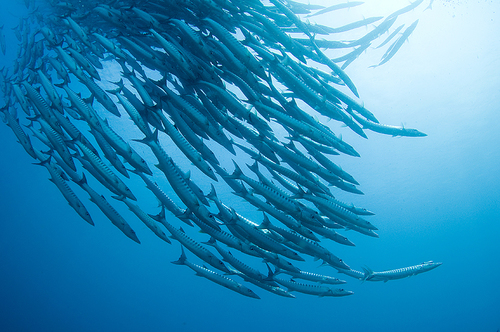
Chevron barracuda
Seen 4 months ago
at Barracuda Point
Least concern
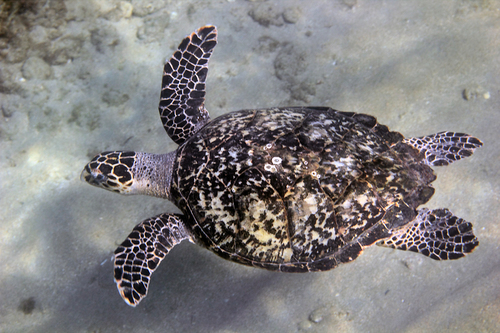
Hawksbill turtle
Seen Jun 2025
at Barracuda Point
Critically endangered
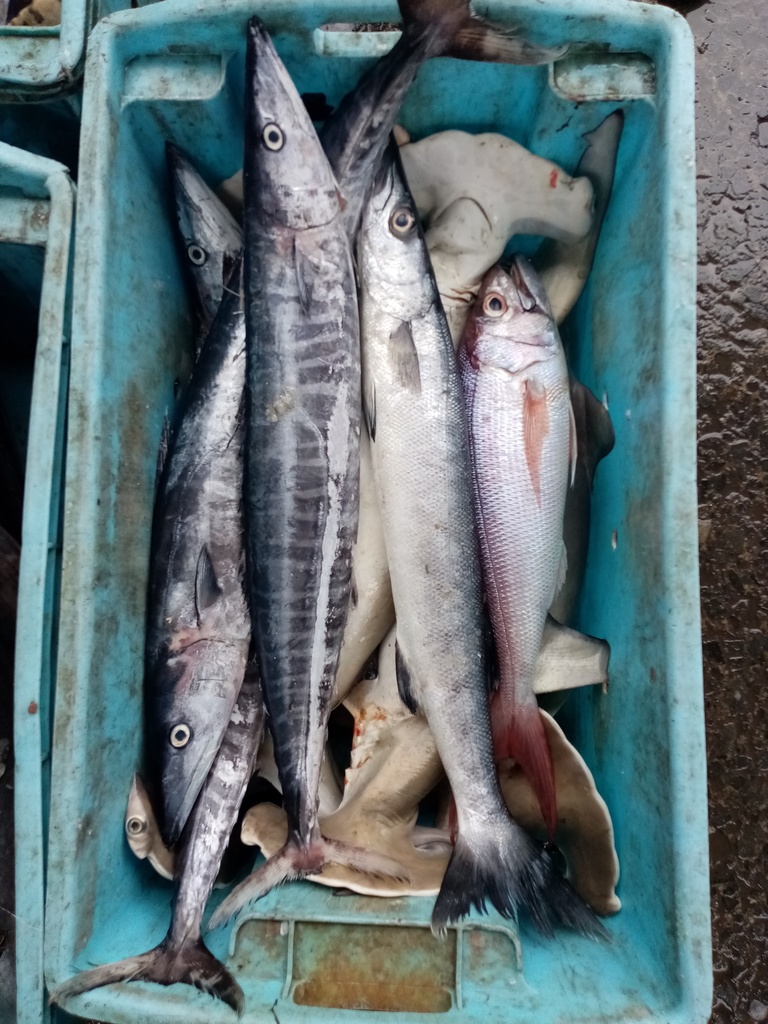
Scalloped hammerhead
Rare sighting
at South Point
Critically endangered
Dive sites
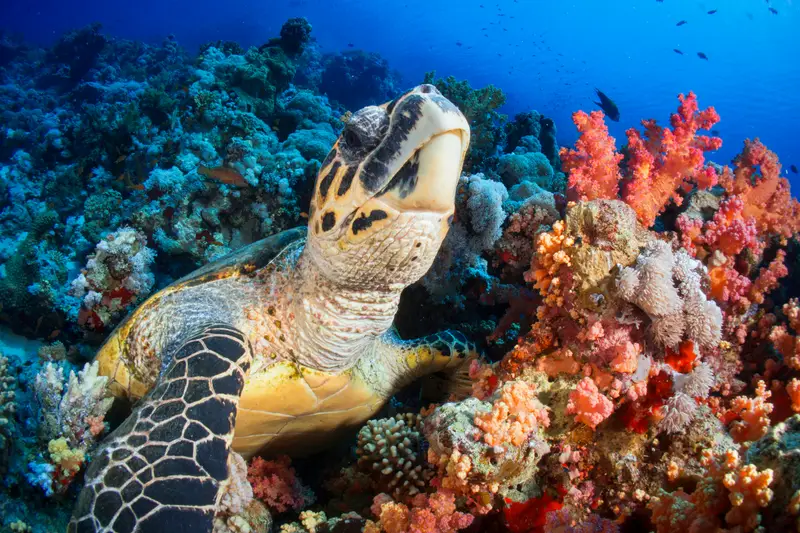
Barracuda Point
chevron barracuda · green sea turtle · hawksbill turtle · schooling bigeye trevally
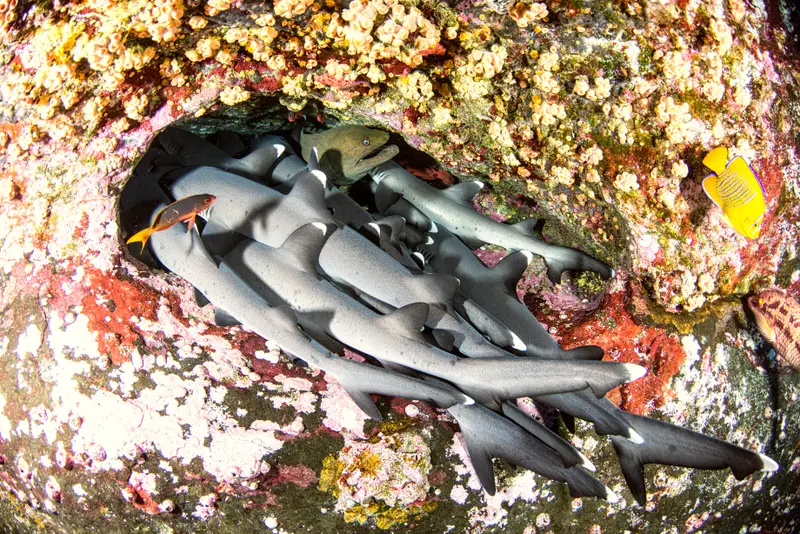
Turtle Tomb
green sea turtle · hawksbill turtle · whitetip reef shark · bumphead parrotfish
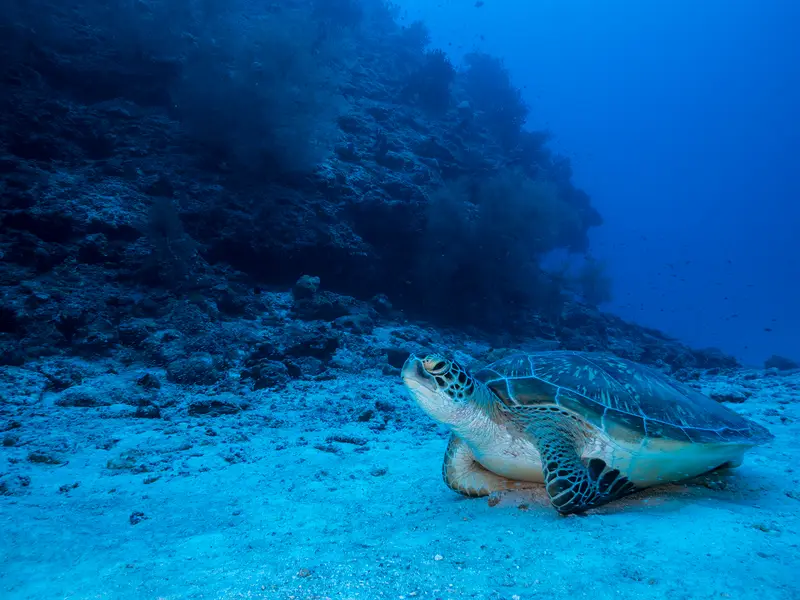
South Point
grey reef shark · whitetip reef shark · bigeye trevally · green sea turtle
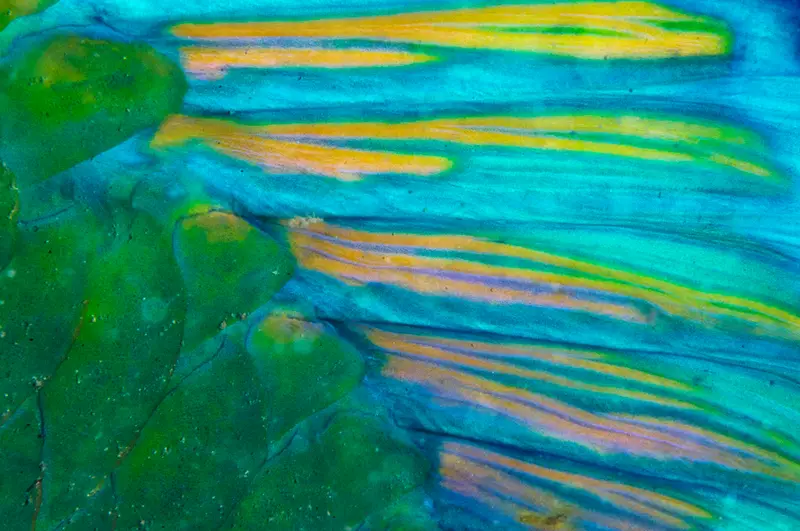
Drop-Off (Sipadan)
green sea turtle · hawksbill turtle · whitetip reef shark · bigeye trevally
What divers say
I've been diving 25 years and Barracuda Point is still the only site where I just stop moving and watch.
Good to know
Permit cap
Only 176 divers/day land on Sipadan. Resorts ration permits across guests; book early and confirm permit days in writing.
Safety advisory
Check current government travel advisories for east Sabah before booking.