South Africa · KwaZulu-Natal
Sodwana Bay
Dry-season months usually bring steadier ocean conditions and cleaner water.
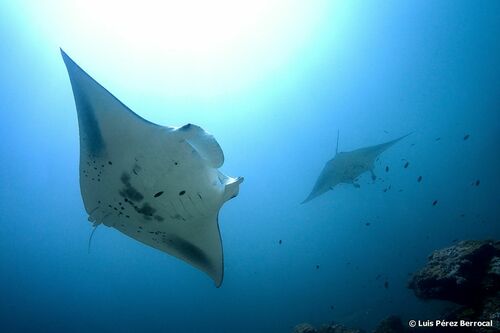
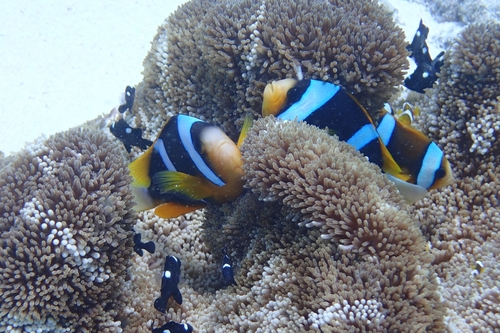
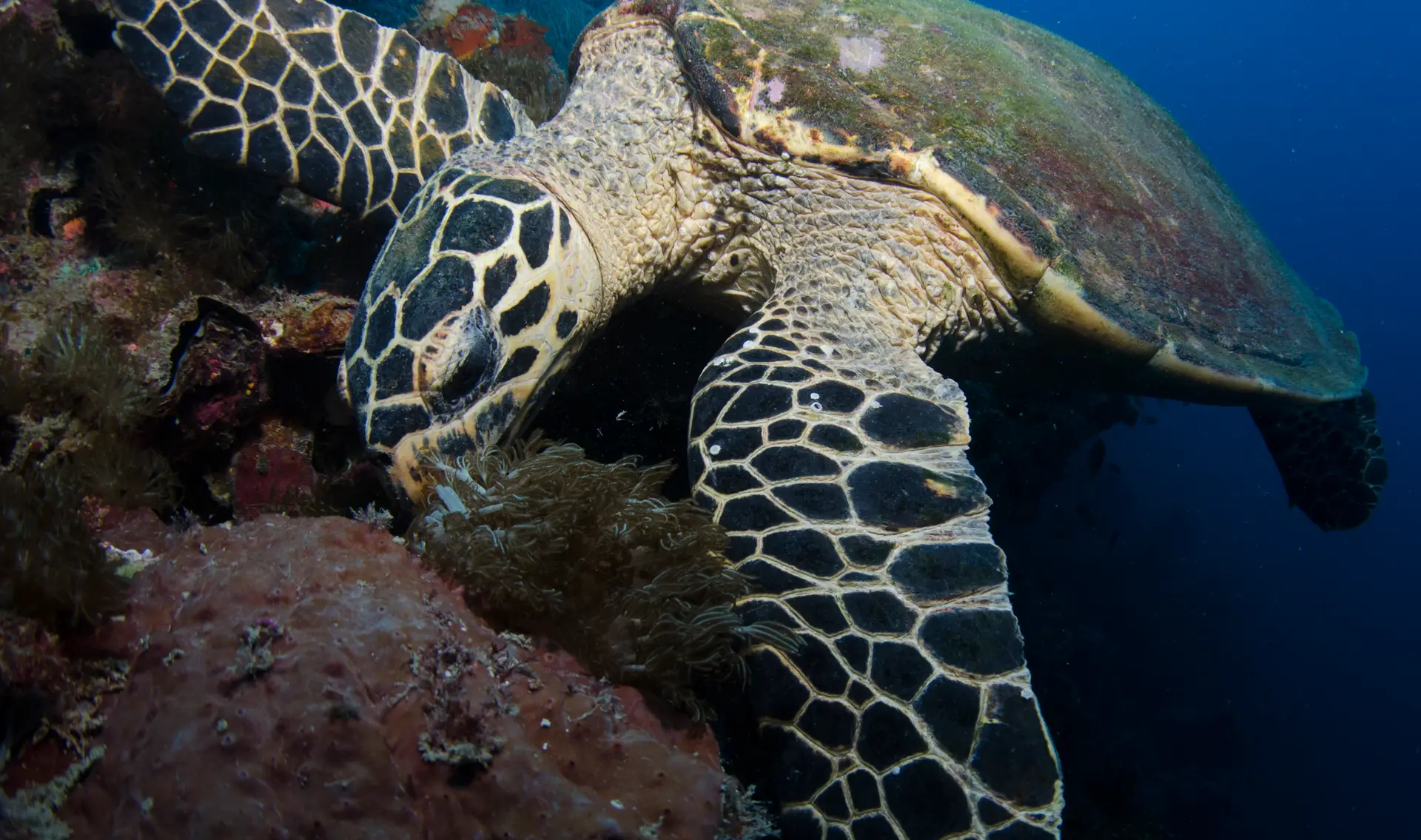
Sodwana Bay in iSimangaliso Wetland Park is South Africa's reef diving capital — a chain of named reefs (2-Mile, 5-Mile, 7-Mile, 9-Mile) accessed by surf launch, with healthy coral, manta encounters, and the occasional coelacanth at depth.
Good season
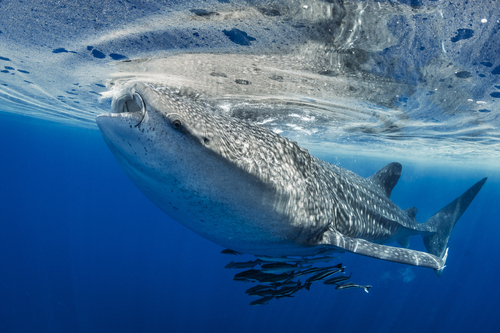
Year-round divable. October–April is warmest. Whale sharks November–April.
Trip duration
4–7 nights camping or lodge-based.
Dive style
Surf-launch boat diving to named reefs; moderate current.
Dive level
Open Water for nearer reefs; Advanced for 7- and 9-Mile.
Reef health
What you’ll actually findSome loss since the 2010s, but the reef still has plenty to dive. Pick depth and shoulder-season carefully.
Coral reef health
How is this calculated?On current trend, no live coral by ~2069. Losing about 0.6% cover per year — roughly 45 years of reef left to see if nothing changes.
Heat stress right now
No abnormal heat right now. Corals stay coloured.
NOAA Coral Reef Watch · updated May 2026 · 0 °C-week heat dose
What to expect on a dive
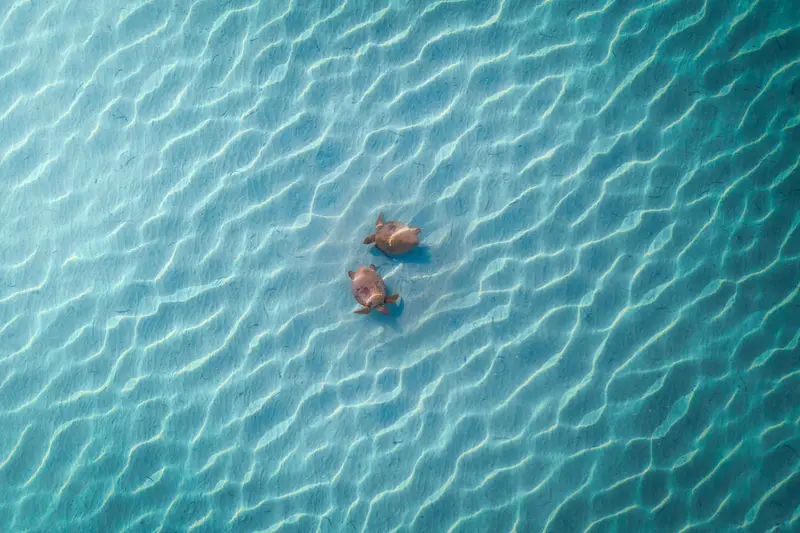
Subtropical reef, world's southernmost coral. Cover relatively stable; whale-shark season Dec–Mar.
Sources, methodology, and the raw numbers
Raw observed numbers
- Coral cover: 27% (survey Sep 2024, GCRMN Western Indian Ocean transect)
- Bleached: 16%
- Recent mortality: 6%
- East Africa — observed condition reflects the thinning regional pattern.
Raw thermal numbers
- NOAA CRW alert level: No stress
- Degree Heating Weeks: 0 °C-wk
- SST anomaly: +1 °C
How we summarise this
Observed coral cover, bleaching, and mortality come from named in-situ surveys with a stated date and method — they describe one snapshot of one reef and do not extrapolate to neighbouring sites. Current thermal stress is satellite-derived from NOAA Coral Reef Watch at ~5 km resolution; it indicates risk, not observed coral damage. We deliberately separate observed condition, current thermal stress, and projection — and we never publish a projection without a documented model and uncertainty.
Sources
- Global Coral Reef Monitoring Network — GCRMN / ICRI
- NOAA Coral Reef Watch — U.S. National Oceanic and Atmospheric Administration
- AIMS Long-Term Monitoring Program — Australian Institute of Marine Science
- Atlantic and Gulf Rapid Reef Assessment — AGRRA Program / Perry Institute for Marine Science
- NOAA National Coral Reef Monitoring Program — NOAA Coral Reef Conservation Program
- Reef Check — Reef Check Foundation
- NOAA CoastWatch / OceanWatch — NOAA NESDIS / STAR
- Allen Coral Atlas — Arizona State University Center for Global Discovery and Conservation Science
- Great Barrier Reef Marine Park Authority — Australian Government
- International Coral Reef Initiative — ICRI Secretariat
- Reef Life Survey — Reef Life Survey Foundation
- NASA PO.DAAC — NASA Jet Propulsion Laboratory / Caltech
- Copernicus Marine Service — Mercator Ocean International for the European Union
- NASA Ocean Color (OB.DAAC) — NASA Goddard Space Flight Center / Ocean Biology Processing Group
- Argo float network — International Argo Program / UCSD
- CoralWatch — University of Queensland
- IMOS / AODN — Integrated Marine Observing System / Australian Ocean Data Network
- WRI Reefs at Risk Revisited — World Resources Institute
- Ocean Health Index — OHI partnership (Conservation International + UCSB + NCEAS)
- IPCC Special Report on the Ocean and Cryosphere (SROCC) — Intergovernmental Panel on Climate Change
- GOA-ON — Global Ocean Acidification Observing Network — GOA-ON Secretariat + IOC-UNESCO
- HAEDAT — Harmful Algae Event Database — IOC-UNESCO Intergovernmental Panel on Harmful Algal Blooms
- NCEI Marine Microplastics — NOAA National Centers for Environmental Information
Reef condition changes year to year. If you visit, consider supporting responsible-travel and conservation operators on the ground.
Pressure on this reef
Protection · fishing · what you can doProtected-area status
Strict MPAInside a strict marine protected area with active enforcement.
Fishing pressure
Moderate fishing pressureDominant pressures
- sardine-fishery byhatch
- warming
- shark population pressure
2 Green Fins-verified operators known at this location.
What you can do
iSimangaliso Wetland Park (UNESCO) covers Sodwana — one of the world's most thermally-buffered subtropical reefs. iSimangaliso Wetland Park (Sodwana, Cape Vidal) is UNESCO World Heritage. Aliwal Shoal is a protected MPA. Pay the day fee, follow shark-dive protocols.
Protection status sourced from Protected Planet / WDPA and refined with Marine Protection Atlas. Fishing pressure proxy is Global Fishing Watch AIS data. See the methodology for what these sources can and can’t prove.
Dive sites here
2 curated
Two-Mile Reef
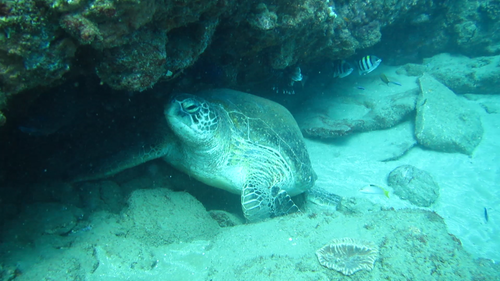
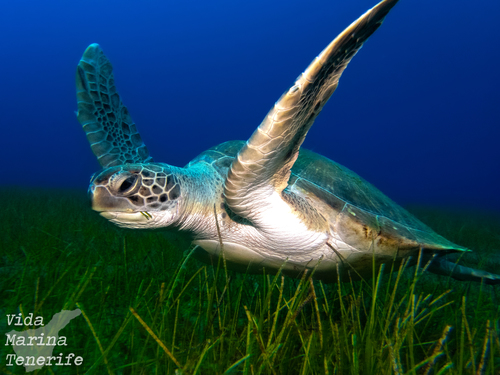
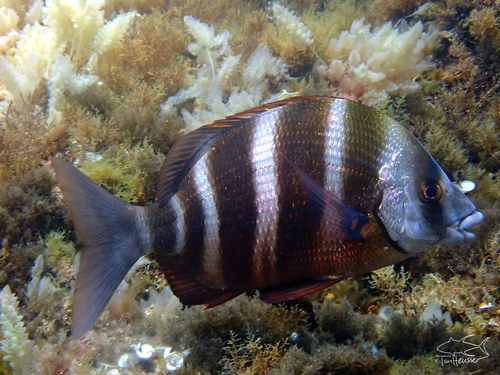
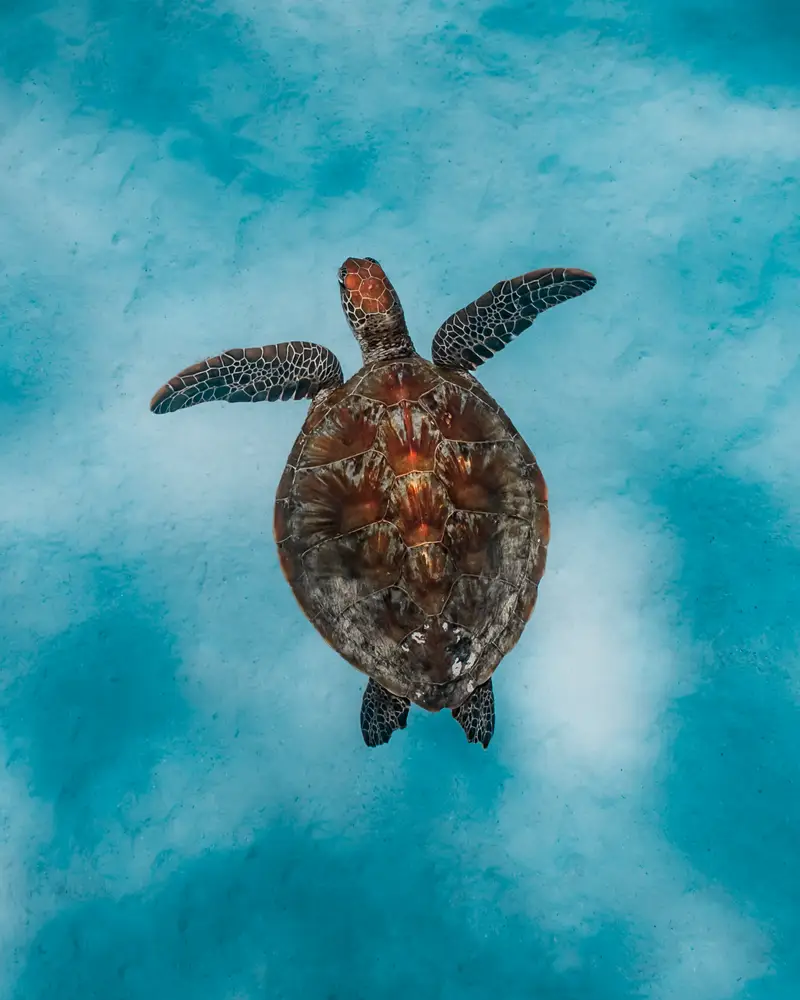
Southernmost coral reef on the African continent. Hard and soft corals support a teeming reef-fish community plus turtles and the occasional…

Five-Mile Reef
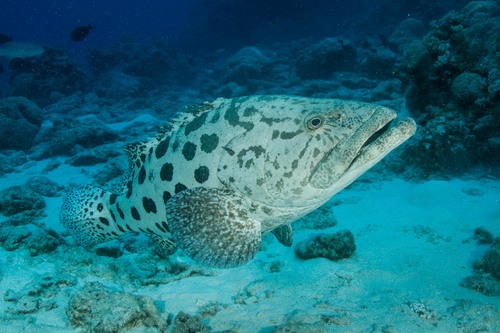
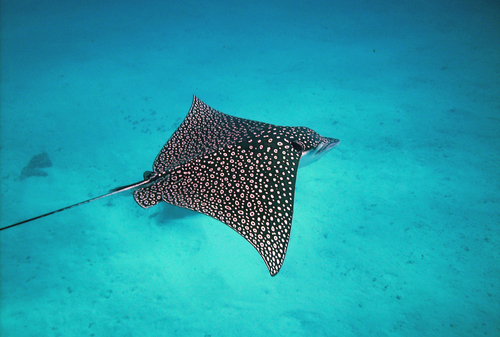
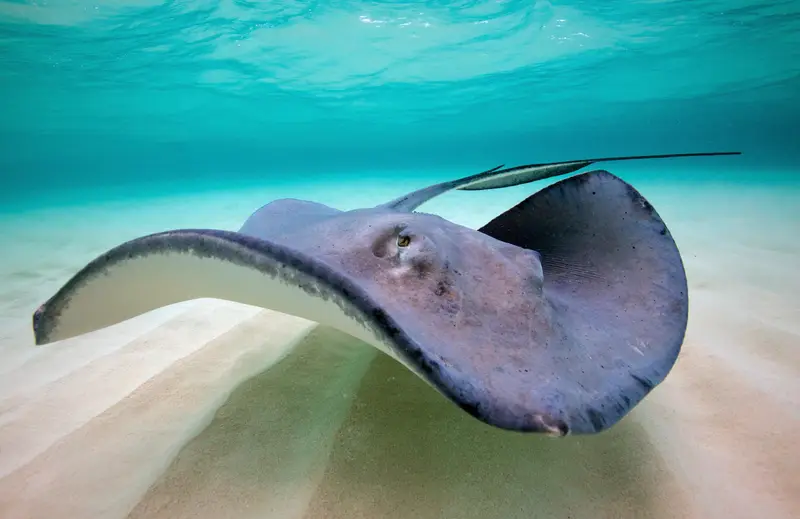
Less-visited reef north of Two-Mile with deeper bommies and more pelagic action. Big potato bass cruise the gullies; eagle rays and the occa…
Gear
What to bringSite-specific add-ons
Some dive sites here call for extra gear. Check the individual site page for full context.
- 5mm wetsuit — Winter water cools below 23C. · Two-Mile Reef
What divers say
“Surf launches at dawn, four dives a day, kudu walking past camp at night — Sodwana is its own ecosystem.”