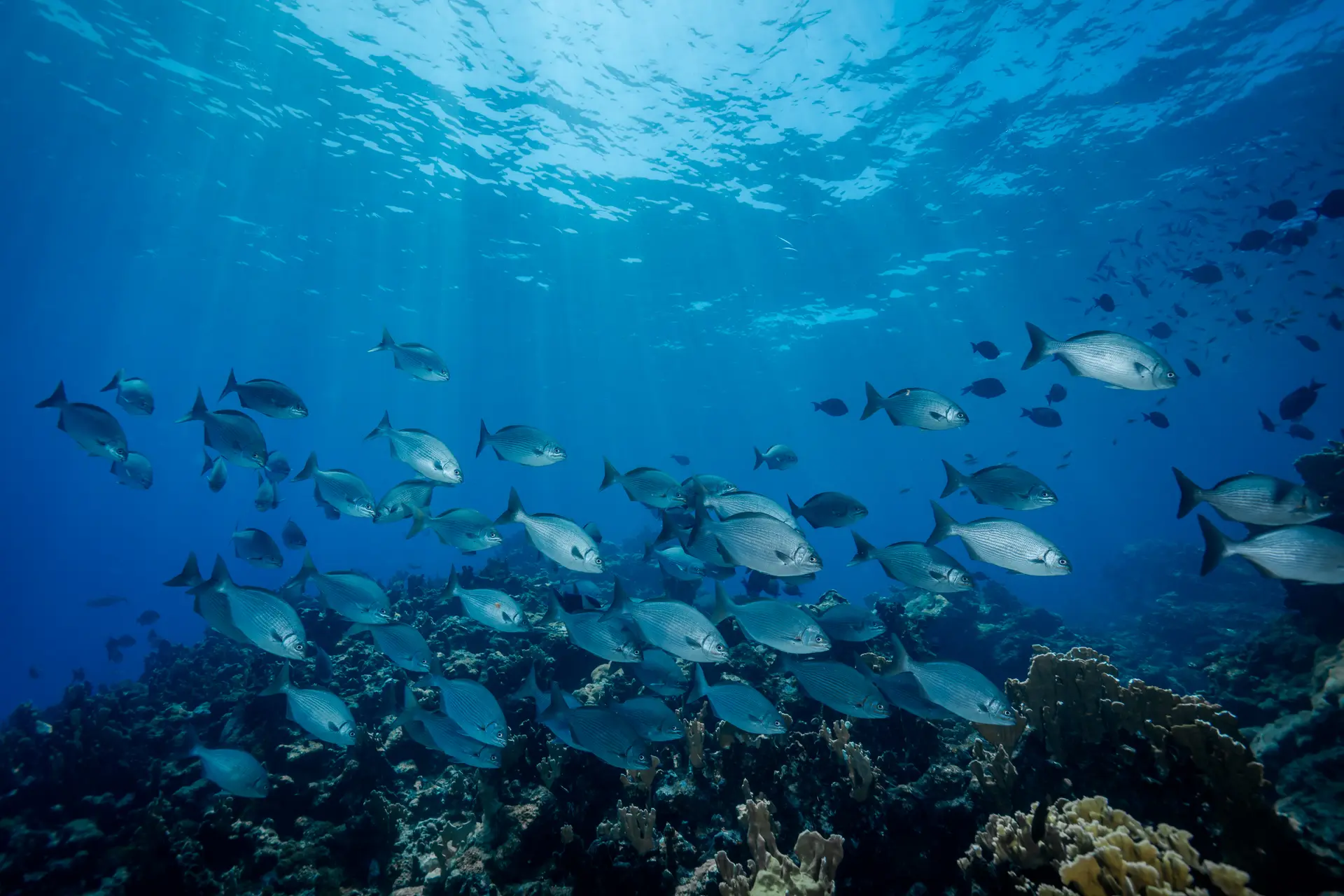
St. Eustatius Marine Park
Sint Eustatius · Caribbean
Sint Eustatius (Statia) is Saba's sister Dutch Caribbean island — historic colonial wrecks, healthy reefs, and even fewer divers than Saba. The marine park is strictly protected.
How this reef is doing
ⓘ How we measure thisReef state
Volcanic reef and wreck diving. Cover has thinned; macro and structure remain the draw.
Coral cover
Fish life
Heat
Hot enough that coral is bleaching now.
Fishing
Quiet water, and the protection is actively patrolled.
Sources · AGRRA and GCRMN reef surveys · NOAA Coral Reef Watch · Global Fishing Watch and reef gravity
Coral cover over time
Live coral cover, by survey year
Across surveys in 2014 and 2024, live coral cover here has fallen from 33% to 22%. Every point is a real survey reading, never a projection.
Live coral cover, percent by year
| Year | Coral cover |
|---|---|
| 2014 | 33% |
| 2024 | 22% |
What you will see
14 species across the dive sites here
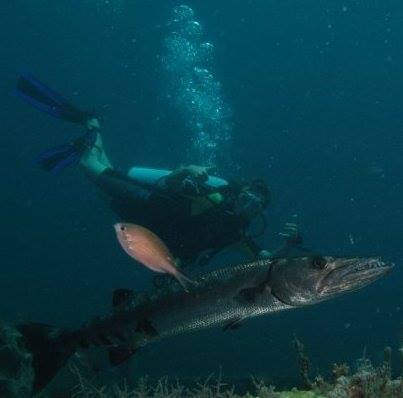
Great barracuda
Seen 4 months ago
at Charles L. Brown Wreck
Least concern
Horse-eye jack
Seen Aug 2025
at Charles L. Brown Wreck
Least concern
Caribbean Spiny Lobster
Seen year round
at Barracuda Reef
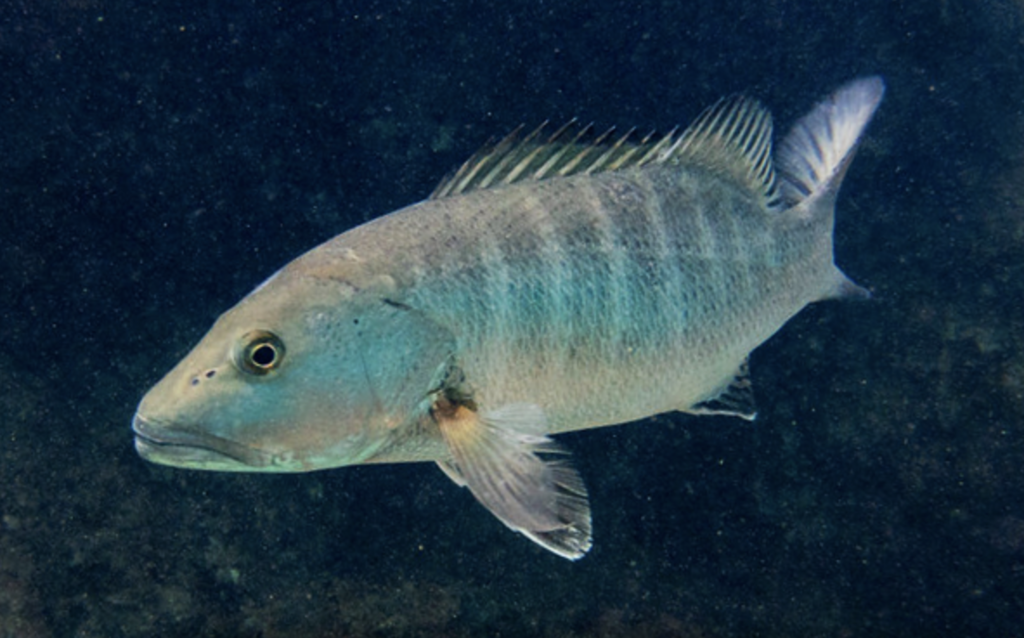
Cubera snapper
Seen year round
at Charles L. Brown Wreck
Vulnerable
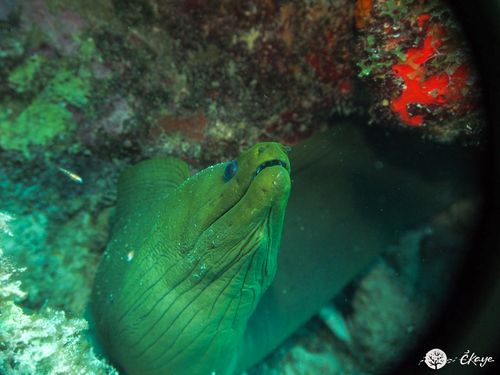
Green Moray Eel
Seen year round
at Barracuda Reef
Least concern
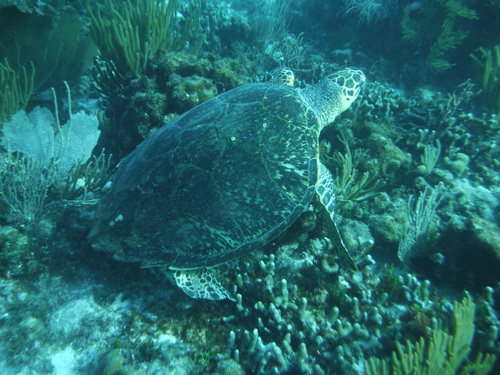
Hawksbill turtle
Seen year round
at Charles L. Brown Wreck
Critically endangered
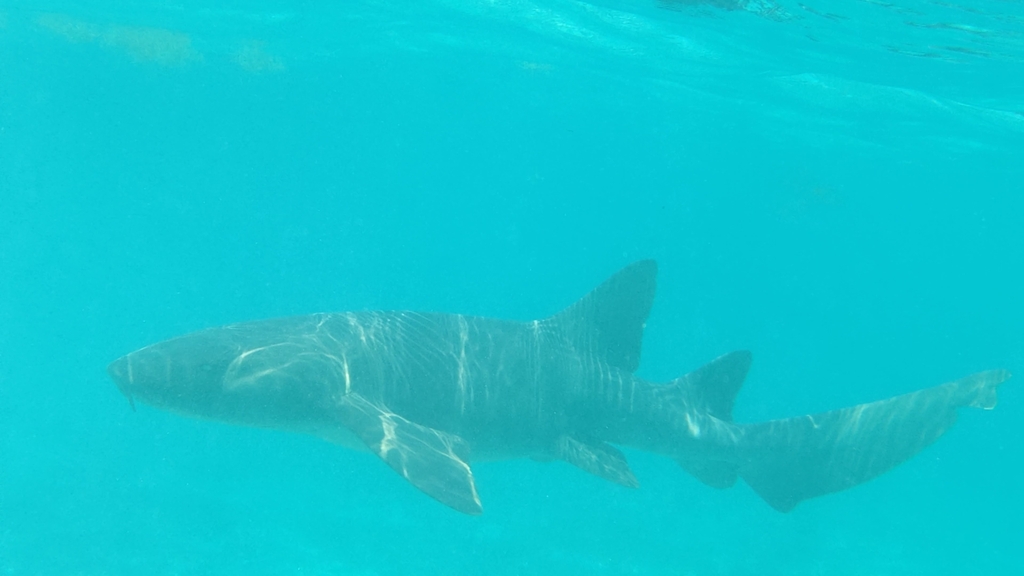
Nurse Shark
Seen year round
at Barracuda Reef
Vulnerable
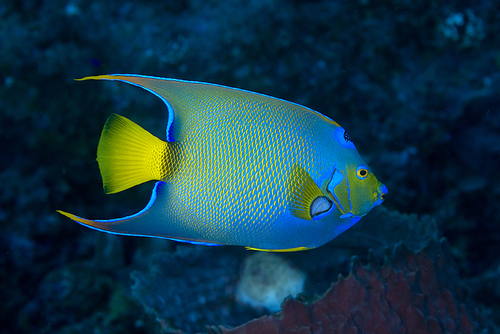
Queen Angelfish
Seen year round
at Barracuda Reef
Least concern
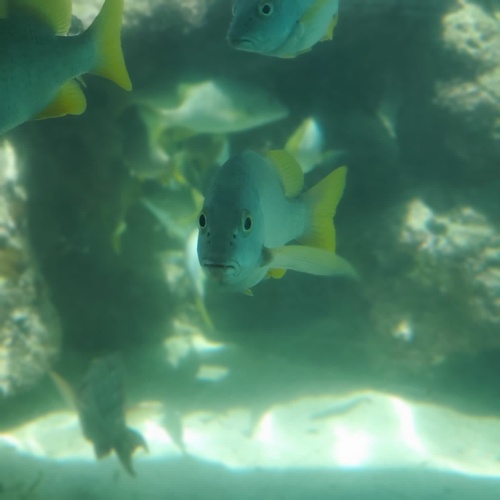
Schoolmaster Snapper
Seen year round
at Barracuda Reef
Least concern
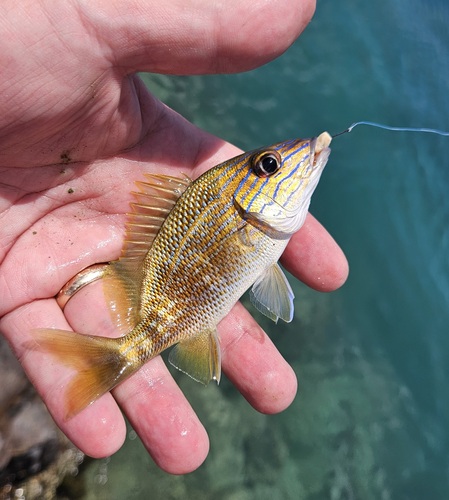
White Grunt
Seen year round
at Barracuda Reef
Least concern
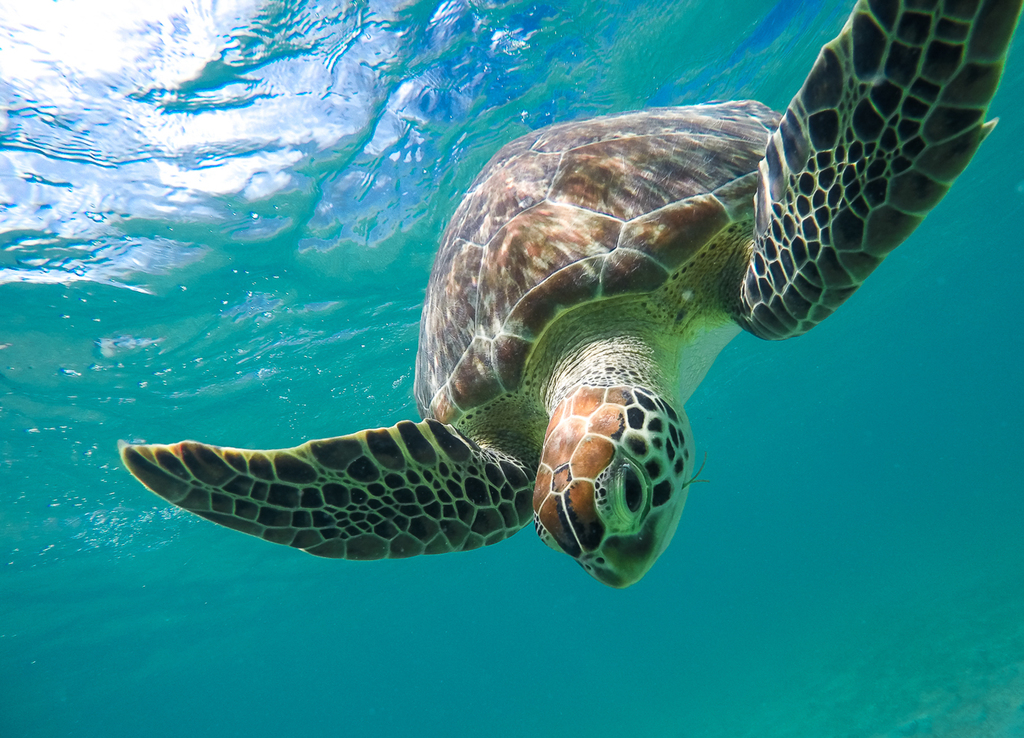
Green Sea Turtle
Seasonal visitor
at Barracuda Reef
Least concern
Hawksbill Sea Turtle
Seasonal visitor
at Barracuda Reef
Critically endangered
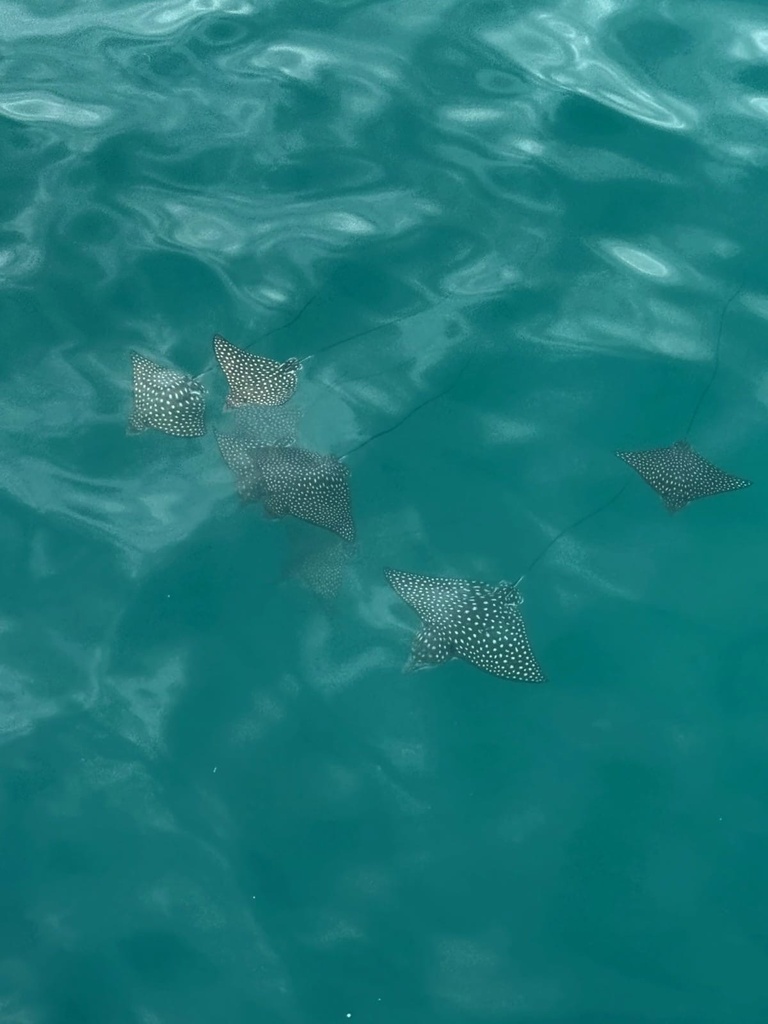
Spotted eagle ray
Seasonal visitor
at Charles L. Brown Wreck
Endangered
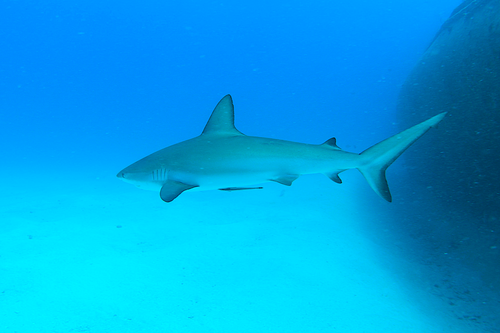
Caribbean reef shark
Rare sighting
at Charles L. Brown Wreck
Endangered
Dive sites
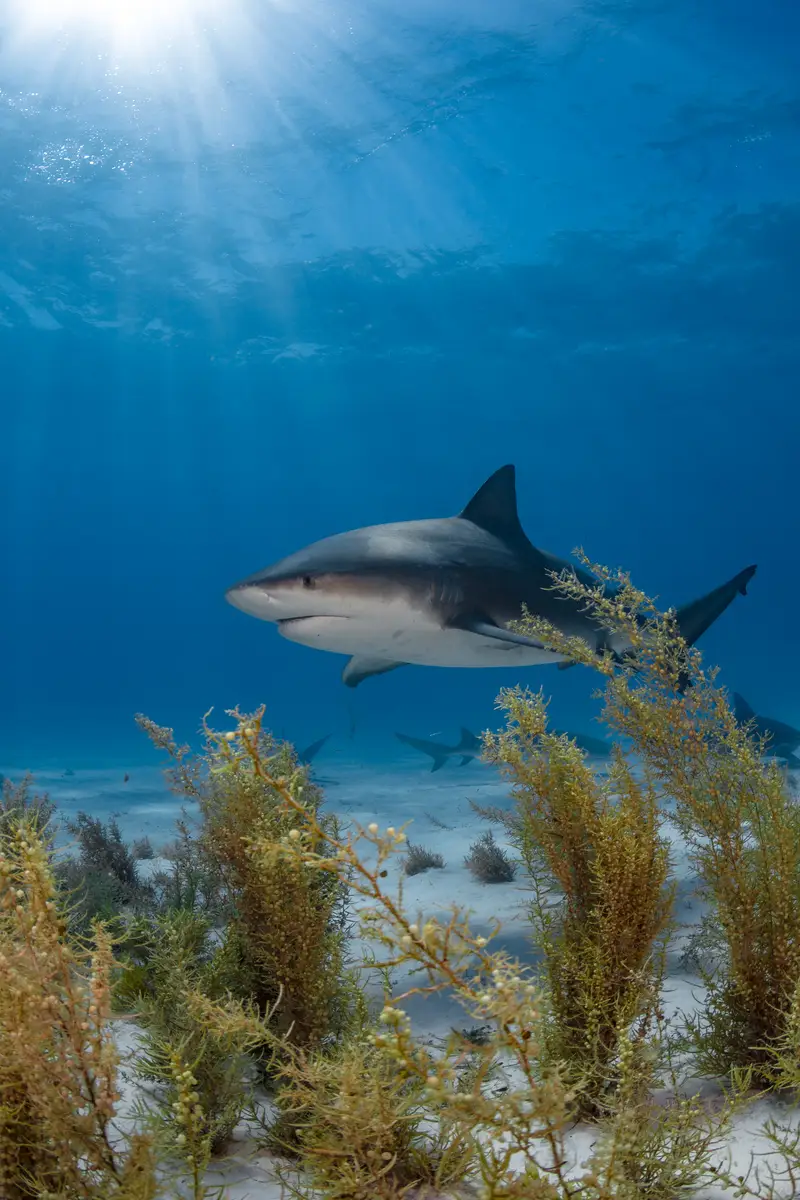
What divers say
Statia is Saba's quieter sibling. If 'fewer divers' is your priority, you've found it.
Good to know
Park fee
$6/dive marine park fee.