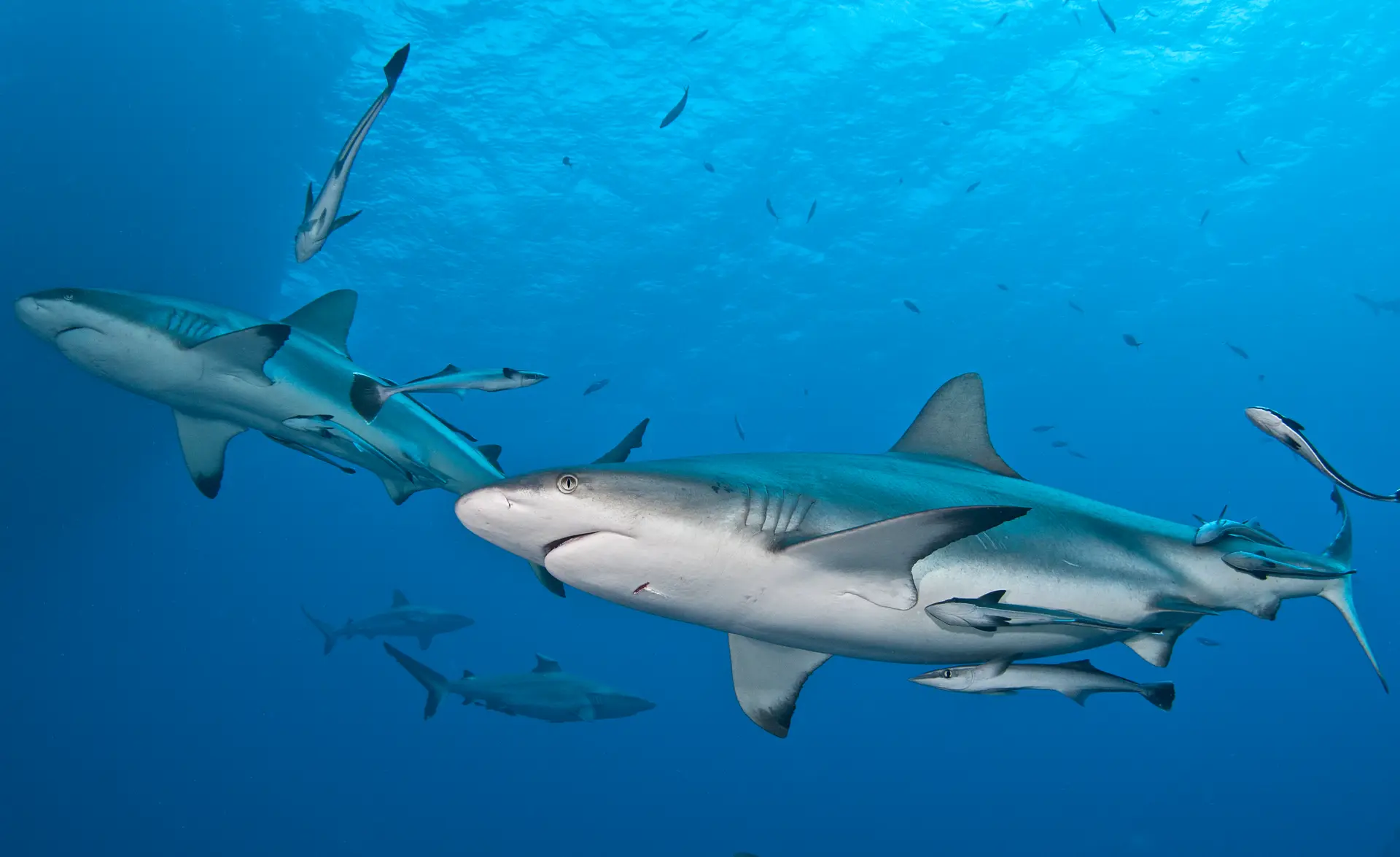
Shaab Rumi
Sudan · Red Sea
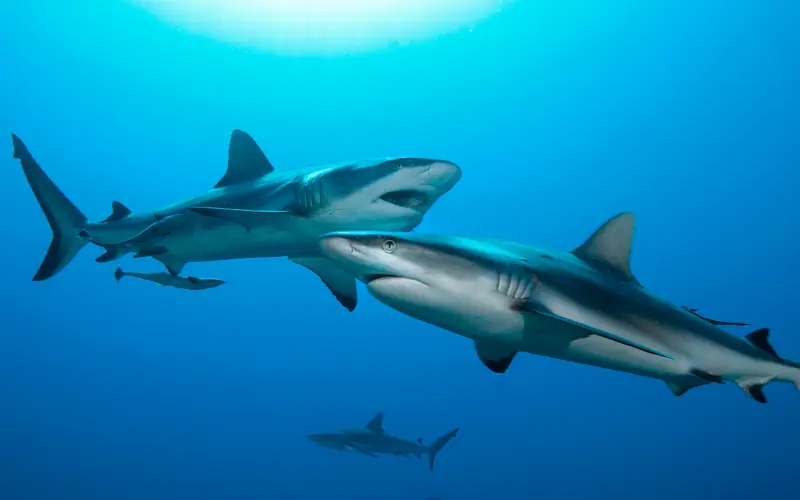
Shaab Rumi is the offshore reef where Jacques Cousteau ran the Conshelf II underwater habitat experiment in 1963 — remains are still divable. Pristine walls, hammerhead schools, oceanic whitetips, and almost no other divers.
How this reef is doing
ⓘ How we measure thisReef state
Shark plateau and intact southern Red Sea reef. Liveaboard only access keeps diver pressure low.
Coral cover
Fish life
Heat
Warmer than usual right now, but not hot enough to bleach.
Fishing
Some fishing is allowed here, in marked zones.
Sources · GCRMN reef surveys · NOAA Coral Reef Watch · Global Fishing Watch and reef gravity
Coral cover over time
Live coral cover, by survey year
Across surveys in 2014 and 2024, live coral cover here has risen from 41% to 42%. Every point is a real survey reading, never a projection.
Live coral cover, percent by year
| Year | Coral cover |
|---|---|
| 2014 | 41% |
| 2024 | 42% |
What you will see
22 species across the dive sites here
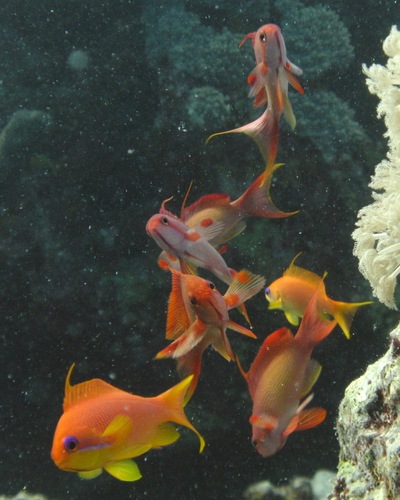
Anthias
Seen 4 months ago
at Conshelf II (Précontinent II)
Least concern
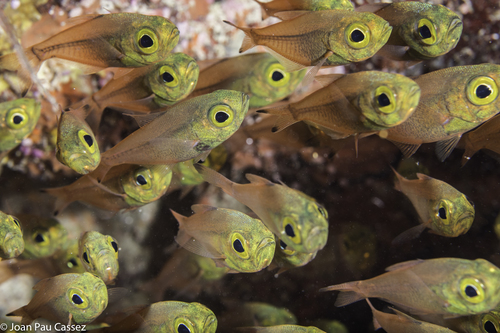
Glassfish
Seen 4 months ago
at Umbria Wreck
Least concern
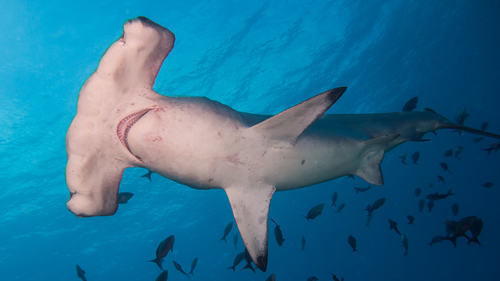
Scalloped hammerhead
Seen 4 months ago
at Shaab Rumi South Plateau
Critically endangered
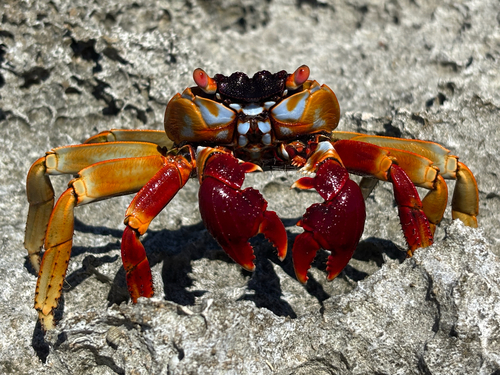
Thin-Shelled Rock Crab
Seen Aug 2025
at Shaab Rumi South Plateau
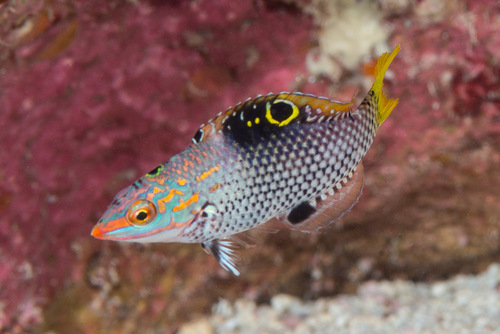
Checkerboard Wrasse
Seen Aug 2025
at Umbria Wreck
Least concern
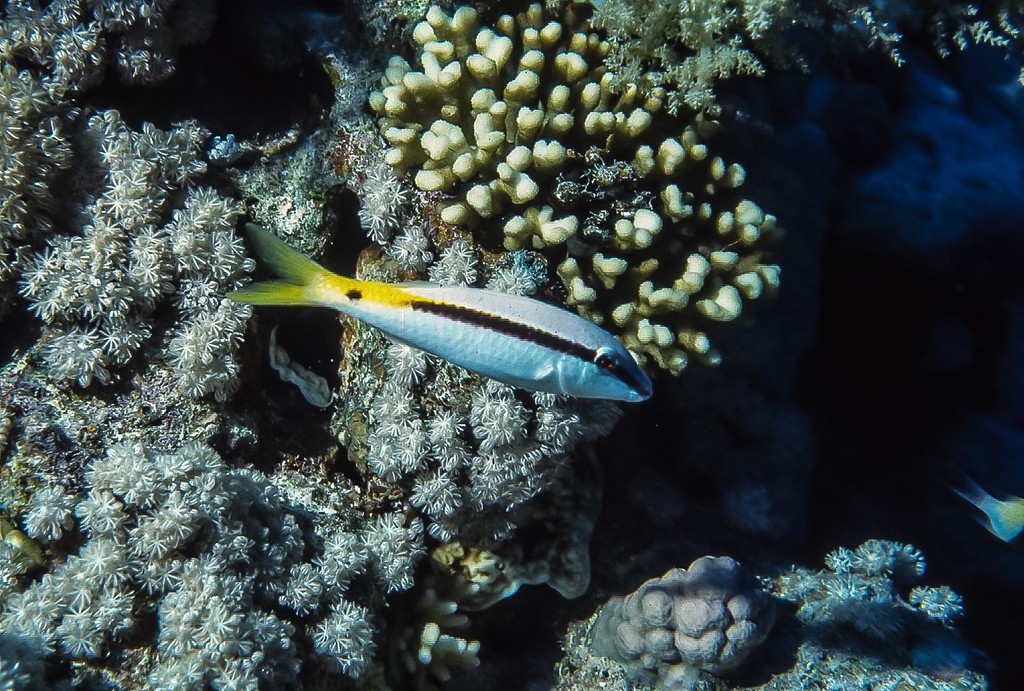
Red Sea Goatfish
Seen May 2025
at Umbria Wreck
Least concern
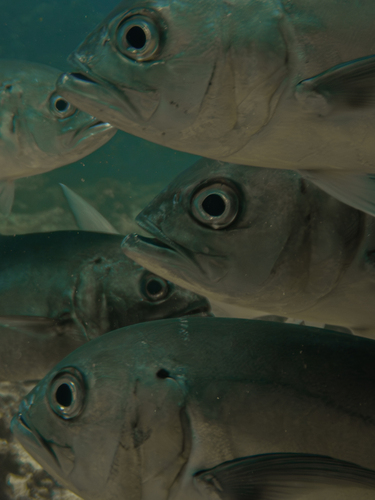
Bigeye trevally
Seen year round
at Sanganeb Atoll
Least concern
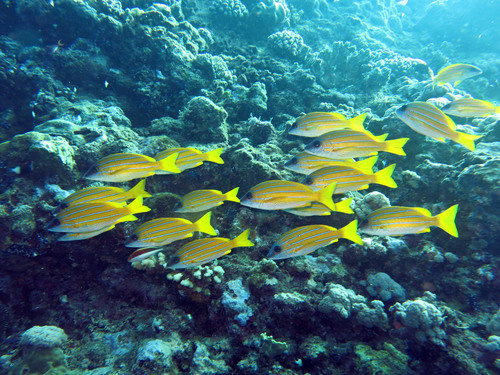
Bluestriped snapper
Seen year round
at Conshelf II (Précontinent II)
Least concern
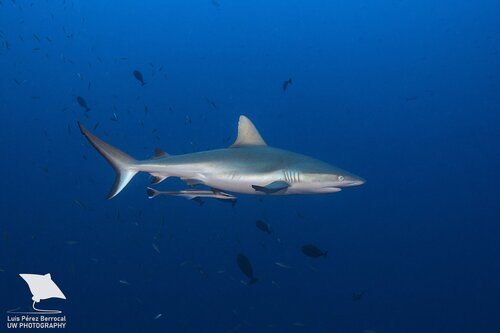
Grey reef shark
Seen year round
at Shaab Rumi South Plateau
Endangered
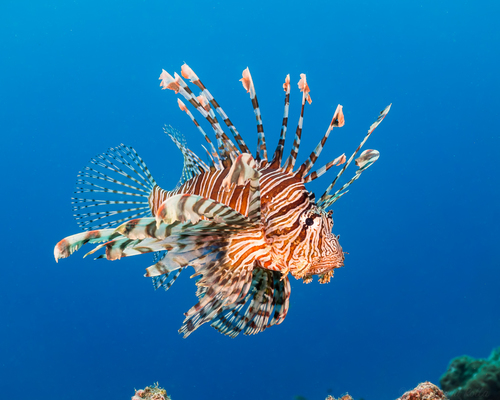
Lionfish
Seen year round
at Umbria Wreck
Least concern
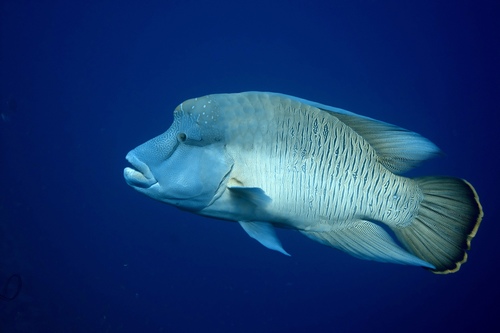
Napoleon wrasse
Seen year round
at Umbria Wreck
Endangered
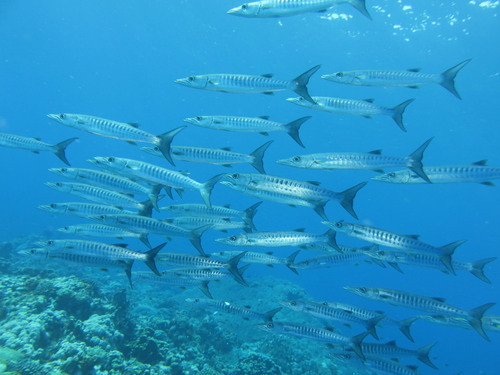
Schooling barracuda
Seen year round
at Shaab Rumi South Plateau
Least concern
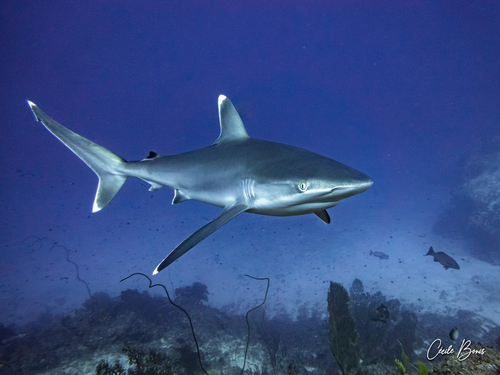
Silvertip shark
Seen year round
at Shaab Rumi South Plateau
Vulnerable
Soft coral overgrowth
Seen year round
at Conshelf II (Précontinent II)
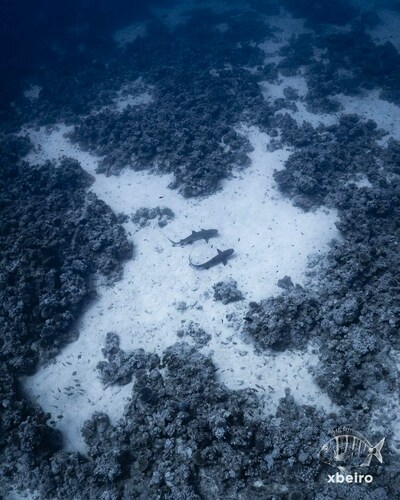
Whitetip reef shark
Seen year round
at Sanganeb Atoll
Vulnerable
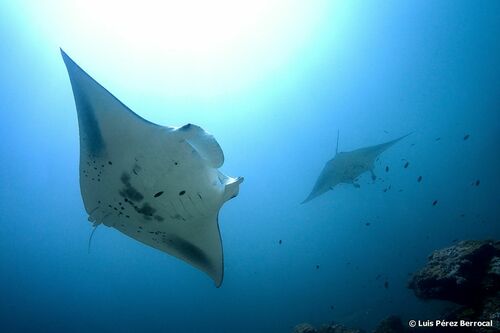
Reef manta ray
Seasonal visitor
at Sanganeb Atoll
Vulnerable
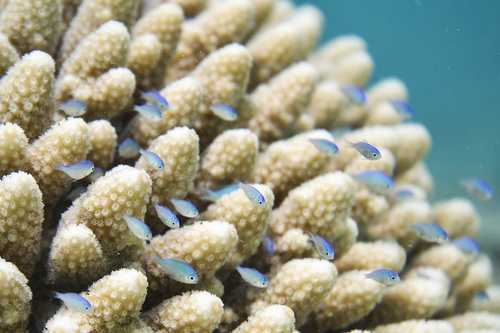
Blue-Green Chromis
Rare sighting
at Umbria Wreck
Least concern

Bumphead Parrotfish
Rare sighting
at Shaab Rumi South Plateau
Vulnerable
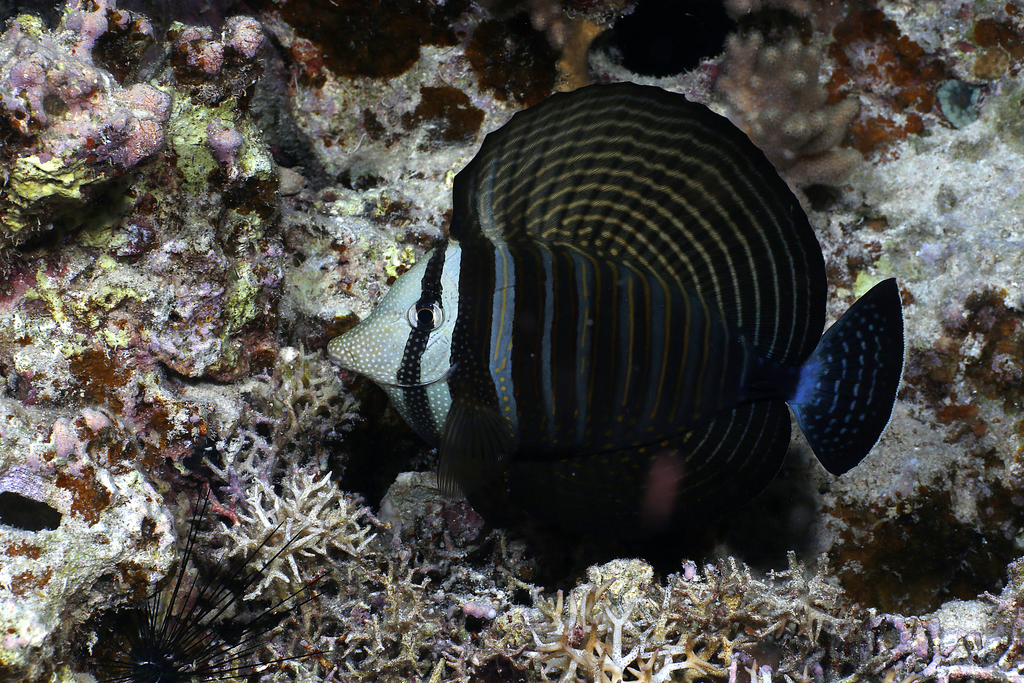
Indian Sailfin Tang
Rare sighting
at Umbria Wreck
Least concern
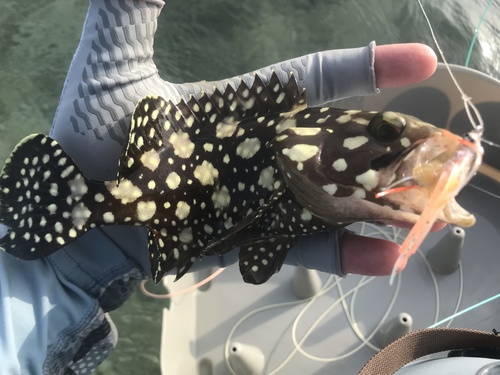
Summan Grouper
Rare sighting
at Shaab Rumi South Plateau
Least concern
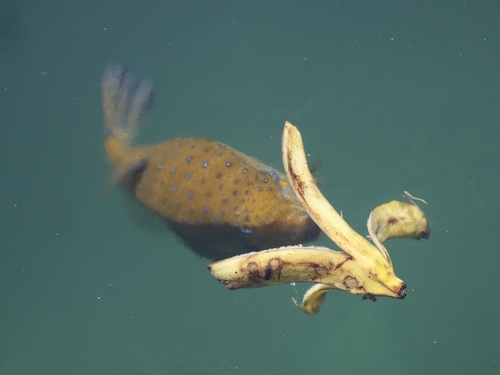
Yellow Boxfish
Rare sighting
at Shaab Rumi South Plateau
Least concern
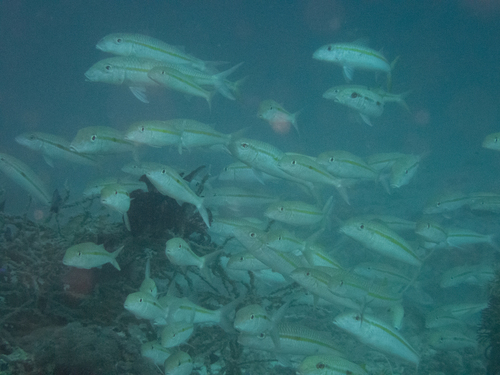
Yellowstripe Goatfish
Rare sighting
at Umbria Wreck
Least concern
Dive sites
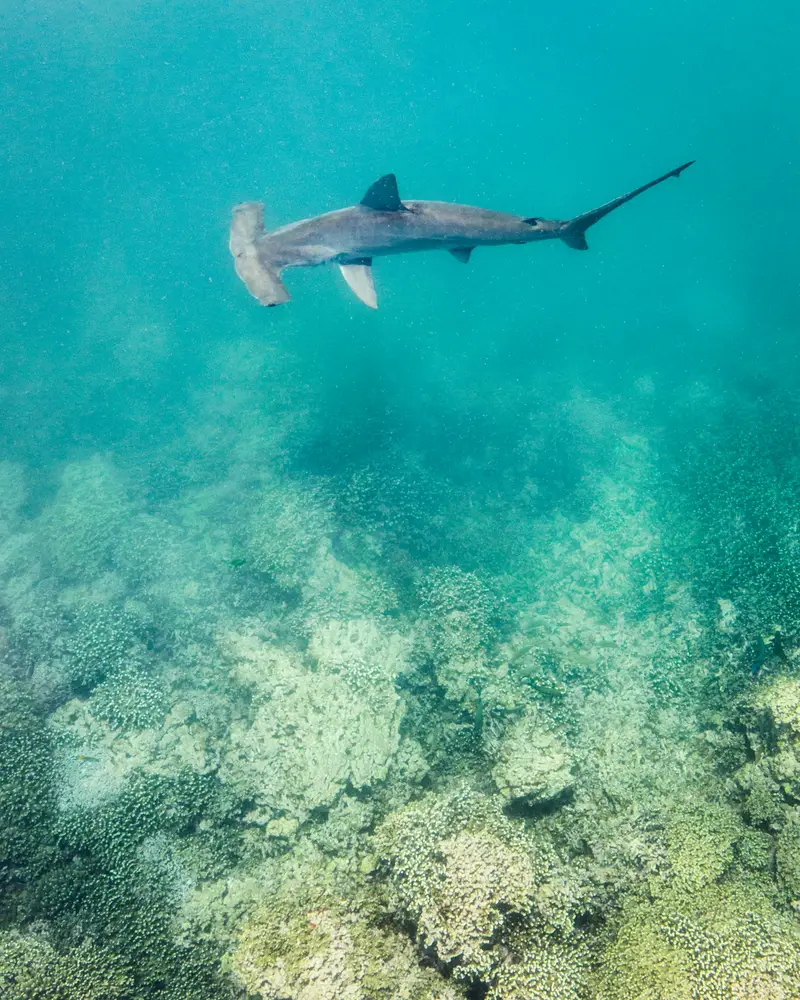
Shaab Rumi South Plateau
scalloped hammerhead · grey reef shark · silvertip shark · schooling barracuda
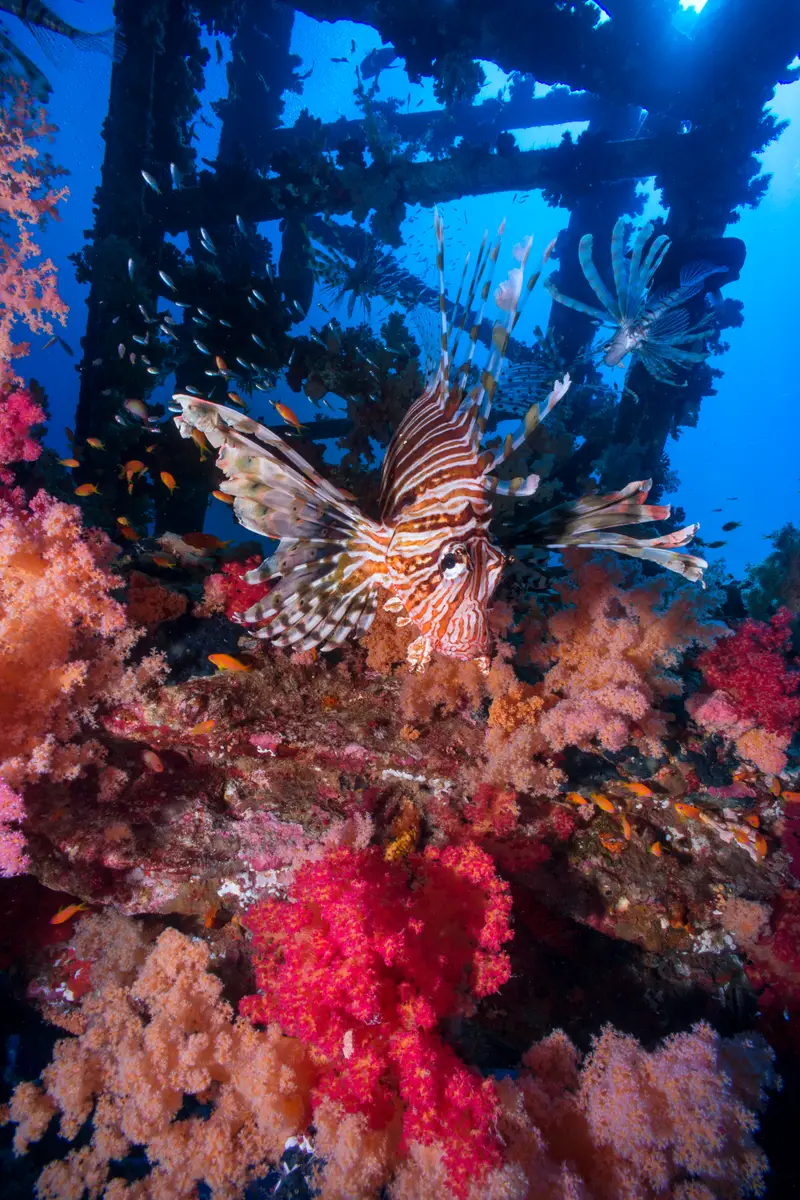
Umbria Wreck
glassfish · lionfish · napoleon wrasse · red sea goatfish
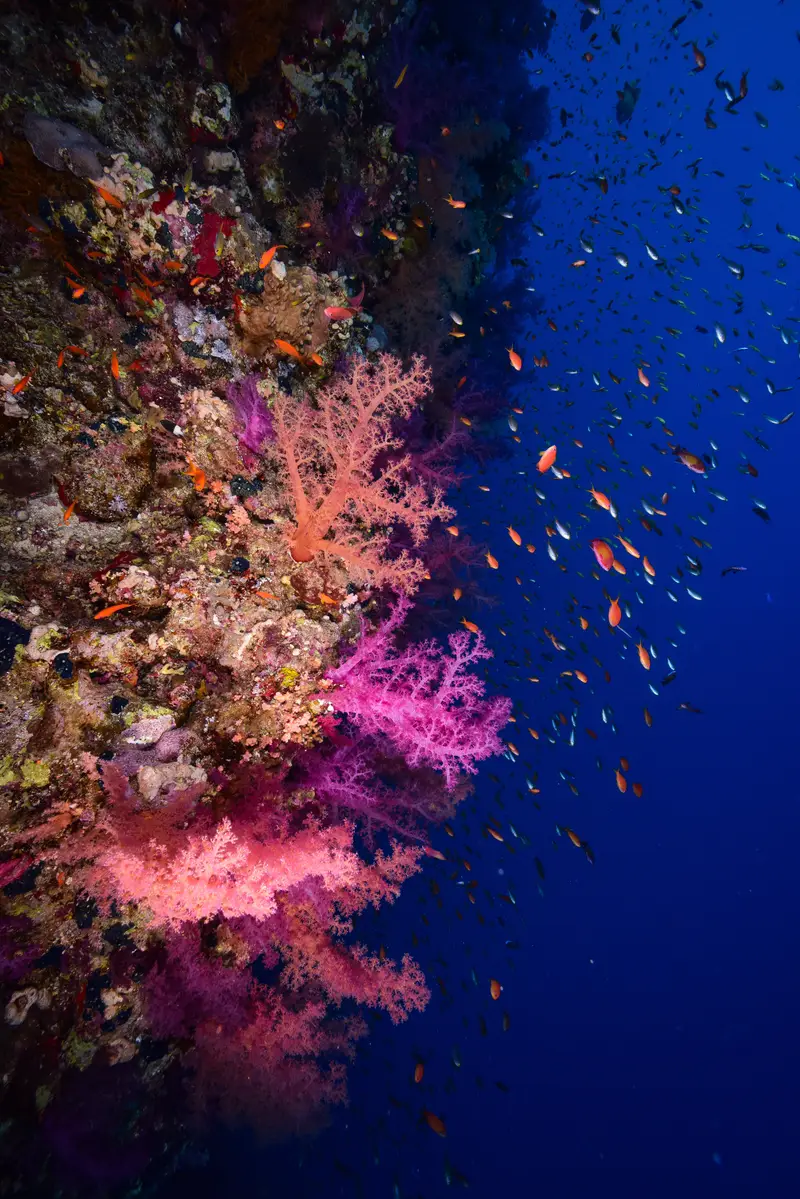
Conshelf II (Précontinent II)
anthias · soft coral overgrowth · glassfish · lionfish
Sanganeb Atoll
scalloped hammerhead · grey reef shark · whitetip reef shark · schooling barracuda
What divers say
Cousteau's habitat is still there at 10m. The diving above it has barely changed in 60 years.
Good to know
Visa
Sudan visa required; situation has been politically volatile — check current advisories.
Logistics
Most trips run through Egyptian operators; flight to Port Sudan.