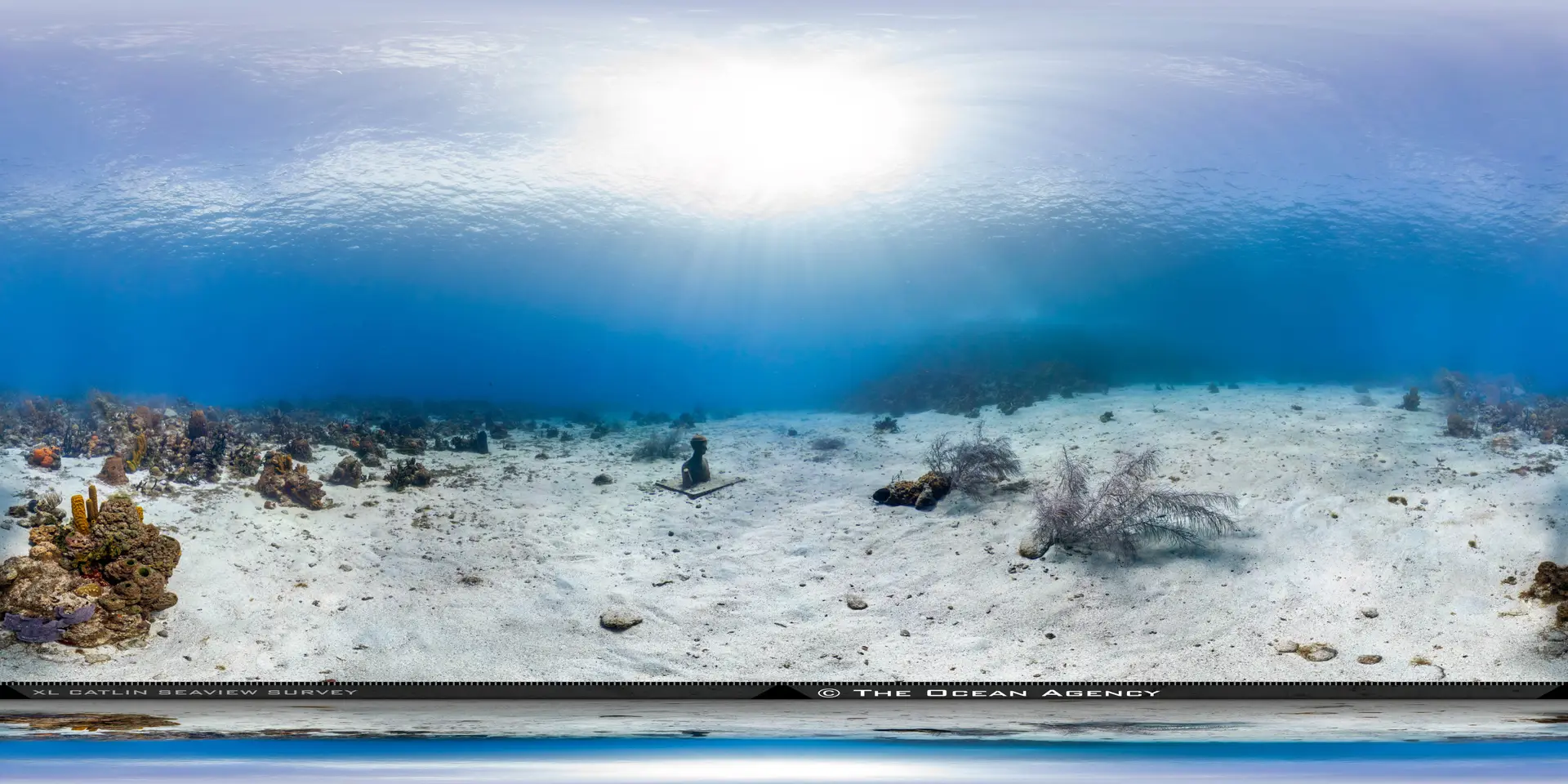
The Pit
Belize · Caribbean
The Pit is a cenote style sinkhole in Belize's inland jungle — less famous than Mexico's Yucatán cenotes but offering similar geology with virtually no crowds. Light beams, halocline, deep dark depths.
How this reef is doing
ⓘ How we measure thisReef state
Cave / sinkhole dive — not a coral reef. Visibility and geology are the draw.
Coral cover
Fish life
Heat
Hot enough that coral is bleaching now.
Fishing
Some fishing is allowed here, in marked zones.
Sources · AGRRA and GCRMN reef surveys · NOAA Coral Reef Watch · Global Fishing Watch and reef gravity
Coral cover over time
Live coral cover, by survey year
Across 7 survey years from 2011 to 2021, live coral cover here has risen from 19% to 20%. Every point is a real survey reading, never a projection.
Live coral cover, percent by year
| Year | Coral cover |
|---|---|
| 2011 | 19% |
| 2012 | 24% |
| 2013 | 16% |
| 2014 | 18% |
| 2016 | 17% |
| 2018 | 19% |
| 2021 | 20% |
What you will see
13 species across the dive sites here
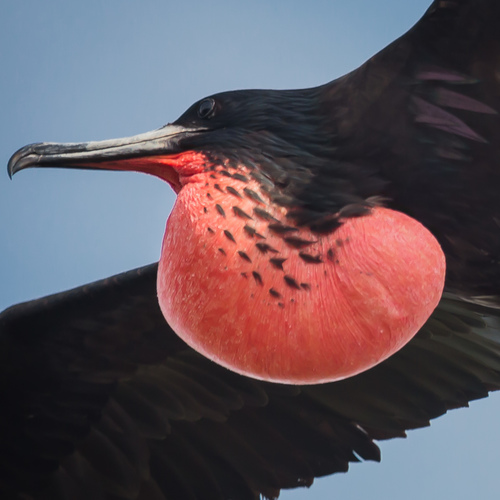
Magnificent Frigatebird
Seen 4 months ago
at Great Blue Hole
Least concern
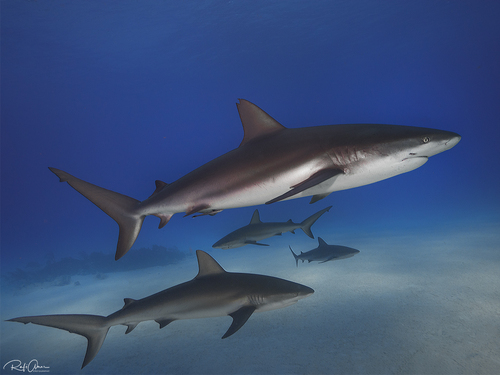
Caribbean reef shark
Seen 4 months ago
at Great Blue Hole
Endangered
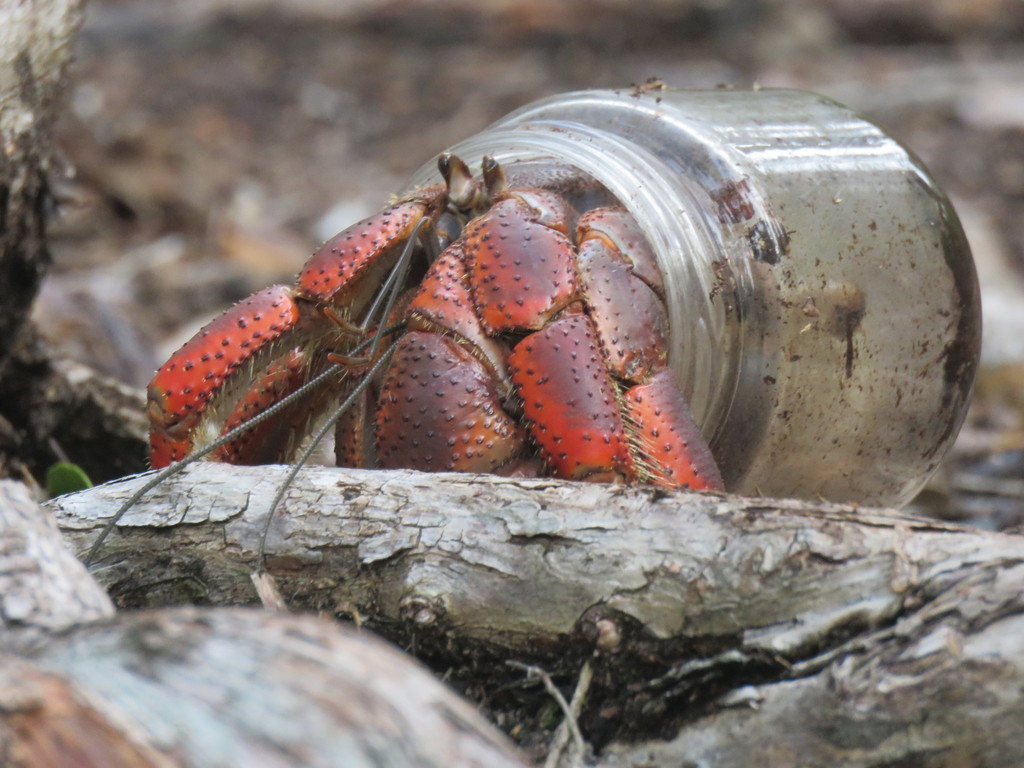
Caribbean Land Hermit Crab
Seen 6 months ago
at Great Blue Hole
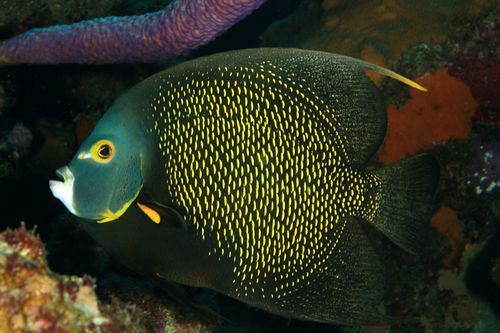
French Angelfish
Seen 6 months ago
at Great Blue Hole
Least concern
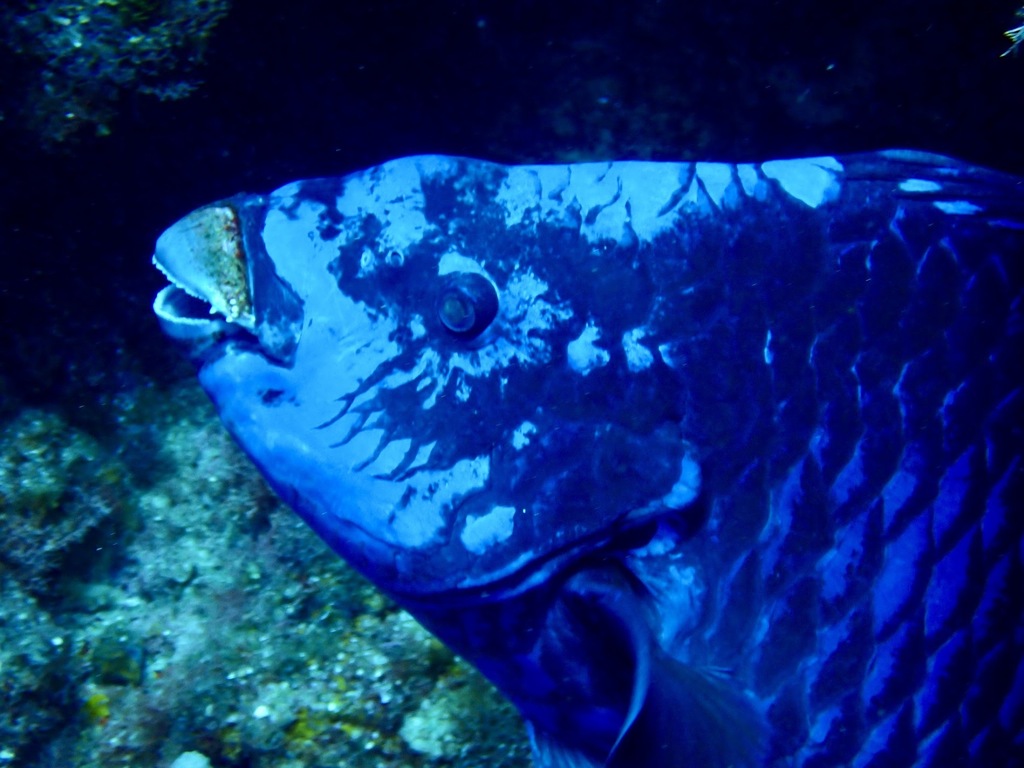
Midnight parrotfish
Seen 6 months ago
at Great Blue Hole
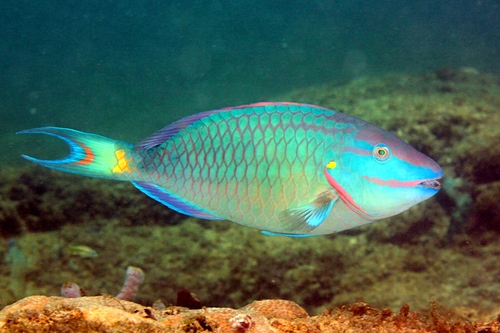
Stoplight Parrotfish
Seen 6 months ago
at Great Blue Hole
Least concern
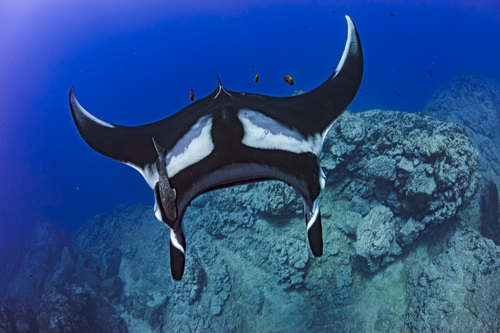
Manta Ray
Seen year round
at Half Moon Caye Wall
Endangered
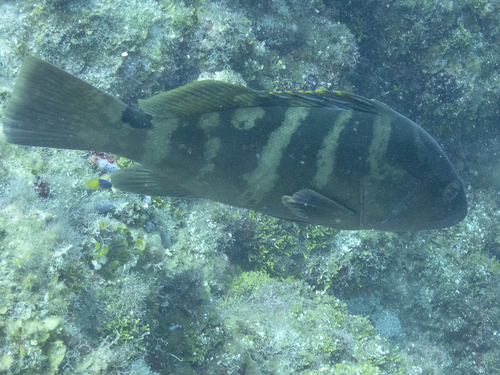
Nassau Grouper
Seen year round
at Half Moon Caye Wall
Critically endangered
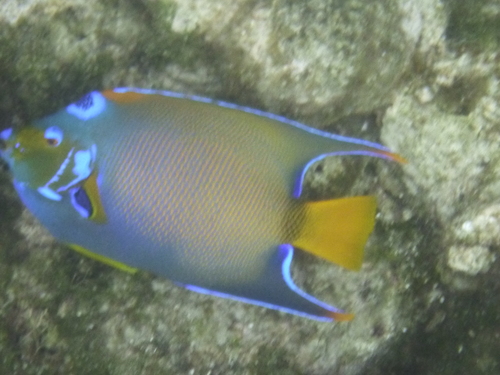
Queen Angelfish
Seen year round
at Half Moon Caye Wall
Least concern
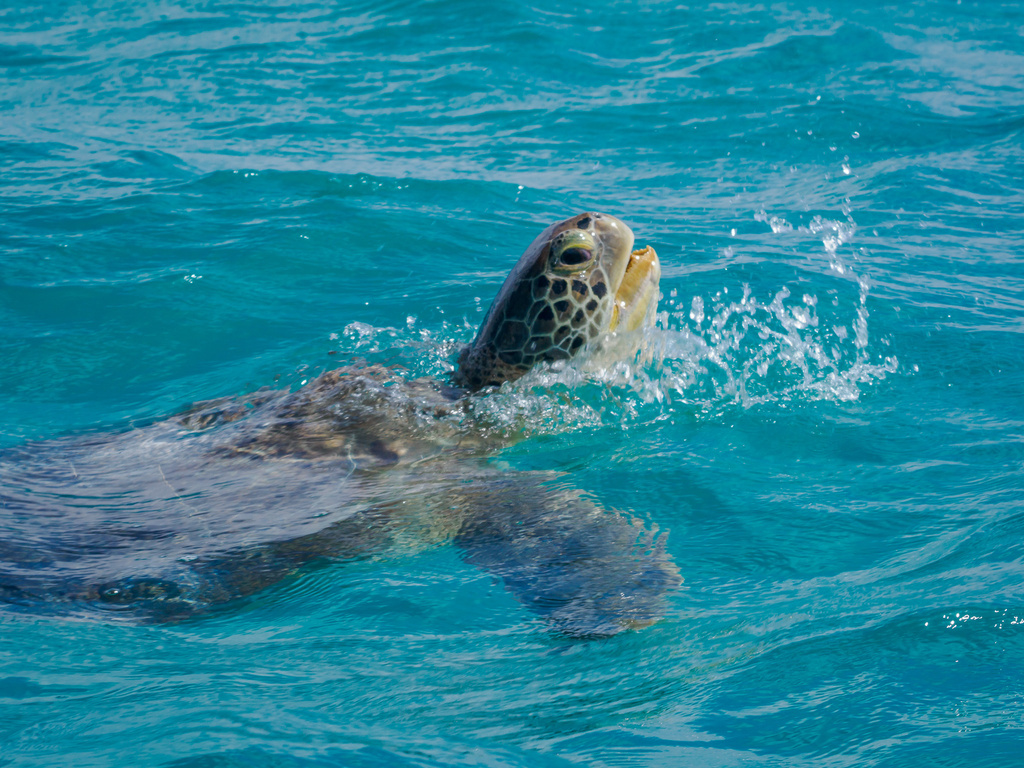
Green Sea Turtle
Seasonal visitor
at Half Moon Caye Wall
Least concern
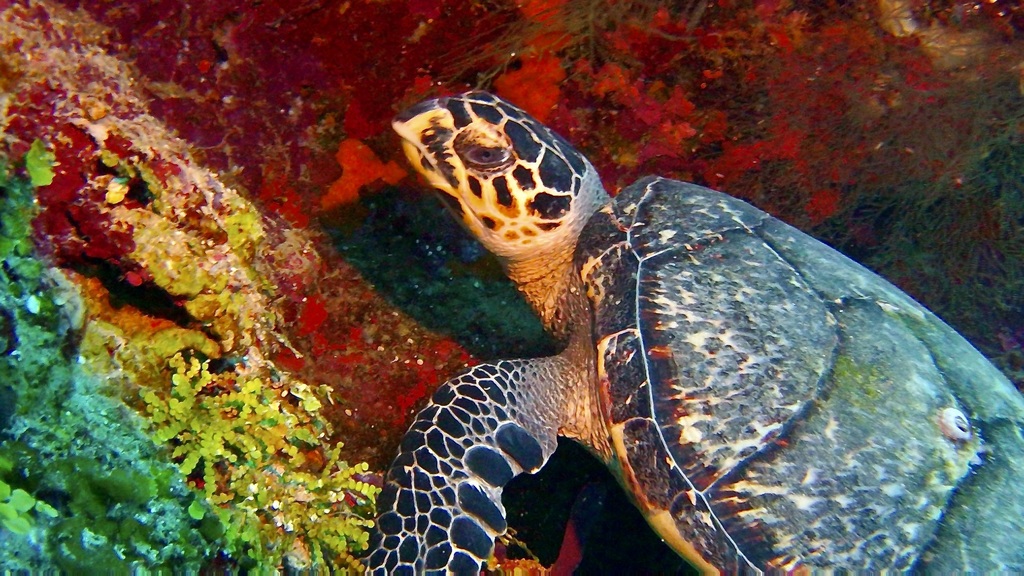
Hawksbill Turtle
Seasonal visitor
at Half Moon Caye Wall
Critically endangered
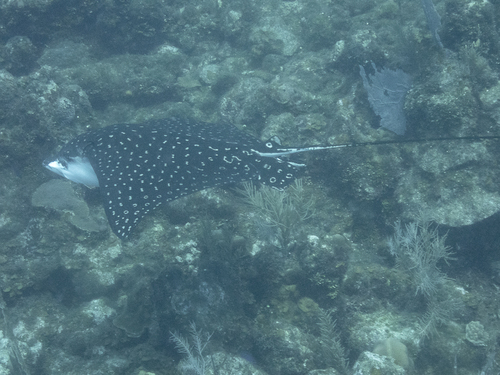
Spotted Eagle Ray
Seasonal visitor
at Half Moon Caye Wall
Endangered
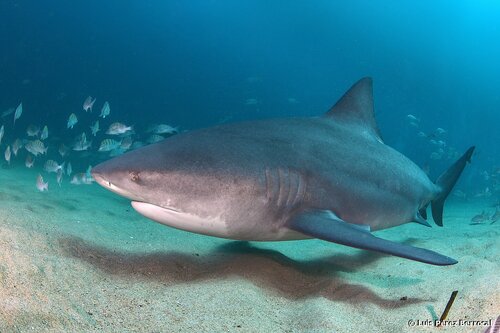
Bull shark
Rare sighting
at Great Blue Hole
Vulnerable
Dive sites
What divers say
Mexico's cenotes get all the press but Belize has its own. Often you'll have it to yourself.
Good to know
Bring lights
Strong primary plus backup is mandatory; ops can rent.