Cathedral Cove
Channel Islands · United States
Anacapa Island's signature dive: a kelp forest cathedral on the north shore of the east islet, where giant kelp (Macrocystis pyrifera) climbs from a 21 m sand channel to the surface in vertical golden columns. Drop along the reef structure at 6 m, work the arches and small caverns, and finish in the shallow forest watching garibaldi defend territories and juvenile sea lions strafe the canopy. Inside the Anacapa Island State Marine Reserve, so fish densities and giant sea bass sightings are noticeably higher than nearby unprotected reefs.
Conditions
Depth
6 to 21 m
Open water and up
Current
Usually gentle
Can pick up on the edge
Visibility
15 to 30 m
Clearest in the calm season
Water
13 to 20°C
7mm wetsuit
Month by month
| Month | Jan | Feb | Mar | Apr | May | Jun | Jul | Aug | Sep | Oct | Nov | Dec |
|---|---|---|---|---|---|---|---|---|---|---|---|---|
| Water (°C) | 13 | 13 | 13 | 13 | 14 | 15 | 17 | 18 | 18 | 17 | 15 | 14 |
| Vis (m) | 6 | 6 | 6 | 6 | 6 | 6 | 9 | 9 | 12 | 15 | 12 | 9 |
| Current | Gentle | Gentle | Gentle | Gentle | Gentle | Gentle | Gentle | Gentle | Gentle | Gentle | Gentle | Gentle |
Your chances of seeing each animal
California sea lion
Last confirmed Nov 15, 2025 · 130 records
Almost always
Nearly every dive
Giant kelp
Last confirmed Jul 3, 2026 · 168 records
Almost always
Nearly every dive
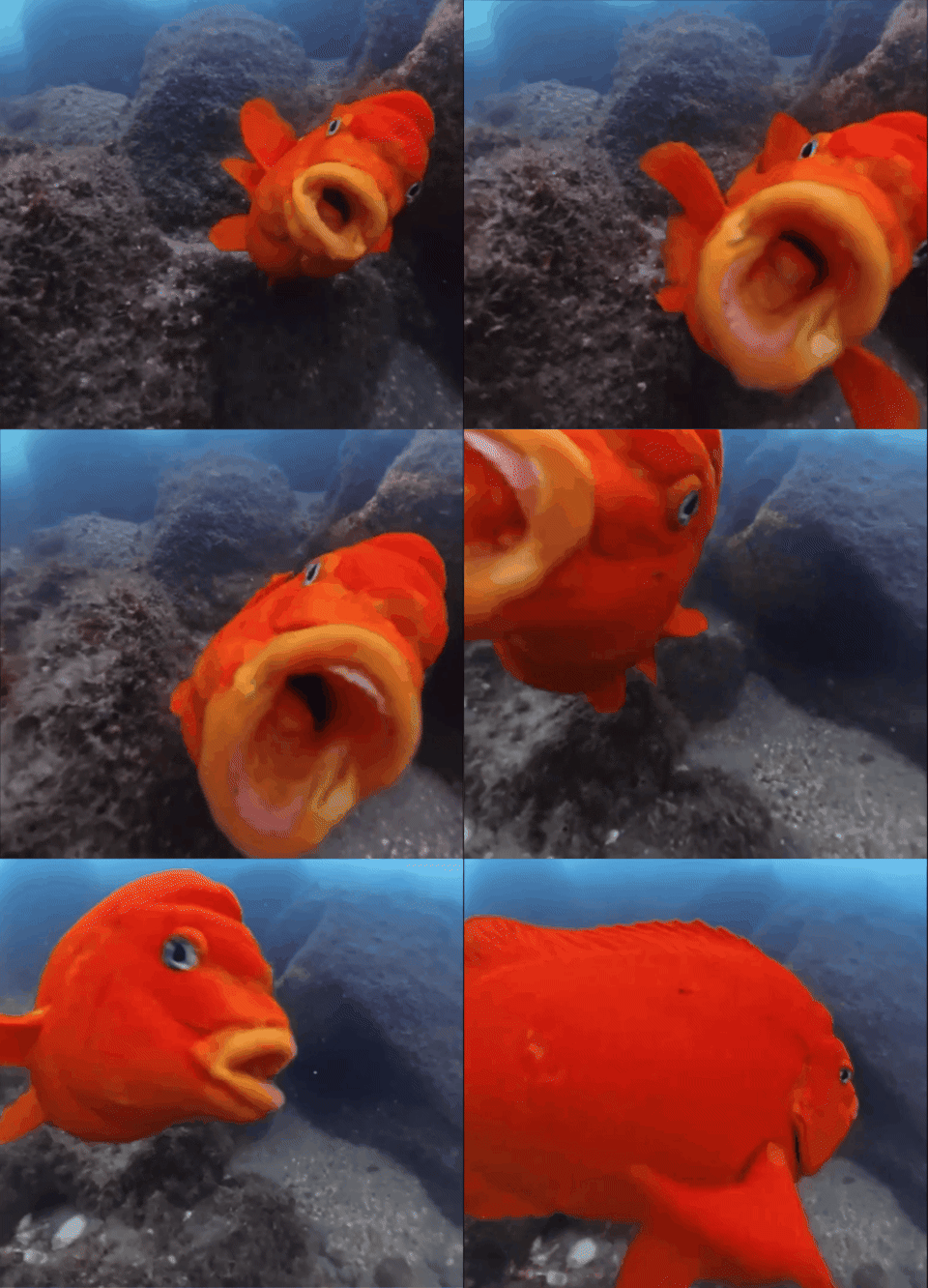
Garibaldi
Last confirmed Jun 26, 2026 · 47 records
Almost always
Nearly every dive
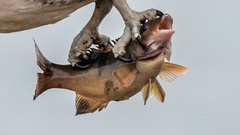
California sheephead
Last confirmed Jun 26, 2026 · 31 records
Very likely
Most dives
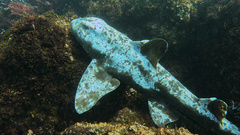
Horn shark
Last confirmed May 24, 2026 · 22 records
Very likely
Most dives
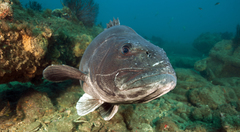
Giant sea bass
Last confirmed Aug 27, 2025 · 8 records
Likely
About 6 in 10 dives
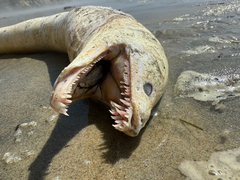
Moray eel
Last confirmed May 25, 2026 · 9 records
Likely
About 6 in 10 dives
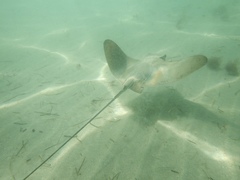
Bat ray
Last confirmed Jun 23, 2026 · 9 records
Sometimes
About 1 in 3 dives
Gear