Planning a trip?
Hotels, dive operators, gear, and how to get here are on the Chuuk Lagoon location page.
Overview
Japanese fleet oiler torpedoed during Hailstone. Sits upright at 38 m — bow rises to 12 m. Operating theatre with surgical instruments still visible inside; soft-coral growth makes the superstructure look like a Christmas tree.
Briefing note
Tech certification recommended for full exploration. Wreck penetration card required.
What you'll see
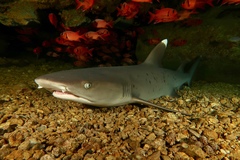
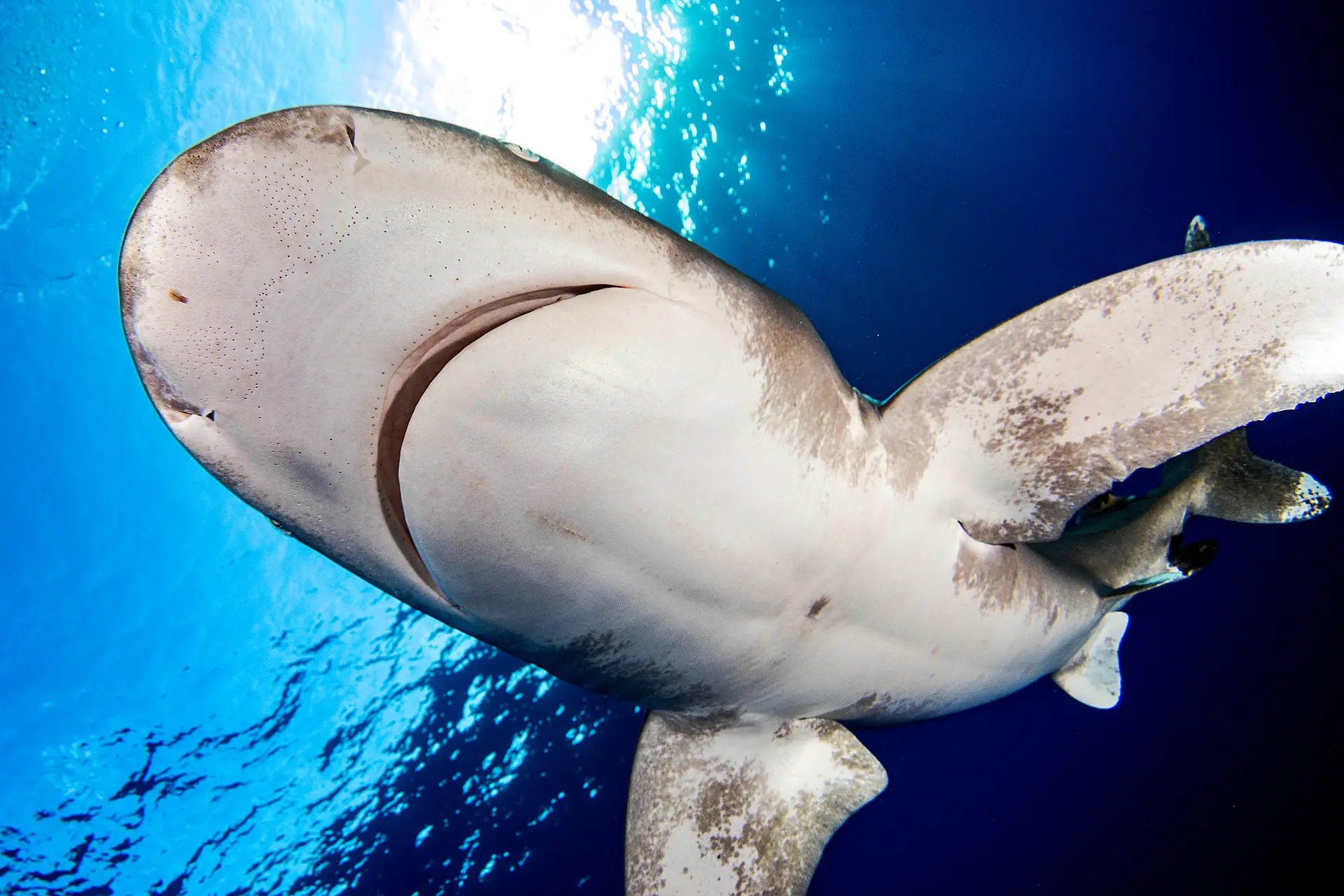
3 species curated- year-roundWhitetip reef shark
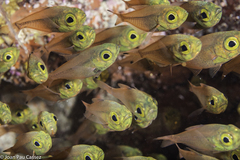
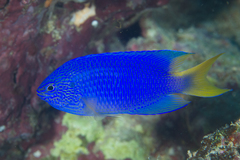
- year-roundGlassfish
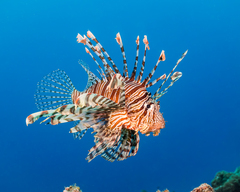
- year-roundLionfish
Sightings evidence
1 record on file- high confidenceWhitetip reef shark
- Last confirmed
- Apr 2026
- Recent records
- 130 within 10 km
Sources & methodology
How we summarise this
We aggregate confirmed occurrence records from GBIF and OBIS within a fixed radius of each dive site. Occurrence records confirm presence and reveal seasonality clustering, but they DO NOT measure per-dive probability — there is no eligible-effort denominator. We deliberately do not publish a numeric '% chance of sighting' from this data.
Sources
- Global Biodiversity Information Facility — GBIF Secretariat
- Ocean Biodiversity Information System — IOC-UNESCO
- iNaturalist — California Academy of Sciences & National Geographic Society
- IUCN Red List of Threatened Species — International Union for Conservation of Nature
- Wildbook (Sharkbook, Whale Shark, Manta Matcher) — Wild Me
- OBIS-SEAMAP — Duke University Marine Geospatial Ecology Lab / OBIS
- WoRMS — World Register of Marine Species — Flanders Marine Institute (VLIZ)
- FishBase — FishBase Consortium
- Atlas of Living Australia — CSIRO / GBIF Australia
- REEF Volunteer Fish Survey — Reef Environmental Education Foundation
The wreck
Ship history- War grave
Tanker · Japan
Shinkoku Maru
- Built
- 1940
- Sunk
- Feb 17, 1944
- Length
- 168 m
- Tonnage
- 10,020
- Diveable depth
- 12–38 m
- How she sank
- Sunk in wartime
Japanese fleet tanker sunk during Operation Hailstone. Sits upright with the superstructure heavily encrusted and a famous soft-coral-covered bridge. The medical bay and operating room are accessible by experienced wreck divers.
Notable features
- soft-coral bridge
- medical bay
- operating room
- bow gun
Vessel histories sourced from the Naval History and Heritage Command (DANFS), NOAA ENC Direct, and editorial research. Bathymetry per GEBCO. See the methodology for limits.
Conditions
| Month | Water | Visibility | Current |
|---|---|---|---|
| Jan | 28–30 °C | 15–25 m | mild |
| Feb | 28–30 °C | 15–25 m | mild |
| Mar | 28–30 °C | 15–25 m | mild |
| Apr | 28–30 °C | 15–25 m | mild |
| May | 28–30 °C | 15–25 m | mild |
| Jun | 28–30 °C | 15–25 m | mild |
| Jul | 28–30 °C | 15–25 m | mild |
| Aug | 28–30 °C | 15–25 m | mild |
| Sep | 28–30 °C | 15–25 m | mild |
| Oct | 28–30 °C | 15–25 m | mild |
| Nov | 28–30 °C | 15–25 m | mild |
| Dec | 28–30 °C | 15–25 m | mild |
Season calendar
Peak season highlighted · current month outlined
Gear for this site
Beyond the basic kit- Dive light — Deep penetration into engine rooms and operating theatre.
- Computer — Trimix dives common to maximize bottom time.
Next step
Book your trip to Chuuk Lagoon
Hotels, liveaboards, dive operators, gear recommendations, and travel logistics for the whole region.
Plan your trip →Some links earn us a commission. Learn more