El Bajón
La Restinga · Spain
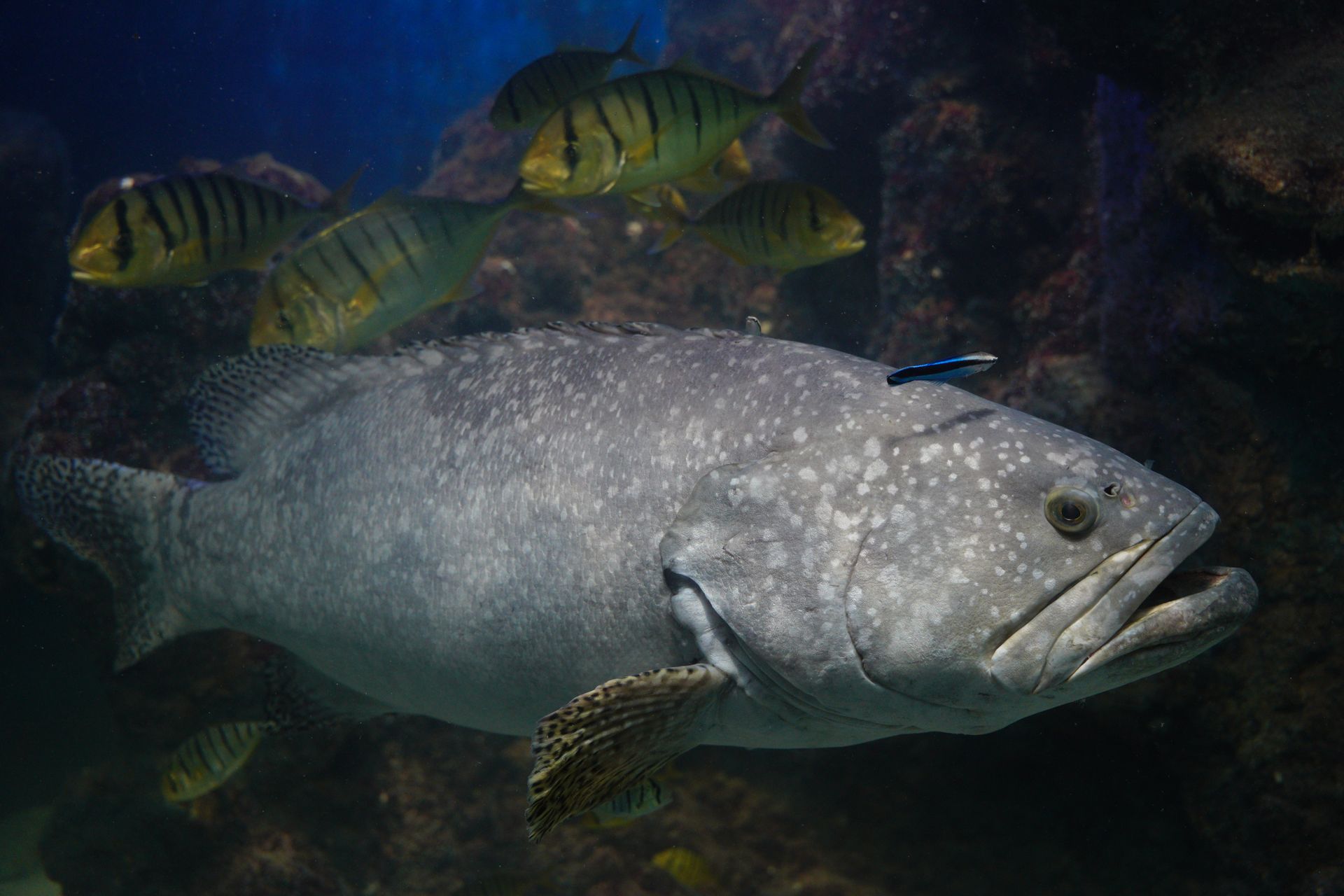
A volcanic seamount a few hundred metres off La Restinga harbour on El Hierro's southern tip, anchoring the Mar de las Calmas marine reserve. Twin pinnacles crest at 6 and 9 metres before steep walls plunge past 100 metres into open Atlantic. Current pulls feed schooling barracuda, amberjacks and tuna along the ridge, while large dusky groupers, morays and burrfish hold to the rock. In summer and autumn, mobula and oceanic manta rays circle the peaks and whale sharks occasionally pass through. Visibility runs 30 to 50 metres on calm days.
Conditions
Depth
6 to 40 m
Advanced depths
Current
Can be moderate
Can pick up on the edge
Visibility
30 to 45 m
Clearest in the calm season
Water
18 to 25°C
3mm full
Month by month
| Month | Jan | Feb | Mar | Apr | May | Jun | Jul | Aug | Sep | Oct | Nov | Dec |
|---|---|---|---|---|---|---|---|---|---|---|---|---|
| Water (°C) | 19 | 18 | 18 | 19 | 19 | 21 | 22 | 23 | 23 | 22 | 21 | 20 |
| Vis (m) | 25 | 25 | 25 | 25 | 30 | 30 | 30 | 30 | 30 | 30 | 30 | 25 |
| Current | Moderate | Moderate | Moderate | Moderate | Gentle | Gentle | Gentle | Gentle | Moderate | Moderate | Moderate | Moderate |
Your chances of seeing each animal
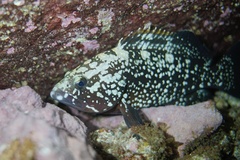
Dusky grouper
Last confirmed Nov 15, 2025 · 130 records
Almost always
Nearly every dive
Atlantic trumpetfish
Last confirmed Jun 22, 2026 · 5 records
Very likely
Most dives
European barracuda
Last confirmed May 11, 2026 · 3 records
Likely
About 6 in 10 dives

Atlantic bonito
Last confirmed Aug 4, 2025 · 1 records
Sometimes
About 1 in 3 dives
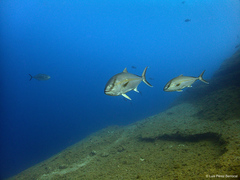
Atlantic amberjack
Expected
Known here, not yet in recent logs
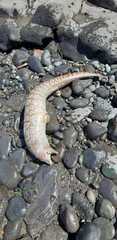
Moray eel
Expected
Known here, not yet in recent logs
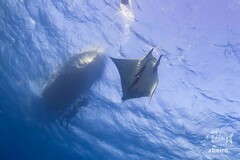
Mobula ray (devil ray)
Expected
Known here, not yet in recent logs
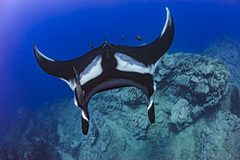
Oceanic manta ray
Expected
Known here, not yet in recent logs
Gear
Basic kit
For this site
- SMB + finger reel · Currents over the seamount can push divers off the structure; surface marker buoy required for blue-water ascents and boat pickup.
- Dive computer with multi-level/deep capability · Walls drop past 100 m and most dives work depth profiles between 20 and 40 m along the ridge.