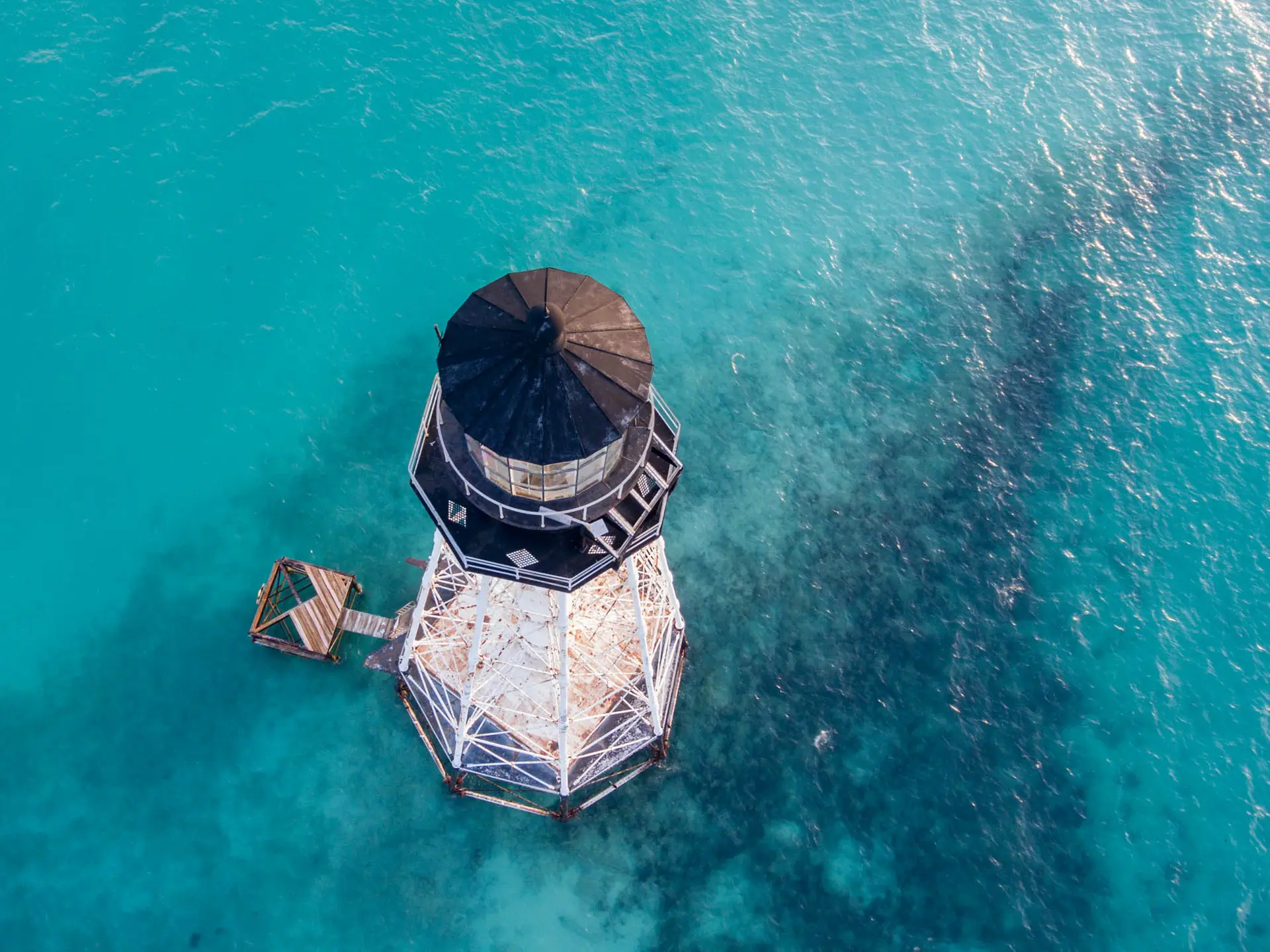
Looe Key Reef
Florida Keys · United States
U-shaped spur and groove reef 5 miles south of Big Pine Key, named after the 44-gun HMS Looe — a British man of war that ran aground here in February 1744 while towing a captured French ship. Anchor, ballast pile, and copper plating from the wreck still lie on the eastern end in 25 feet of water. The 374-acre Sanctuary Preservation Area is renowned for one of the densest surviving stands of elkhorn coral in the Florida Reef Tract, with parallel coral fingers and sand grooves dropping from 7 to 35 feet. Reliable encounters with goliath grouper under ledges, tarpon, large schools of grunts and yellowtail snapper, and seasonal nurse sharks. Hosts the annual Underwater Music Festival in July, when speakers are lowered to the reef.
Conditions
Depth
2 to 11 m
Good for beginners
Current
Usually gentle
Can pick up on the edge
Visibility
15 to 25 m
Clearest in the calm season
Water
21 to 31°C
Tropical wetsuit (3 mm)
Month by month
| Month | Jan | Feb | Mar | Apr | May | Jun | Jul | Aug | Sep | Oct | Nov | Dec |
|---|---|---|---|---|---|---|---|---|---|---|---|---|
| Water (°C) | 21 | 21 | 23 | 24 | 26 | 28 | 29 | 29 | 28 | 26 | 24 | 22 |
| Vis (m) | 12 | 12 | 15 | 18 | 20 | 20 | 20 | 18 | 15 | 15 | 12 | 12 |
| Current | Gentle | Gentle | Gentle | Gentle | Gentle | Gentle | Gentle | Gentle | Gentle | Gentle | Gentle | Gentle |
Your chances of seeing each animal
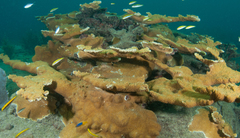
Elkhorn coral
Last confirmed May 15, 2026 · 130 records
Almost always
Nearly every dive
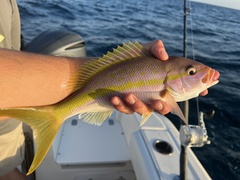
Yellowtail snapper
Last confirmed Jun 25, 2026 · 119 records
Almost always
Nearly every dive
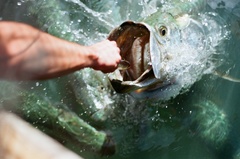
Atlantic tarpon
Last confirmed Jun 27, 2026 · 46 records
Almost always
Nearly every dive
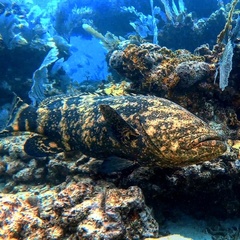
Goliath grouper
Last confirmed Jun 26, 2026 · 15 records
Very likely
Most dives
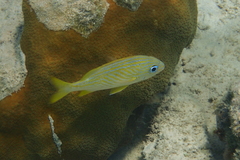
French grunt
Last confirmed Jun 25, 2026 · 34 records
Very likely
Most dives
Nurse shark
Last confirmed Jun 23, 2026 · 36 records
Very likely
Most dives
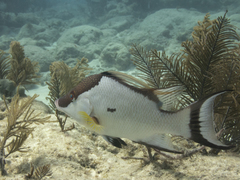
Hogfish
Last confirmed Jun 23, 2026 · 39 records
Very likely
Most dives
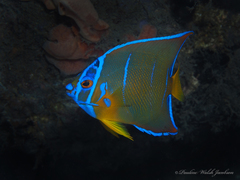
Queen angelfish
Last confirmed Jun 7, 2026 · 26 records
Very likely
Most dives
Gear