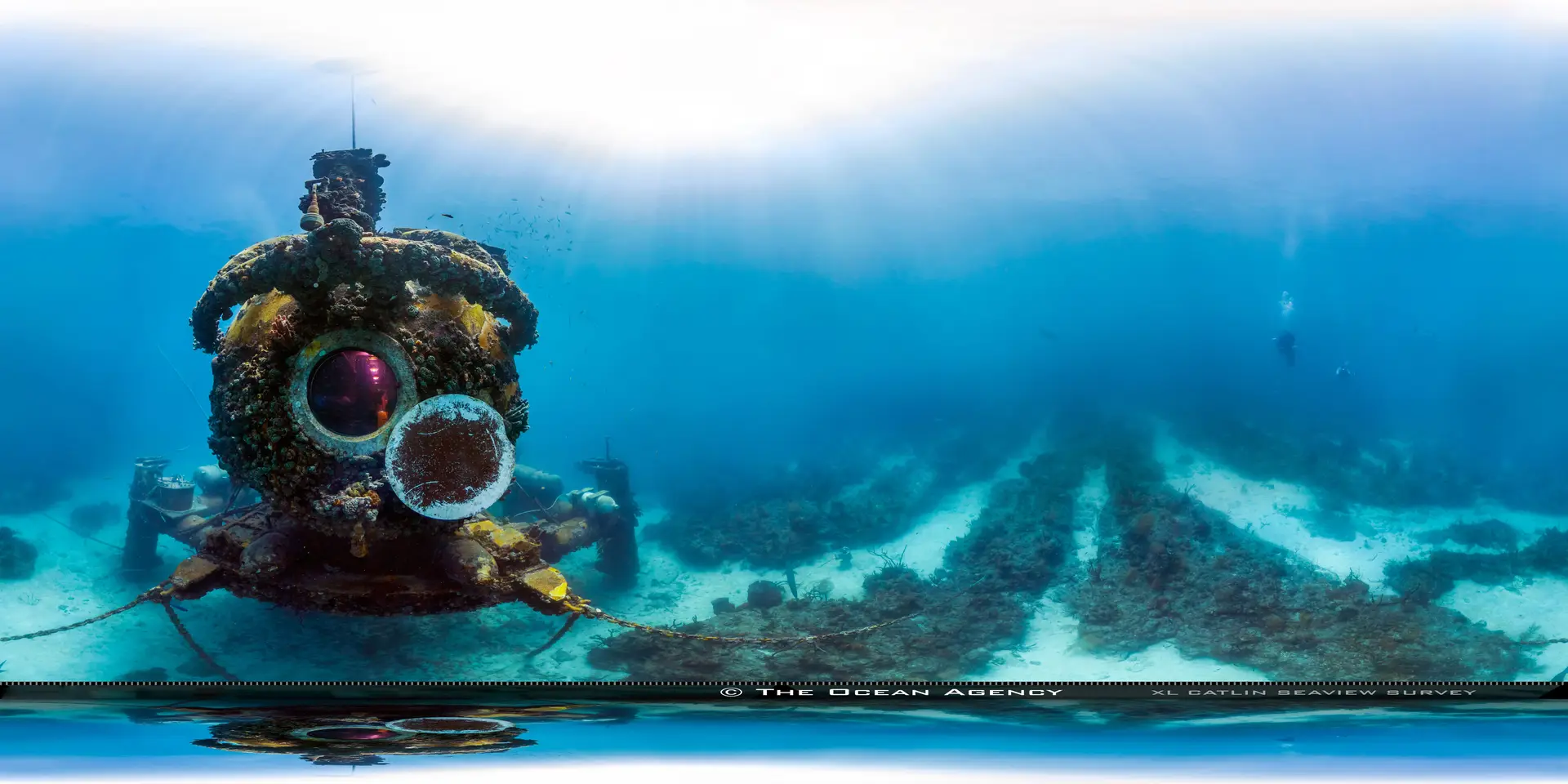
Molasses Reef
Florida Keys · United States
Spur-and groove coral reef 6 miles off Key Largo, anchored by an 1880s wrought iron light tower and routinely cited as one of the most visited dive reefs in the world. 30+ mooring buoys mark distinct sites including Hole in the Wall — a 9 m photogenic swim through under a coral ledge — and the Winch, where the 170-foot schooner Slobadana sank in 1887 leaving a brass windlass cemented into the reef. Depths run 2–18 m over stands of elkhorn and brain coral. Resident green moray, schools of yellowtail snapper and grunts, parrotfish, southern stingrays under the ledges, and seasonal nurse sharks. Inside Florida Keys National Marine Sanctuary — mooring only, no anchoring or touching coral.
Conditions
Depth
2 to 18 m
Good for beginners
Current
Usually gentle
Can pick up on the edge
Visibility
15 to 25 m
Clearest in the calm season
Water
22 to 31°C
Tropical wetsuit (3 mm)
Month by month
| Month | Jan | Feb | Mar | Apr | May | Jun | Jul | Aug | Sep | Oct | Nov | Dec |
|---|---|---|---|---|---|---|---|---|---|---|---|---|
| Water (°C) | 22 | 22 | 23 | 24 | 26 | 28 | 29 | 29 | 28 | 26 | 24 | 22 |
| Vis (m) | 12 | 12 | 15 | 18 | 20 | 20 | 20 | 20 | 15 | 15 | 12 | 12 |
| Current | Gentle | Gentle | Gentle | Gentle | Gentle | Gentle | Gentle | Gentle | Gentle | Gentle | Gentle | Gentle |
Your chances of seeing each animal
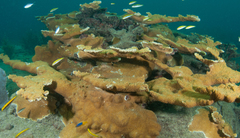
Elkhorn coral
Last confirmed May 15, 2026 · 130 records
Almost always
Nearly every dive
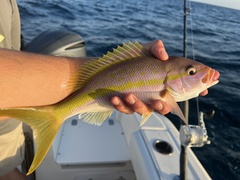
Yellowtail snapper
Last confirmed Jul 8, 2026 · 112 records
Almost always
Nearly every dive
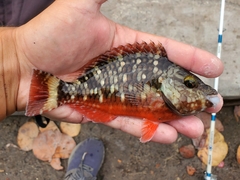
Stoplight parrotfish
Last confirmed Jul 4, 2026 · 219 records
Almost always
Nearly every dive
Great barracuda
Last confirmed Jul 4, 2026 · 227 records
Almost always
Nearly every dive
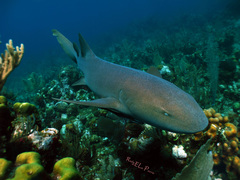
Nurse shark
Last confirmed May 24, 2026 · 101 records
Almost always
Nearly every dive
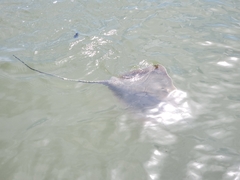
Southern stingray
Last confirmed Jul 4, 2026 · 52 records
Almost always
Nearly every dive
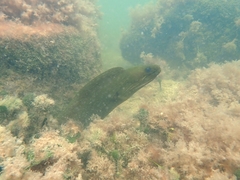
Green moray
Last confirmed Jul 4, 2026 · 15 records
Very likely
Most dives
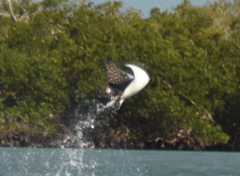
Spotted eagle ray
Last confirmed Jul 3, 2026 · 11 records
Very likely
Most dives
Gear