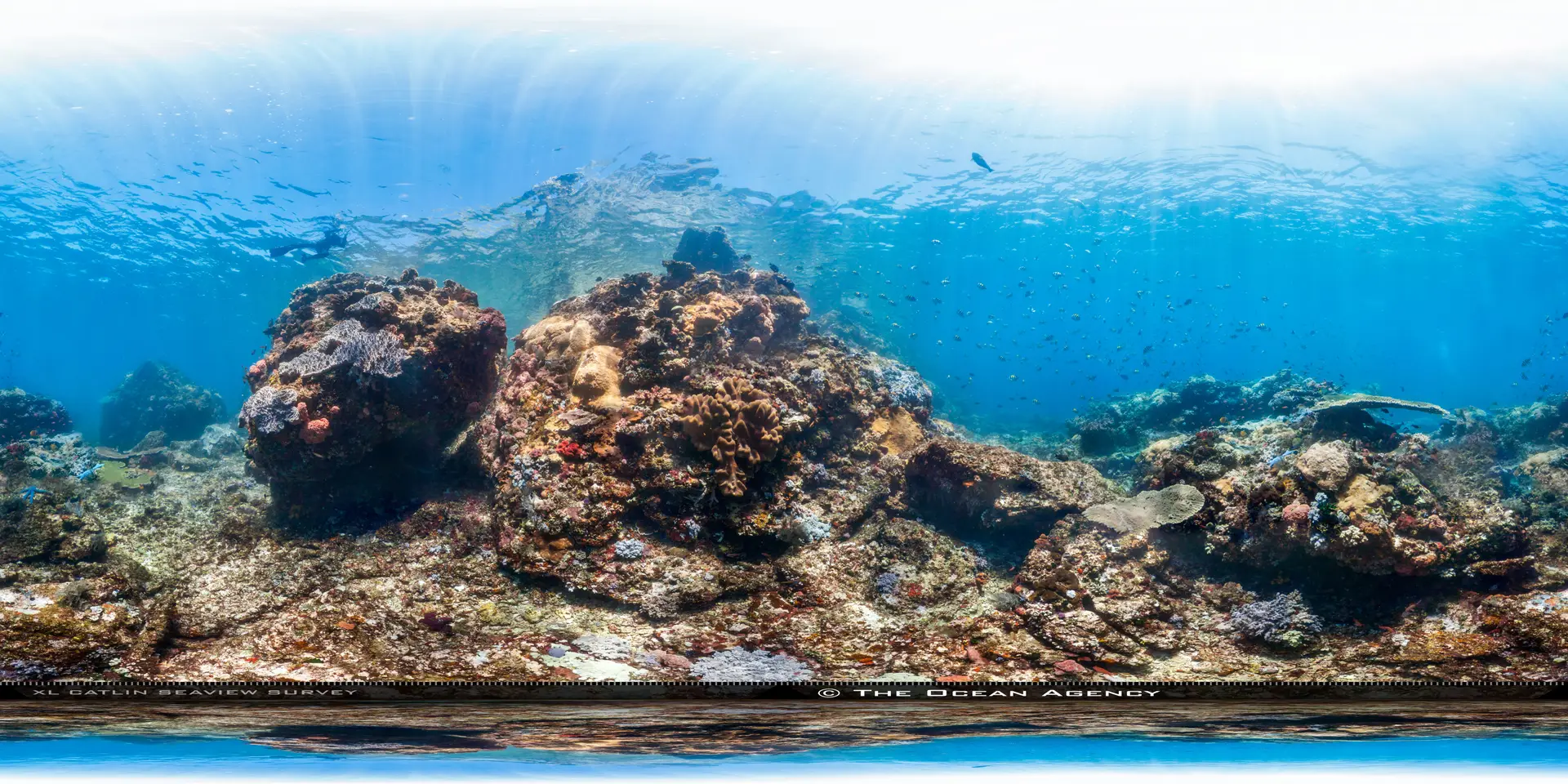
HMAS Perth
Komodo National Park · Indonesia
The HMAS Perth II is a 133-meter former Royal Australian Navy guided missile destroyer, purposefully scuttled as an artificial reef in King George Sound off Albany. Sitting upright on the seabed between 23 and 36 meters, the wreck offers extensive exploration opportunities. Its hull is largely intact with multiple cut access points for certified wreck divers to explore internal compartments, including the bridge, engine spaces, and accommodation areas. The wreck is encrusted with sponges, ascidians, hydroids, soft corals, and gorgonian fans, attracting diverse marine life.
Conditions
Depth
23 to 36 m
Advanced depths
Current
Usually gentle
Can pick up on the edge
Visibility
15 to 25 m
Clearest in the calm season
Water
14 to 20°C
7mm wetsuit with hooded vest
Month by month
| Month | Jan | Feb | Mar | Apr | May | Jun | Jul | Aug | Sep | Oct | Nov | Dec |
|---|---|---|---|---|---|---|---|---|---|---|---|---|
| Water (°C) | 18 | 18 | 18 | 18 | 16 | 14 | 14 | 14 | 15 | 16 | 17 | 18 |
| Vis (m) | 15 | 15 | 15 | 15 | 15 | 15 | 15 | 15 | 15 | 15 | 15 | 15 |
| Current | Gentle | Gentle | Gentle | Gentle | Gentle | Gentle | Gentle | Gentle | Gentle | Gentle | Gentle | Gentle |
Your chances of seeing each animal
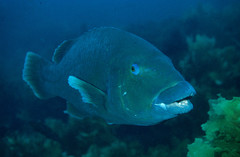
Western blue groper
Last confirmed Apr 15, 2026 · 130 records
Almost always
Nearly every dive

Nudibranch
Last confirmed Jan 24, 2026 · 31 records
Very likely
Most dives
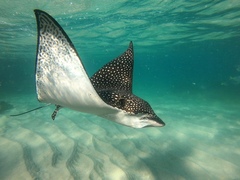
Stingray
Last confirmed Jan 4, 2026 · 14 records
Very likely
Most dives
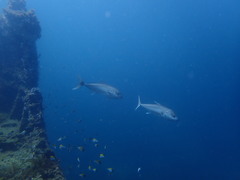
Samson fish
Last confirmed Aug 30, 2025 · 2 records
Likely
About 6 in 10 dives
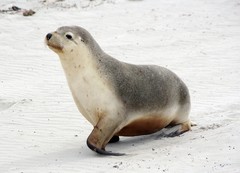
Australian sea lion
Last confirmed Jul 27, 2024 · 1 records
Rare
Now and then
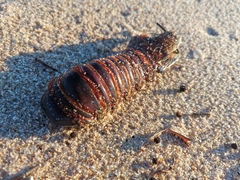
Western rock lobster
Expected
Known here, not yet in recent logs
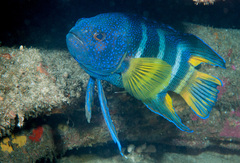
Southern blue devil fish
Expected
Known here, not yet in recent logs
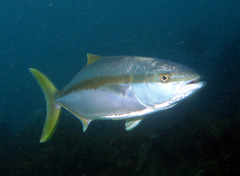
Kingfish
Expected
Known here, not yet in recent logs
Gear