Planning a trip?
Hotels, dive operators, gear, and how to get here are on the Komodo National Park location page.
Overview
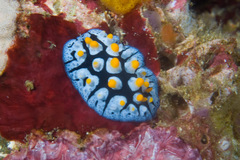
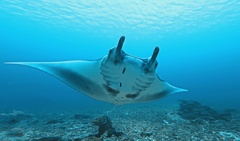
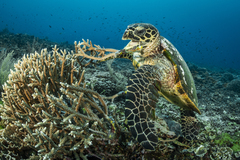
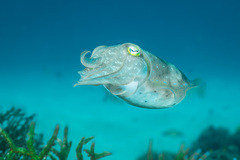
A central Komodo manta cleaning station off Pulau Mawan, west of Siaba Besar. The dive follows white sand, coral rubble and bommies where reef mantas can hover over cleaner fish, while bamboo sharks, turtles, cuttlefish, nudibranchs and reef fish fill the shallows. It is calmer than Komodo's big-current icons, but timing still matters.
Briefing note
Mawan is often suitable for Open Water divers when dived at slack or gentle current, but new and full moon tides can make the site stronger. Give manta cleaning stations room and follow the guide's approach line rather than swimming directly at rays.
What you'll see
5 species curated- seasonalReef manta rayPeak: Dec · Jan · Feb · Mar · Apr
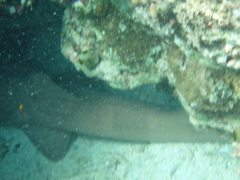
- year-roundBamboo shark
- year-roundHawksbill turtle
- year-roundCuttlefish
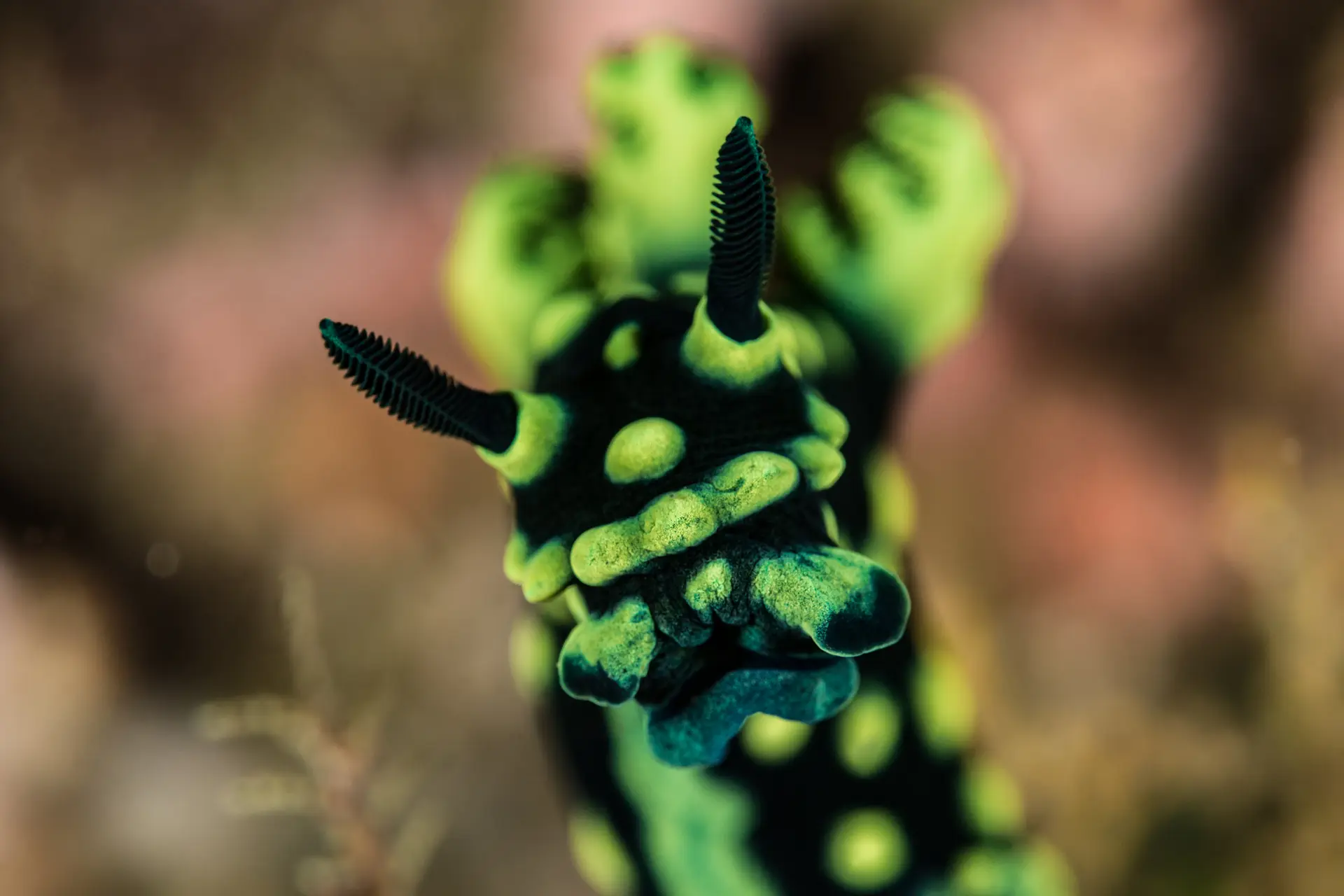
- year-roundNudibranch
Sightings evidence
1 record on file- medium confidenceReef manta ray
- Last confirmed
- Apr 2026
- Recent records
- 45 within 25 km
- Cluster months
- Dec, Jan, Feb, Mar, Apr
Sources & methodology
How we summarise this
We aggregate confirmed occurrence records from GBIF and OBIS within a fixed radius of each dive site. Occurrence records confirm presence and reveal seasonality clustering, but they DO NOT measure per-dive probability — there is no eligible-effort denominator. We deliberately do not publish a numeric '% chance of sighting' from this data.
Sources
- Global Biodiversity Information Facility — GBIF Secretariat
- Ocean Biodiversity Information System — IOC-UNESCO
- iNaturalist — California Academy of Sciences & National Geographic Society
- IUCN Red List of Threatened Species — International Union for Conservation of Nature
- Manta Trust IDtheManta Database — Manta Trust
- OBIS-SEAMAP — Duke University Marine Geospatial Ecology Lab / OBIS
- WoRMS — World Register of Marine Species — Flanders Marine Institute (VLIZ)
- FishBase — FishBase Consortium
- Atlas of Living Australia — CSIRO / GBIF Australia
- REEF Volunteer Fish Survey — Reef Environmental Education Foundation
Conditions
| Month | Water | Visibility | Current |
|---|---|---|---|
| Jan | 27–29 °C | 10–22 m | moderate |
| Feb | 27–29 °C | 10–22 m | moderate |
| Mar | 27–29 °C | 12–25 m | moderate |
| Apr | 27–29 °C | 15–25 m | moderate |
| May | 26–28 °C | 15–25 m | moderate |
| Jun | 26–28 °C | 15–25 m | moderate |
| Jul | 25–27 °C | 15–25 m | moderate |
| Aug | 25–27 °C | 15–25 m | moderate |
| Sep | 26–28 °C | 15–25 m | moderate |
| Oct | 27–29 °C | 15–25 m | moderate |
| Nov | 27–29 °C | 12–22 m | moderate |
| Dec | 27–29 °C | 10–22 m | moderate |
Season calendar
Peak season highlighted · current month outlined
Gear for this site
Beyond the basic kit- SMB — Even mellow Komodo dives can end as short drifts when the tide changes.
- Macro lens or torch — The rubble and bommies hold nudibranchs, shrimp and small cryptic subjects between manta passes.
Next step
Book your trip to Komodo National Park
Hotels, liveaboards, dive operators, gear recommendations, and travel logistics for the whole region.
Plan your trip →Some links earn us a commission. Learn more