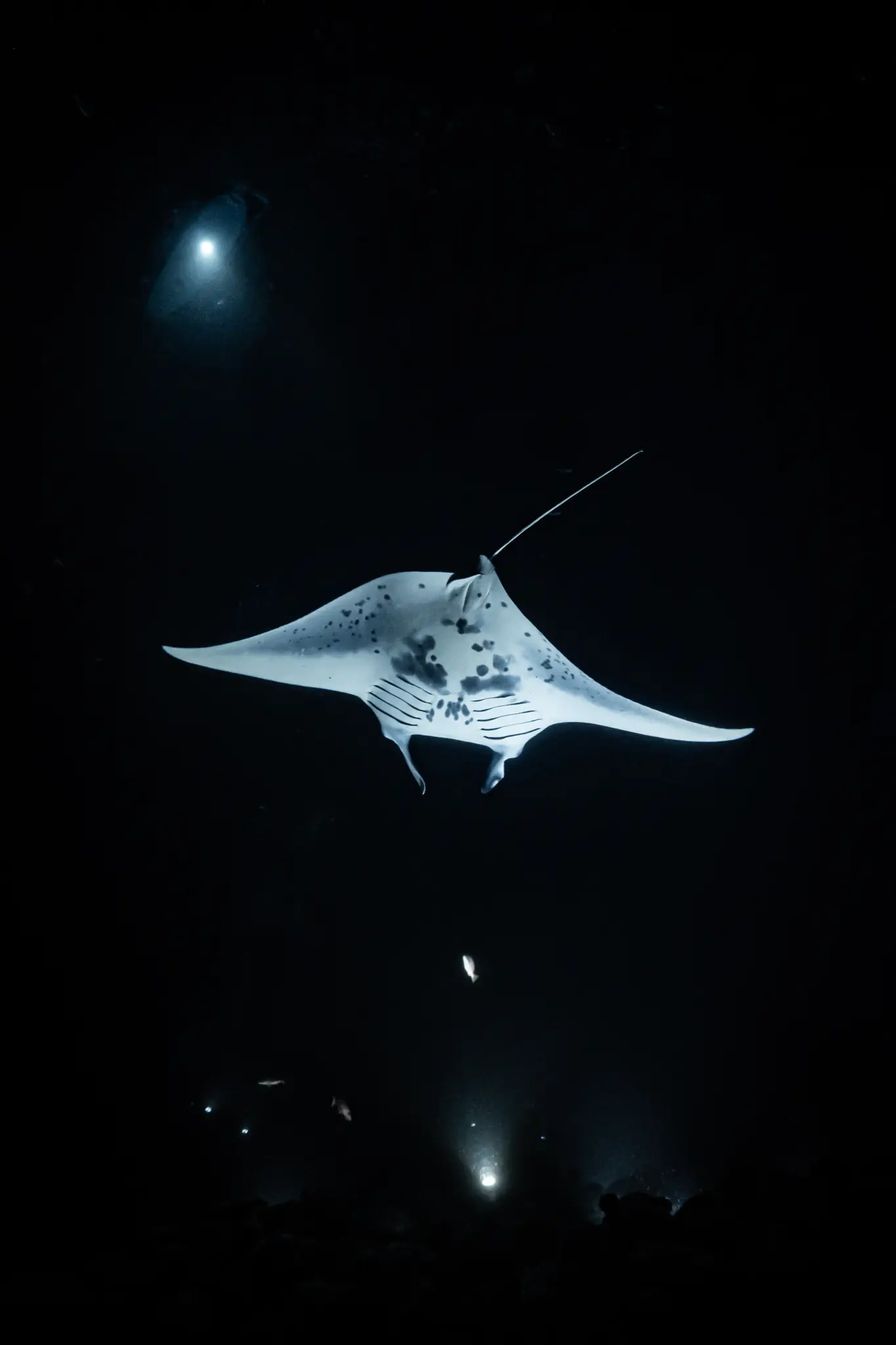
Manta Ray Night Dive (Garden Eel Cove)
Kona Coast · United States
By day this sandy shelf off Keahole Point is Garden Eel Cove, named for the colonies of Hawaiian garden eels that sway from the bottom near 12 m. After dark it becomes Manta Heaven: crews set powerful lights on the sand at about 11 m, the glow concentrates plankton into a bright column, and resident reef mantas with wingspans near 4 m sweep in to barrel roll through the swarm, mouths agape, sometimes passing inches above kneeling divers. Kona's catalog holds more than 200 identified individuals, so the show runs most nights of the year. A resident undulated moray nicknamed Frank often turns up to pick off fish drawn to the lights. Keahole Point shelters the cove from the summer south swell.
Conditions
Depth
9 to 18 m
Good for beginners
Current
Usually gentle
Can pick up on the edge
Visibility
20 to 30 m
Clearest in the calm season
Water
23 to 28°C
3mm wetsuit
Month by month
| Month | Jan | Feb | Mar | Apr | May | Jun | Jul | Aug | Sep | Oct | Nov | Dec |
|---|---|---|---|---|---|---|---|---|---|---|---|---|
| Water (°C) | 24 | 24 | 23 | 24 | 25 | 26 | 26 | 27 | 27 | 26 | 25 | 24 |
| Vis (m) | 15 | 15 | 15 | 20 | 20 | 20 | 20 | 20 | 20 | 20 | 15 | 15 |
| Current | Gentle | Gentle | Gentle | Gentle | Gentle | Gentle | Gentle | Gentle | Gentle | Gentle | Gentle | Gentle |
Your chances of seeing each animal
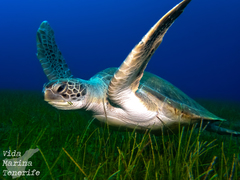
Green Sea Turtle
Last confirmed Jul 4, 2026 · 446 records
Almost always
Nearly every dive
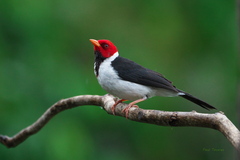
Yellow-Billed Cardinal
Last confirmed Jul 4, 2026 · 322 records
Almost always
Nearly every dive
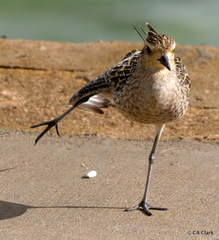
Pacific Golden-Plover
Last confirmed Jun 29, 2026 · 285 records
Almost always
Nearly every dive
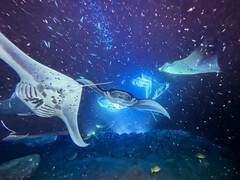
Reef manta ray
Last confirmed May 15, 2026 · 65 records
Almost always
Nearly every dive
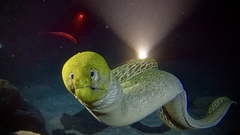
Undulated moray
Last confirmed Mar 30, 2026 · 29 records
Very likely
Most dives
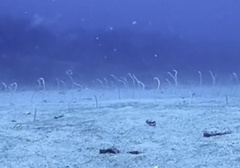
Hawaiian garden eel
Last confirmed May 8, 2025 · 1 records
Likely
About 6 in 10 dives
Gear
Basic kit
For this site
- Backup dive light · Every diver carries a primary and a backup light for the night descent, even though crews set the big plankton lights on the sand.
- 5mm wetsuit · You kneel motionless on the sand for 30 to 45 minutes while the mantas feed, so divers chill faster than the warm water suggests, especially on winter nights.