Gato Island
Malapascua · Philippines
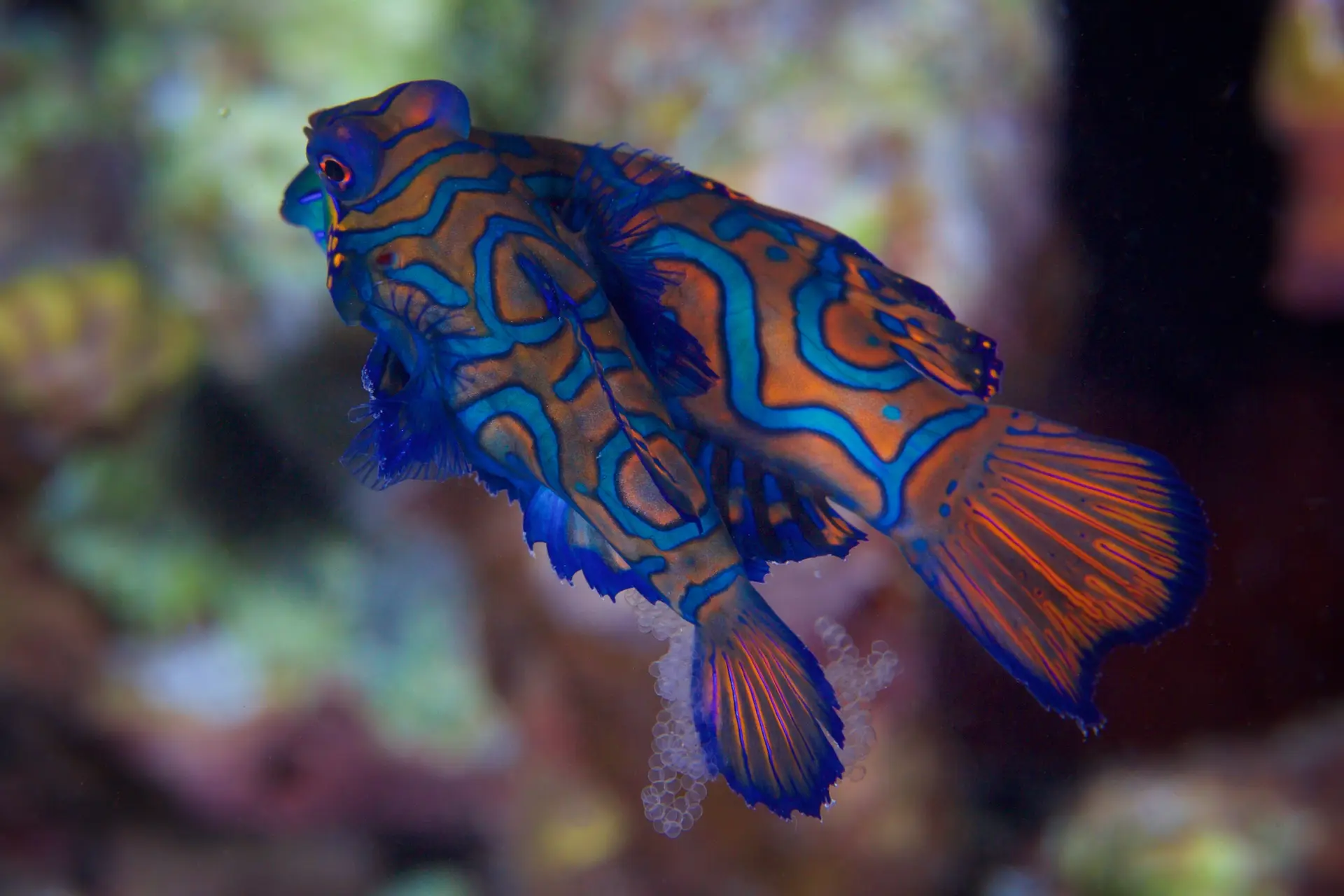
A small rock islet about 16 km northeast of Malapascua in the Visayan Sea, designated a sea snake and fish sanctuary in 1997. Its signature feature is a roughly 30 m tunnel that cuts through the southern flank of the island between about 6 and 15 m, where divers swim past whitetip reef sharks resting on the sand floor and exit onto a coral wall on the far side. Outside the cave, the walls drop to 25–30 m with abundant macro life: painted and giant frogfish, mandarinfish at dusk in the shallow rubble, pygmy seahorses on red gorgonians, blue ringed octopus, and yellow lipped sea kraits (Laticauda colubrina) hunting over the reef and ascending to the surface to breathe.
Conditions
Depth
6 to 30 m
Open water and up
Current
Can be moderate
Can pick up on the edge
Visibility
10 to 20 m
Clearest in the calm season
Water
26 to 30°C
3mm full
Month by month
| Month | Jan | Feb | Mar | Apr | May | Jun | Jul | Aug | Sep | Oct | Nov | Dec |
|---|---|---|---|---|---|---|---|---|---|---|---|---|
| Water (°C) | 26 | 26 | 27 | 28 | 28 | 28 | 28 | 28 | 28 | 27 | 27 | 26 |
| Vis (m) | 15 | 15 | 20 | 20 | 15 | 10 | 10 | 10 | 10 | 10 | 15 | 15 |
| Current | Gentle | Gentle | Gentle | Gentle | Gentle | Moderate | Moderate | Moderate | Moderate | Moderate | Gentle | Gentle |
Your chances of seeing each animal
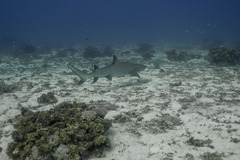
Whitetip reef shark
Last confirmed May 15, 2026 · 130 records
Almost always
Nearly every dive
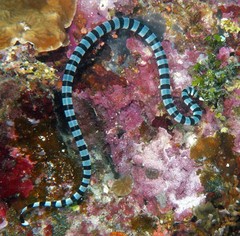
Yellow-lipped sea krait
Last confirmed May 19, 2026 · 17 records
Very likely
Most dives
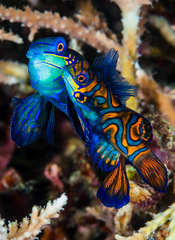
Mandarinfish
Last confirmed Jul 1, 2026 · 28 records
Very likely
Most dives
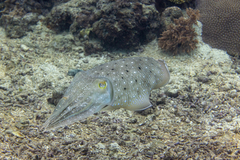
Cuttlefish
Last confirmed Jul 3, 2026 · 18 records
Very likely
Most dives
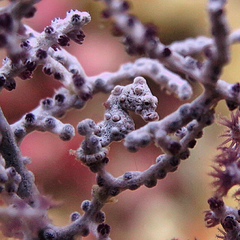
Pygmy seahorse
Last confirmed May 11, 2026 · 11 records
Very likely
Most dives
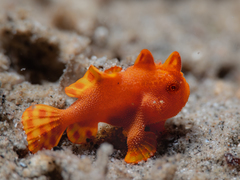
Painted frogfish
Last confirmed Jun 9, 2026 · 15 records
Likely
About 6 in 10 dives
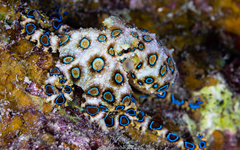
Blue-ringed octopus
Last confirmed Feb 3, 2026 · 10 records
Likely
About 6 in 10 dives
Gear