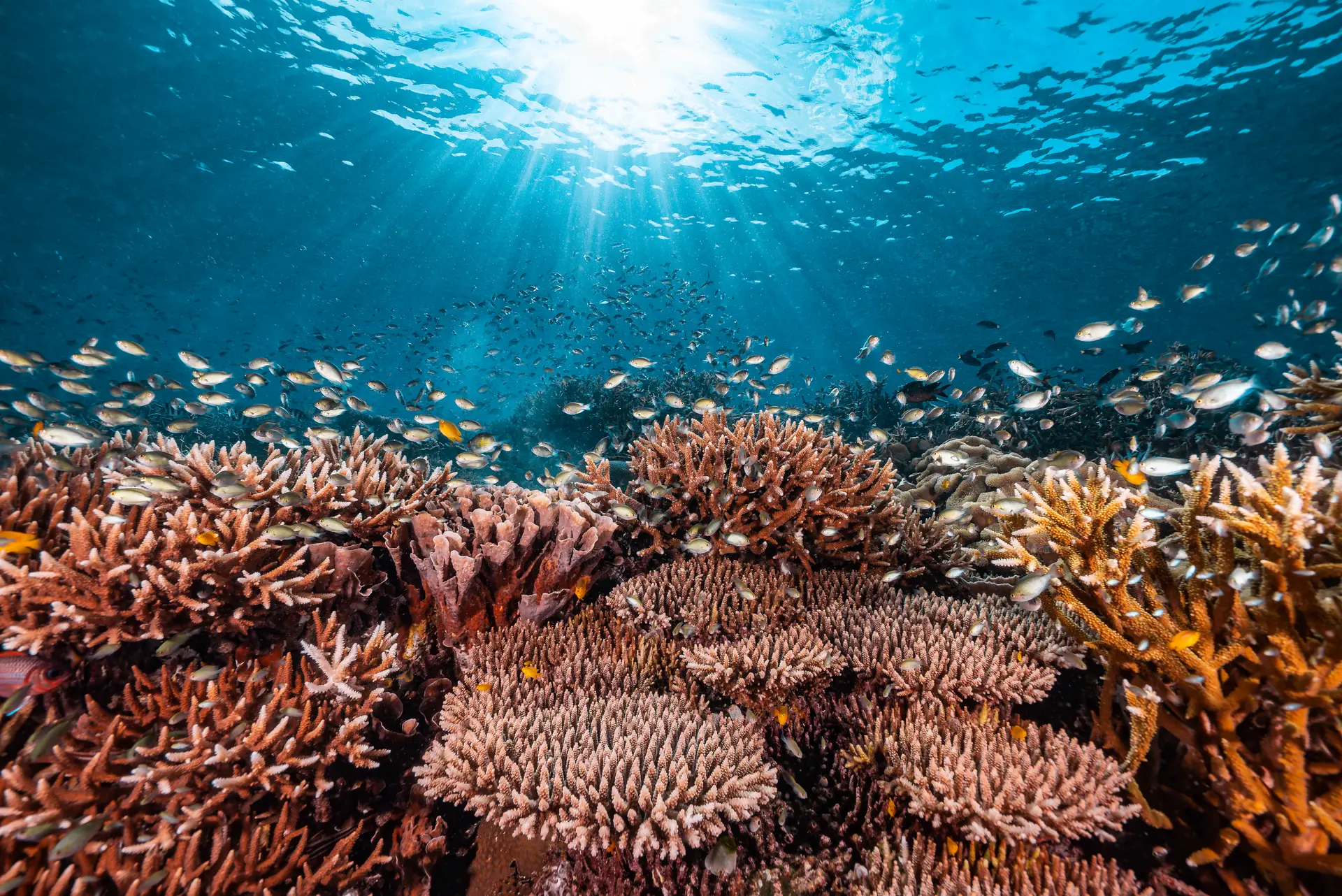
HMAS Canberra
Raja Ampat · Indonesia
The HMAS Canberra is a scuttled FFG-7 guided missile frigate, transformed into an artificial reef and popular dive wreck off the coast of Victoria, Australia, near Port Phillip Heads. This site offers challenging and rewarding penetration opportunities and exterior exploration, attracting advanced divers. The wreck's structure provides habitat for diverse marine life.
Conditions
Depth
18 to 28 m
Open water and up
Current
Can be moderate
Can pick up on the edge
Visibility
5 to 12 m
Clearest in the calm season
Water
12 to 22°C
7mm wetsuit or drysuit
Month by month
| Month | Jan | Feb | Mar | Apr | May | Jun | Jul | Aug | Sep | Oct | Nov | Dec |
|---|---|---|---|---|---|---|---|---|---|---|---|---|
| Water (°C) | 18 | 19 | 18 | 16 | 14 | 13 | 12 | 12 | 13 | 14 | 16 | 17 |
| Vis (m) | 5 | 5 | 5 | 5 | 5 | 5 | 5 | 5 | 5 | 5 | 5 | 5 |
| Current | Moderate | Moderate | Moderate | Moderate | Moderate | Strong | Strong | Strong | Strong | Moderate | Moderate | Moderate |
Your chances of seeing each animal

Schools of fish
Last confirmed Apr 15, 2026 · 130 records
Almost always
Nearly every dive

Nudibranchs
Last confirmed Jan 2, 2026 · 3872 records
Almost always
Nearly every dive
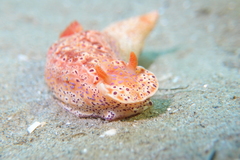
Short-Tailed Ceratosoma
Last confirmed Jul 5, 2026 · 319 records
Almost always
Nearly every dive
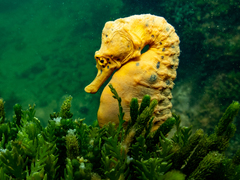
Bigbelly Seahorse
Last confirmed Jul 6, 2026 · 250 records
Almost always
Nearly every dive
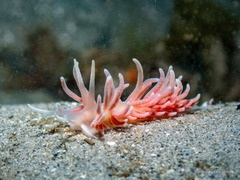
Made-Up Phyllodesmium
Last confirmed Jul 5, 2026 · 216 records
Almost always
Nearly every dive
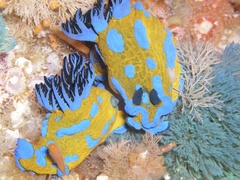
Verco'S Nudibranch
Last confirmed Jun 25, 2026 · 222 records
Almost always
Nearly every dive
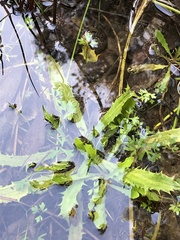
Blue Devils
Expected
Known here, not yet in recent logs
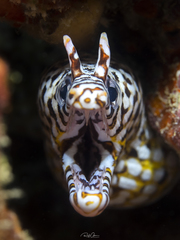
Moray Eels
Expected
Known here, not yet in recent logs
Gear