Planning a trip?
Hotels, dive operators, gear, and how to get here are on the Silver Bank location page.
Overview
Punta Cana offers a range of shallow reef dives and some deeper sites with vibrant coral formations. Marine life includes various reef fish and occasional larger pelagics like nurse sharks and stingrays. Expect clear waters and gentle currents on most dives.
Briefing note
Popular for resort diving, with a mix of artificial reefs and natural formations.
What you'll see
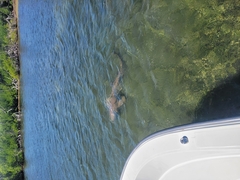
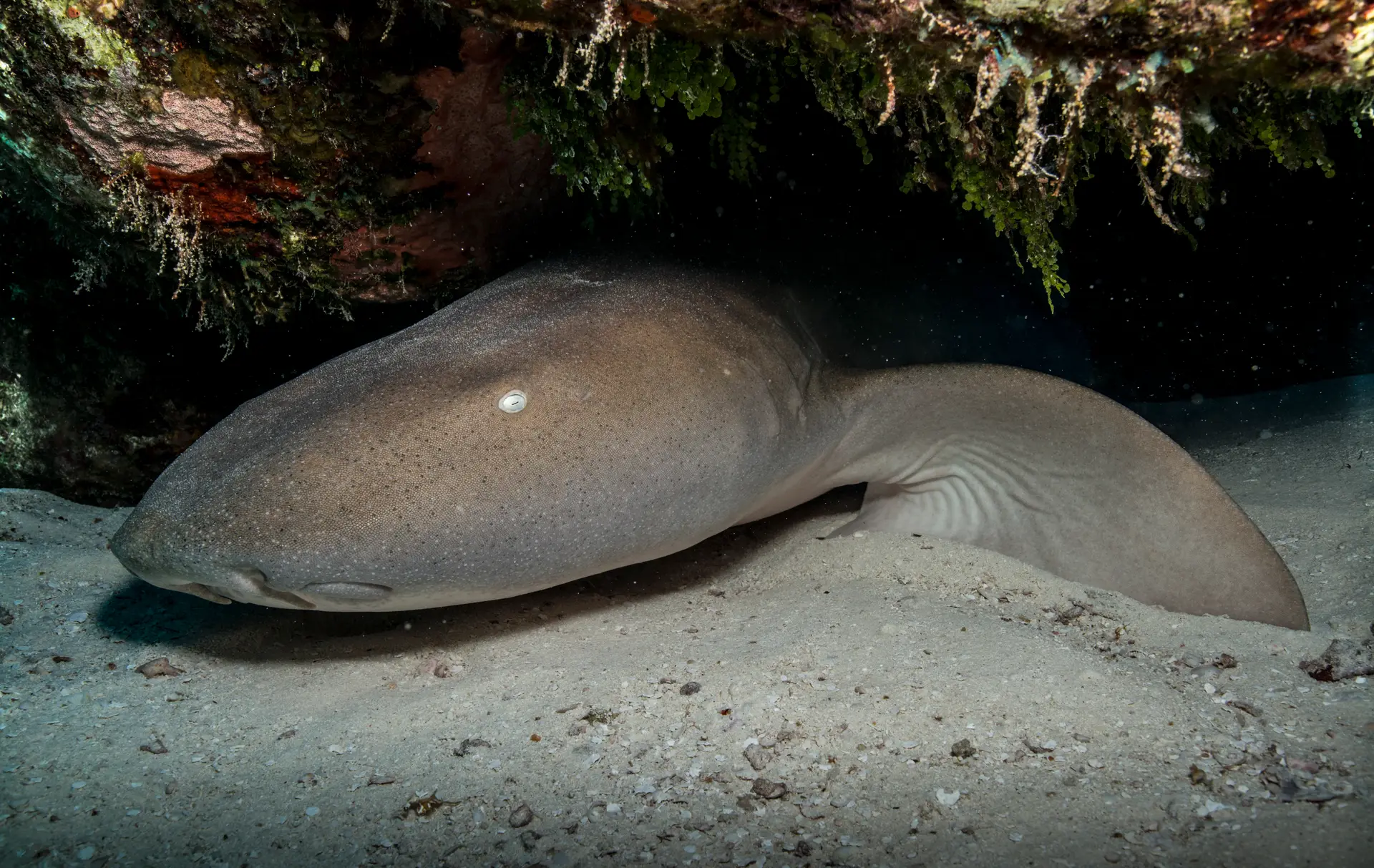
3 species curated- year-roundNurse SharkPeak: Jan · Feb · Mar · Apr · May · Jun · Jul · Aug · Sep · Oct · Nov · Dec
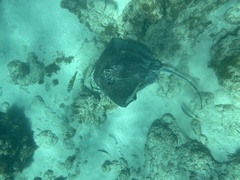
- year-roundSouthern StingrayPeak: Jan · Feb · Mar · Apr · May · Jun · Jul · Aug · Sep · Oct · Nov · Dec
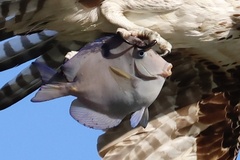
- year-roundBlue TangPeak: Jan · Feb · Mar · Apr · May · Jun · Jul · Aug · Sep · Oct · Nov · Dec
Reef data for this area
Jurisdiction-level snapshotsBenthic snapshot — AGRRA
Dominican Republic (AGRRA)
Current mean coral cover
14%in 2018
Earlier survey
16%in 2011
↓ -2 pts
AGRRA Caribbean benthic transects along DR north/south coasts. AGRRA composite for DR; Silver Bank itself is offshore and not on the AGRRA transect network — treated as the nearest jurisdiction-level snapshot.
Reported at the jurisdictionscale, not the dive site — the published surveys don’t resolve a single reef. AGRRA Dominican Republic country report →
Sightings evidence
3 records on file- high confidenceNurse Shark
- Last confirmed
- May 2024
- Recent records
- 5 within 25 km
- Cluster months
- Year-round
Observed regularly on local dive sites.
- high confidenceSouthern Stingray
- Last confirmed
- May 2024
- Recent records
- 7 within 25 km
- Cluster months
- Year-round
Commonly seen resting on sandy bottoms.
- high confidenceBlue Tang
- Last confirmed
- May 2024
- Recent records
- 10 within 25 km
- Cluster months
- Year-round
Abundant on coral reefs.
Sources & methodology
How we summarise this
We aggregate confirmed occurrence records from GBIF and OBIS within a fixed radius of each dive site. Occurrence records confirm presence and reveal seasonality clustering, but they DO NOT measure per-dive probability — there is no eligible-effort denominator. We deliberately do not publish a numeric '% chance of sighting' from this data.
Sources
- Global Biodiversity Information Facility — GBIF Secretariat
- Ocean Biodiversity Information System — IOC-UNESCO
- OBIS-SEAMAP — Duke University Marine Geospatial Ecology Lab / OBIS
- iNaturalist — California Academy of Sciences & National Geographic Society
- IUCN Red List of Threatened Species — International Union for Conservation of Nature
- WoRMS — World Register of Marine Species — Flanders Marine Institute (VLIZ)
- FishBase — FishBase Consortium
- Atlas of Living Australia — CSIRO / GBIF Australia
- REEF Volunteer Fish Survey — Reef Environmental Education Foundation
Conditions
| Month | Water | Visibility | Current |
|---|---|---|---|
| Jan | 26–28 °C | 15–25 m | mild |
| Feb | 26–28 °C | 15–25 m | mild |
| Mar | 26–28 °C | 15–25 m | mild |
| Apr | 27–29 °C | 18–28 m | mild |
| May | 27–29 °C | 18–28 m | mild |
| Jun | 28–30 °C | 18–30 m | mild |
| Jul | 28–30 °C | 18–30 m | mild |
| Aug | 28–30 °C | 18–30 m | mild |
| Sep | 28–30 °C | 18–28 m | mild |
| Oct | 27–29 °C | 15–25 m | mild |
| Nov | 26–28 °C | 15–25 m | mild |
| Dec | 26–28 °C | 15–25 m | mild |
Season calendar
Next step
Book your trip to Silver Bank
Hotels, liveaboards, dive operators, gear recommendations, and travel logistics for the whole region.
Plan your trip →Some links earn us a commission. Learn more