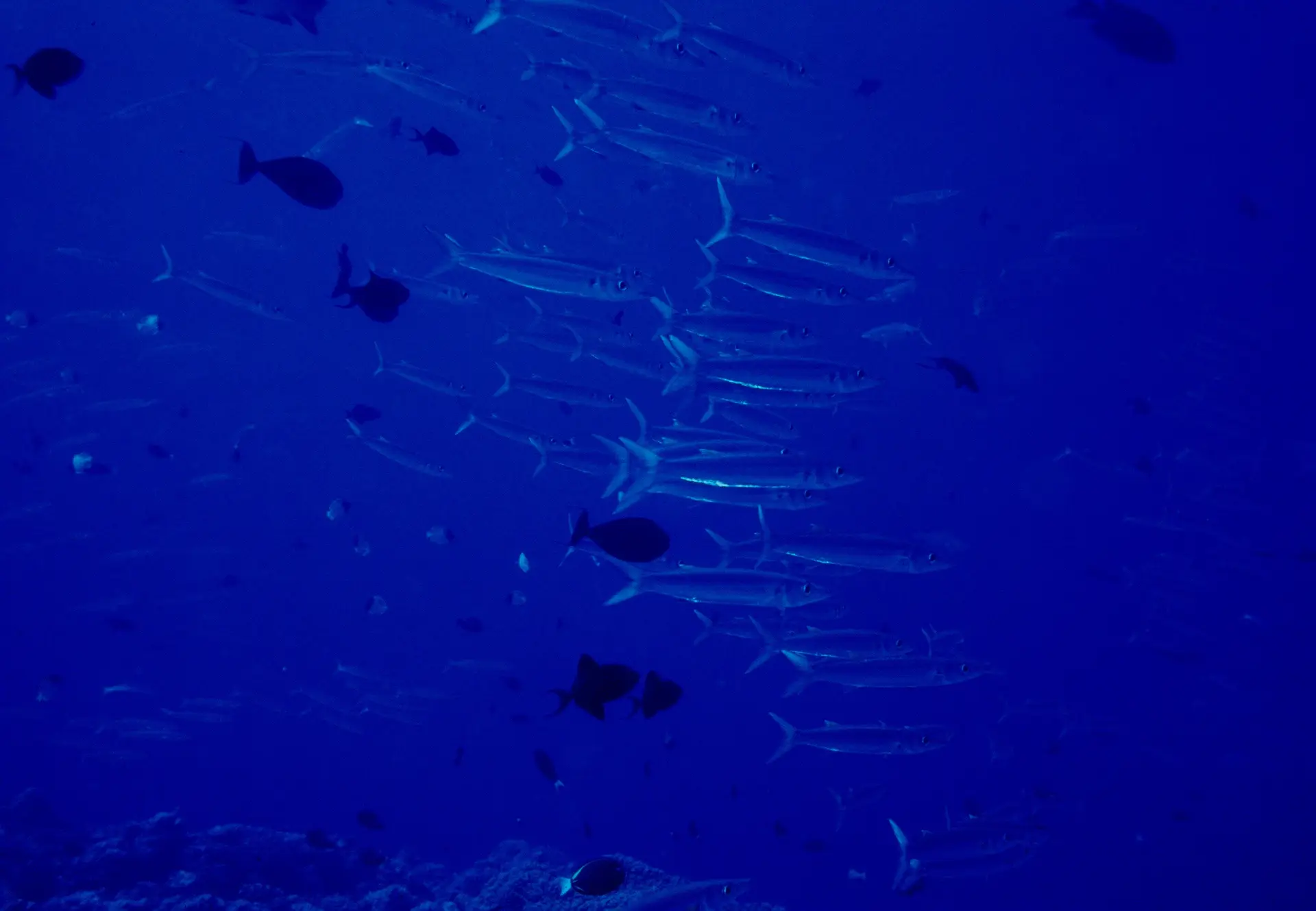
Halliburton Wreck
Utila · Honduras
30 m steel cargo vessel deliberately sunk in 1998, sitting upright in 30 m of water with the wheelhouse at 18 m. Heavy sponge growth, schooling horse eye jacks, and accessible swim throughs for trained wreck divers.
Conditions
Depth
18 to 30 m
Open water and up
Current
Usually gentle
Can pick up on the edge
Visibility
15 to 30 m
Clearest in the calm season
Water
25 to 29°C
Tropical wetsuit
Month by month
| Month | Jan | Feb | Mar | Apr | May | Jun | Jul | Aug | Sep | Oct | Nov | Dec |
|---|---|---|---|---|---|---|---|---|---|---|---|---|
| Water (°C) | 25 | 25 | 26 | 26 | 27 | 28 | 28 | 28 | 28 | 27 | 26 | 25 |
| Vis (m) | 20 | 20 | 25 | 25 | 25 | 20 | 20 | 20 | 15 | 15 | 20 | 20 |
| Current | Gentle | Gentle | Gentle | Gentle | Gentle | Gentle | Gentle | Gentle | Gentle | Gentle | Gentle | Gentle |
Your chances of seeing each animal
Brown Anole
Last confirmed Jun 13, 2026 · 29 records
Very likely
Most dives
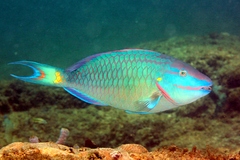
Stoplight Parrotfish
Last confirmed May 14, 2026 · 20 records
Very likely
Most dives
Canivet'S Emerald
Last confirmed Apr 9, 2026 · 22 records
Very likely
Most dives
Schooling horse eye jack
Last confirmed May 15, 2026 · 130 records
Very likely
Most dives
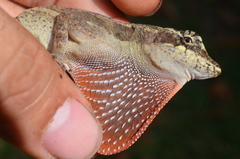
Utila Anole
Last confirmed Jun 15, 2026 · 11 records
Very likely
Most dives
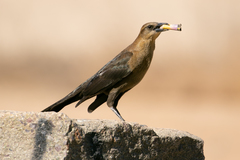
Great-Tailed Grackle
Last confirmed Apr 7, 2026 · 12 records
Very likely
Most dives
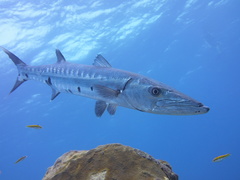
Barracuda
Last confirmed May 14, 2026 · 6 records
Likely
About 6 in 10 dives
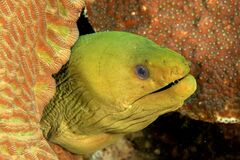
Green moray eel
Last confirmed Dec 15, 2025 · 4 records
Sometimes
About 1 in 3 dives
Gear