Planning a trip?
Hotels, dive operators, gear, and how to get here are on the Vis Island location page.
Overview
American B-17 Flying Fortress that ditched off the island of Vis in 1944 after a bombing run over Austria. Sits upright on the sand at 72 m — tech-only depth. Engines, fuselage, and machine guns all intact and recognisable.
Briefing note
Trimix certification mandatory. Permits required from Croatian authorities.
What you'll see
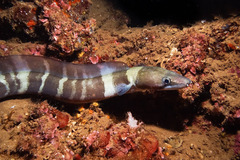
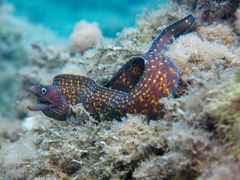
3 species curated- year-roundConger eel
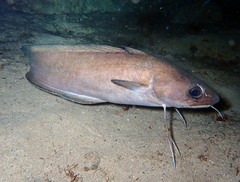
- year-roundForkbeard
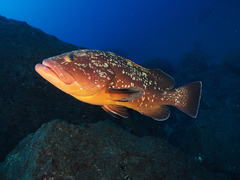
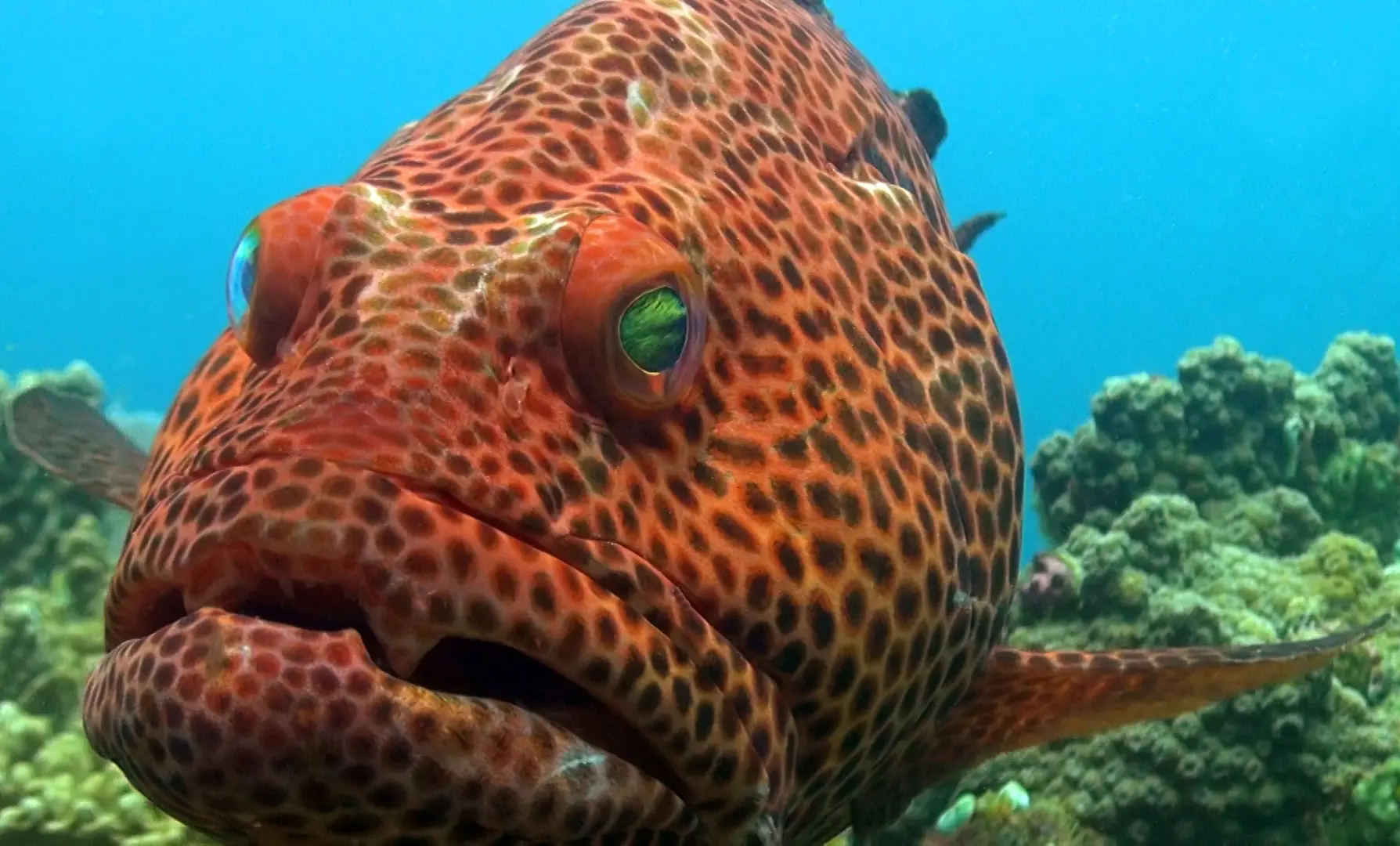
- year-roundGrouper
Sightings evidence
1 record on file- high confidenceConger eel
- Last confirmed
- Oct 2025
- Recent records
- 130 within 10 km
Sources & methodology
How we summarise this
We aggregate confirmed occurrence records from GBIF and OBIS within a fixed radius of each dive site. Occurrence records confirm presence and reveal seasonality clustering, but they DO NOT measure per-dive probability — there is no eligible-effort denominator. We deliberately do not publish a numeric '% chance of sighting' from this data.
Sources
- Global Biodiversity Information Facility — GBIF Secretariat
- Ocean Biodiversity Information System — IOC-UNESCO
- OBIS-SEAMAP — Duke University Marine Geospatial Ecology Lab / OBIS
- iNaturalist — California Academy of Sciences & National Geographic Society
- IUCN Red List of Threatened Species — International Union for Conservation of Nature
- WoRMS — World Register of Marine Species — Flanders Marine Institute (VLIZ)
- FishBase — FishBase Consortium
- Atlas of Living Australia — CSIRO / GBIF Australia
- REEF Volunteer Fish Survey — Reef Environmental Education Foundation
The wreck
Ship history- War grave
Aircraft · United States
Boeing B-17G Flying Fortress
- Built
- 1944
- Sunk
- Nov 6, 1944
- Length
- 23 m
- Diveable depth
- 60–72 m
- How she sank
- Sunk in wartime
US Army Air Force heavy bomber that ditched in the Adriatic after taking flak damage on a bombing run to Austria. All 11 crew survived. Discovered in 1997 — technical-only dive at 70 m.
Notable features
- intact fuselage
- machine-gun positions
- engine nacelles
- nose section
Vessel histories sourced from the Naval History and Heritage Command (DANFS), NOAA ENC Direct, and editorial research. Bathymetry per GEBCO. See the methodology for limits.
Conditions
| Month | Water | Visibility | Current |
|---|---|---|---|
| Jan | 13–15 °C | 20–30 m | mild |
| Feb | 13–14 °C | 20–30 m | mild |
| Mar | 13–14 °C | 20–30 m | mild |
| Apr | 14–16 °C | 20–30 m | mild |
| May | 15–17 °C | 20–30 m | mild |
| Jun | 17–19 °C | 20–30 m | mild |
| Jul | 20–22 °C | 20–30 m | mild |
| Aug | 22–24 °C | 20–30 m | mild |
| Sep | 21–23 °C | 20–30 m | mild |
| Oct | 18–20 °C | 20–30 m | mild |
| Nov | 16–18 °C | 20–30 m | mild |
| Dec | 14–16 °C | 20–30 m | mild |
Season calendar
Peak season highlighted · current month outlined
Gear for this site
Beyond the basic kit- Drysuit — Bottom temp at 72 m stays cold year-round; deco hangs at 6 m demand insulation.
- Computer — Trimix decompression dive — tech-capable computer mandatory.
- Dive light — Light at depth drops fast — primary canister required.
Next step
Book your trip to Vis Island
Hotels, liveaboards, dive operators, gear recommendations, and travel logistics for the whole region.
Plan your trip →Some links earn us a commission. Learn more