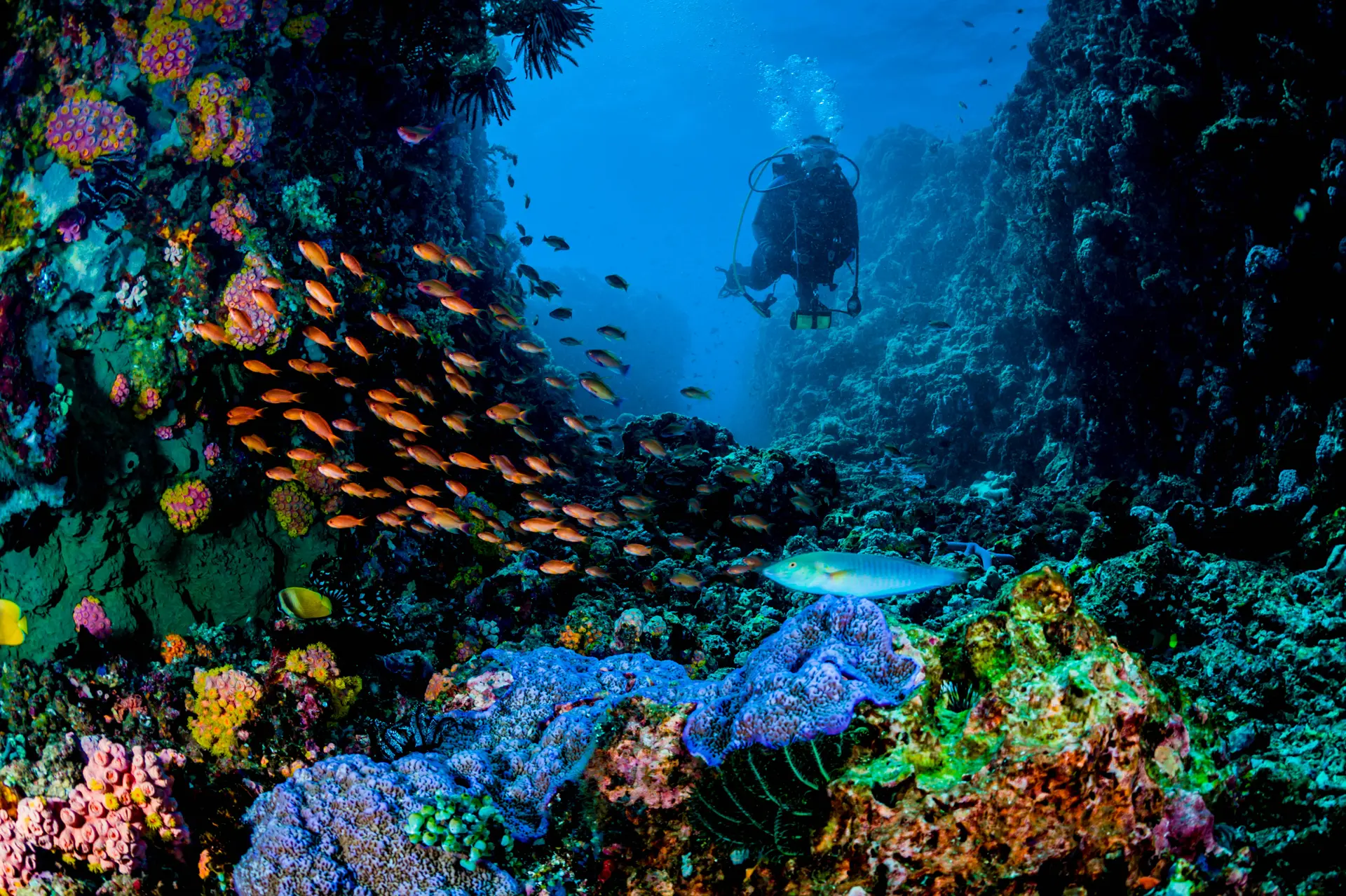
Apo Reef
Philippines · Mindoro
Apo Reef is the largest contiguous coral reef in the Philippines and second largest in the world — a Marine Natural Park 40km offshore in the Mindoro Strait, accessed mostly by liveaboard. Reef shark schools, big napoleon wrasse, jacks, and pristine walls.
Apo Reef Natural Park
Awarded 2022
How this reef is doing
ⓘ How we measure thisReef state
Apo Reef Natural Park (Mindoro) has the second largest contiguous reef in the country. Cover remains strong; bleaching impact has been patchy.
Coral cover
Fish life
Heat
Warmer than usual right now, but not hot enough to bleach.
Fishing
Quiet water, and fishing is fully banned here.
Sources · Reef Check surveys · NOAA Coral Reef Watch · Global Fishing Watch and reef gravity
Coral cover over time
Live coral cover, by survey year
Across surveys in 2014 and 2024, live coral cover here has fallen from 42% to 40%. Every point is a real survey reading, never a projection.
Live coral cover, percent by year
| Year | Coral cover |
|---|---|
| 2014 | 42% |
| 2024 | 40% |
What you will see
39 species across the dive sites here
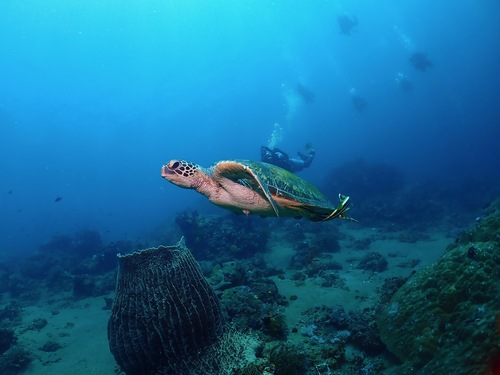
Green turtle
Seen 3 months ago
at Irako Maru Wreck
Least concern
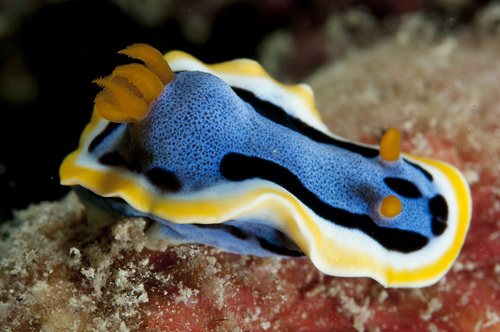
Anna'S Chromodoris
Seen 3 months ago
at Anilao
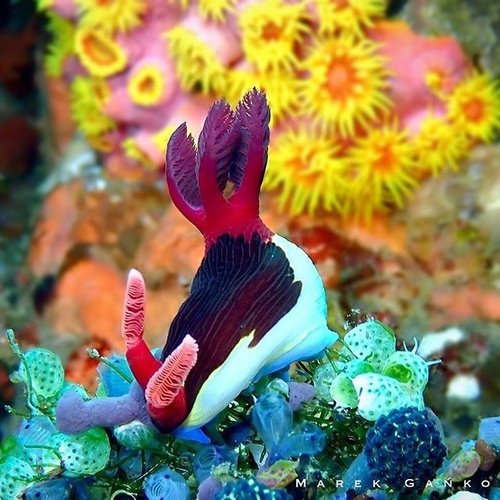
Chamberlain'S Nembrotha
Seen 3 months ago
at Anilao
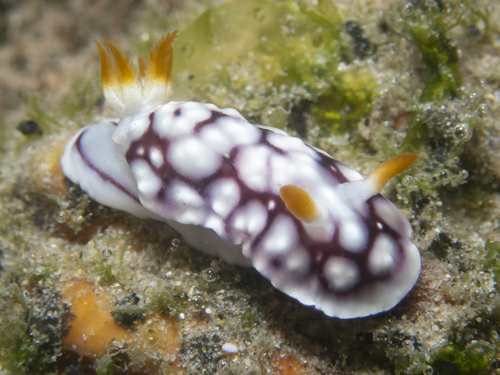
Geometric Goniobranchus
Seen 3 months ago
at Anilao
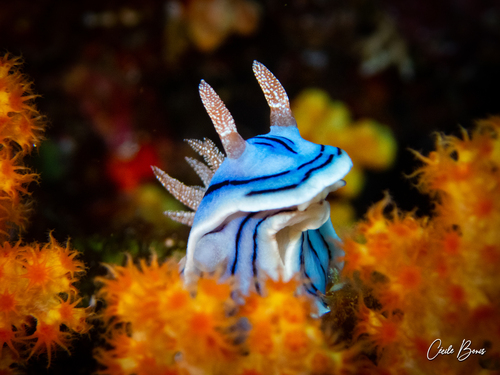
Willan'S Chromodoris
Seen 3 months ago
at Anilao
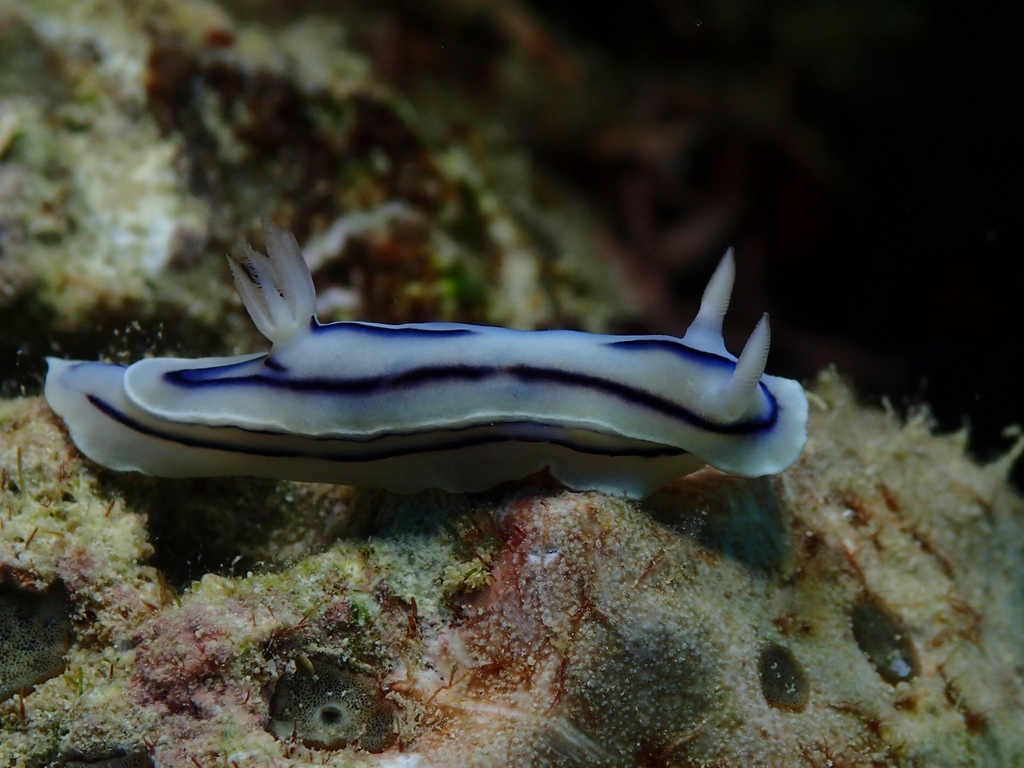
Loch'S Chromodoris
Seen 3 months ago
at Anilao
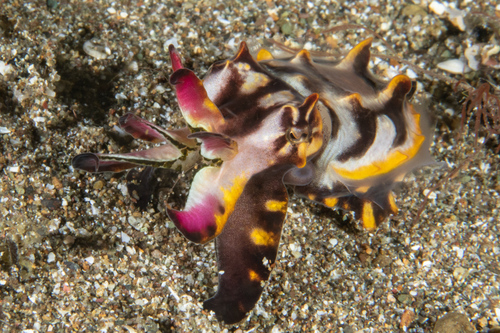
Flamboyant Cuttlefish
Seen 3 months ago
at Anilao
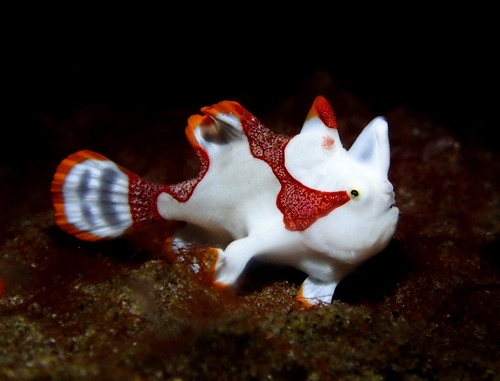
Frogfish
Seen 4 months ago
at Verde Island Drop-Off (San Agapito)
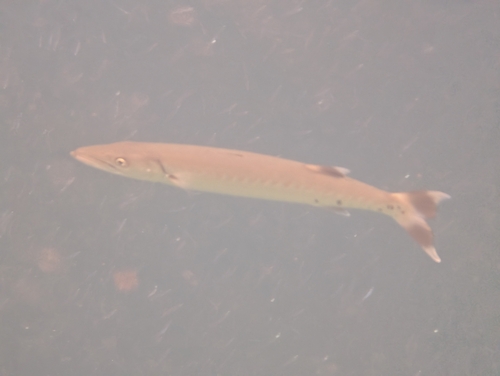
Great barracuda
Seen 4 months ago
at Akitsushima Wreck
Least concern
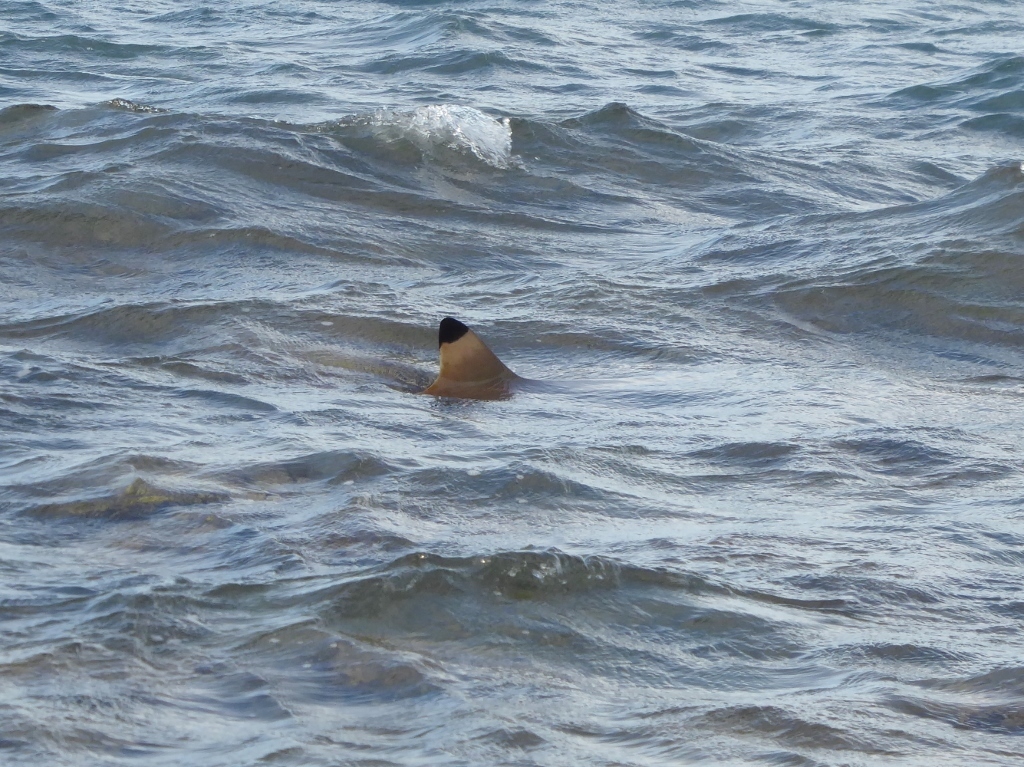
Blacktip reef shark
Seen 4 months ago
at Apo Reef
Vulnerable
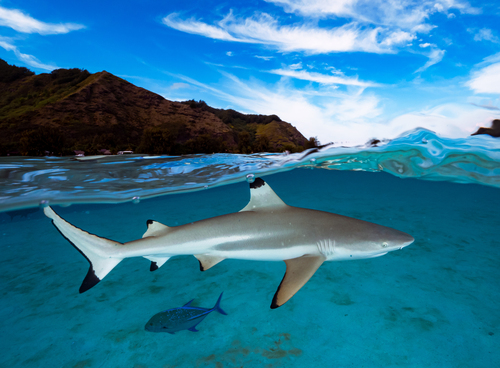
Reef shark
Seen 4 months ago
at Puerto Galera
Vulnerable
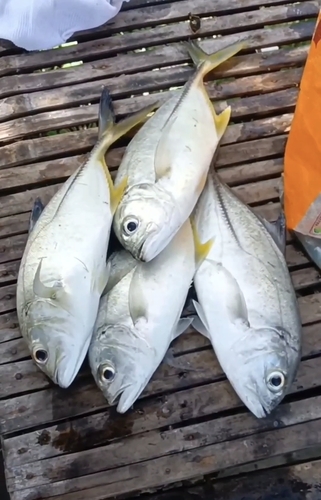
Giant trevally
Seen 4 months ago
at Irako Maru Wreck
Least concern
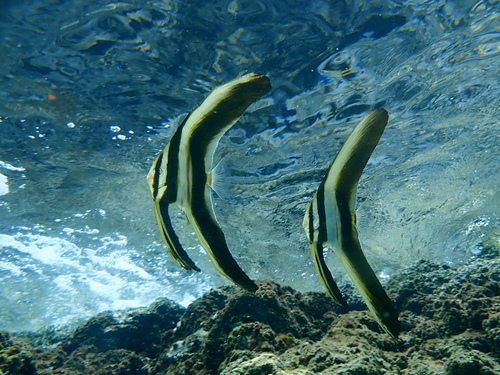
Longfin batfish
Seen 4 months ago
at Akitsushima Wreck
Least concern
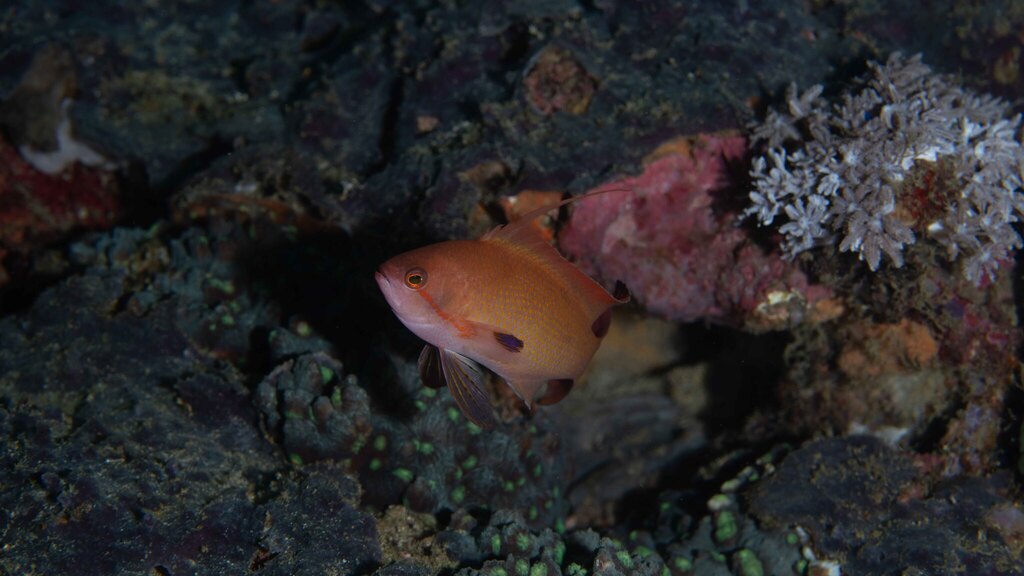
Lyretail anthias
Seen 4 months ago
at Verde Island Drop-Off (San Agapito)
Least concern
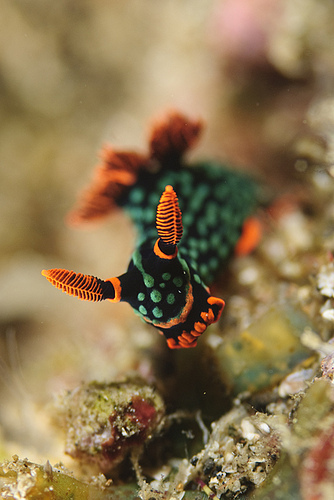
Nudibranch
Seen 4 months ago
at Puerto Galera
Nudibranchs
Seen 4 months ago
at Anilao
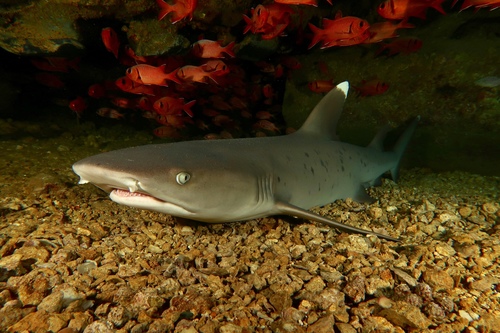
Whitetip reef shark
Seen 4 months ago
at Apo Reef Shark Ridge
Vulnerable
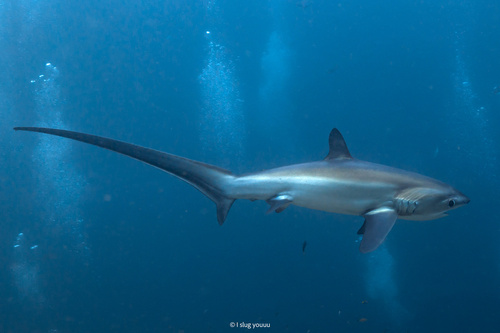
Pelagic thresher shark
Seen 4 months ago
at Binangaan Drop-Off
Endangered
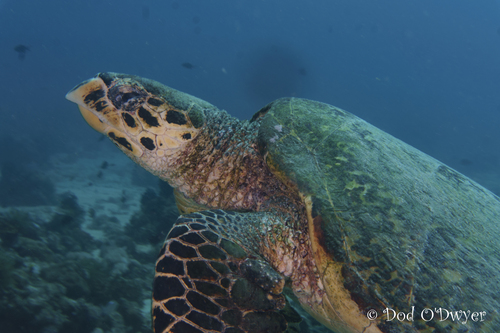
Hawksbill turtle
Seen 5 months ago
at Verde Island Drop-Off (San Agapito)
Critically endangered
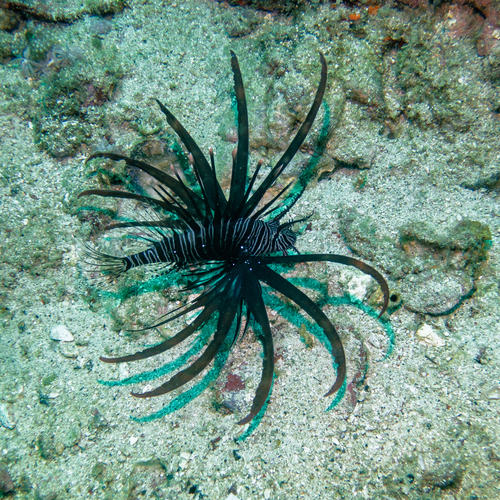
Lionfish
Seen 6 months ago
at Akitsushima Wreck
Least concern
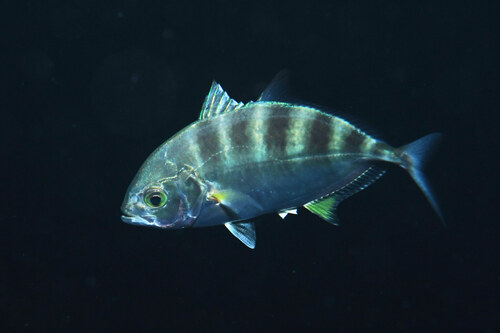
Bigeye trevally
Seen Jul 2025
at Verde Island Drop-Off (San Agapito)
Least concern
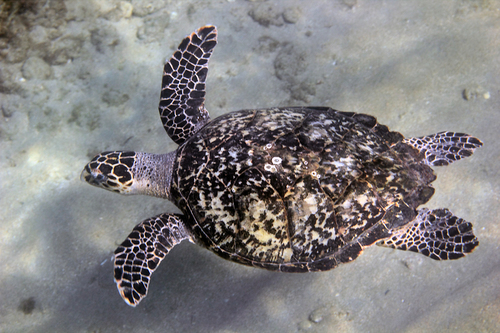
Hawksbill Sea Turtle
Seen May 2025
at Binangaan Drop-Off
Critically endangered
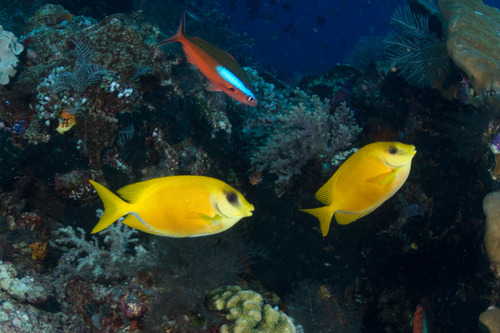
Neon Fusilier
Seen May 2025
at Apo Reef Shark Ridge
Least concern
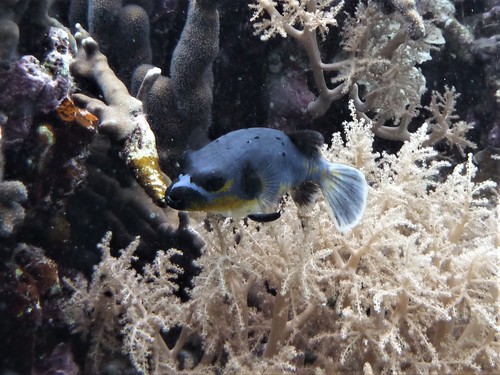
Blackspotted Puffer
Seen May 2024
at Apo Reef Shark Ridge
Least concern
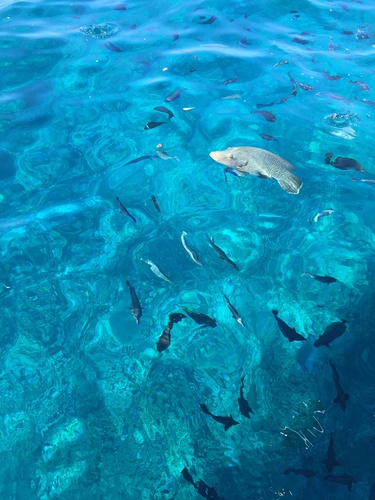
Giant Napoleon wrasse
Seen Apr 2024
at Apo Reef
Endangered
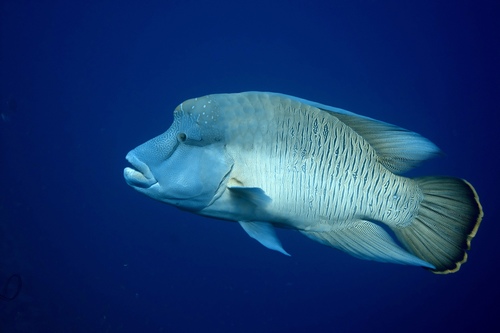
Napoleon Wrasse
Seen Apr 2024
at Apo Reef Shark Ridge
Endangered
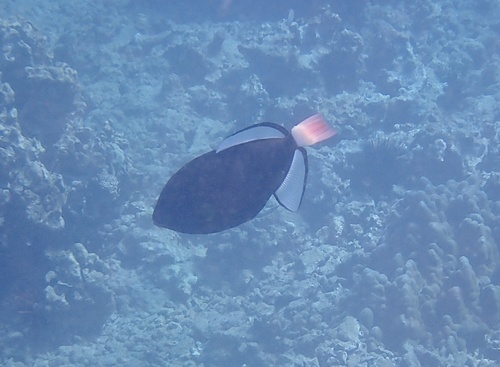
Pinktail Triggerfish
Seen Apr 2024
at Apo Reef Shark Ridge
Least concern
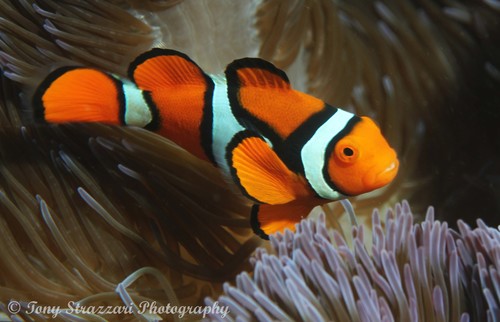
Clownfish
Seen year round
at Puerto Galera
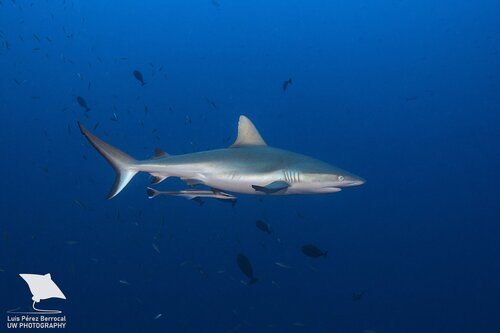
Grey reef shark
Seen year round
at Apo Reef Shark Ridge
Endangered
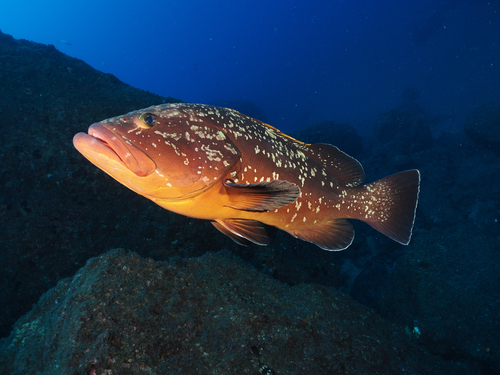
Grouper
Seen year round
at Akitsushima Wreck
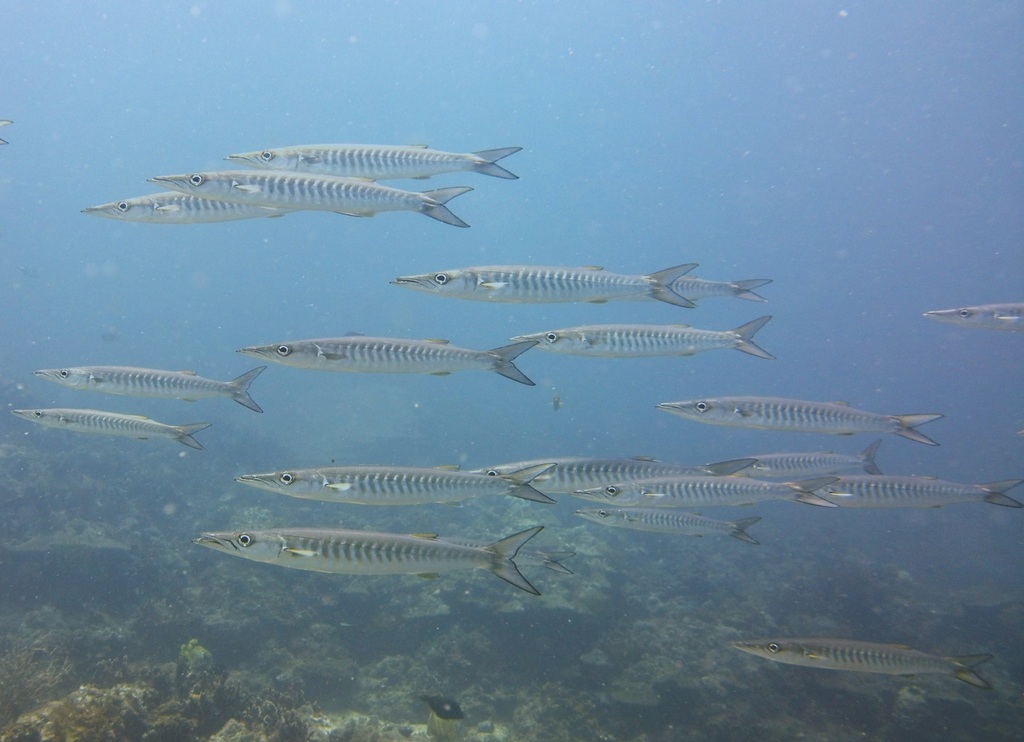
Schooling barracuda
Seen year round
at Binangaan Drop-Off
Least concern
Schooling jacks
Seen year round
at Apo Reef Shark Ridge
Sea turtle
Seen year round
at Puerto Galera
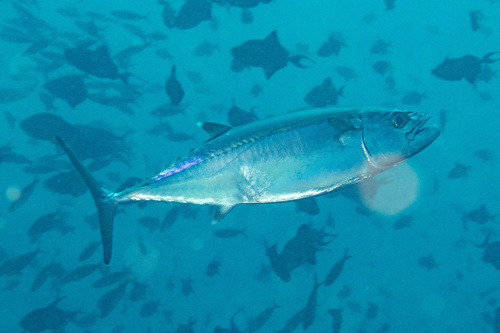
Dogtooth tuna
Seasonal visitor
at Akitsushima Wreck
Least concern
Humphead wrasse
Seasonal visitor
at Verde Island Drop-Off (San Agapito)
Endangered
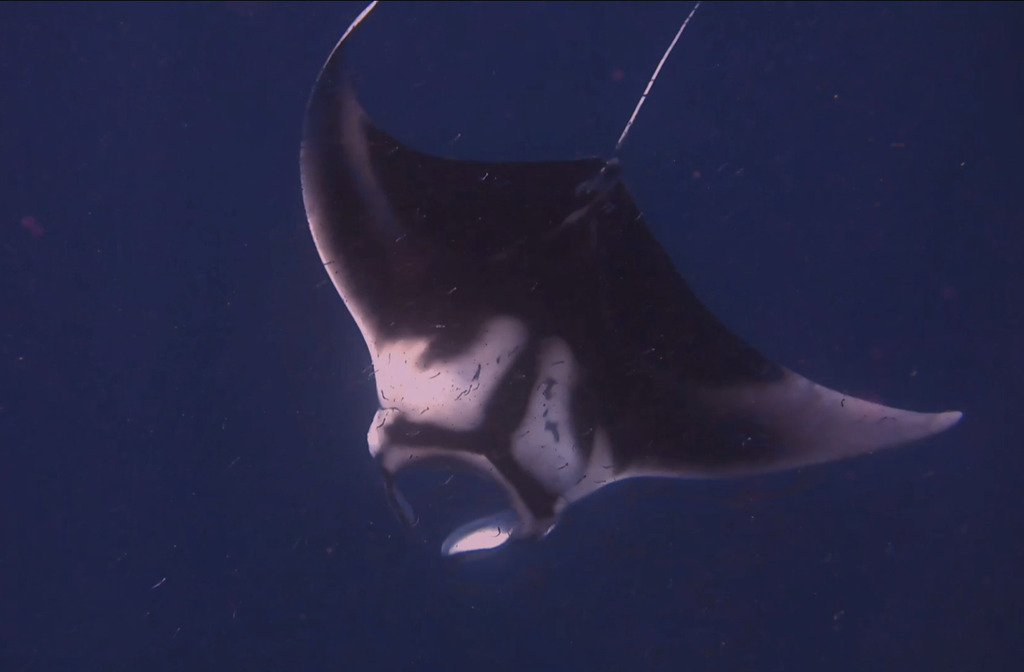
Oceanic manta ray
Seasonal visitor
at Apo Reef
Endangered
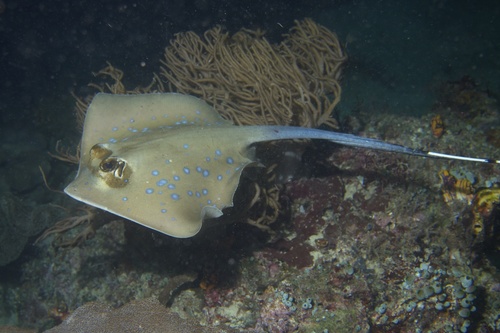
Bluespotted stingray
Rare sighting
at Irako Maru Wreck
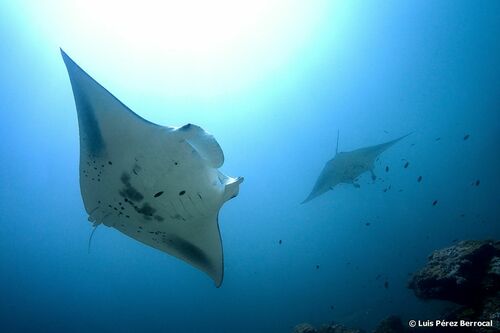
Manta ray
Rare sighting
at Binangaan Drop-Off
Vulnerable
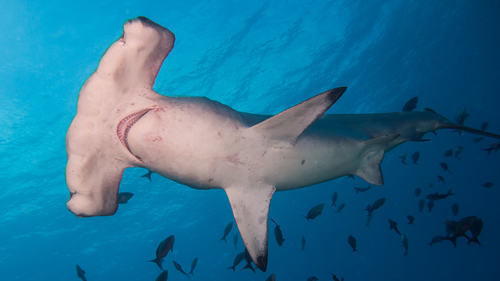
Scalloped hammerhead
Rare sighting
at Binangaan Drop-Off
Critically endangered
Dive sites
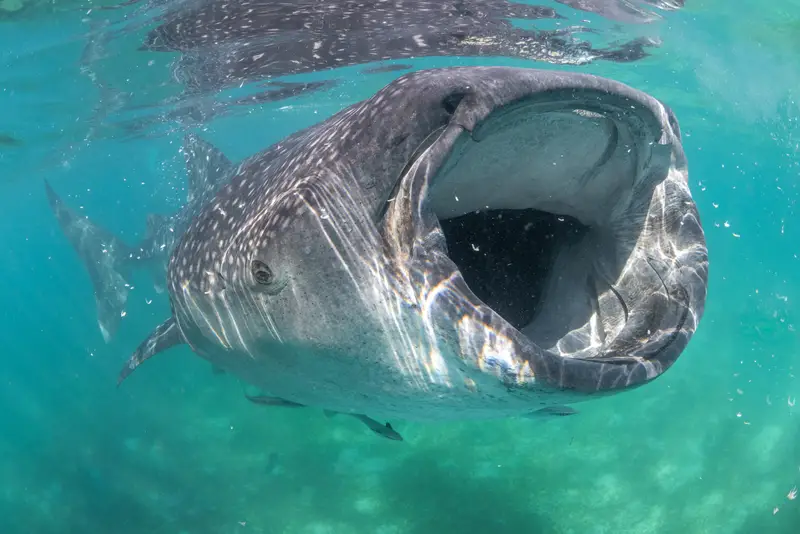
Apo Reef Shark Ridge
whitetip reef shark · grey reef shark · hawksbill turtle · schooling jacks
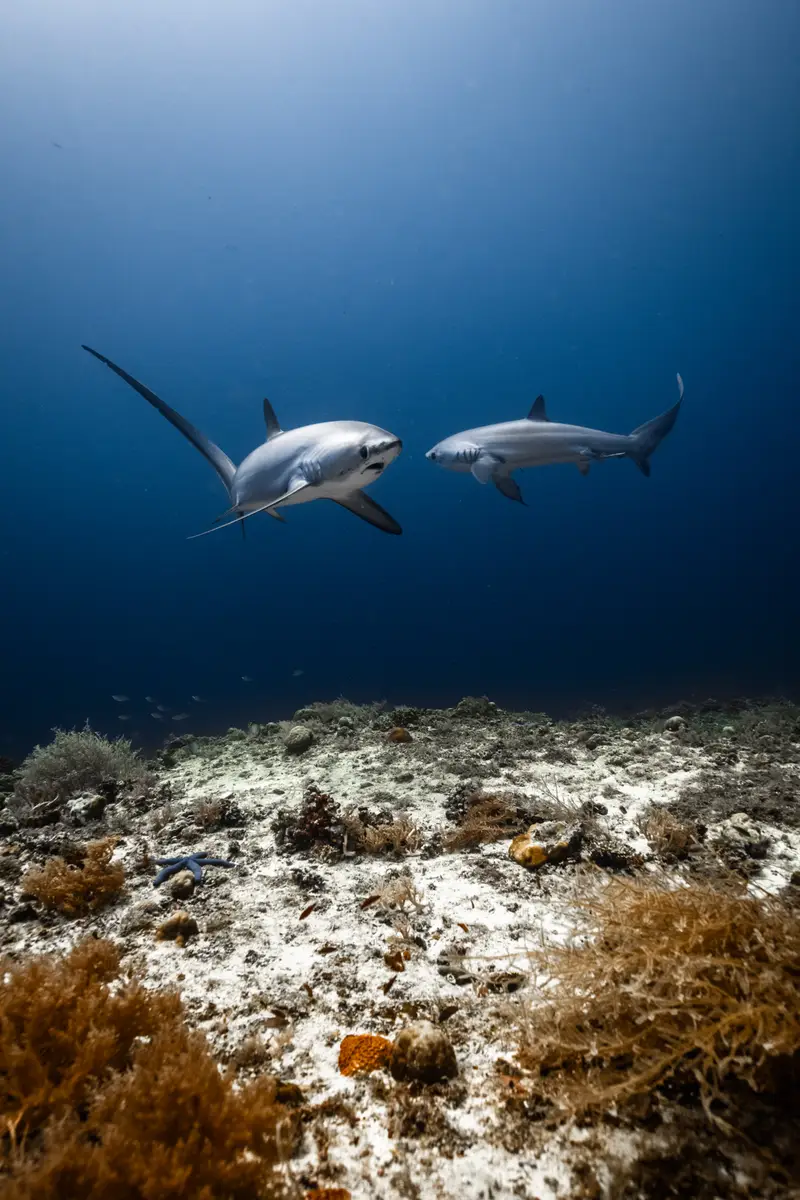
Binangaan Drop-Off
pelagic thresher shark · scalloped hammerhead · manta ray · schooling barracuda
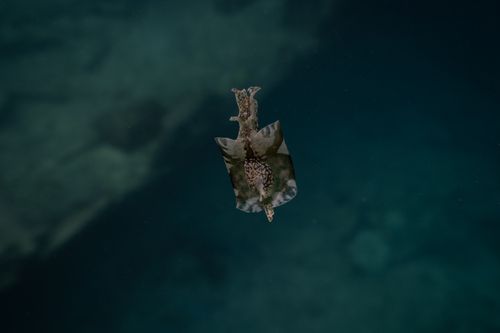
Puerto Galera
nudibranch · reef shark · sea turtle · clownfish
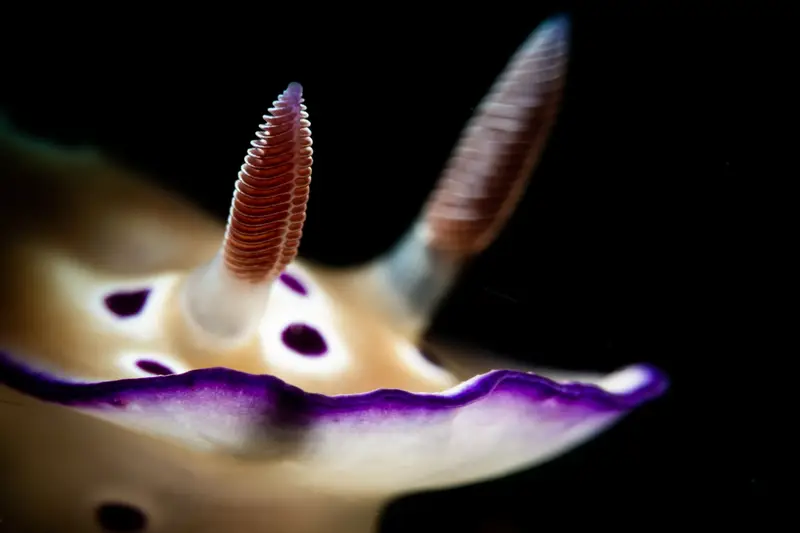
Anilao
nudibranchs · frogfish · flamboyant cuttlefish · anna's chromodoris
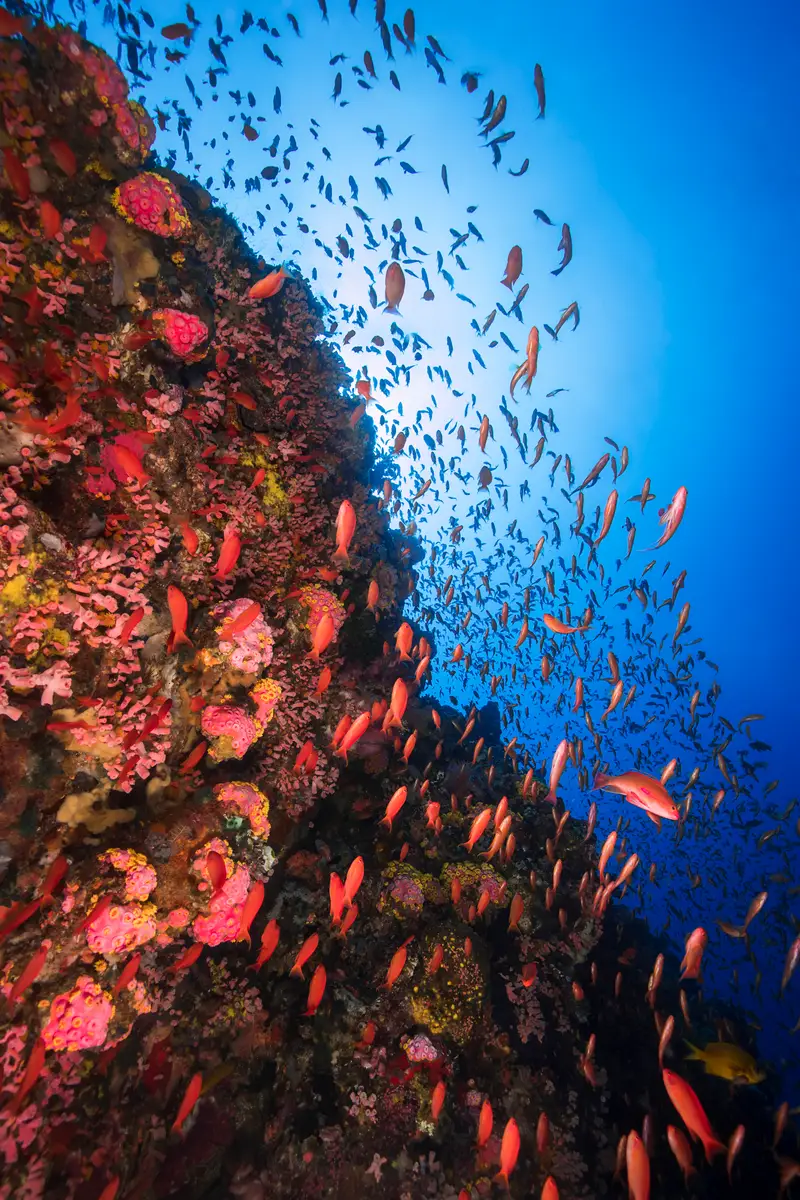
Akitsushima Wreck
longfin batfish · great barracuda · dogtooth tuna · grouper
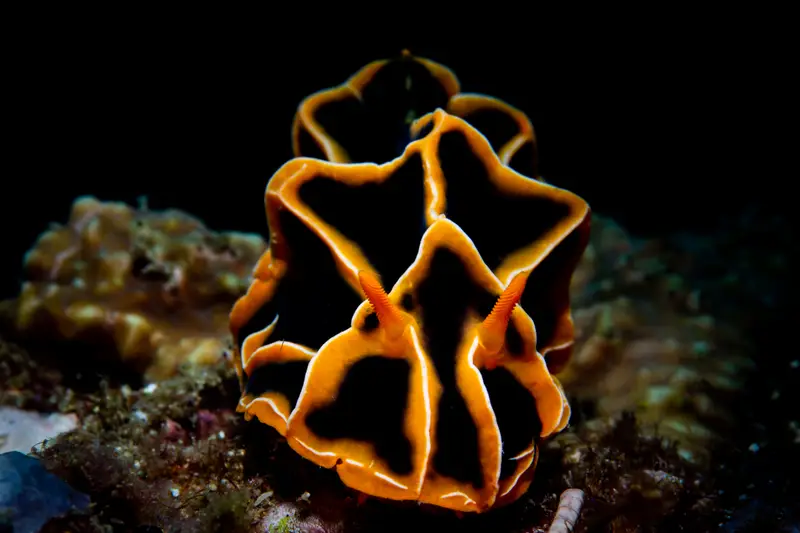
Verde Island Drop-Off (San Agapito)
lyretail anthias · bigeye trevally · hawksbill turtle · humphead wrasse
What divers say
Apo is what every Philippines reef wishes it still looked like — protected, busy with sharks, and quiet on the surface.
Good to know
Park fee
~PHP 2,000 (~$35) marine park fee.