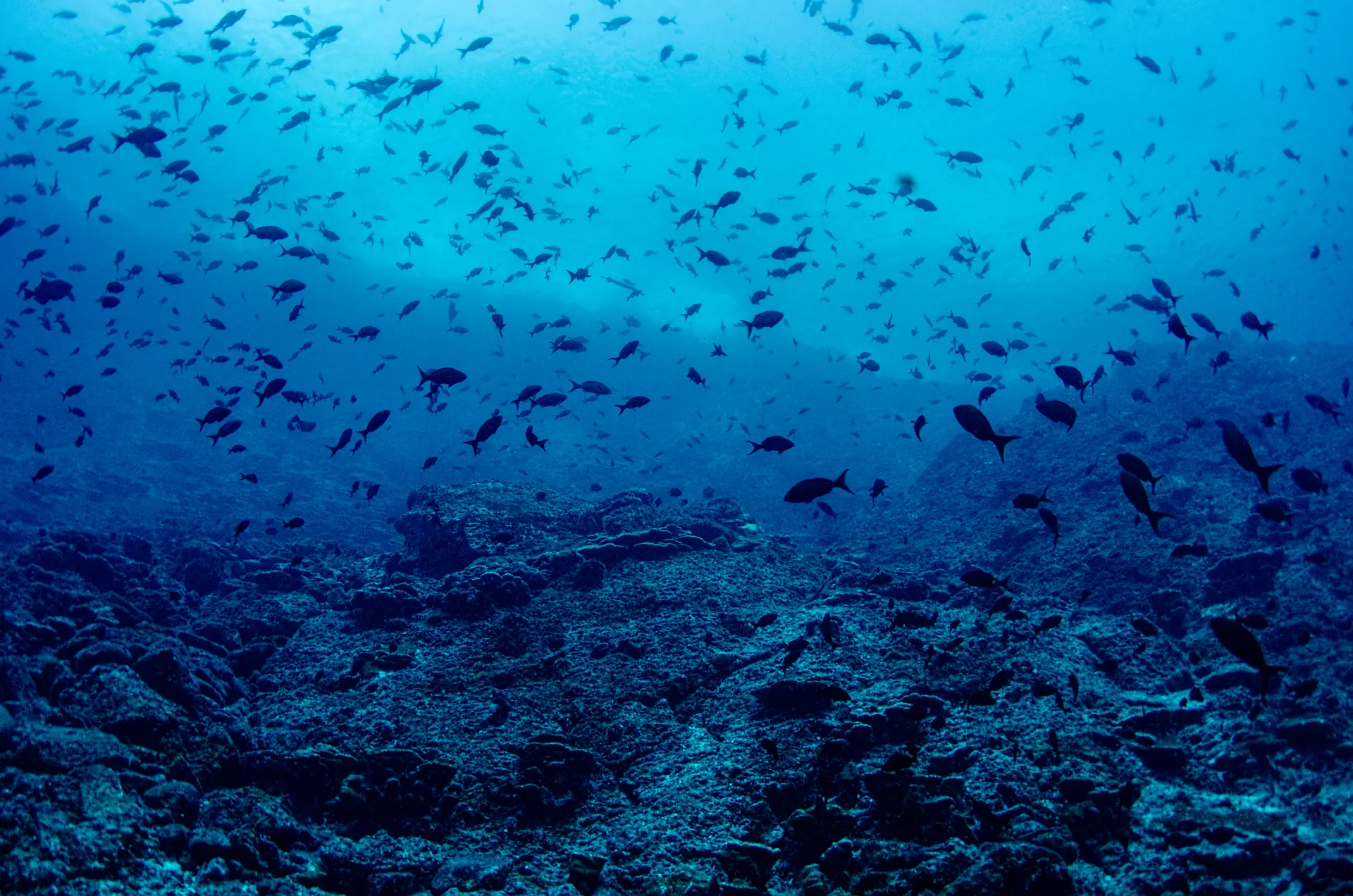
Catalina Islands
Costa Rica · Guanacaste
The Catalinas off Costa Rica's Guanacaste coast are seasonal manta and bull shark country — volcanic pinnacles in nutrient rich Pacific water, accessed by 30–45 min boat from Playas del Coco.
How this reef is doing
ⓘ How we measure thisReef state
Bull sharks, mobulas, rays. Eastern Pacific reef ecology is naturally low coral compared to Indo Pacific reefs.
Coral cover
Fish life
Heat
Hot enough that coral is bleaching now.
Fishing
Quiet water, and the protection is actively patrolled.
Sources · Reef survey · NOAA Coral Reef Watch · Global Fishing Watch and reef gravity
Coral cover over time
Live coral cover, by survey year
Across surveys in 2014 and 2024, live coral cover here has fallen from 32% to 27%. Every point is a real survey reading, never a projection.
Live coral cover, percent by year
| Year | Coral cover |
|---|---|
| 2014 | 32% |
| 2024 | 27% |
What you will see
11 species across the dive sites here
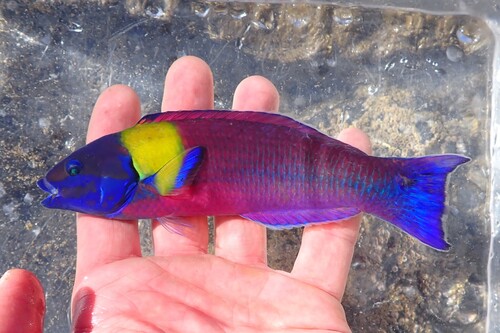
Cortez Rainbow Wrasse
Seen 3 months ago
at Cupcakes
Least concern
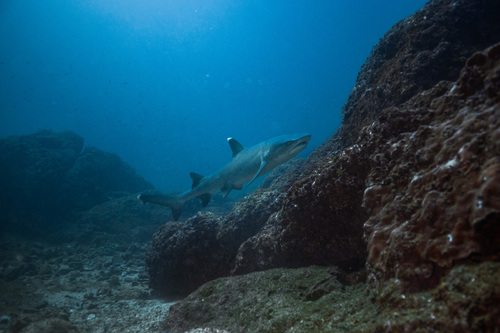
Whitetip reef shark
Seen 3 months ago
at Cupcakes
Vulnerable
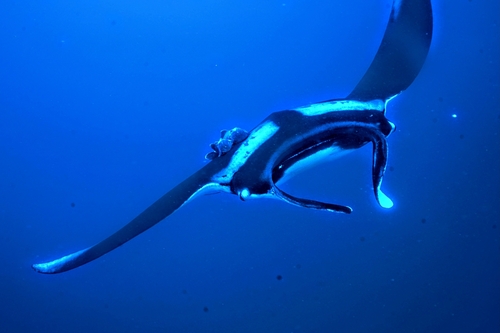
Oceanic manta ray
Seen 5 months ago
at La Pared (The Wall)
Endangered
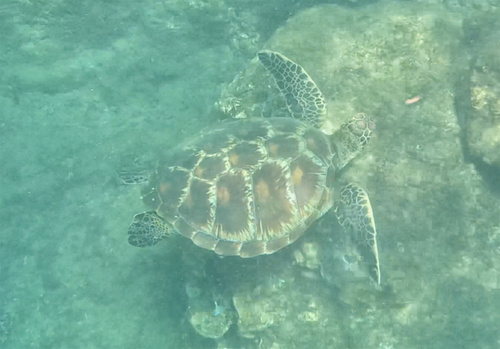
Pacific green turtle
Seen 6 months ago
at La Pared (The Wall)
Least concern
Giant Pacific Manta Ray
Seen 6 months ago
at Cupcakes
Endangered
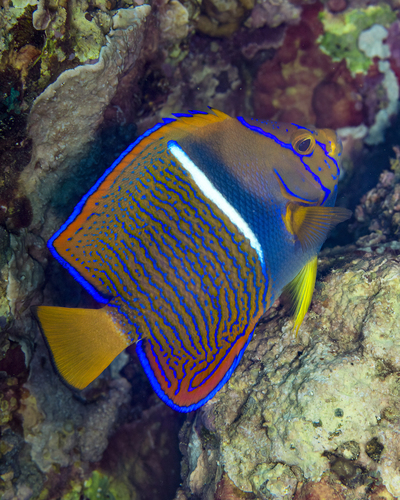
King angelfish
Seen 7 months ago
at La Pared (The Wall)
Least concern
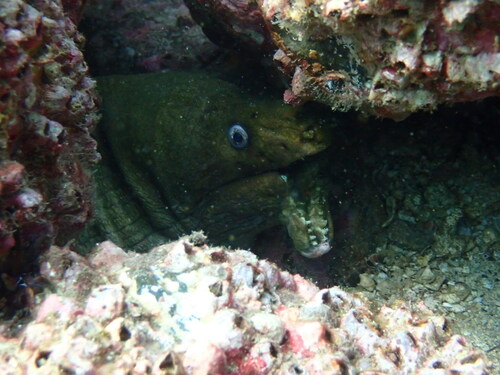
Panamic Green Moray
Seen 7 months ago
at Cupcakes
Least concern
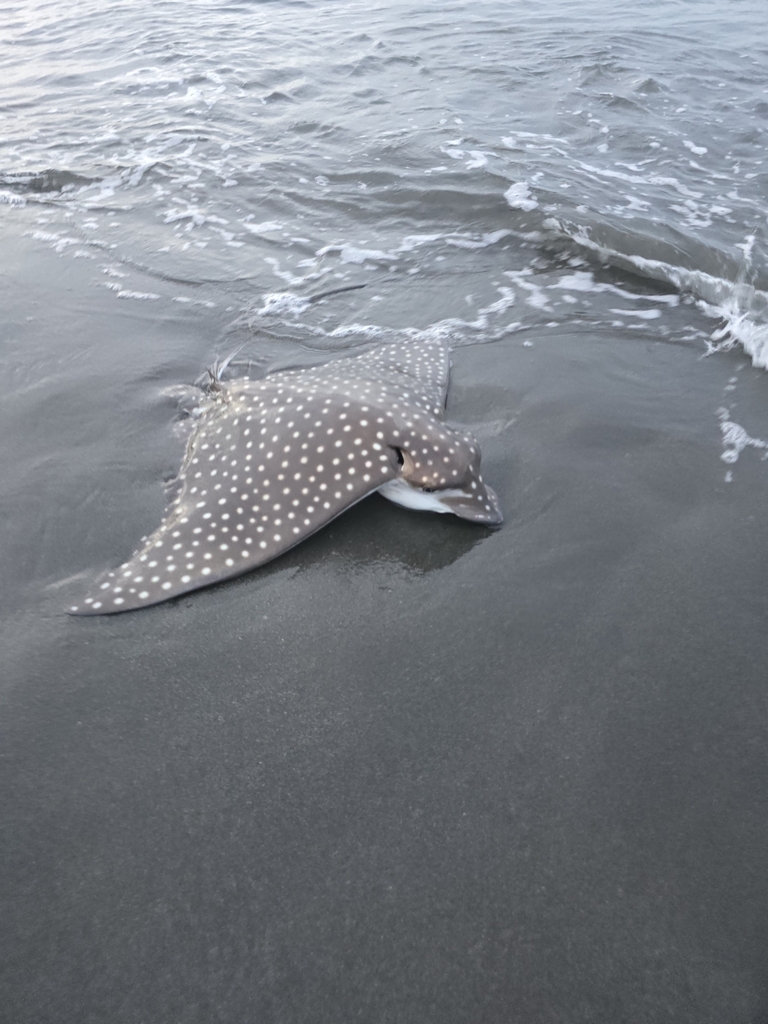
Spotted eagle ray
Seen 8 months ago
at La Pared (The Wall)
Vulnerable
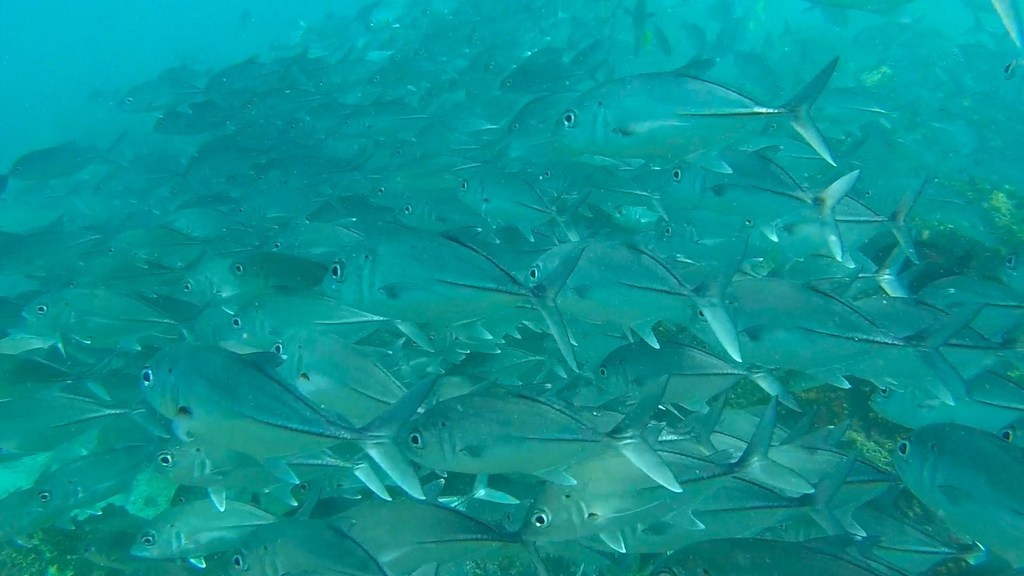
Bigeye jack
Seen Jul 2025
at La Pared (The Wall)
Least concern
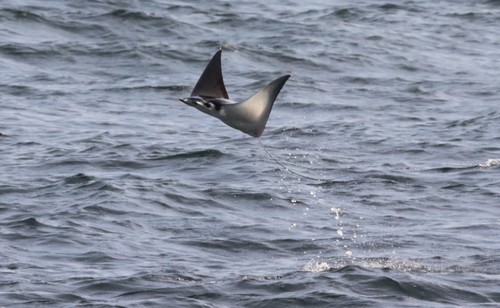
Munk's devil ray
Seen Mar 2024
at La Pared (The Wall)
Vulnerable
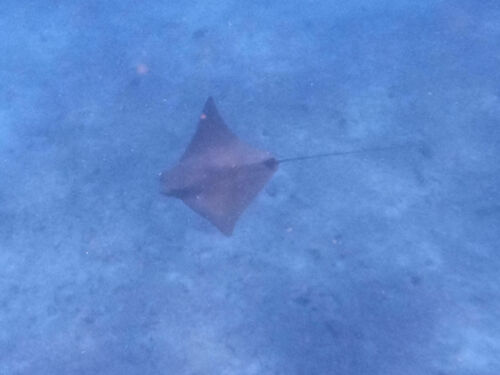
Cow-nosed ray
Seasonal visitor
at La Pared (The Wall)
Near threatened
Dive sites
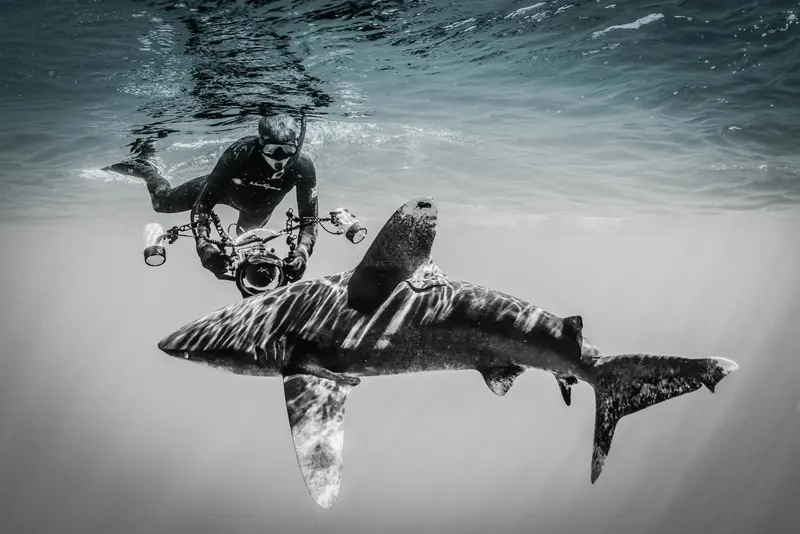
What divers say
Pacific Costa Rica isn't the prettiest water, but the manta odds in August are absurd.
Good to know
Water temp swings
Thermoclines can drop 8°C. 5mm and a hooded vest are sensible.