Channel Islands
United States · California
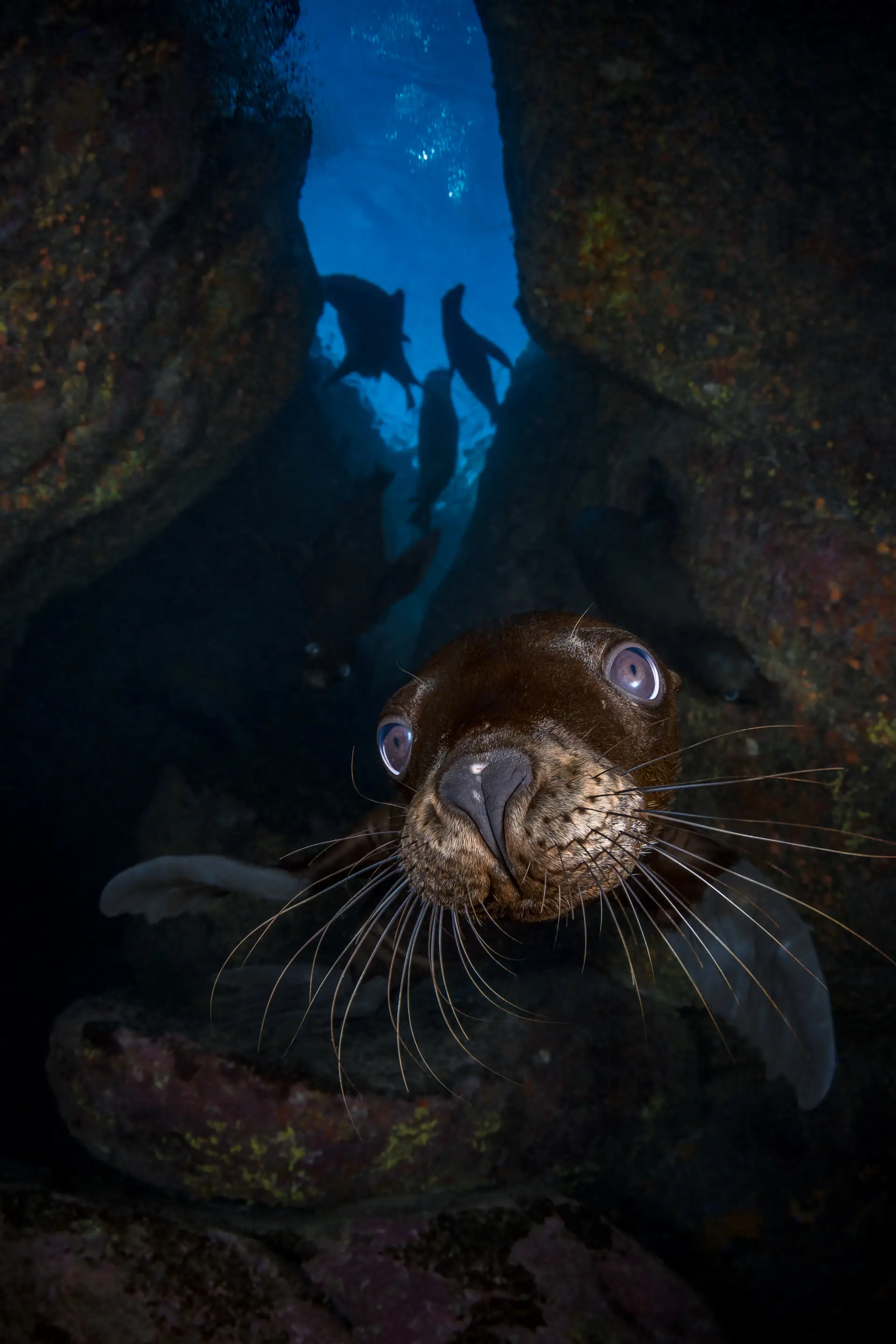
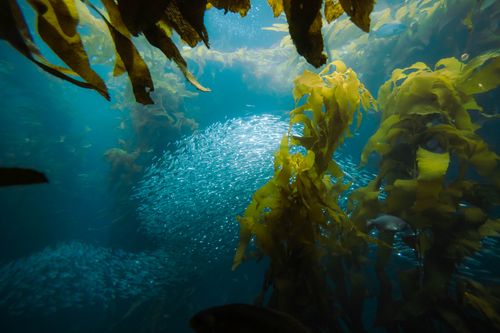
California's Channel Islands National Park offers kelp forest diving — bull kelp cathedrals, garibaldi (the state fish), giant black sea bass, sea lions, and the occasional white shark passing through. Cold-water diving with personality.
Northern Channel Islands MPAs
Awarded 2020
How this reef is doing
ⓘ How we measure thisReef state
Protection drove a clear recovery here: biomass of fished species climbed about 3.7 times faster inside the reserve network than outside through 2012 (Caselle et al. 2015). More recent surveys show that gain has not held under warming, so the reef reads Stable rather than Improving.
Coral cover
Fish life
Heat
Hot enough that coral is bleaching now.
Fishing
Protected on paper, but boats are still busy nearby.
Sources · Reef Life Survey · NOAA Coral Reef Watch · Global Fishing Watch and reef gravity
Coral cover over time
Live coral cover, by survey year
Across surveys in 2014 and 2024, live coral cover here has held steady at about 55%. Every point is a real survey reading, never a projection.
Live coral cover, percent by year
| Year | Coral cover |
|---|---|
| 2014 | 55% |
| 2024 | 55% |
Fish life over time
Fish seen per survey
Across 18 years of REEF volunteer surveys around Northern Channel Islands, divers have recorded a steady amount of fish per survey. The reef card above has not scored a fish level here yet, so this effort-standardised trend is our read on fish life.
Fish seen per survey, by year
| Year | Density index | Surveys |
|---|---|---|
| 1997 | 2.32 | 30 |
| 1998 | 2.30 | 28 |
| 2000 | 2.27 | 24 |
| 2003 | 2.29 | 27 |
| 2004 | 2.16 | 43 |
| 2006 | 2.32 | 50 |
| 2007 | 2.31 | 43 |
| 2008 | 2.23 | 40 |
| 2009 | 2.26 | 10 |
| 2010 | 2.22 | 12 |
| 2011 | 2.36 | 20 |
| 2012 | 2.38 | 34 |
| 2014 | 2.43 | 34 |
| 2015 | 2.34 | 25 |
| 2016 | 2.32 | 33 |
| 2017 | 2.23 | 17 |
| 2018 | 2.42 | 19 |
| 2019 | 2.51 | 12 |
What you will see
16 species across the dive sites here
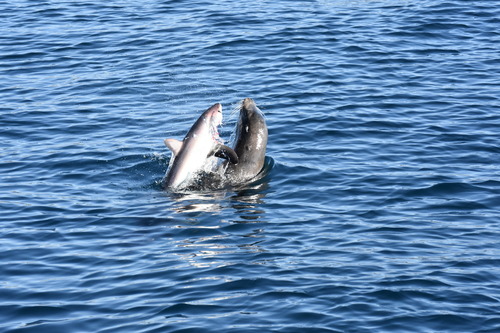
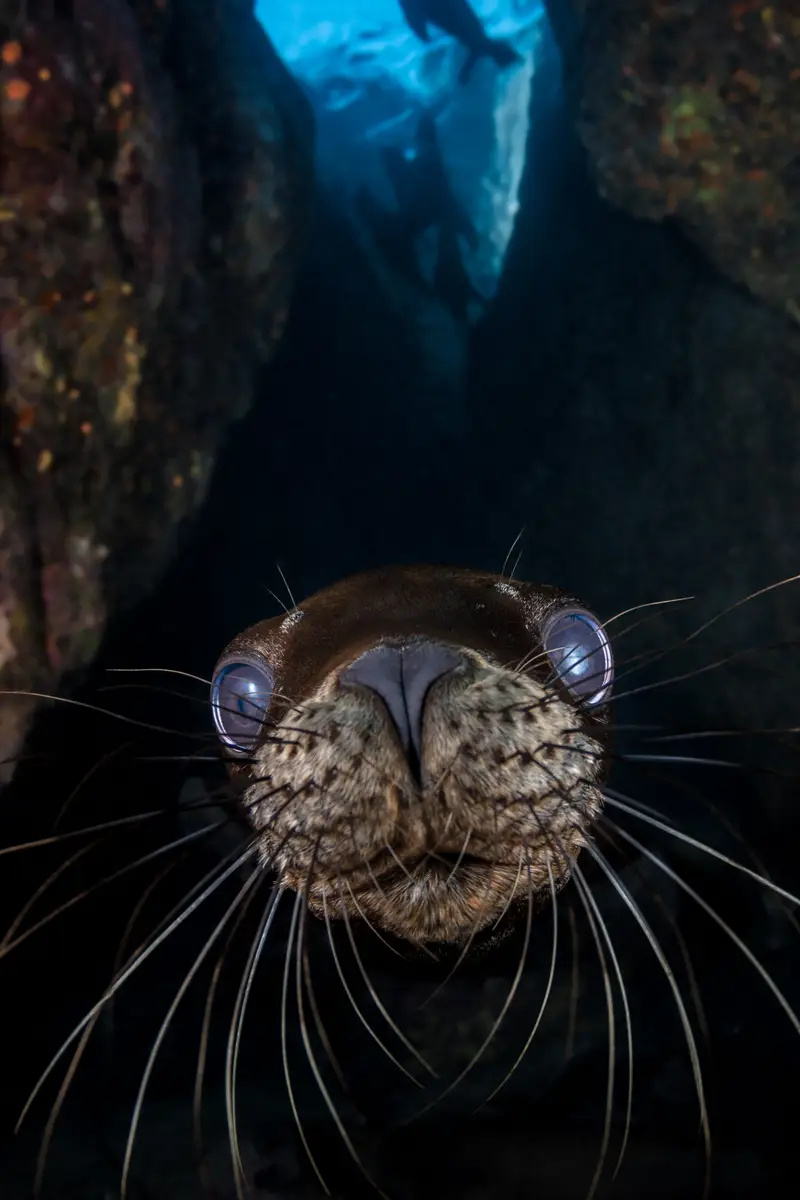
California sea lion
Seen 3 months ago
at Cathedral Cove
Least concern
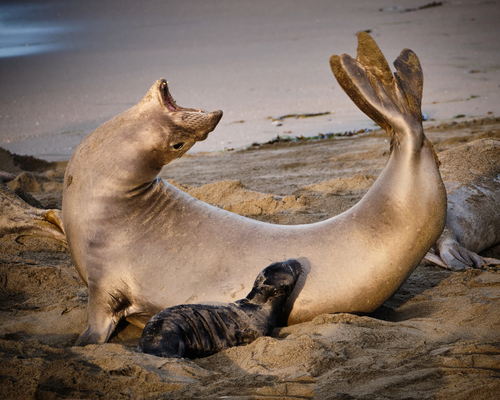
Northern elephant seal
Seen 3 months ago
at San Miguel Island
Least concern
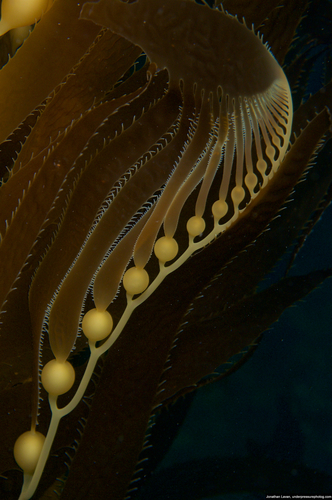
Giant kelp
Seen 3 months ago
at Cathedral Cove
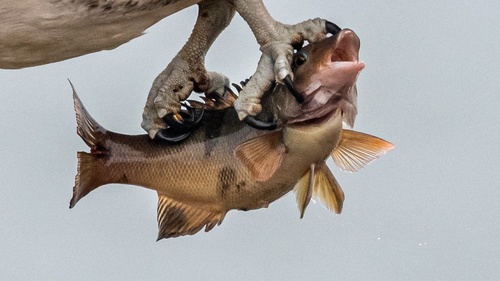
California sheephead
Seen 3 months ago
at Cathedral Cove
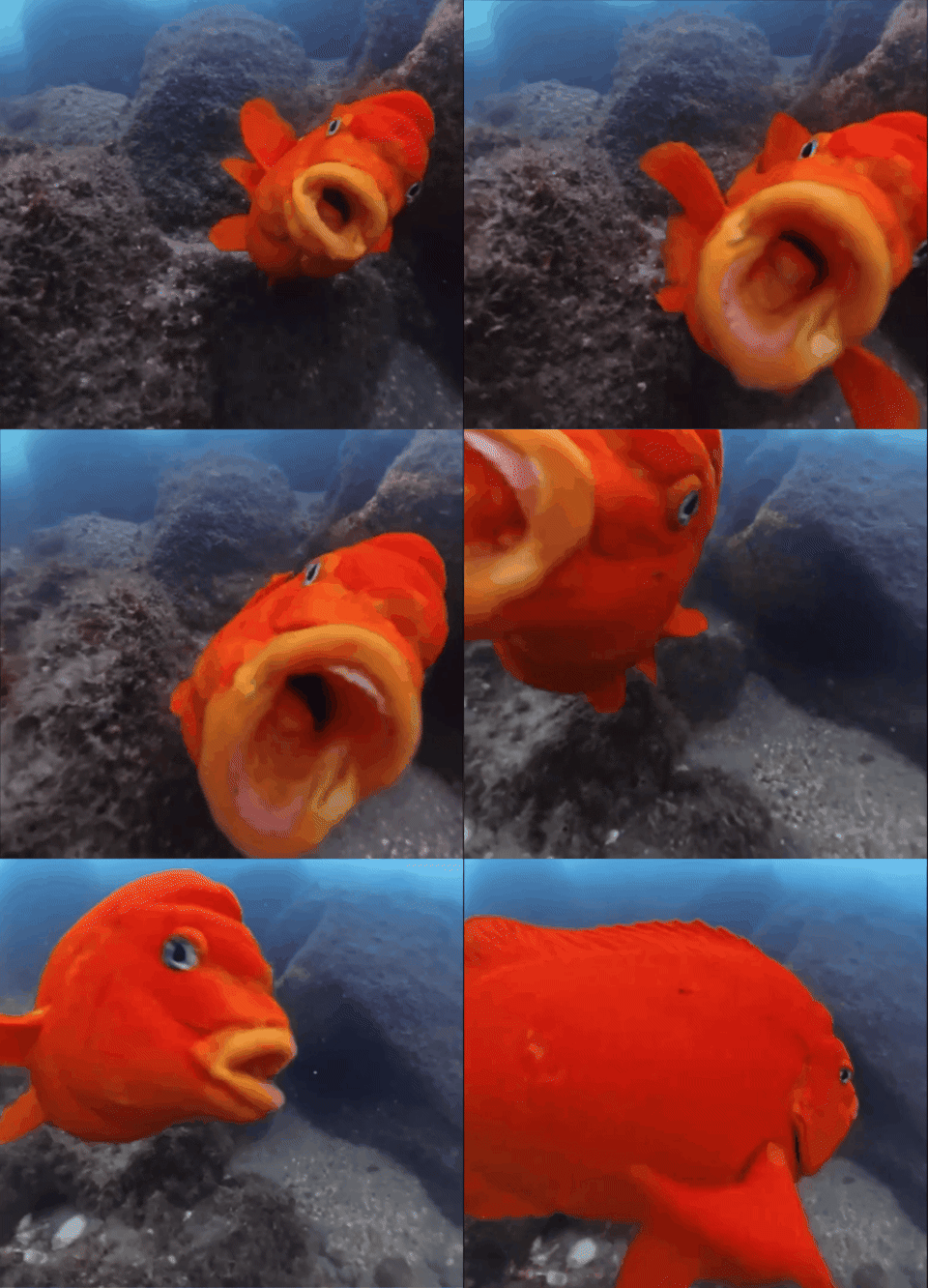
Garibaldi
Seen 3 months ago
at Cathedral Cove
Least concern
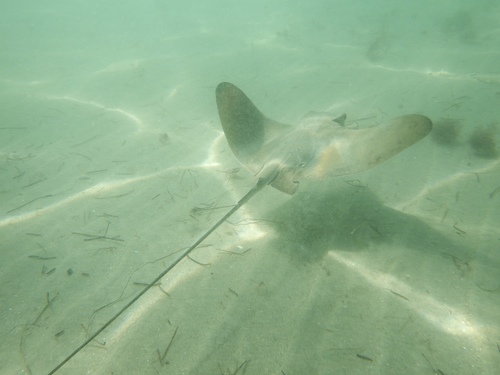
Bat ray
Seen 3 months ago
at Cathedral Cove
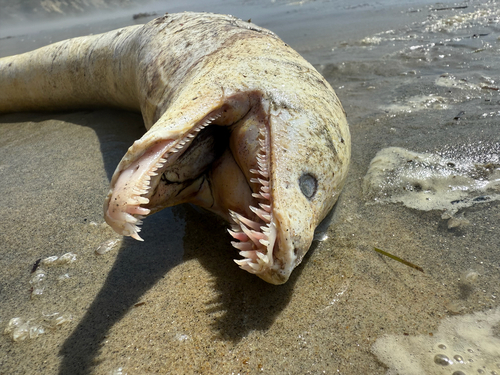
Moray eel
Seen 4 months ago
at Cathedral Cove
Least concern
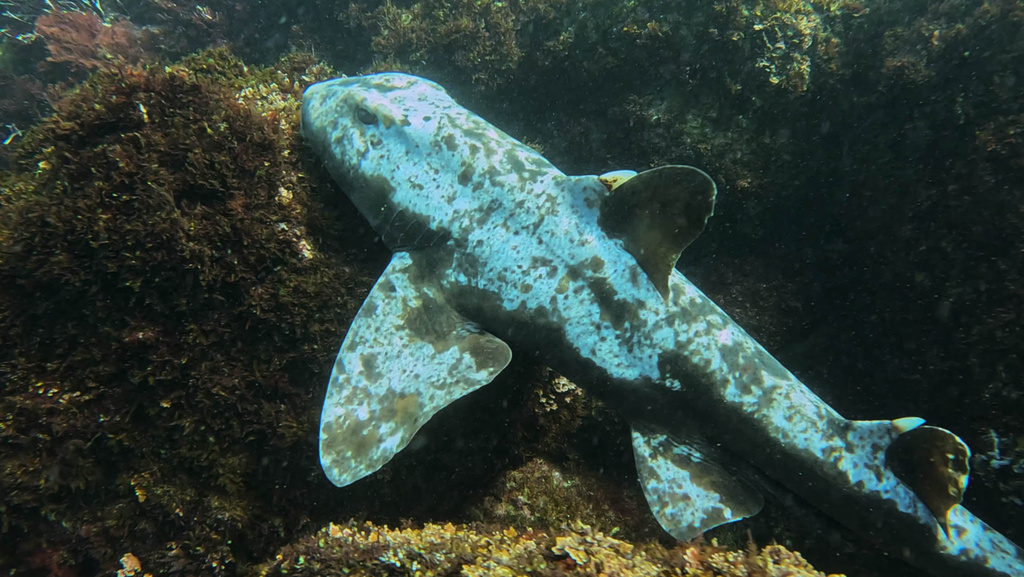
Horn shark
Seen 4 months ago
at Cathedral Cove
Least concern
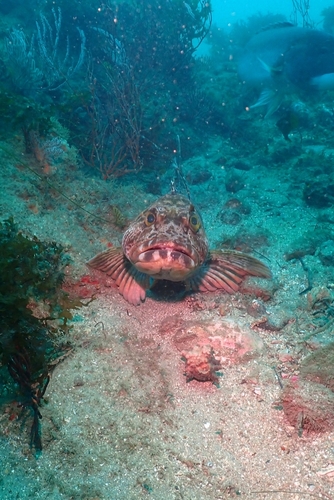
Lingcod
Seen 5 months ago
at San Miguel Island
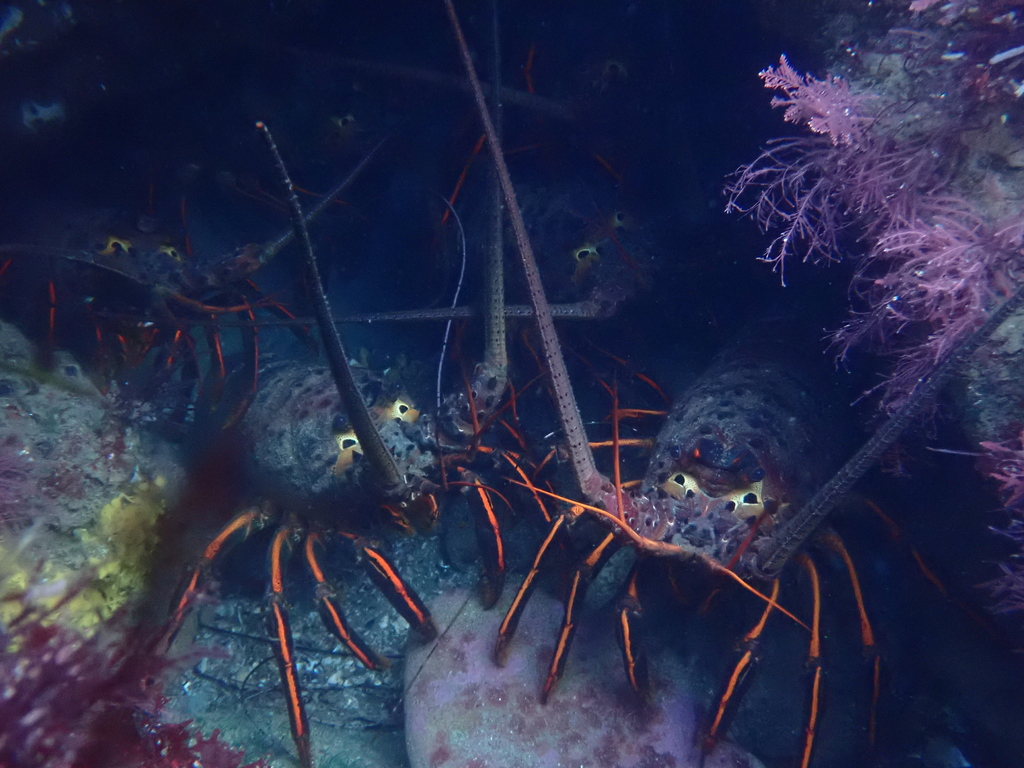
California spiny lobster
Seen 5 months ago
at Gull Island
Least concern
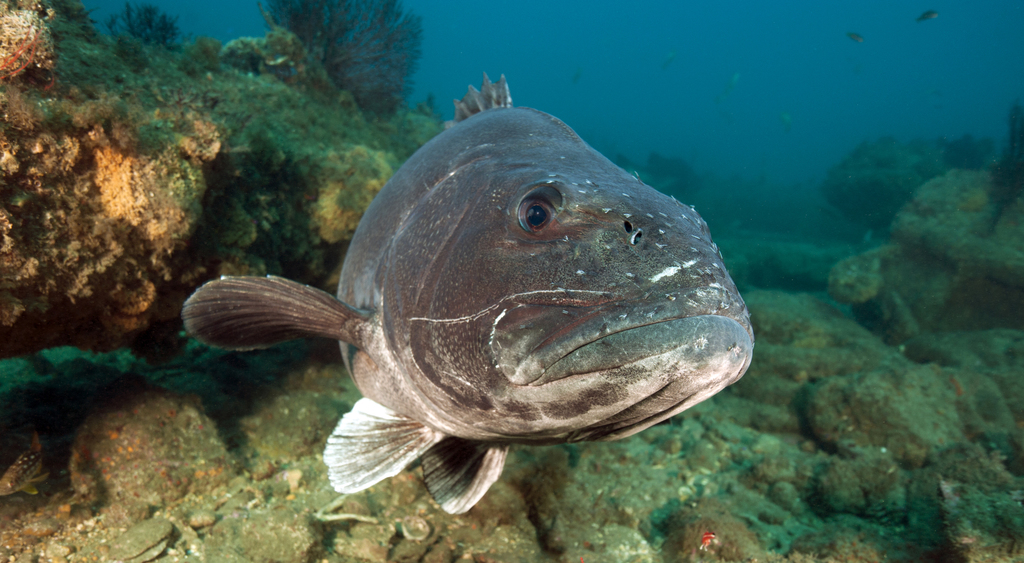
Giant sea bass
Seen Aug 2025
at Cathedral Cove
Critically endangered
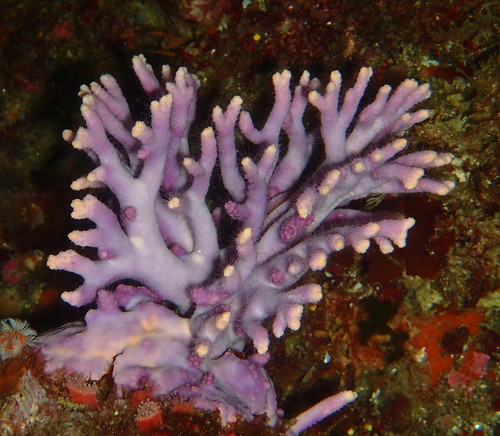
California hydrocoral
Seen Jan 2024
at Gull Island
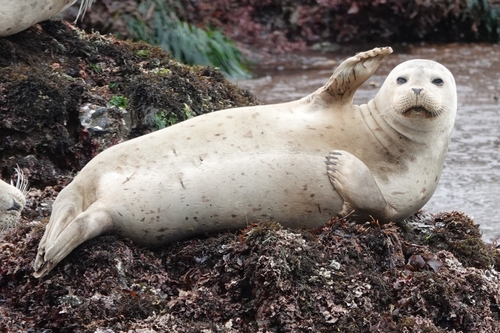
Harbor seal
Seen year round
at San Miguel Island
Least concern
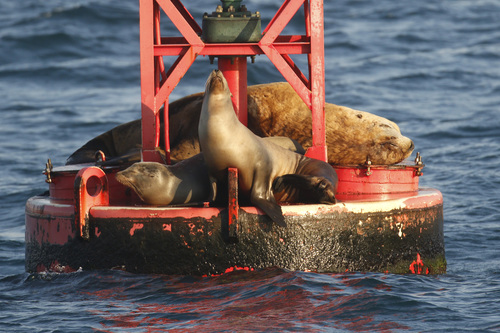
Steller sea lion
Seen year round
at San Miguel Island
Near threatened
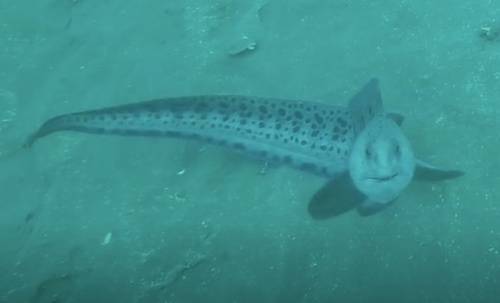
Wolf eel
Seen year round
at San Miguel Island
Least concern
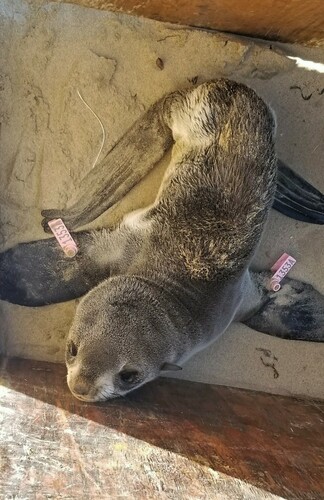
Northern fur seal
Seasonal visitor
at San Miguel Island
Vulnerable
Dive sites
What divers say
Floating through a kelp cathedral with sea lions zipping past — California gives you something the tropics can't.
Good to know
Water temp
7mm + hooded vest minimum; drysuit common.