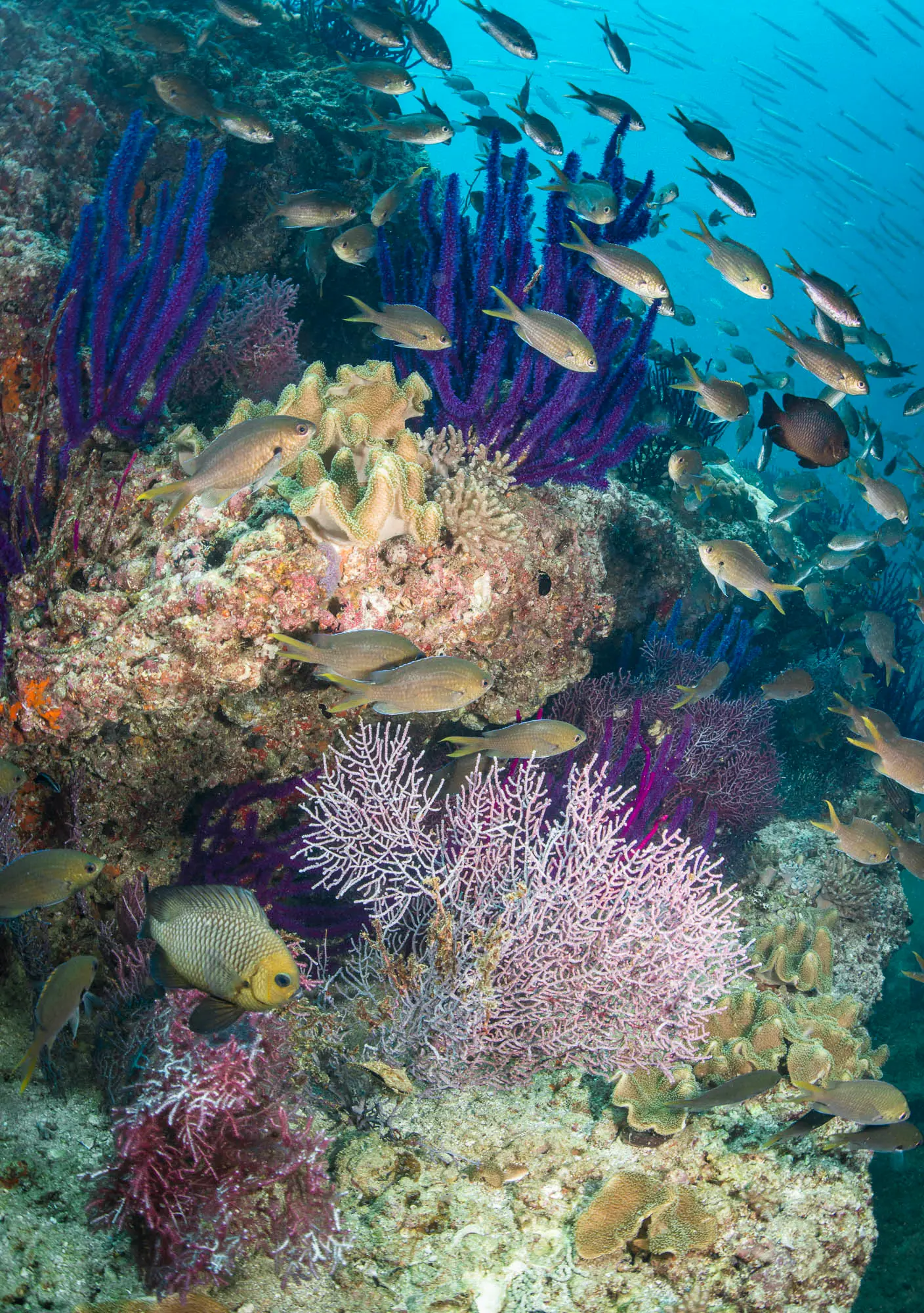
Daymaniyat Islands
Oman · Arabian Sea
The Daymaniyat Islands off Oman's Muscat coast are the country's marine reserve — clear water, healthy reefs, seasonal whale sharks, and resident leopard sharks and turtles. Easy access from the capital.
How this reef is doing
ⓘ How we measure thisReef state
Daymaniyat archipelago — whale sharks Aug–Oct. Cover modest but the upwelling driven ecosystem keeps reefs healthier than Gulf coast.
Coral cover
Fish life
Heat
Warmer than usual right now, but not hot enough to bleach.
Fishing
Some fishing is allowed here, in marked zones.
Sources · MERMAID and the survey teams · NOAA Coral Reef Watch · Global Fishing Watch and reef gravity
Coral cover over time
Live coral cover, by survey year
Across surveys in 2025 and 2026, live coral cover here has risen from 15% to 24%. Every point is a real survey reading, never a projection.
Live coral cover, percent by year
| Year | Coral cover |
|---|---|
| 2025 | 15% |
| 2026 | 24% |
What you will see
14 species across the dive sites here
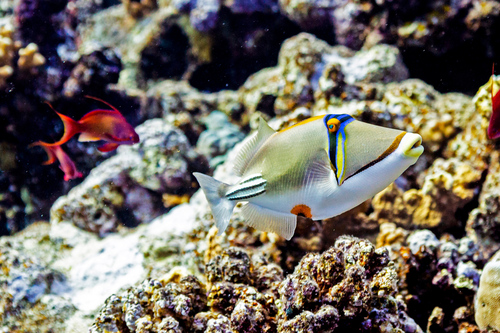
Arabian Picasso Triggerfish
Seen 3 months ago
at Daymaniyat Aquarium
Least concern
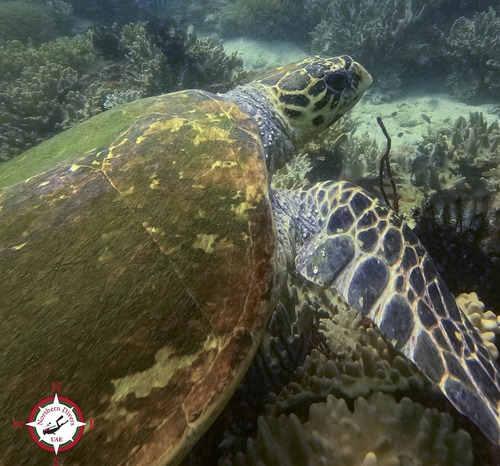
Hawksbill turtle
Seen 4 months ago
at Garden of Eden
Critically endangered
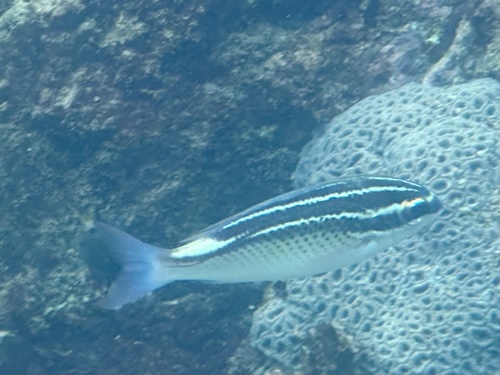
Arabian Monocle Bream
Seen 7 months ago
at Daymaniyat Aquarium
Least concern
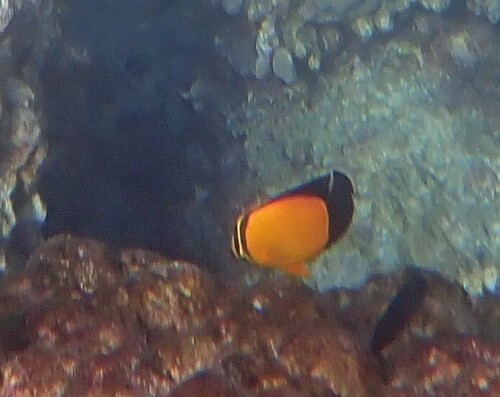
Arabian Butterflyfish
Seen 7 months ago
at Daymaniyat Aquarium
Least concern
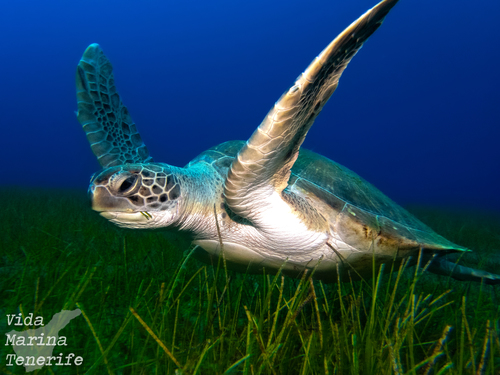
Green Sea Turtle
Seen 7 months ago
at Island 9
Least concern
Green turtle
Seen 7 months ago
at Daymaniyat Aquarium
Least concern
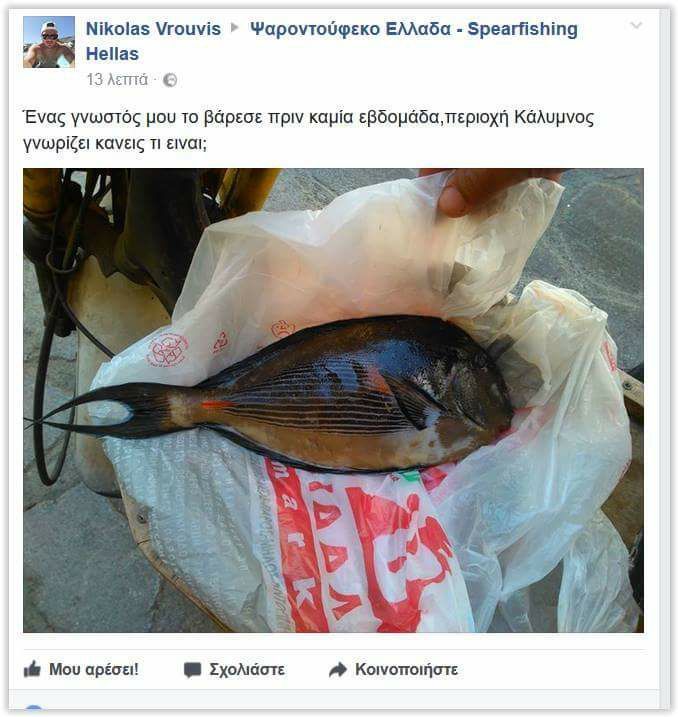
Sohal Surgeonfish
Seen 7 months ago
at Daymaniyat Aquarium
Least concern
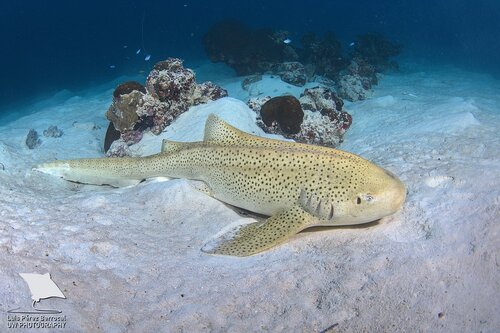
Leopard shark
Seen 7 months ago
at Daymaniyat Aquarium
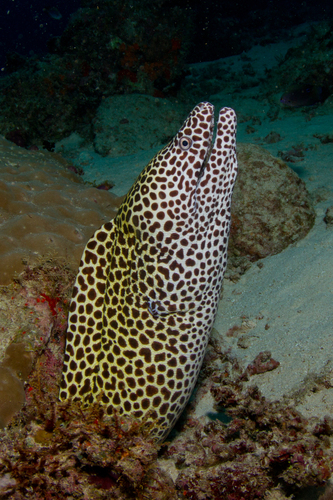
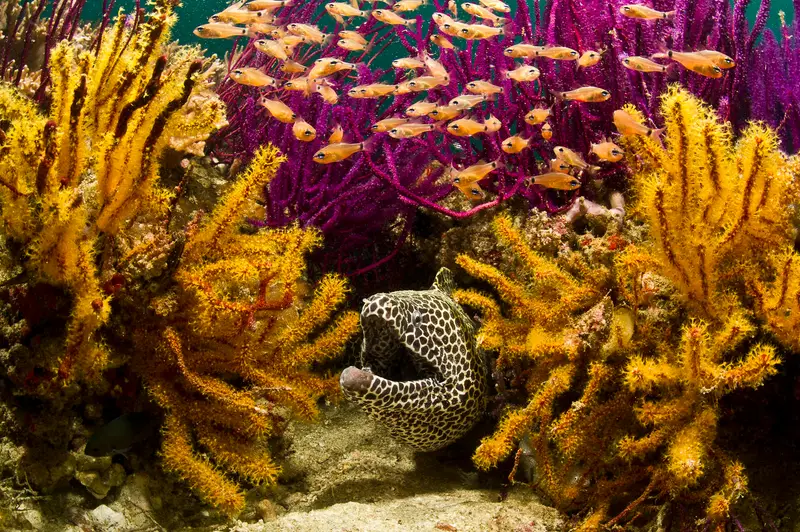
Honeycomb moray
Seen 8 months ago
at Daymaniyat Aquarium
Least concern
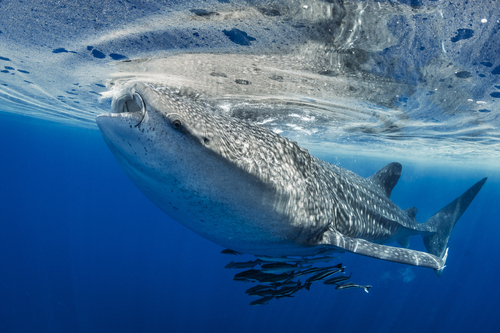
Whale shark
Seen 11 months ago
at Daymaniyat Aquarium
Endangered
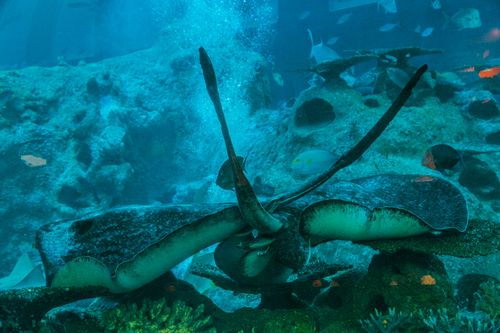
Cowtail Stingray
Seen year round
at Island 9
Near threatened
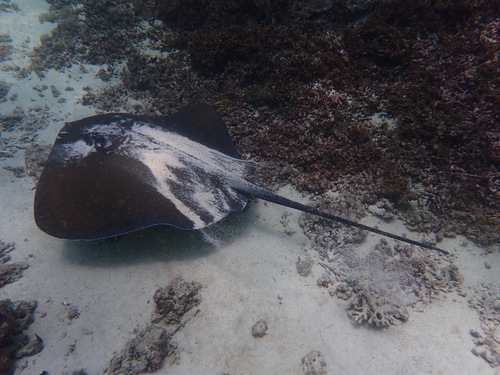
Jenkins Whipray
Seen year round
at Island 9
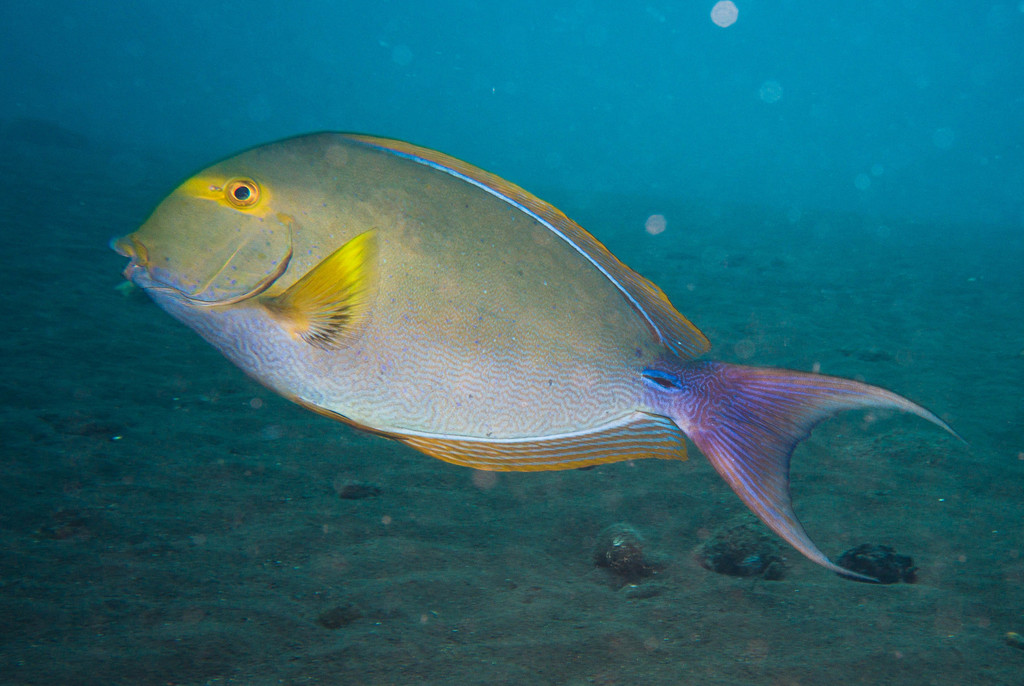
Yellowfin Surgeonfish
Seen year round
at Island 9
Least concern
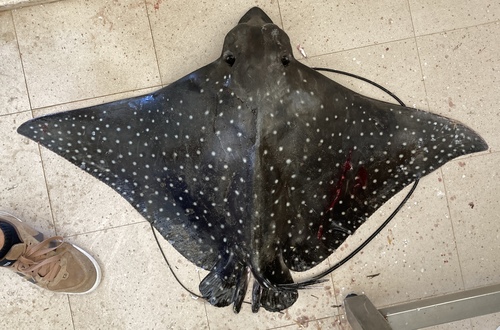
Spotted eagle ray
Seasonal visitor
at Garden of Eden
Endangered
Dive sites
What divers say
An hour from a five star Muscat hotel to a school of whale sharks. Unfairly easy.
Good to know
Park rules
No anchoring on reef; permits managed by ops.