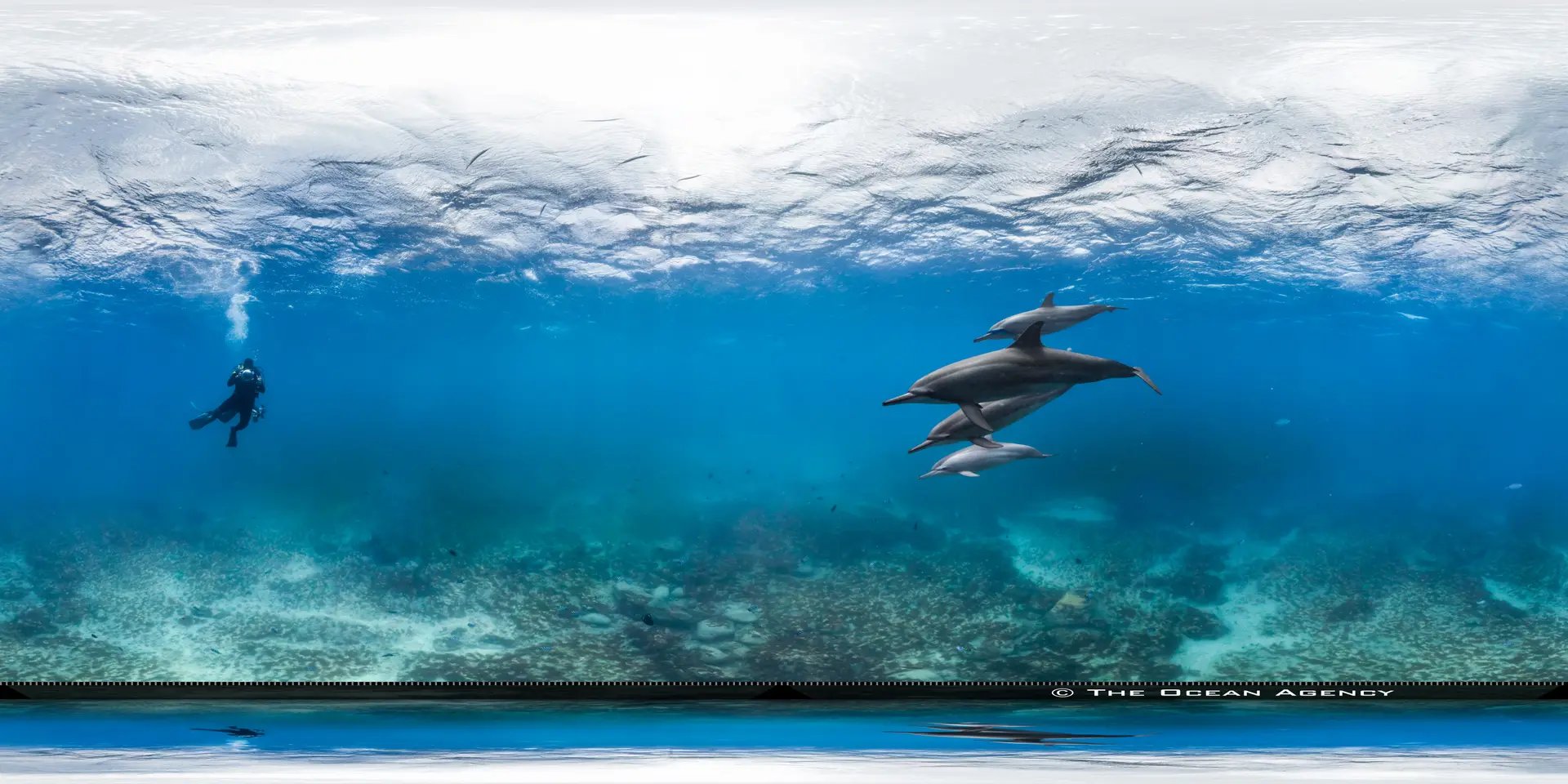
Fernando de Noronha
Brazil · Atlantic Ocean
Fernando de Noronha is a Brazilian archipelago 350km off the northeast coast — clear Atlantic water, resident spinner dolphins, reef sharks, turtles, and dramatic volcanic walls. Strict environmental controls keep numbers low.
How this reef is doing
ⓘ How we measure thisReef state
Volcanic archipelago, the most biodiverse stretch of Brazilian coastline. Reefs have been buffered by deep oceanic water.
Coral cover
Fish life
Heat
No unusual heat right now.
Fishing
Quiet water, and fishing is fully banned here.
Sources · Reef survey · NOAA Coral Reef Watch · Global Fishing Watch and reef gravity
Coral cover over time
Live coral cover, by survey year
Across surveys in 2014 and 2024, live coral cover here has fallen from 32% to 28%. Every point is a real survey reading, never a projection.
Live coral cover, percent by year
| Year | Coral cover |
|---|---|
| 2014 | 32% |
| 2024 | 28% |
What you will see
19 species across the dive sites here
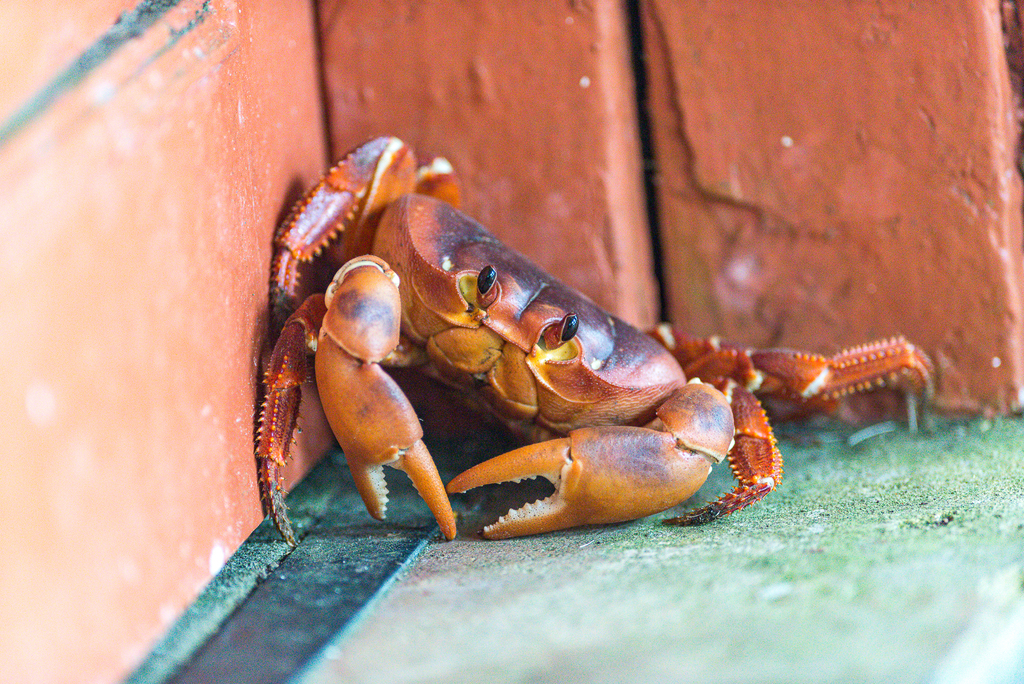
Johngarthia lagostoma
Seen 3 months ago
at Sapata
Endangered
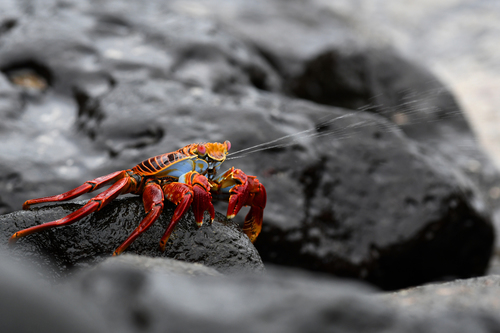
Sally Lightfoot Crab
Seen 3 months ago
at Sapata
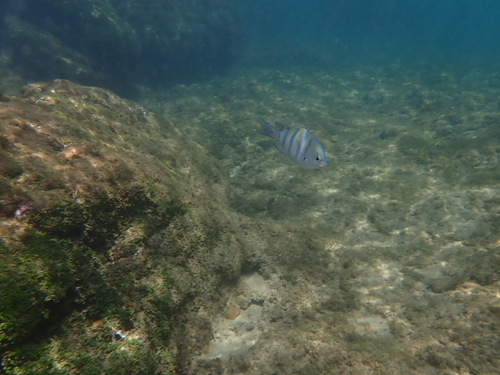
Sergeant Major
Seen 3 months ago
at Laje dos Dois Irmãos
Least concern
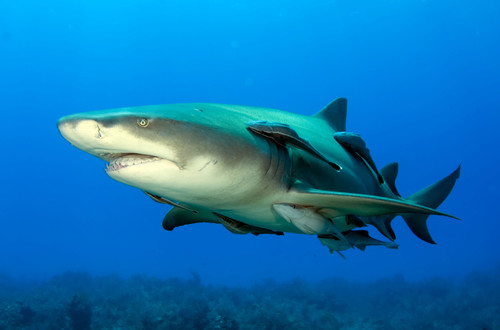
Lemon shark
Seen 4 months ago
at Sapata
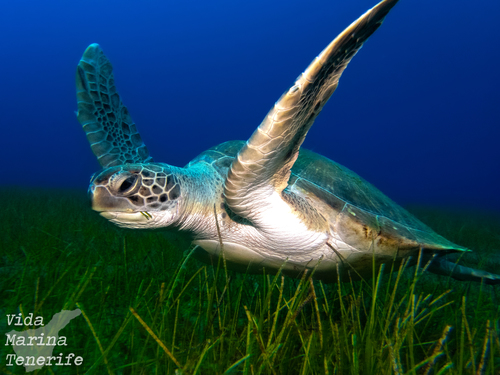
Green turtle
Seen 4 months ago
at Pedras Secas
Least concern
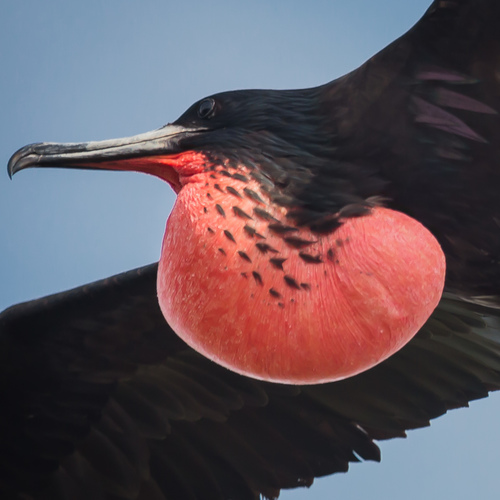
Magnificent Frigatebird
Seen 4 months ago
at Sapata
Least concern
Chromis
Seen 5 months ago
at Laje dos Dois Irmãos
Least concern
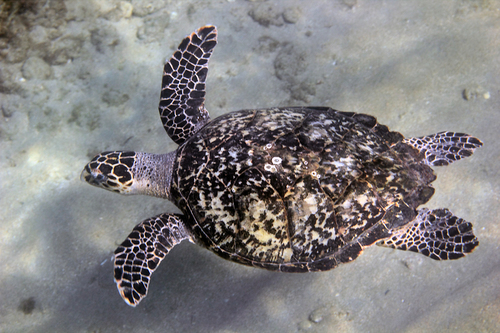
Hawksbill turtle
Seen 5 months ago
at Sapata
Critically endangered
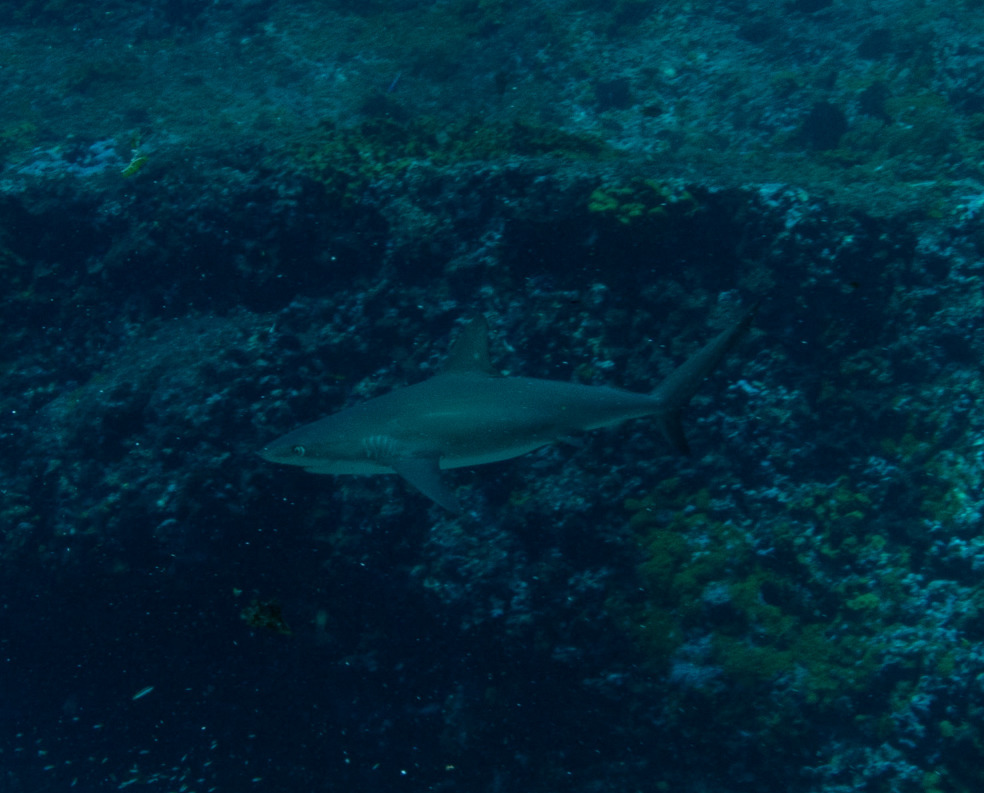
Caribbean reef shark
Seen 6 months ago
at Corveta V-17 Ipiranga
Endangered
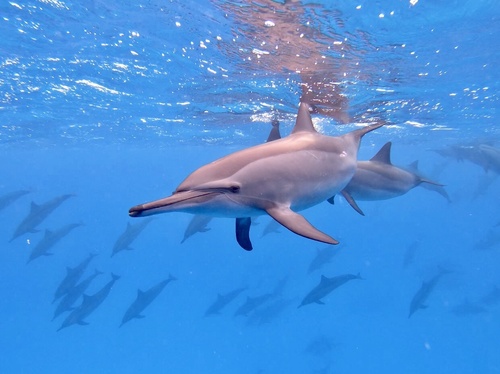
Spinner dolphin
Seen 6 months ago
at Sapata
Least concern
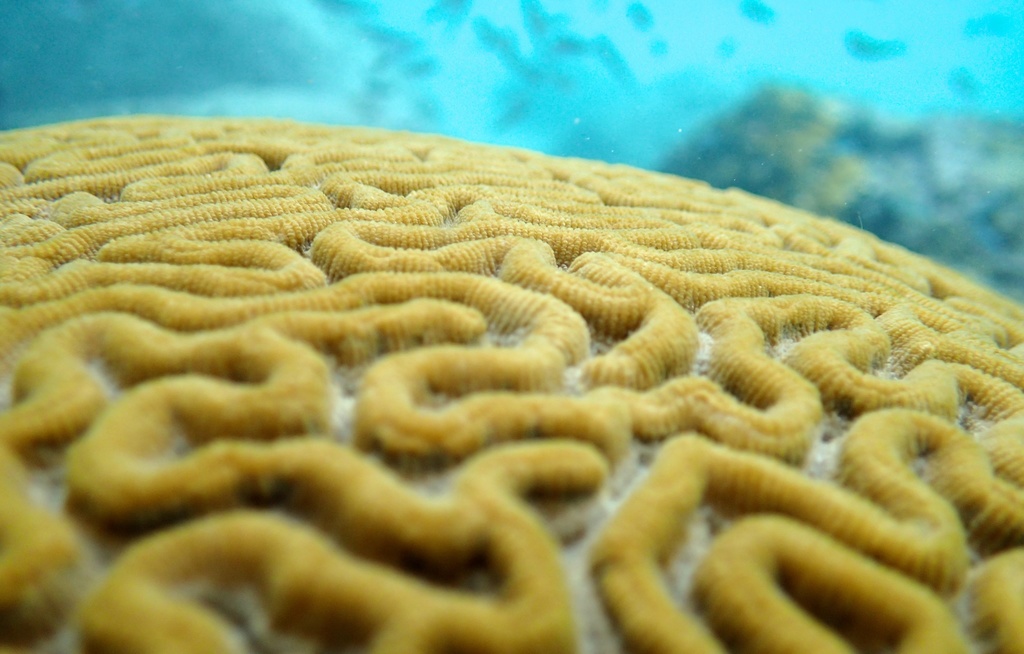
Brain Coral
Seen year round
at Laje dos Dois Irmãos
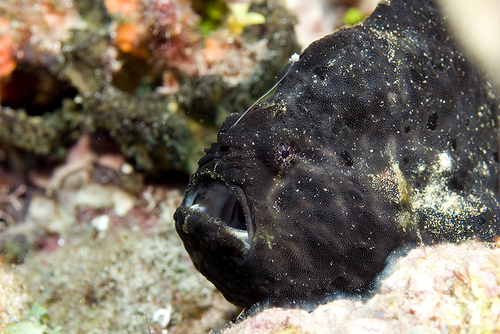
Longlure Frogfish
Seen year round
at Laje dos Dois Irmãos
Least concern
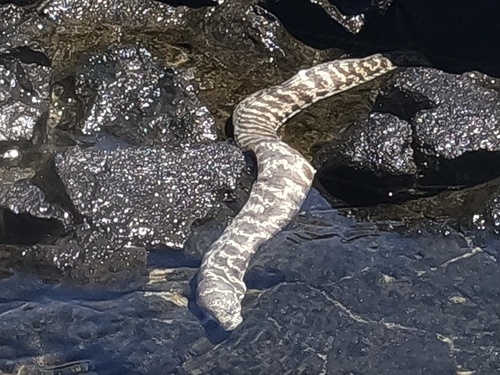
Moray eel
Seen year round
at Pedras Secas

Oceanic Whitetip Shark
Seen year round
at Laje dos Dois Irmãos
Critically endangered
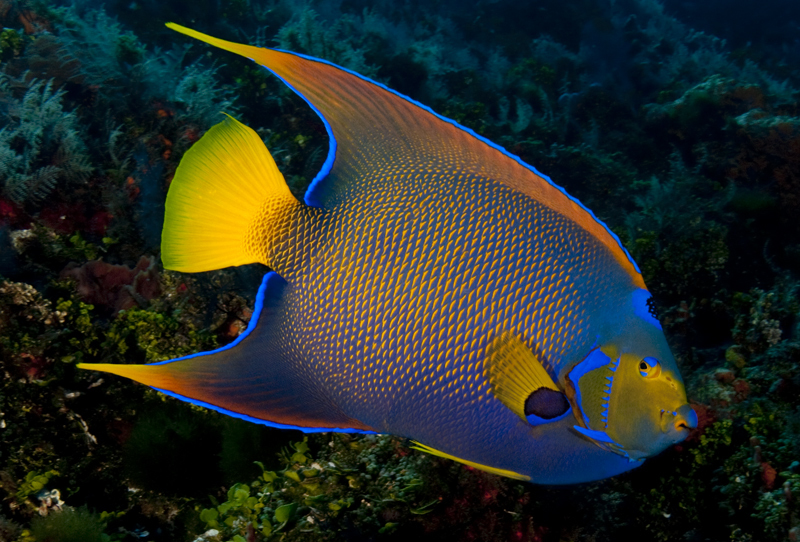
Queen Angelfish
Seen year round
at Laje dos Dois Irmãos
Least concern
Schooling jack
Seen year round
at Sapata
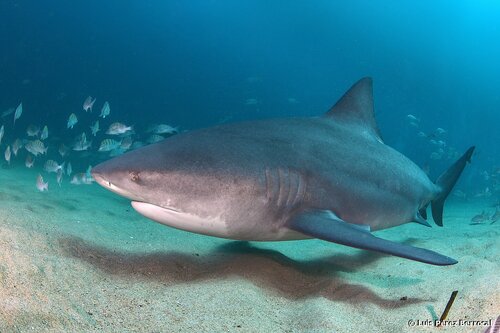
Bull Shark
Seasonal visitor
at Laje dos Dois Irmãos
Vulnerable
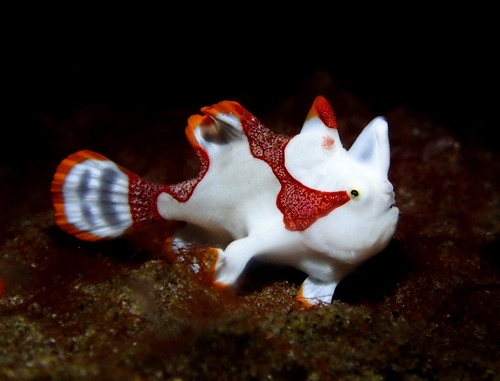
Frogfish
Rare sighting
at Pedras Secas
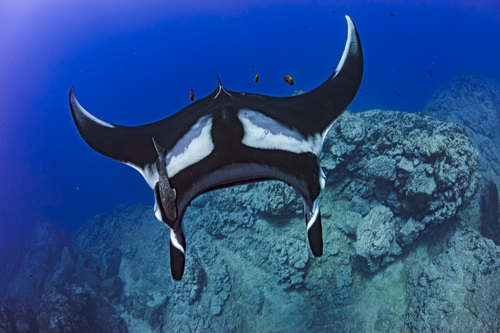
Manta ray
Rare sighting
at Corveta V-17 Ipiranga
Endangered
Dive sites
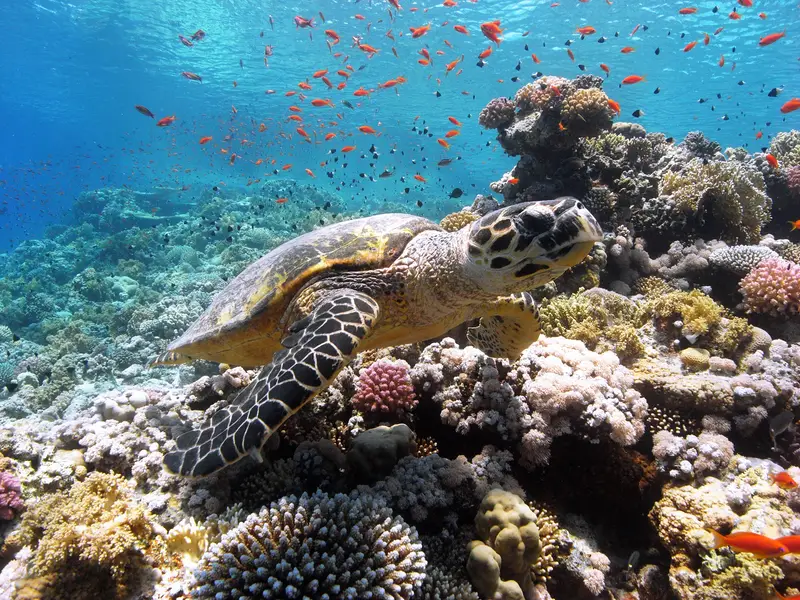
Sapata
lemon shark · spinner dolphin · hawksbill turtle · schooling jack
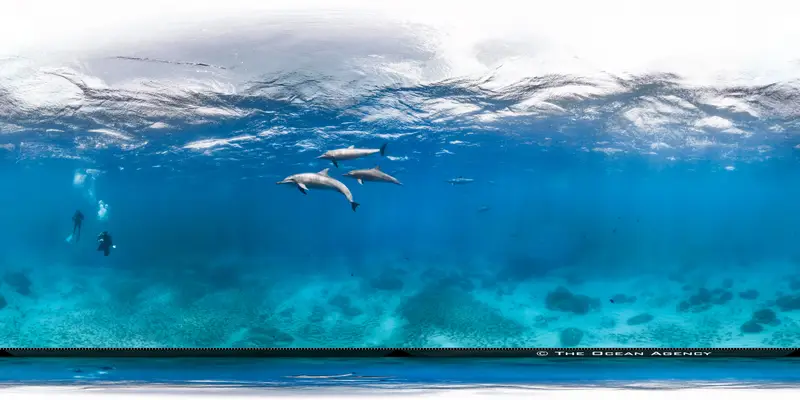
Pedras Secas
green turtle · spinner dolphin · frogfish · moray eel
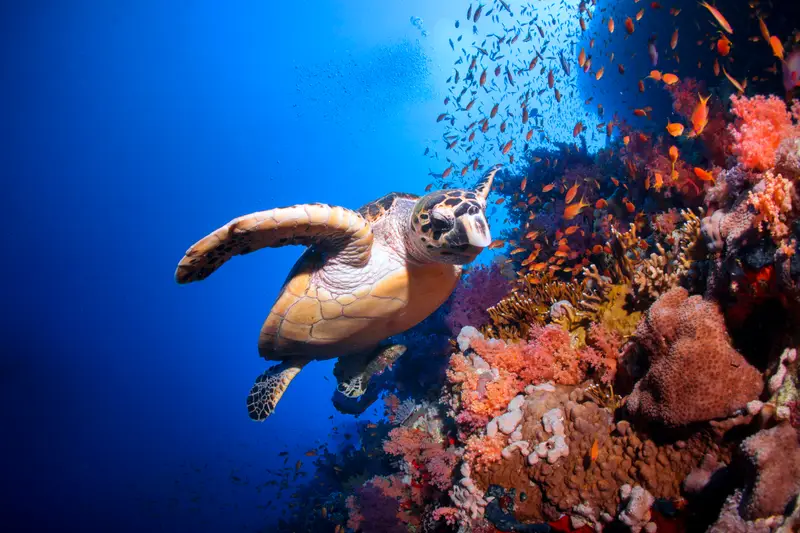
Corveta V-17 Ipiranga
caribbean reef shark · lemon shark · schooling jack · hawksbill turtle
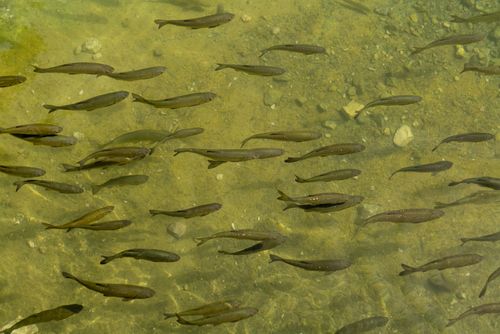
Laje dos Dois Irmãos
oceanic whitetip shark · bull shark · spinner dolphin · brain coral
What divers say
Brazil's most beautiful place to dive, by a long way. Dolphins on every boat ride.
Good to know
Daily fees
Environmental preservation fee + national marine park fee. Add up to $50–100/day.