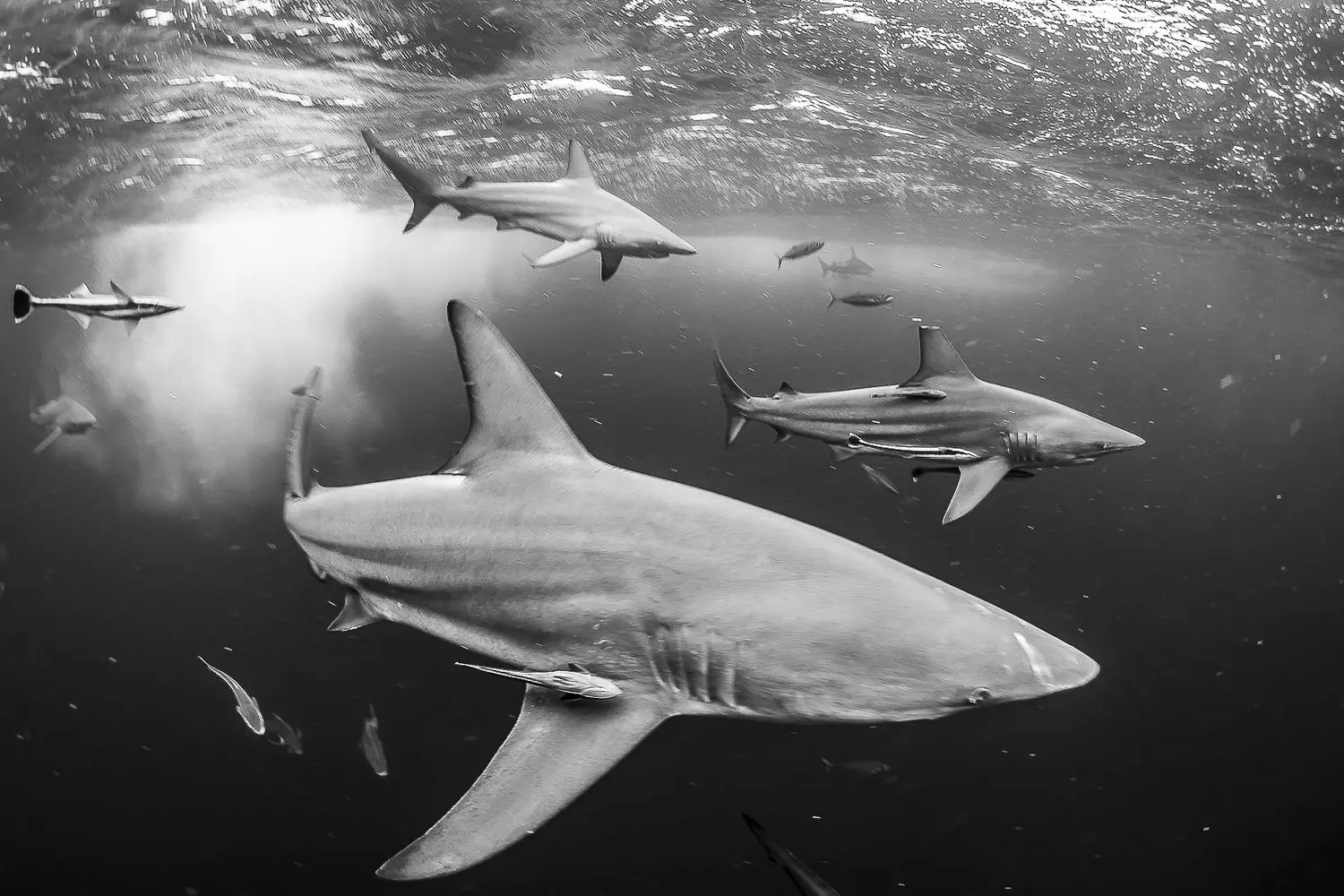
Jeddah Reefs
Saudi Arabia · Red Sea
Jeddah's offshore reefs are the Red Sea's quietly best kept secret — pristine walls and pinnacles barely touched compared to Egyptian sites further north. Saudi tourism opening has begun to make the diving accessible.
How this reef is doing
ⓘ How we measure thisReef state
Saudi Red Sea reefs are some of the world's least visited. Expect intact reef cover and minimal diver impact.
Coral cover
Fish life
Heat
Warmer than usual right now, but not hot enough to bleach.
Fishing
Some fishing is allowed here, in marked zones.
Sources · GCRMN reef surveys · NOAA Coral Reef Watch · Global Fishing Watch and reef gravity
Coral cover over time
Live coral cover, by survey year
Across surveys in 2014 and 2024, live coral cover here has risen from 41% to 42%. Every point is a real survey reading, never a projection.
Live coral cover, percent by year
| Year | Coral cover |
|---|---|
| 2014 | 41% |
| 2024 | 42% |
What you will see
21 species across the dive sites here
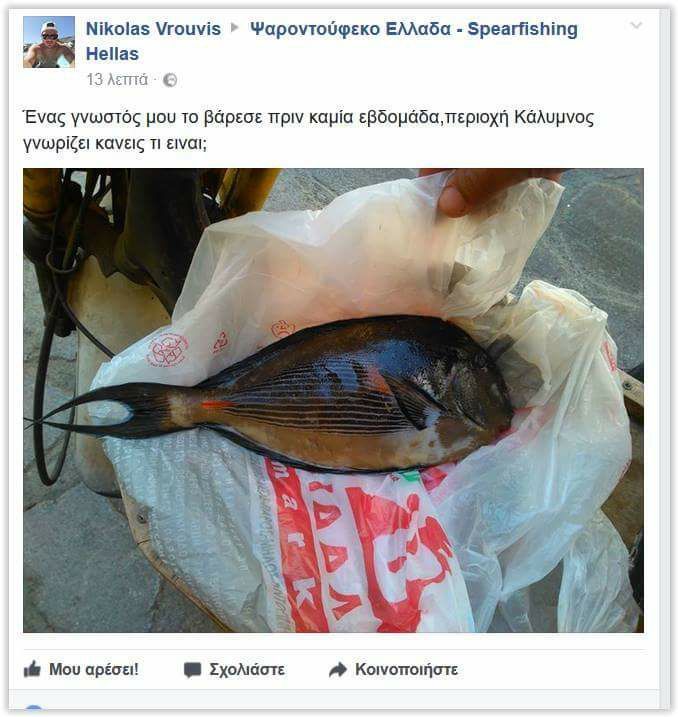
Sohal Surgeonfish
Seen 3 months ago
at Al Wajh Bank
Least concern
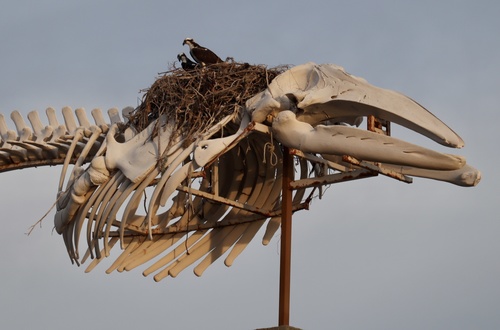
Osprey
Seen 3 months ago
at Al Wajh Bank
Least concern
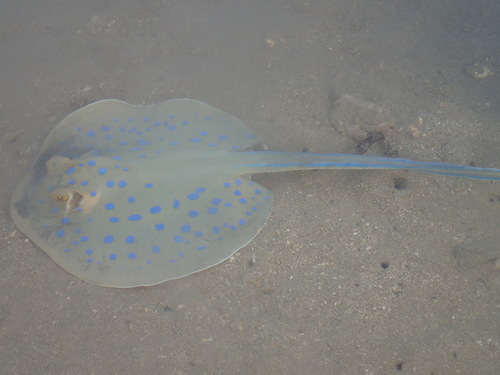
Bluespotted Ribbontail Ray
Seen 3 months ago
at Fahl Island Reef
Least concern
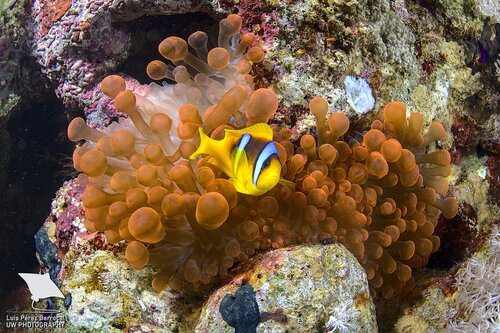
Red Sea Anemonefish
Seen 3 months ago
at Fahl Island Reef
Least concern
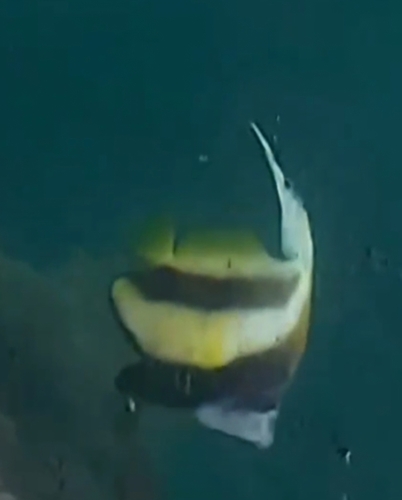
Red Sea Bannerfish
Seen 4 months ago
at Fahl Island Reef
Least concern
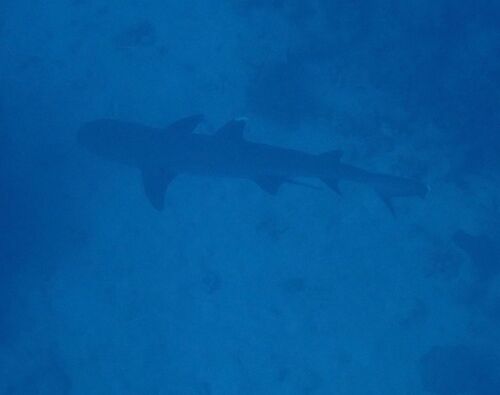
Whitetip reef shark
Seen 4 months ago
at Boiler Wreck (Abu Madafi)
Vulnerable
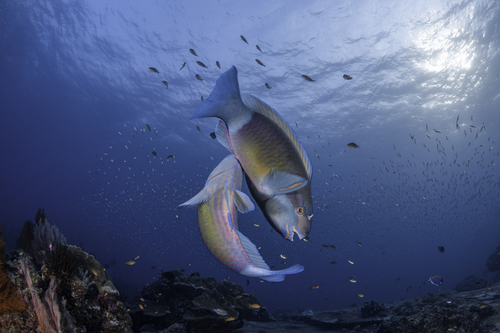
Indian Bullethead Parrotfish
Seen 4 months ago
at Fahl Island Reef
Least concern
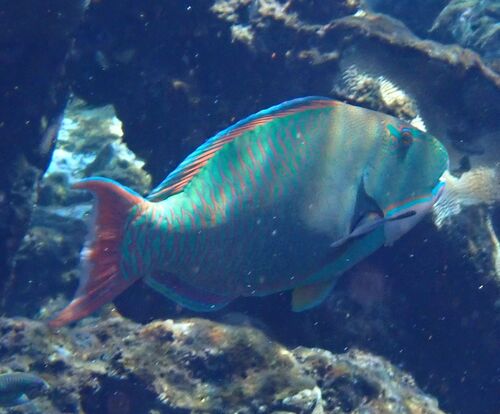
Bicolor Parrotfish
Seen 8 months ago
at Fahl Island Reef
Least concern
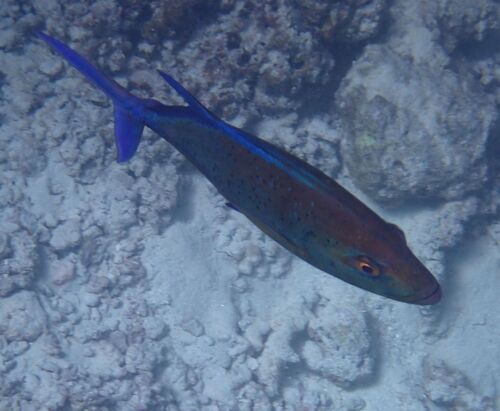
Bluefin trevally
Seen 8 months ago
at Boiler Wreck (Abu Madafi)
Least concern
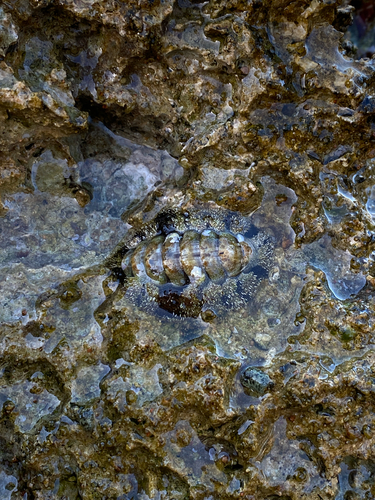
Acanthopleura vaillantii
Seen May 2025
at Al Wajh Bank
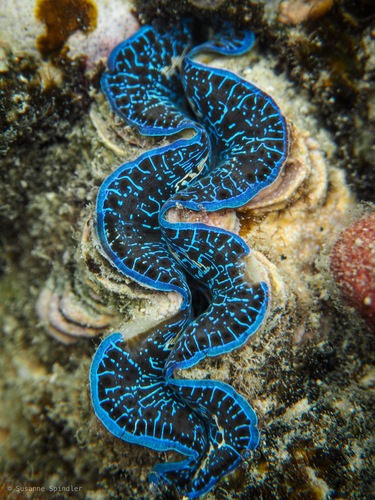
Small Giant Clam
Seen May 2025
at Al Wajh Bank
Least concern
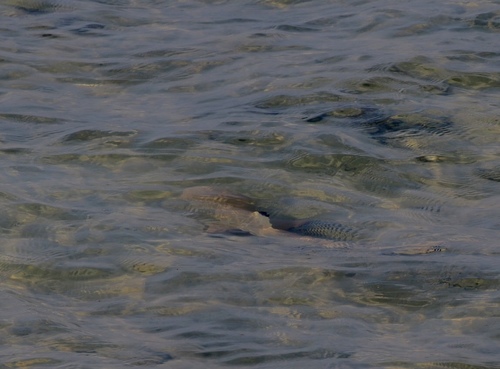
Blacktip reef shark
Seen year round
at Boiler Wreck (Abu Madafi)
Vulnerable
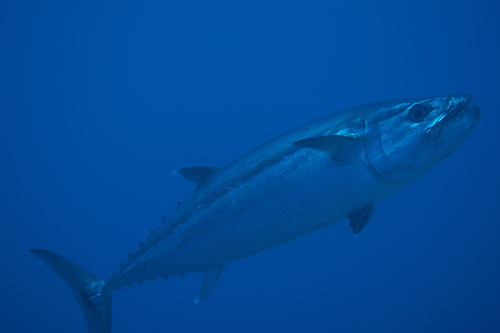
Dogtooth tuna
Seen year round
at Boiler Wreck (Abu Madafi)
Least concern
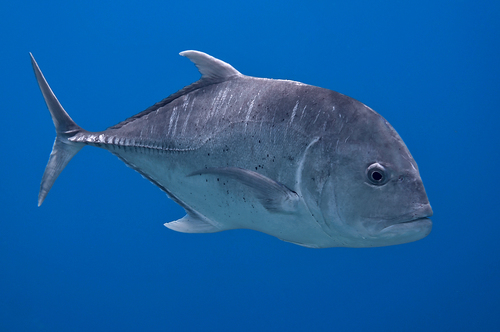
Giant Trevally
Seen year round
at Al Wajh Bank
Least concern
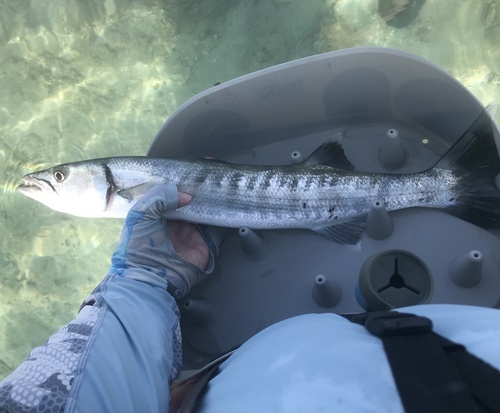
Great barracuda
Seen year round
at Boiler Wreck (Abu Madafi)
Least concern
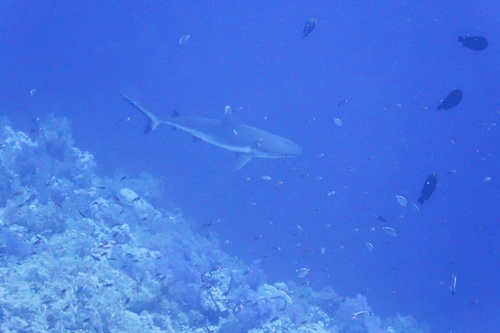
Grey Reef Shark
Seen year round
at Al Wajh Bank
Endangered
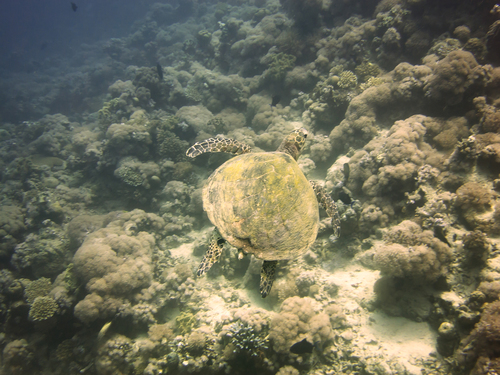
Hawksbill Sea Turtle
Seen year round
at Fahl Island Reef
Critically endangered
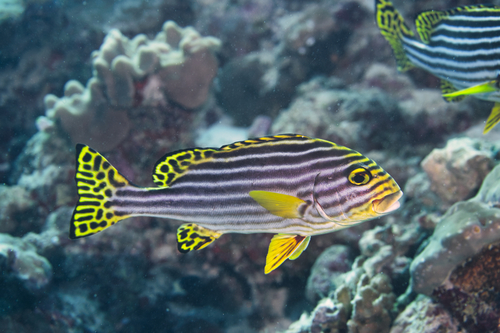
Oriental Sweetlips
Seen year round
at Fahl Island Reef
Least concern
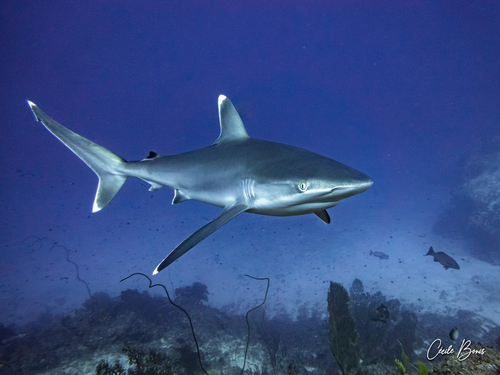
Silvertip Shark
Seen year round
at Al Wajh Bank
Vulnerable
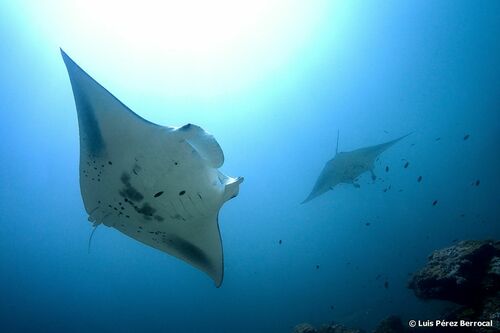
Reef manta ray
Seasonal visitor
at Boiler Wreck (Abu Madafi)
Vulnerable
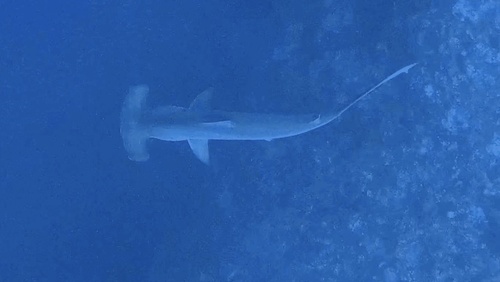
Scalloped Hammerhead Shark
Seasonal visitor
at Al Wajh Bank
Critically endangered
Dive sites
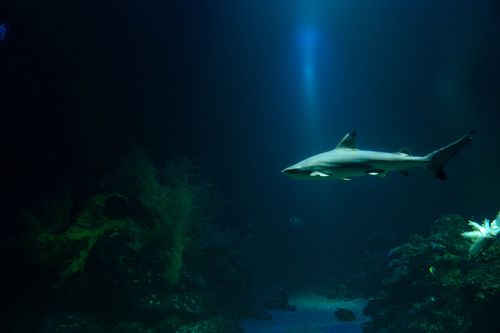
Boiler Wreck (Abu Madafi)
whitetip reef shark · blacktip reef shark · great barracuda · bluefin trevally
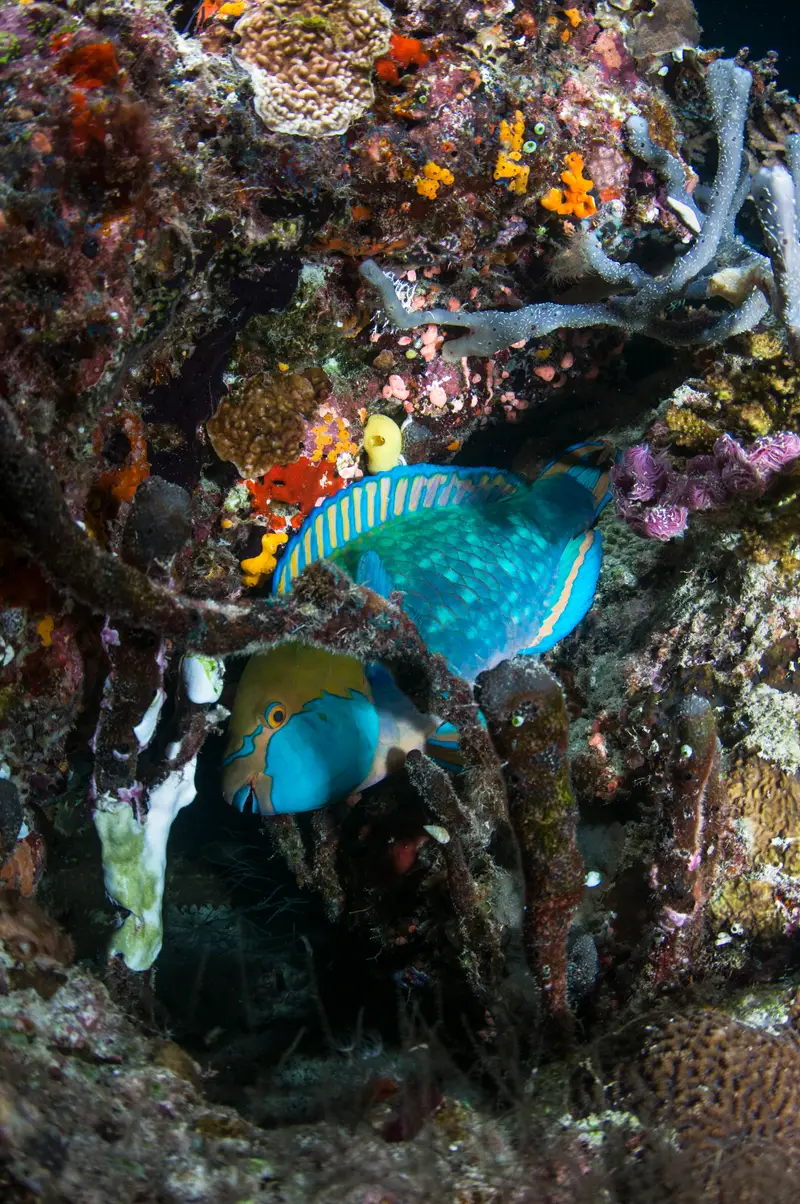
Fahl Island Reef
hawksbill sea turtle · oriental sweetlips · bicolor parrotfish · bluespotted ribbontail ray
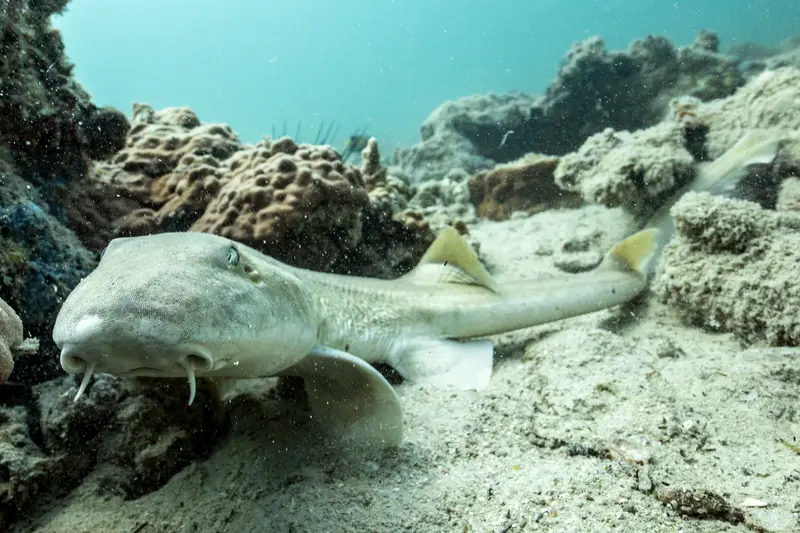
Al Wajh Bank
grey reef shark · scalloped hammerhead shark · giant trevally · silvertip shark
What divers say
The reefs look like Egypt 40 years ago. The Kingdom has been protected by inaccessibility.
Good to know
Visa
Saudi e-visa available to most nationalities since 2019.
Dress code
Cover-up rules on the surface; standard exposure suits underwater.