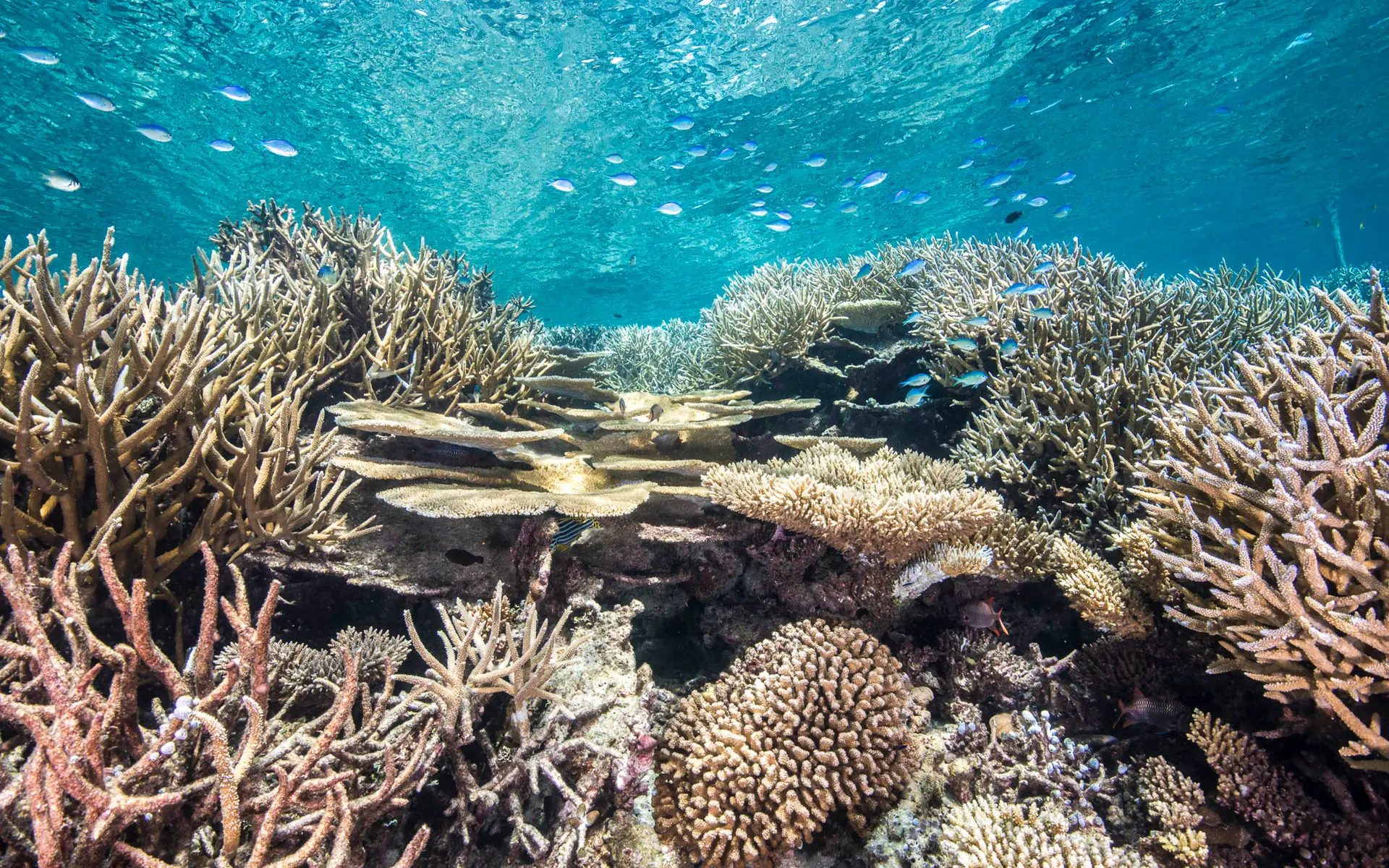
North Male Atoll
Maldives · Indian Ocean
The most accessible Maldivian atoll, North Malé wraps the capital and the international airport. Channels (kandus) between the atoll's outer reefs funnel current and pelagics — grey reef sharks, eagle rays, tuna, the occasional manta — while protected lagoon thilas suit calmer diving.
How this reef is doing
ⓘ How we measure thisReef state
Maldives saw widespread bleaching in 2024. Manta and whale shark encounters don't depend on coral but the reef itself has thinned noticeably.
Coral cover
Fish life
Heat
Warmer than usual right now, but not hot enough to bleach.
Fishing
Some fishing is allowed here, in marked zones.
Sources · GCRMN reef surveys · NOAA Coral Reef Watch · Global Fishing Watch and reef gravity
Coral cover over time
Live coral cover, by survey year
Across surveys in 2014 and 2024, live coral cover here has fallen from 41% to 24%. Every point is a real survey reading, never a projection.
Live coral cover, percent by year
| Year | Coral cover |
|---|---|
| 2014 | 41% |
| 2024 | 24% |
What you will see
29 species across the dive sites here
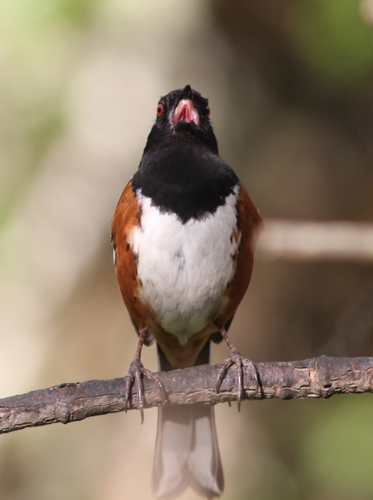
Spotted Towhee
Seen 3 months ago
at HMCS Chaudiere
Least concern
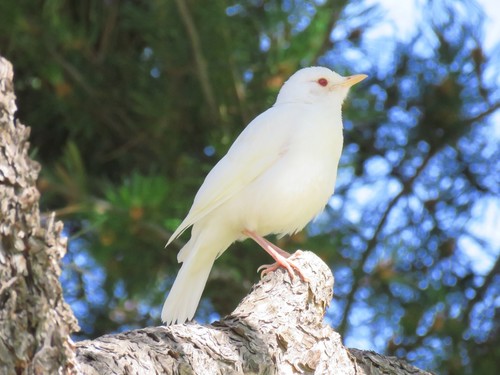
American Robin
Seen 3 months ago
at HMCS Chaudiere
Least concern
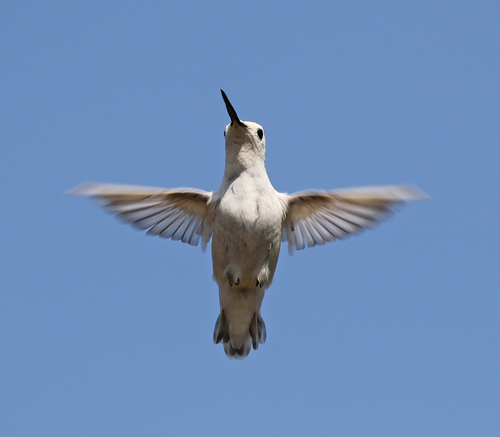
Anna'S Hummingbird
Seen 3 months ago
at HMCS Chaudiere
Least concern
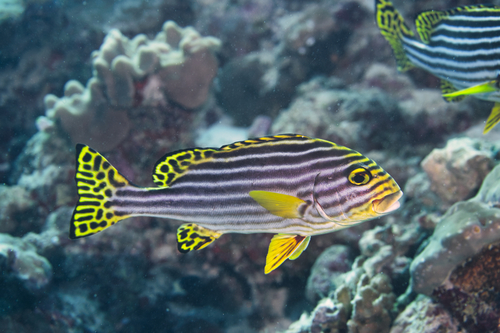
Oriental sweetlips
Seen 3 months ago
at Banana Reef
Least concern
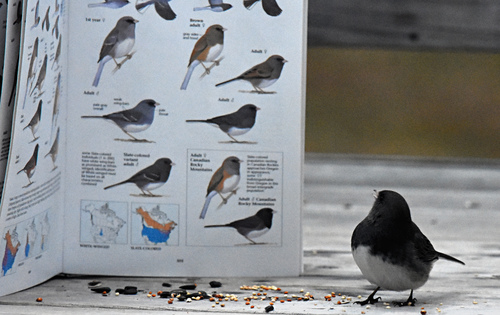
Dark-Eyed Junco
Seen 3 months ago
at HMCS Chaudiere
Least concern
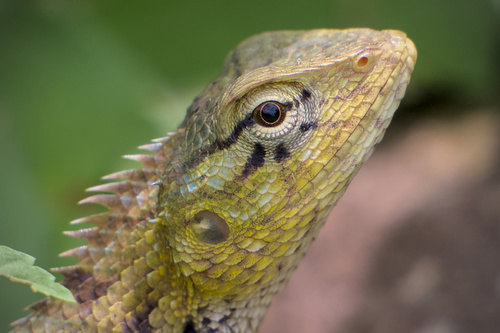
Indian Garden Lizard
Seen 3 months ago
at Banana Reef
Least concern
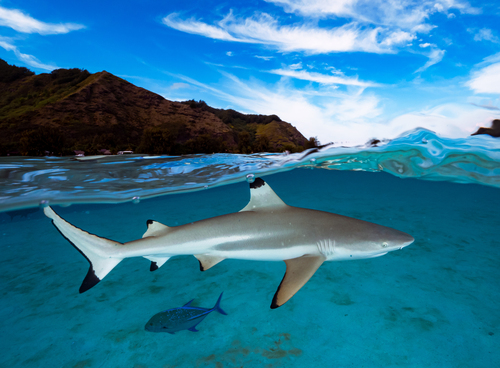
Blacktip Reef Shark
Seen 4 months ago
at Banana Reef
Vulnerable
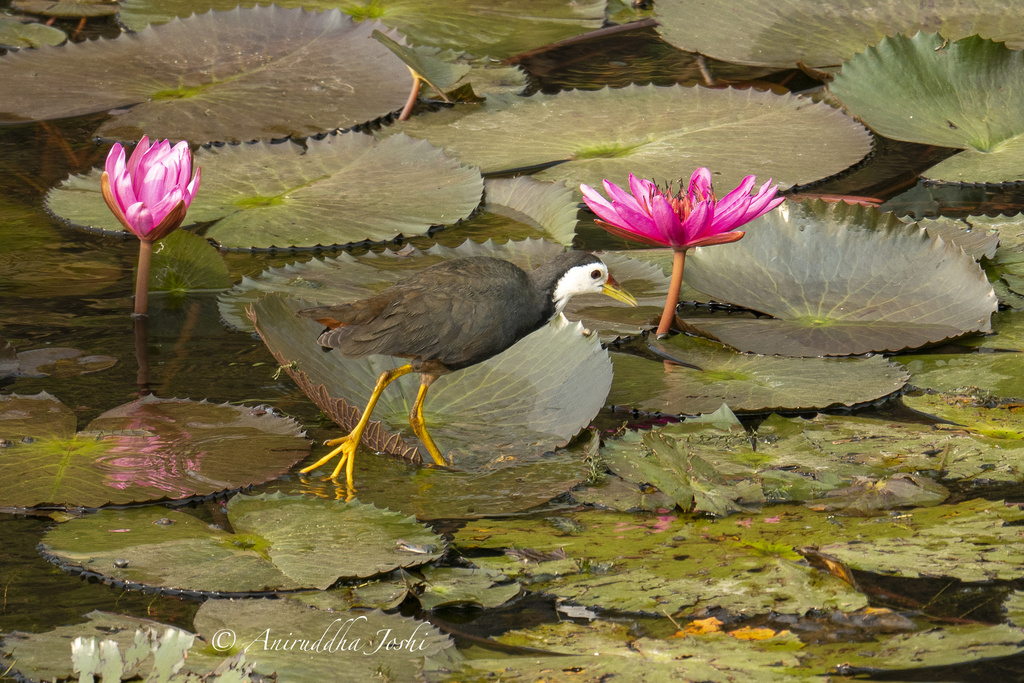
White-Breasted Waterhen
Seen 4 months ago
at Banana Reef
Least concern
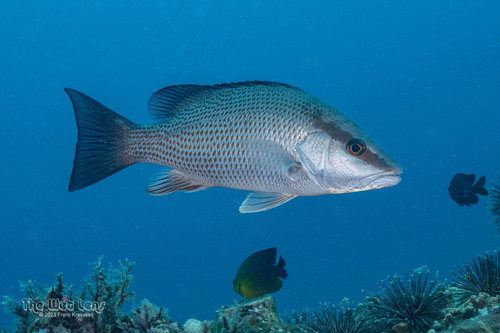
Yellowtail snapper
Seen 4 months ago
at Maldive Victory Wreck
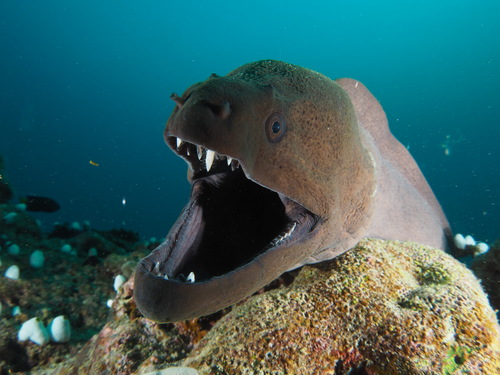
Giant moray
Seen 4 months ago
at Lankan Manta Point
Least concern
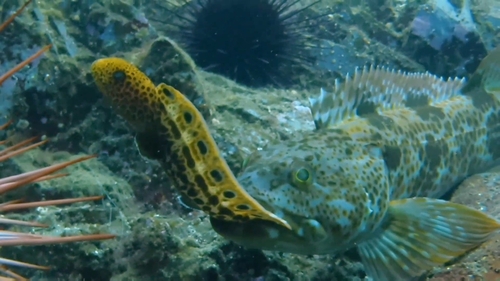
Lingcod
Seen 4 months ago
at HMCS Chaudiere
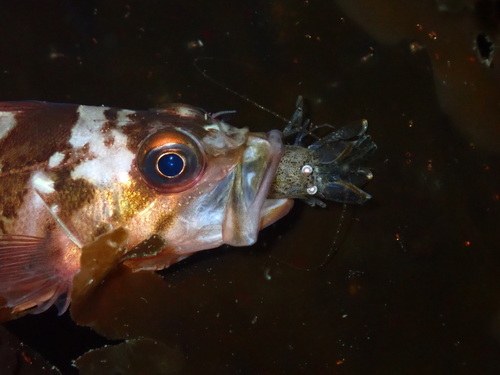
Rockfish
Seen 4 months ago
at HMCS Chaudiere
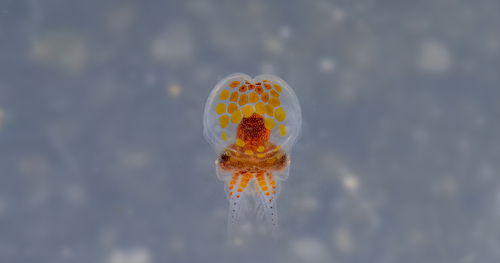
Giant Pacific Octopus
Seen 4 months ago
at HMCS Chaudiere
Least concern
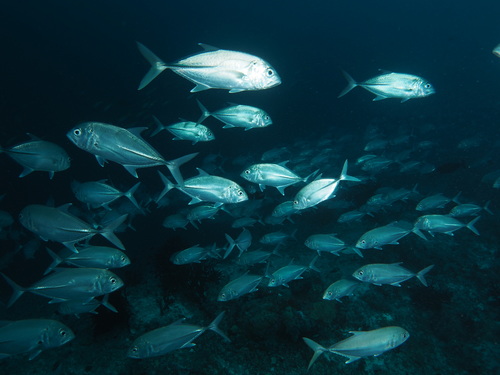
Bigeye trevally
Seen 4 months ago
at Maldive Victory Wreck
Least concern
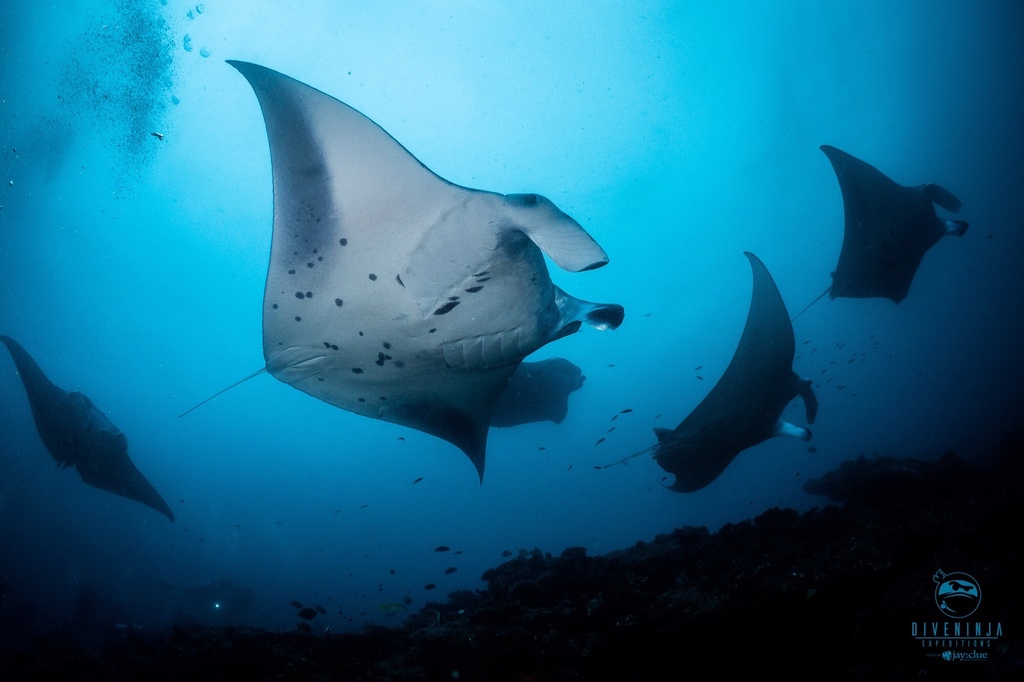
Reef manta ray
Seen 4 months ago
at Lankan Manta Point
Vulnerable
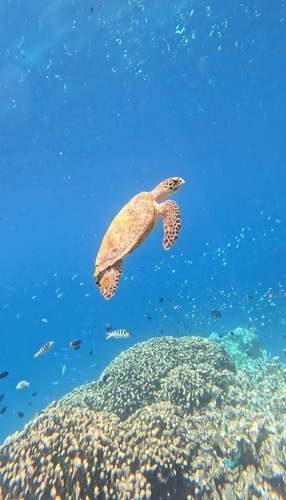
Hawksbill turtle
Seen 5 months ago
at Lankan Manta Point
Critically endangered
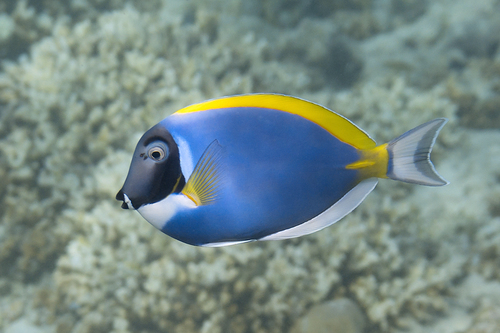
Powder Blue Tang
Seen 5 months ago
at Banana Reef
Least concern
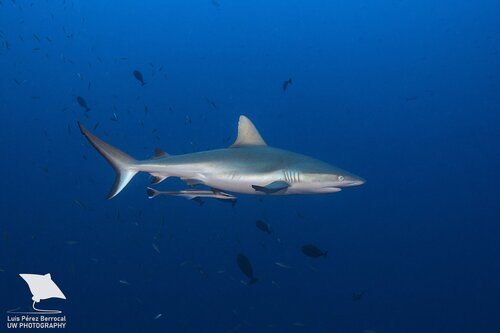
Grey reef shark
Seen 5 months ago
at HP Reef
Endangered
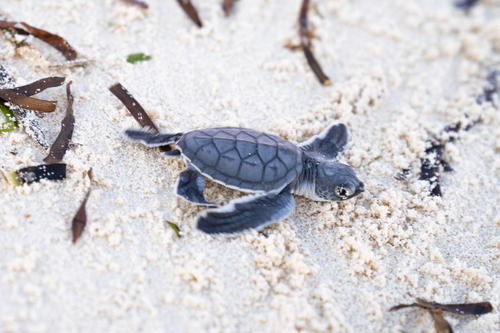
Green turtle
Seen 6 months ago
at Maldive Victory Wreck
Least concern
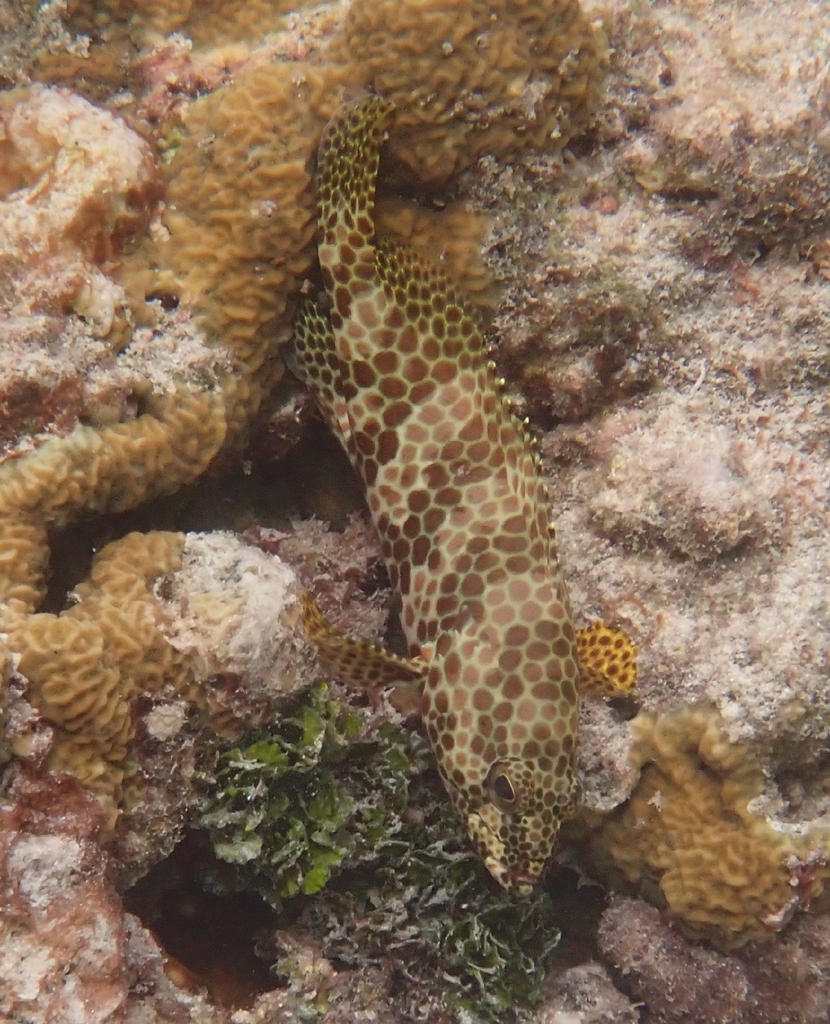
Honeycomb grouper
Seen 7 months ago
at Maldive Victory Wreck
Least concern
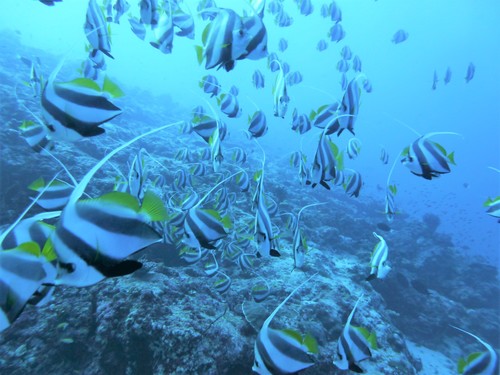
Bannerfish
Seen 9 months ago
at Banana Reef
Least concern
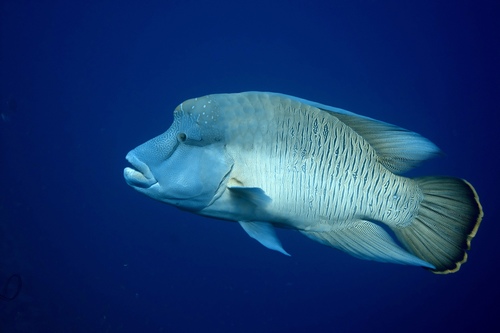
Napoleon wrasse
Seen 9 months ago
at Banana Reef
Endangered
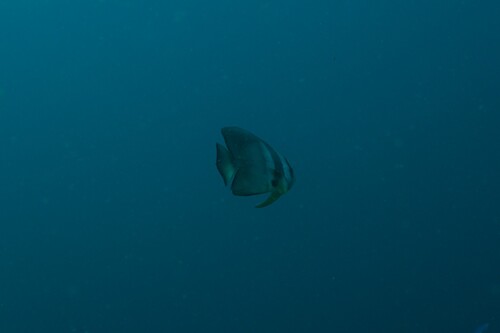
Batfish
Seen 9 months ago
at Maldive Victory Wreck
Least concern
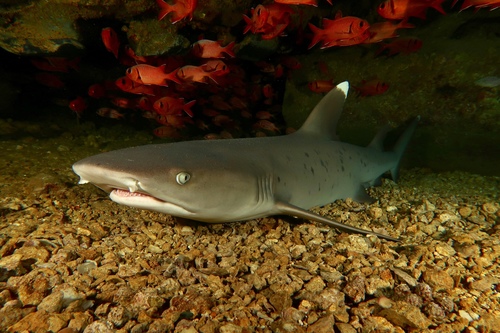
Whitetip reef shark
Seen Sep 2025
at HP Reef
Vulnerable
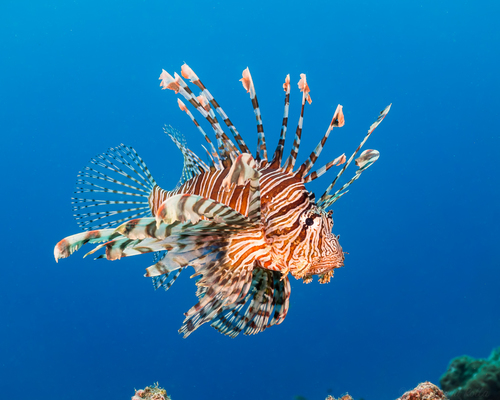
Common lionfish
Seen year round
at Maldive Victory Wreck
Least concern
Schooling fusiliers
Seen year round
at HP Reef
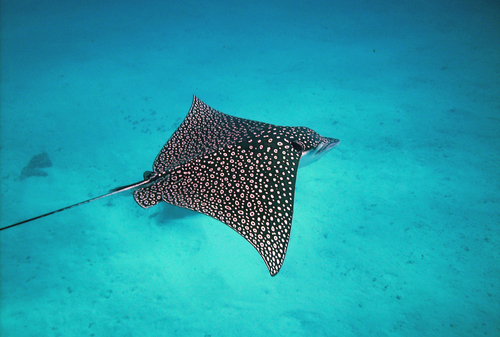
Spotted eagle ray
Seen year round
at Lankan Manta Point
Endangered
Eagle ray
Seasonal visitor
at HP Reef
Endangered
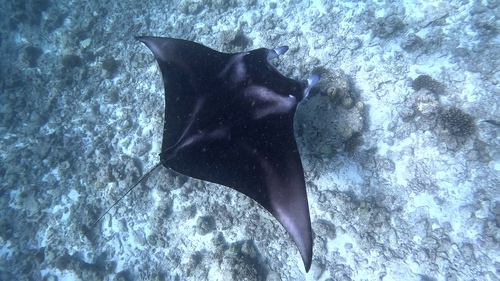
Mobula ray
Seasonal visitor
at Lankan Manta Point
Dive sites
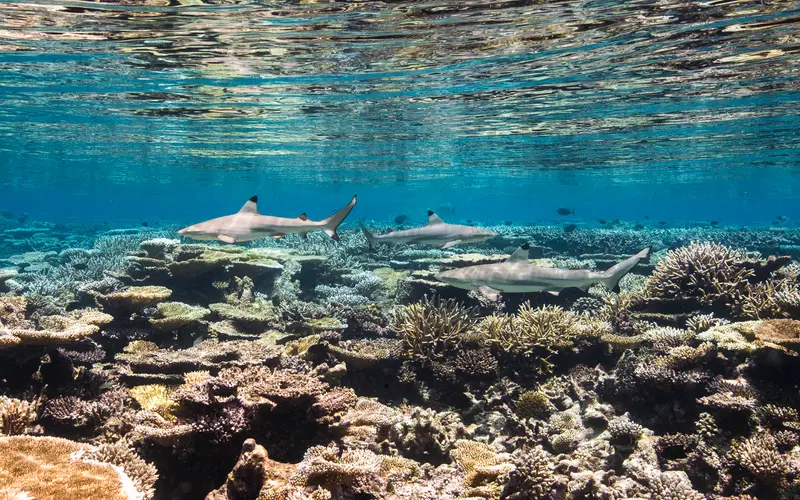
Banana Reef
oriental sweetlips · bigeye trevally · napoleon wrasse · bannerfish
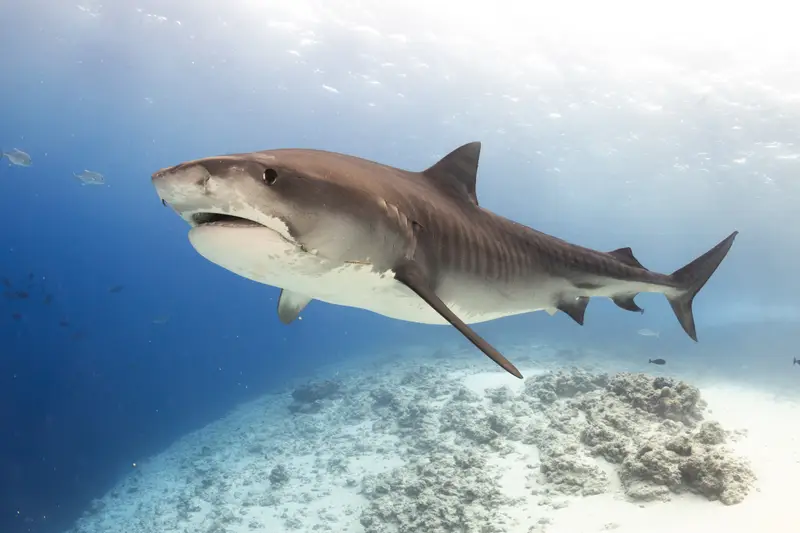
HP Reef
grey reef shark · whitetip reef shark · schooling fusiliers · eagle ray
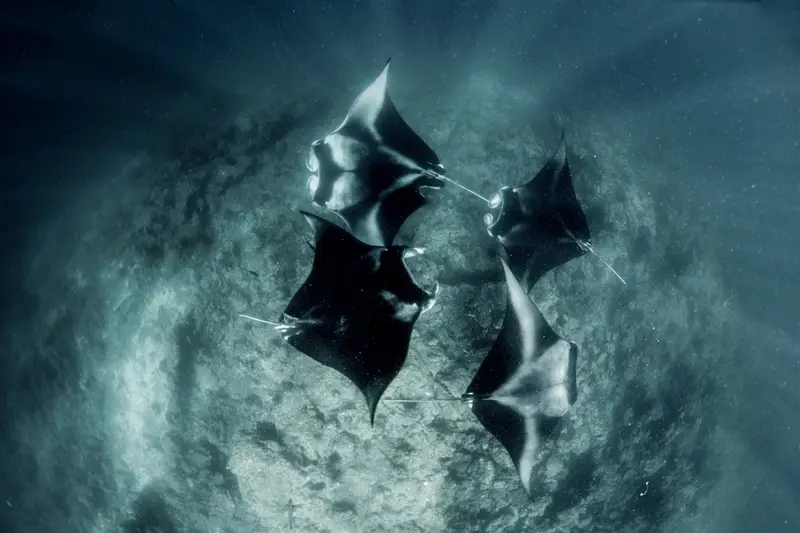
Lankan Manta Point
reef manta ray · spotted eagle ray · whitetip reef shark · napoleon wrasse
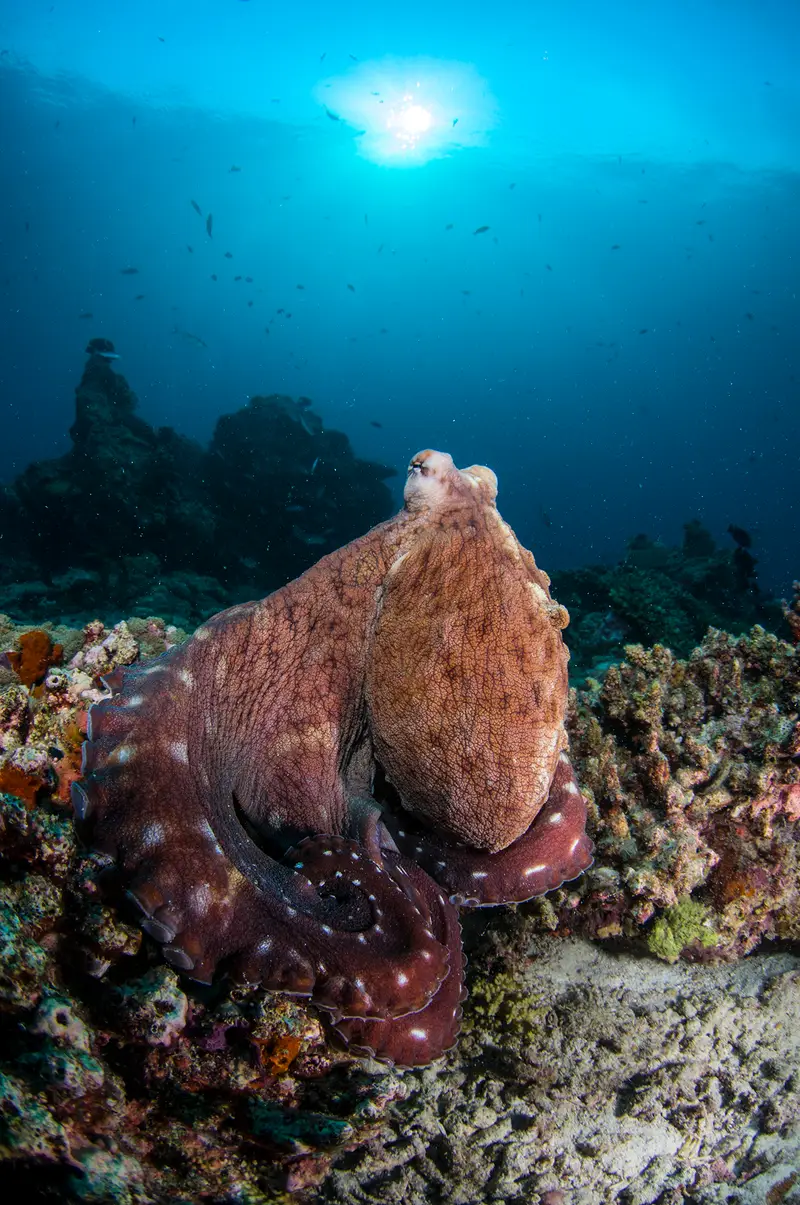
HMCS Chaudiere
lingcod · rockfish · giant pacific octopus · american robin
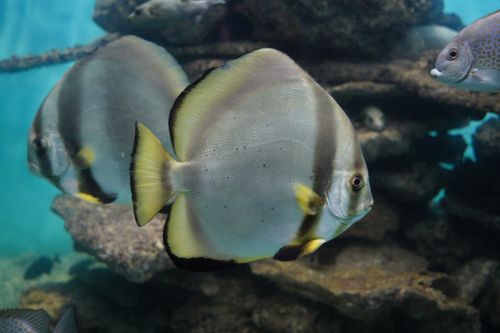
Maldive Victory Wreck
bigeye trevally · batfish · yellowtail snapper · common lionfish
What divers say
First Maldives trip, easy logistics, and I still saw three grey reefs, two eagle rays and a turtle on my checkout dive.
Good to know
Transfer
Speedboat from Malé to most resorts is 20–60 minutes — far cheaper than seaplane.
Protected species
All sharks and rays are protected nationally. Spearfishing and shark feeding are banned.