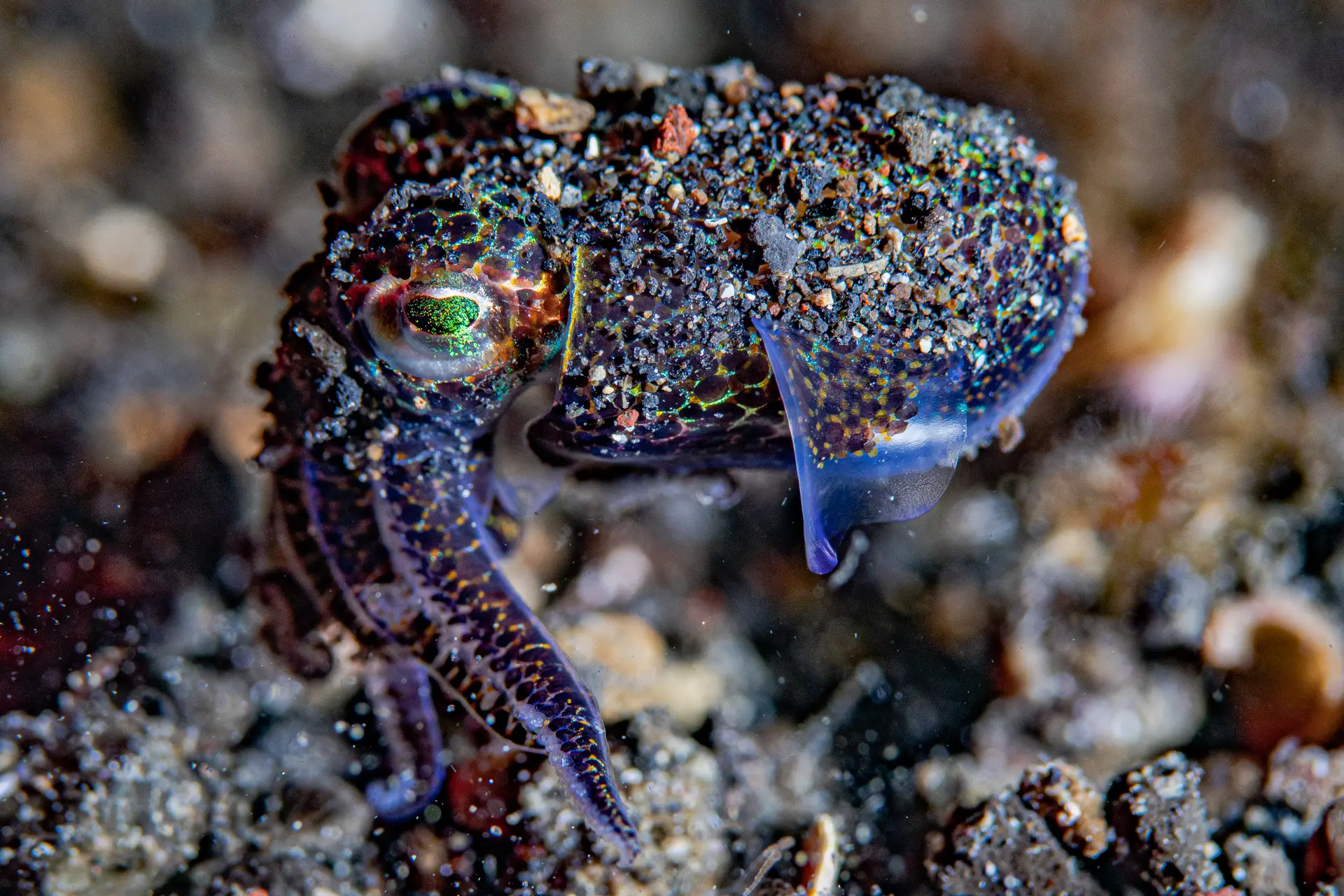
Nosy Be
Madagascar · Mozambique Channel
Nosy Be off Madagascar's northwest coast is the country's main diving hub — whale sharks September–December (juveniles, snorkel friendly), reef dives on surrounding islands, and Mozambique-channel biodiversity.
How this reef is doing
ⓘ How we measure thisReef state
Patchy reef condition across the area. Whale sharks Oct–Dec drive the season.
Coral cover
Fish life
Heat
No unusual heat right now.
Fishing
Some fishing is allowed here, in marked zones.
Sources · MERMAID and the survey teams · NOAA Coral Reef Watch · Global Fishing Watch and reef gravity
Coral cover over time
Live coral cover, by survey year
Across 8 survey years from 2016 to 2026, live coral cover here has risen from 45% to 47%. Every point is a real survey reading, never a projection.
Live coral cover, percent by year
| Year | Coral cover |
|---|---|
| 2016 | 45% |
| 2019 | 36% |
| 2020 | 38% |
| 2021 | 44% |
| 2022 | 48% |
| 2023 | 52% |
| 2025 | 29% |
| 2026 | 47% |
What you will see
22 species across the dive sites here
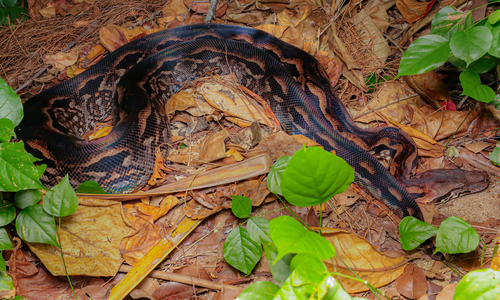
Madagascar Ground Boa
Seen 3 months ago
at Nosy Tanikely
Least concern
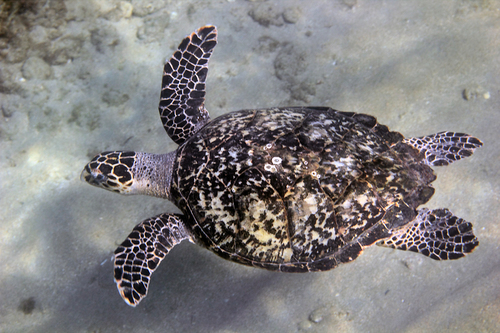
Hawksbill turtle
Seen 4 months ago
at Nosy Tanikely
Critically endangered
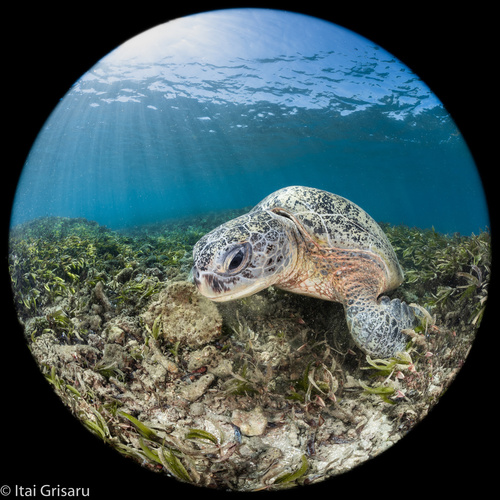
Green Sea Turtle
Seen 5 months ago
at Nosy Tanikely
Least concern
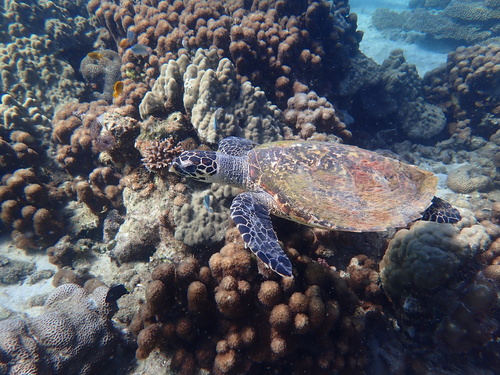
Hawksbill Sea Turtle
Seen 5 months ago
at Nosy Tanikely
Critically endangered
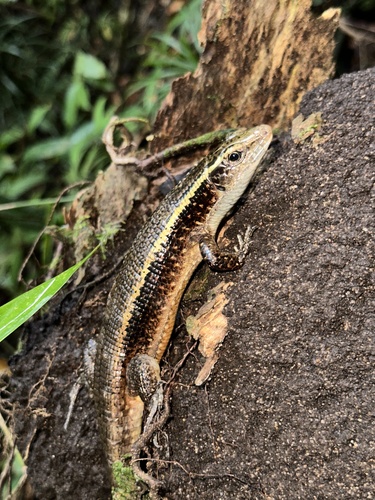
Madagascar Girdled Lizard
Seen 8 months ago
at Nosy Tanikely
Least concern
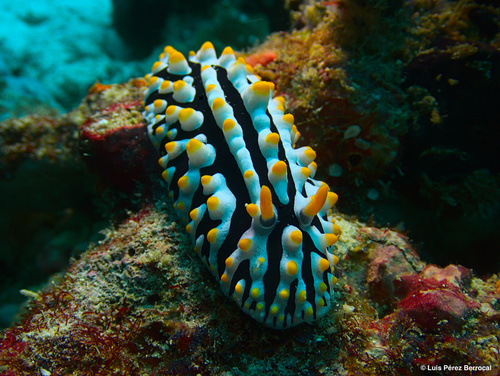
Varicose Wart Slug
Seen 11 months ago
at Nosy Tanikely
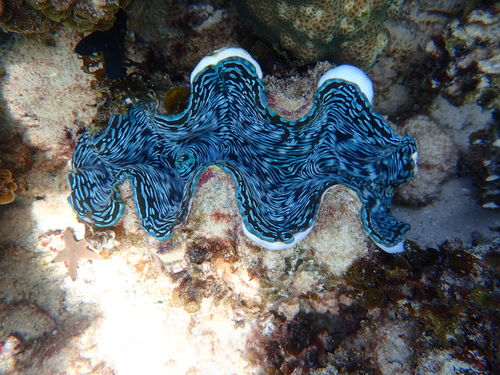
Fluted Giant Clam
Seen 11 months ago
at Nosy Mitsio
Least concern
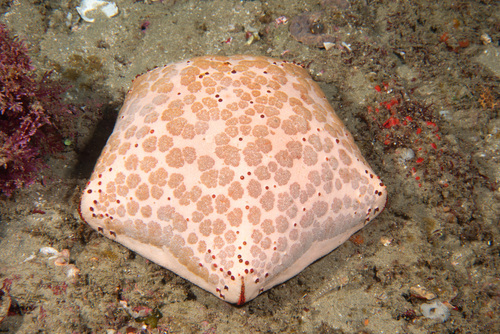
Spiny Cushion Star
Seen 11 months ago
at Nosy Mitsio
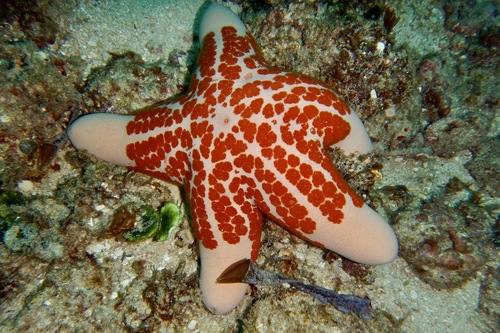
Granulated Sea Star
Seen 11 months ago
at Nosy Mitsio
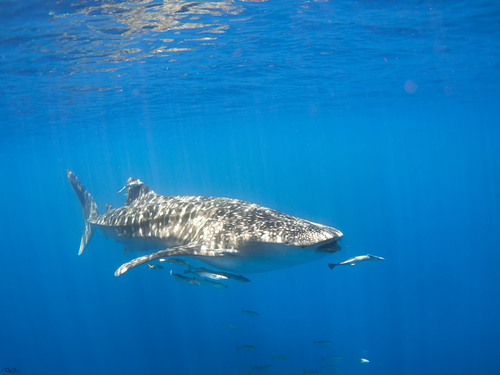
Whale Shark
Seen 12 months ago
at Coral Garden
Endangered
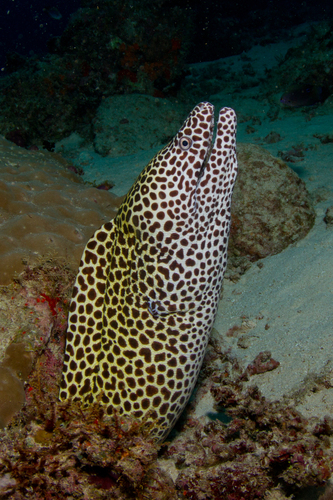
Honeycomb moray
Seen Sep 2025
at Nosy Tanikely
Least concern
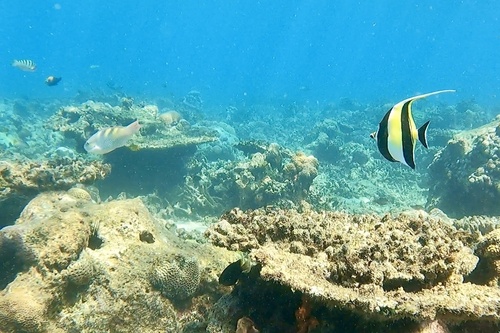
Moorish Idol
Seen Sep 2025
at Nosy Tanikely
Least concern
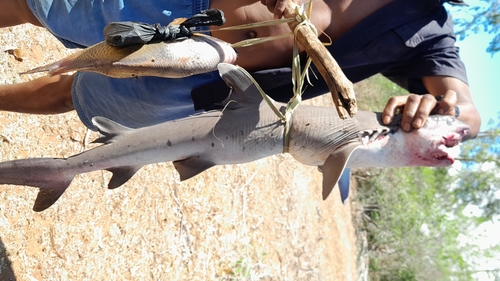
Whitetip Reef Shark
Seen Sep 2025
at Coral Garden
Vulnerable

White-Tailed Tropicbird
Seen Aug 2025
at Nosy Mitsio
Least concern

Bumphead Parrotfish
Seen year round
at Nosy Tanikely
Vulnerable
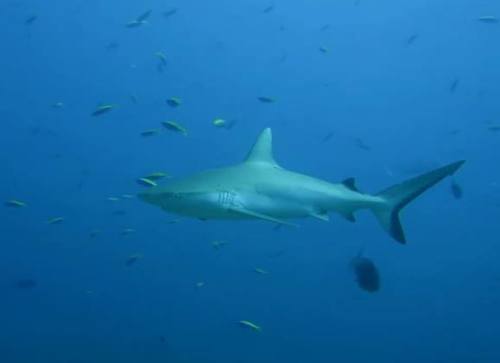
Grey Reef Shark
Seen year round
at Nosy Mitsio
Endangered
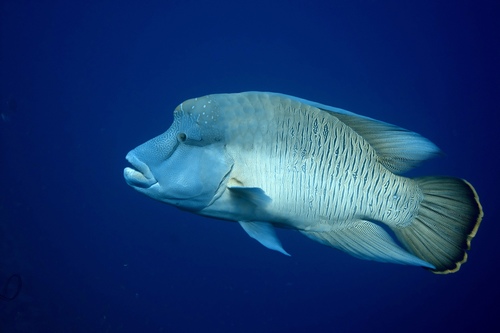
Humphead Wrasse
Seen year round
at Coral Garden
Endangered
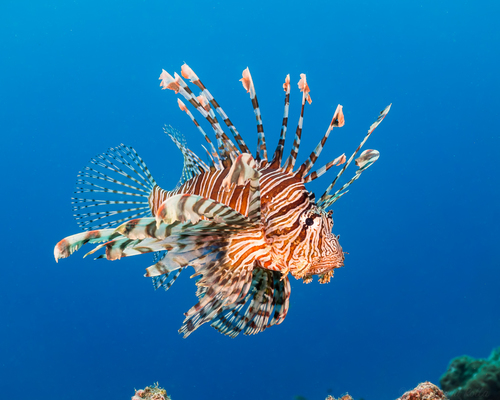
Lionfish
Seen year round
at Coral Garden
Least concern
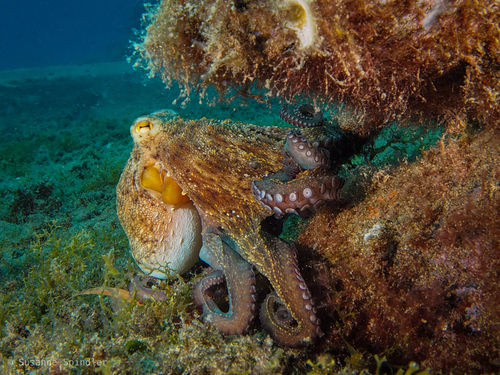
Octopus
Seen year round
at Nosy Tanikely
Least concern
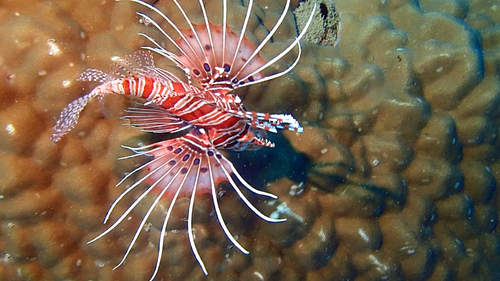
Scorpionfish
Seen year round
at Nosy Tanikely
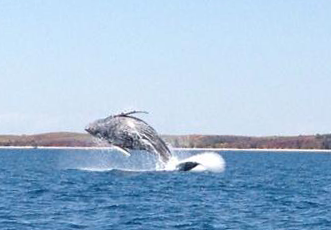
Humpback Whale
Seasonal visitor
at Nosy Mitsio
Least concern
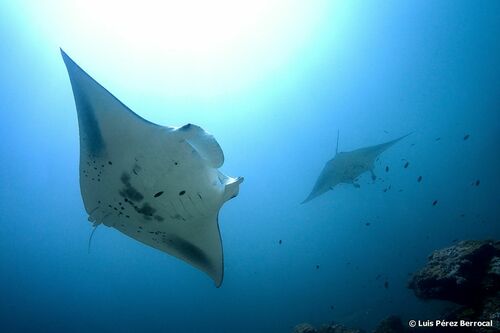
Manta Ray
Seasonal visitor
at Nosy Mitsio
Vulnerable
Dive sites
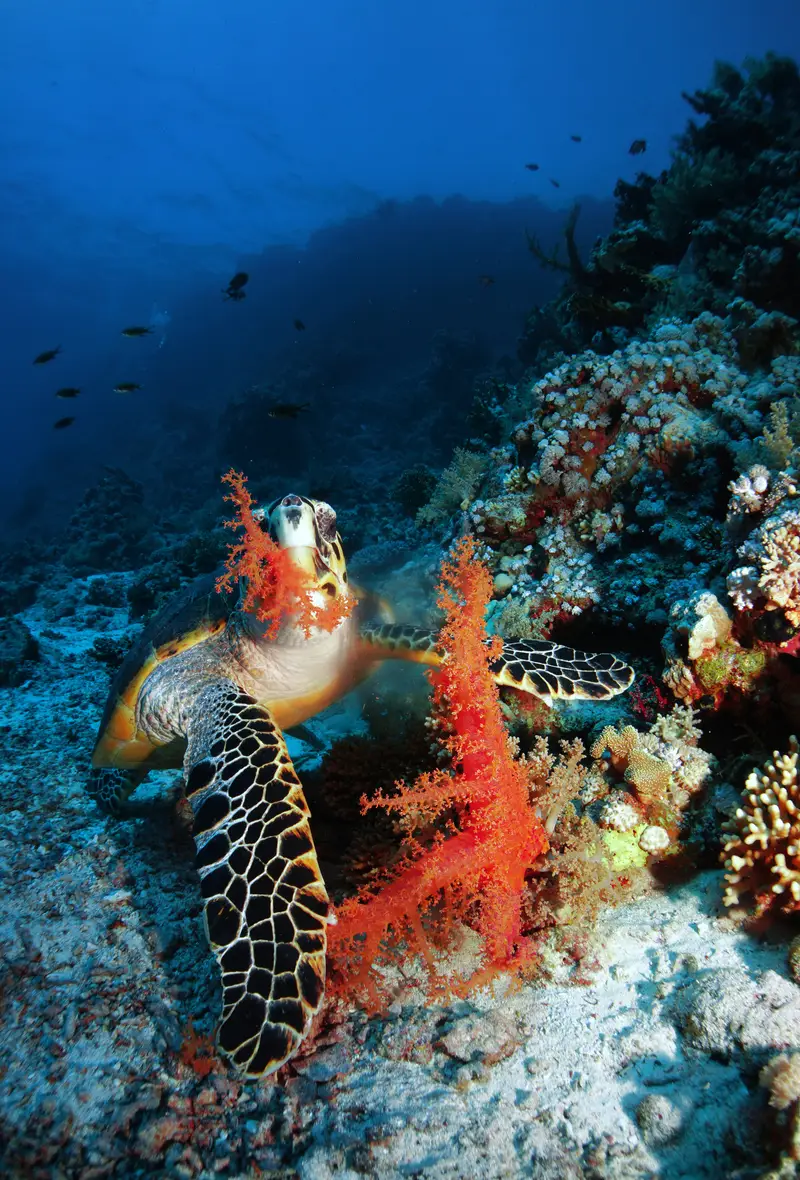
Nosy Tanikely
hawksbill turtle · honeycomb moray · octopus · scorpionfish
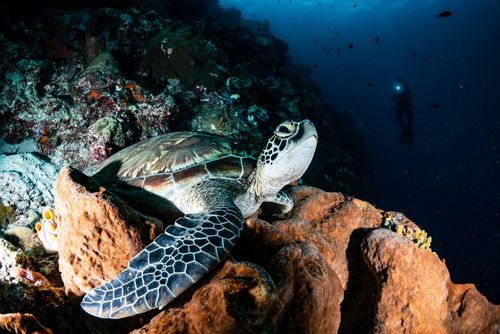
Nosy Tanikely
green sea turtle · bumphead parrotfish · hawksbill sea turtle · moorish idol
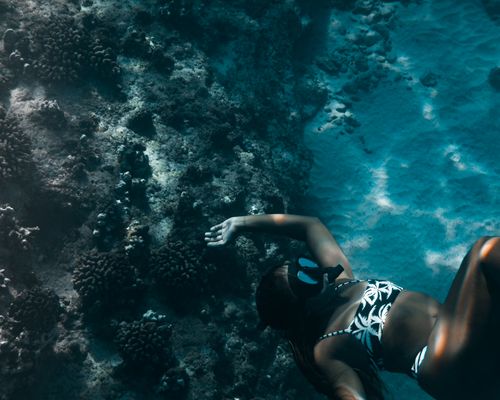
Coral Garden
whale shark · whitetip reef shark · humphead wrasse · lionfish
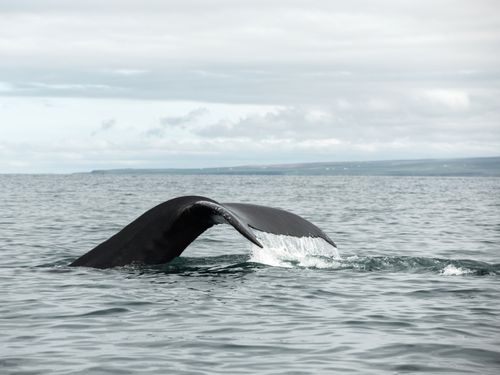
Nosy Mitsio
humpback whale · whale shark · grey reef shark · manta ray
What divers say
Whale sharks every day for a week, plus humpbacks on the boat ride. Madagascar punches above its weight.
Good to know
Cyclones
January–March cyclone risk; many ops close.