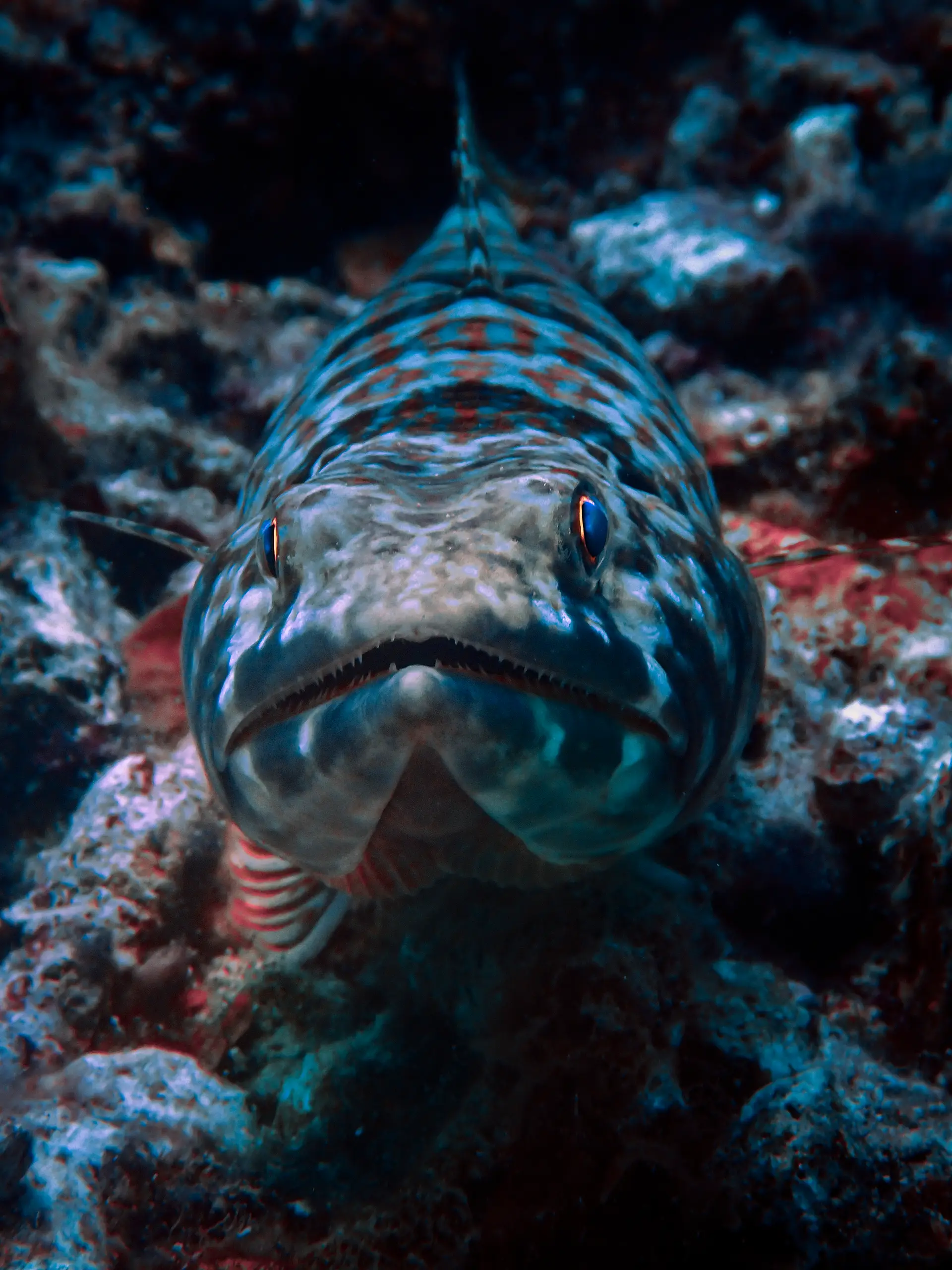
Westpunt
Curaçao · Caribbean
Westpunt on Curaçao's western tip is the island's best diving — long walls, healthy coral, quiet shore diving access, and the Mushroom Forest. Less developed than Bonaire but with a similar shore dive culture emerging.
How this reef is doing
ⓘ How we measure thisReef state
Caribbean wall diving with consistent shore access. Cover has thinned but mid depth walls hold reasonably.
Coral cover
Fish life
Heat
Warmer than usual right now, but not hot enough to bleach.
Fishing
Protected on paper, but boats are still busy nearby.
Sources · AGRRA and GCRMN reef surveys · NOAA Coral Reef Watch · Global Fishing Watch and reef gravity
Coral cover over time
Live coral cover, by survey year
Across surveys in 2014 and 2024, live coral cover here has fallen from 33% to 22%. Every point is a real survey reading, never a projection.
Live coral cover, percent by year
| Year | Coral cover |
|---|---|
| 2014 | 33% |
| 2024 | 22% |
What you will see
23 species across the dive sites here
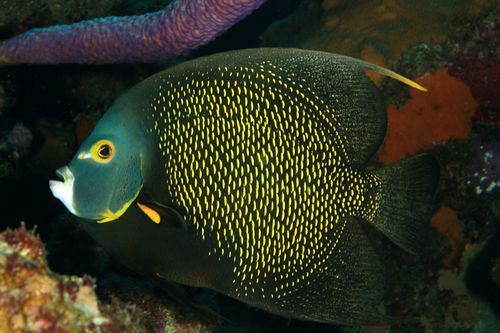
French angelfish
Seen 3 months ago
at Mushroom Forest
Least concern
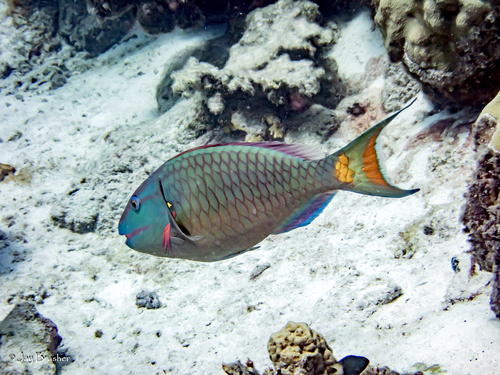
Stoplight parrotfish
Seen 3 months ago
at Tugboat (Tugboat Beach)
Least concern
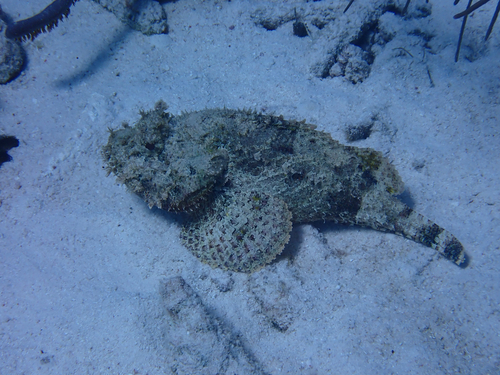
Spotted scorpionfish
Seen 3 months ago
at Tugboat (Tugboat Beach)
Least concern
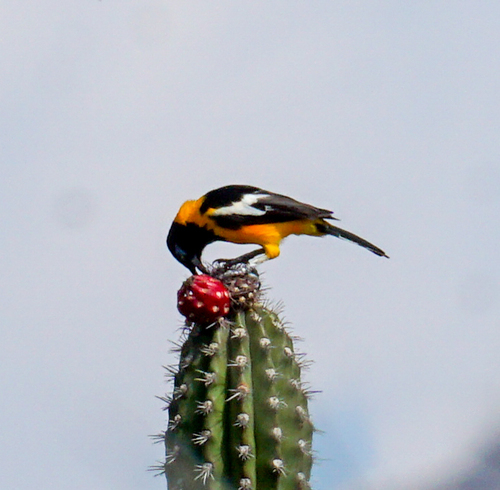
Venezuelan Troupial
Seen 3 months ago
at Mushroom Forest
Least concern
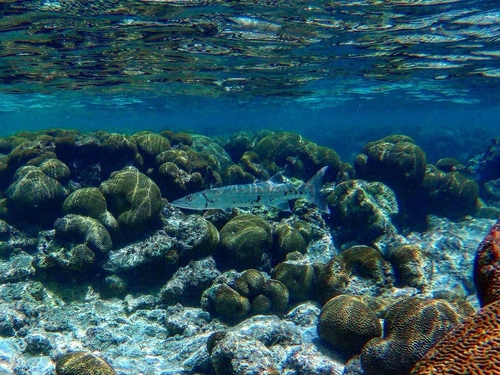
Great barracuda
Seen 4 months ago
at Superior Producer
Least concern
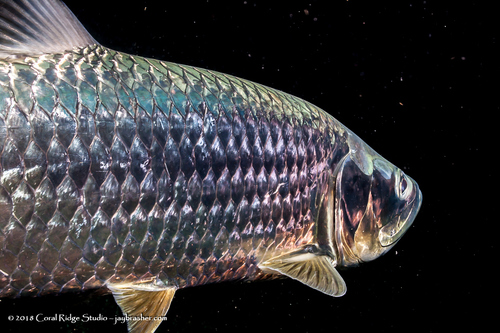
Tarpon
Seen 4 months ago
at Superior Producer
Vulnerable
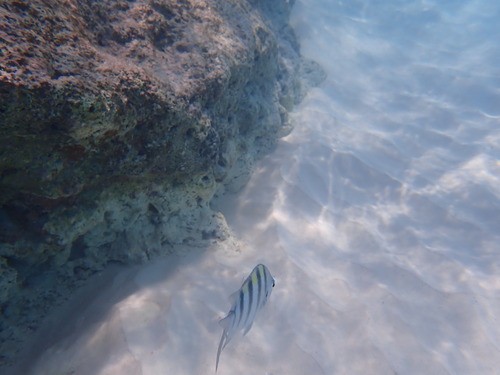
Sergeant major
Seen 4 months ago
at Tugboat (Tugboat Beach)
Least concern
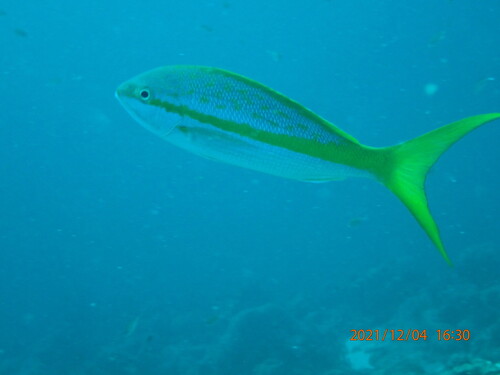
Yellowtail snapper
Seen 4 months ago
at Tugboat (Tugboat Beach)
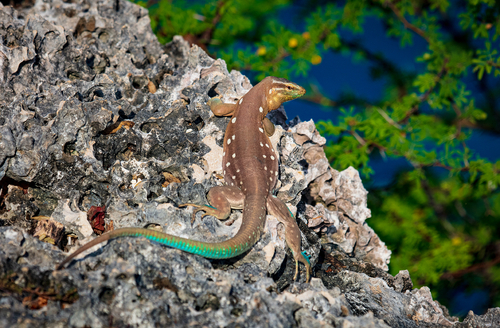
Laurent'S Whiptail
Seen 4 months ago
at Mushroom Forest
Least concern
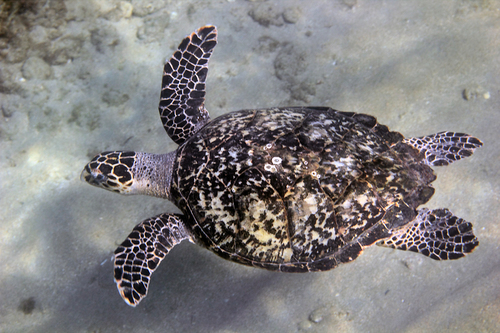
Hawksbill turtle
Seen 4 months ago
at Watamula
Critically endangered
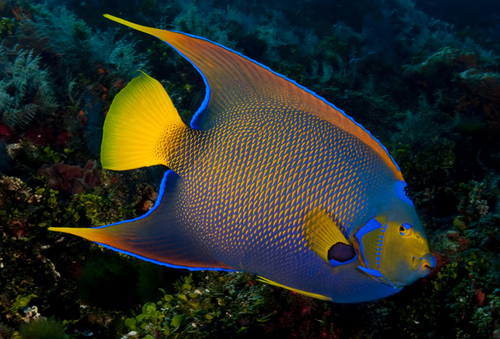
Queen angelfish
Seen 4 months ago
at Mushroom Forest
Least concern
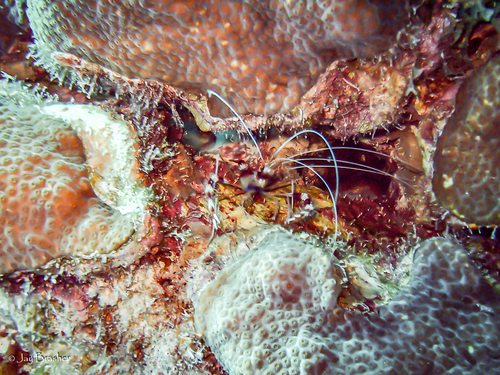
Banded coral shrimp
Seen 5 months ago
at Superior Producer
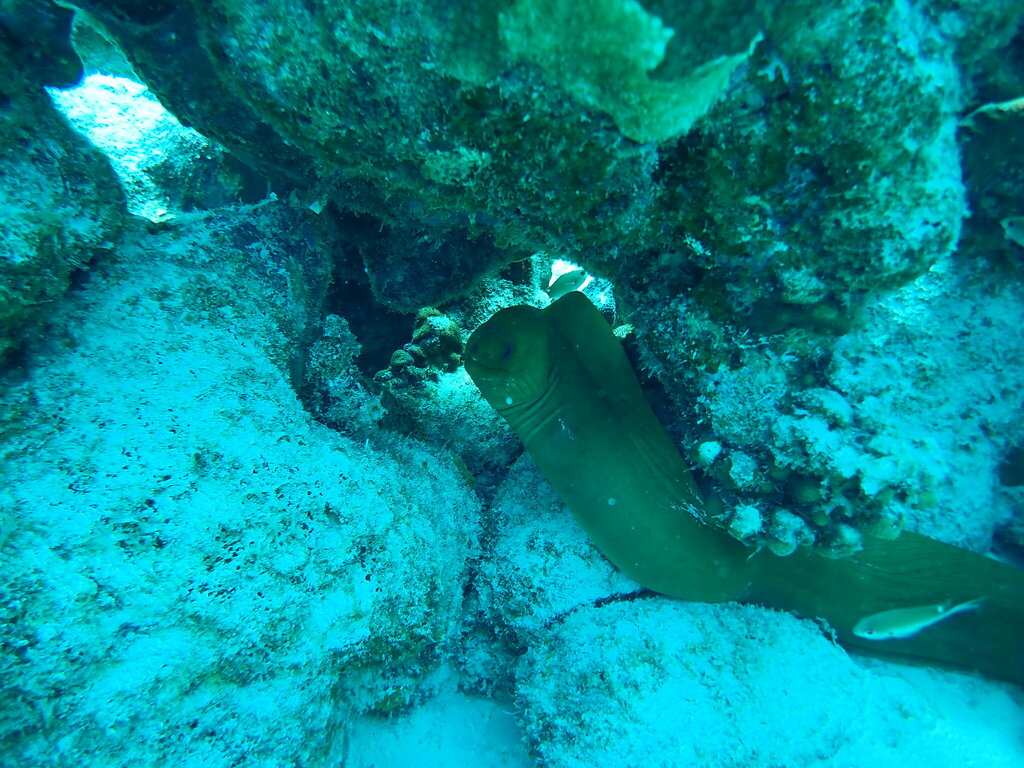
Green moray
Seen 5 months ago
at Superior Producer
Least concern
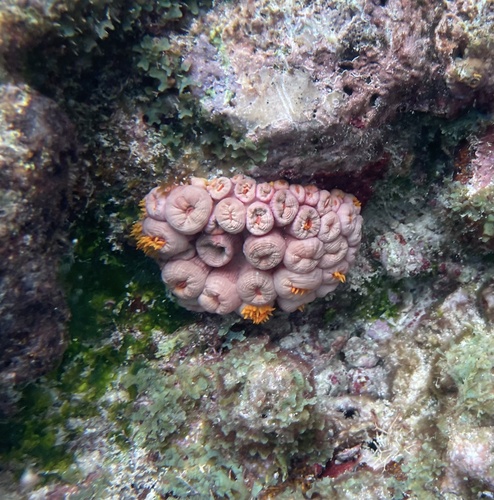
Orange cup coral
Seen 5 months ago
at Superior Producer
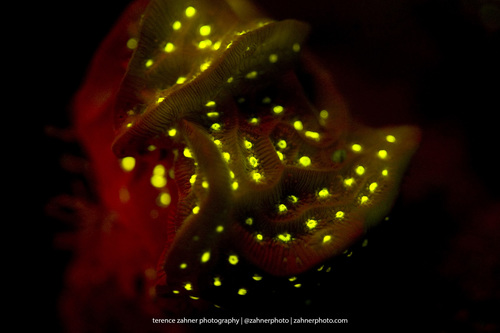
Lettuce Coral
Seen 5 months ago
at Mushroom Forest
Vulnerable
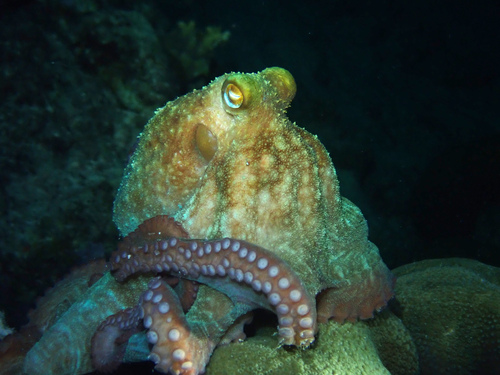
Caribbean reef octopus
Seen 5 months ago
at Tugboat (Tugboat Beach)
Least concern
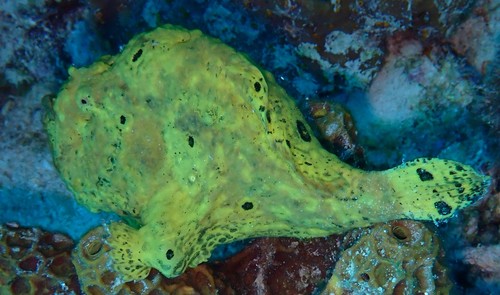
Longlure frogfish
Seen 5 months ago
at Superior Producer
Least concern
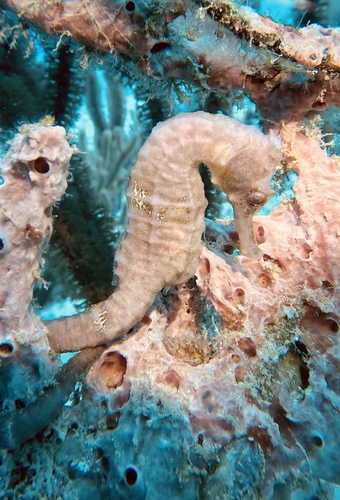
Longsnout seahorse
Seen 6 months ago
at Tugboat (Tugboat Beach)
Near threatened
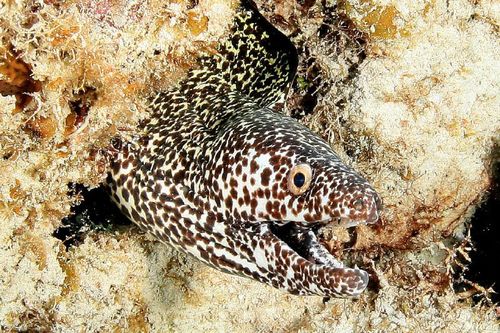
Spotted moray
Seen 7 months ago
at Mushroom Forest
Least concern
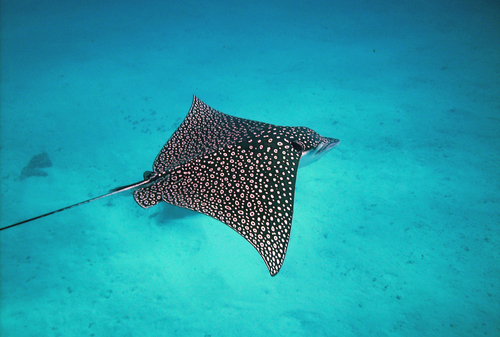
Spotted eagle ray
Seen 11 months ago
at Watamula
Endangered
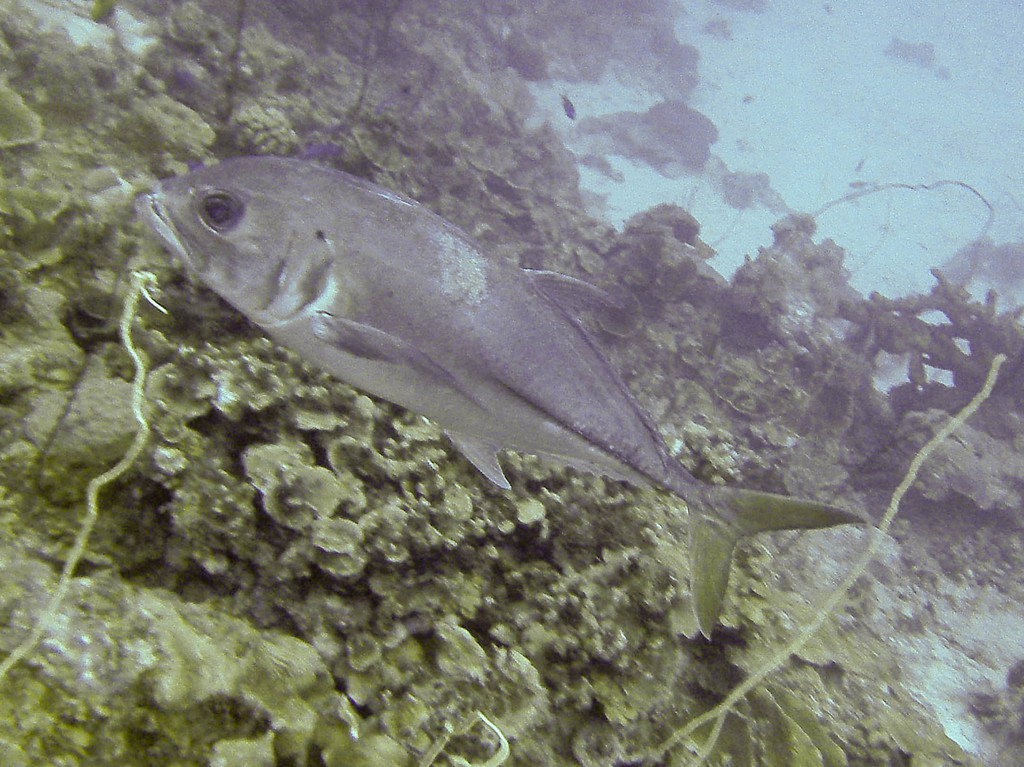
Horse-eye jack
Seen Aug 2025
at Superior Producer
Least concern
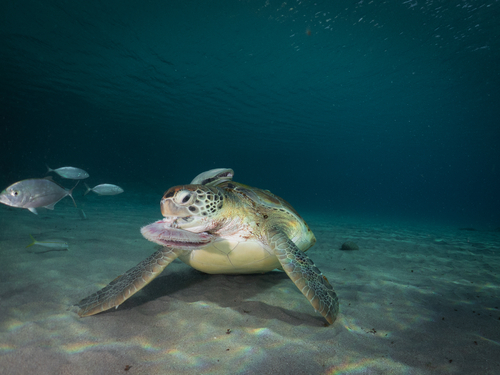
Sea turtle
Seasonal visitor
at Mushroom Forest
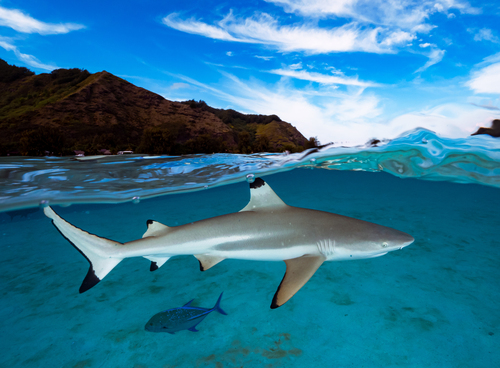
Reef shark
Rare sighting
at Watamula
Vulnerable
Dive sites
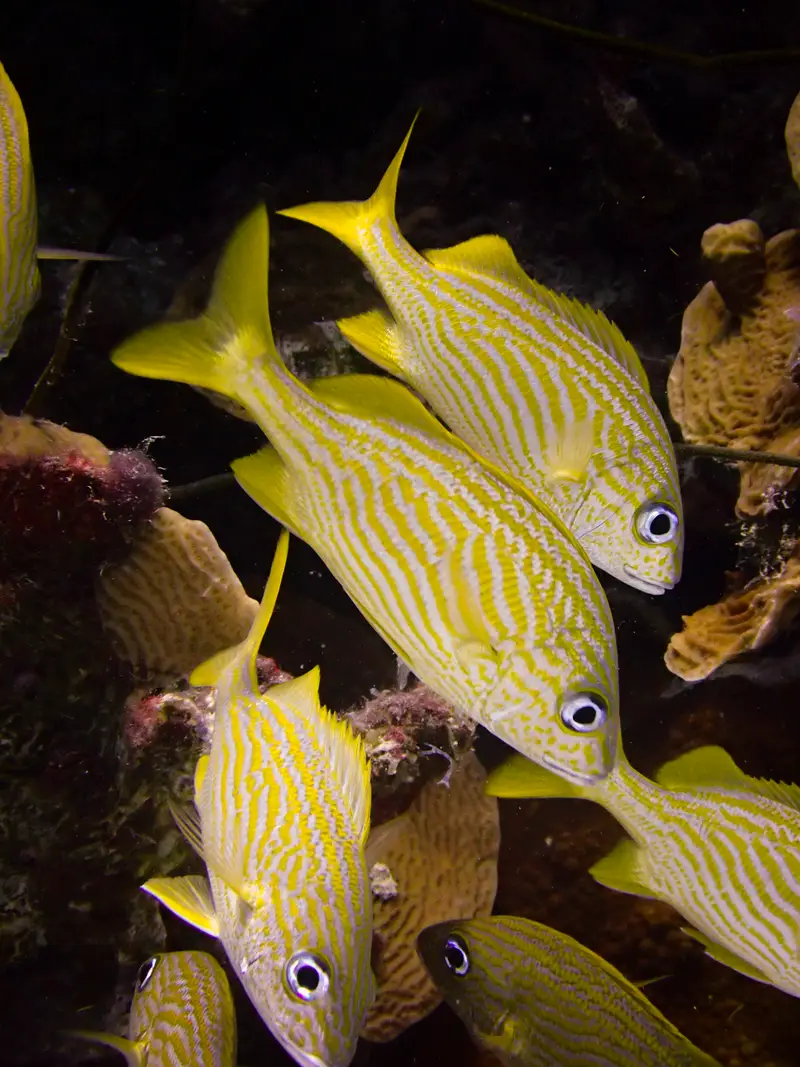
Mushroom Forest
queen angelfish · french angelfish · spotted moray · sea turtle
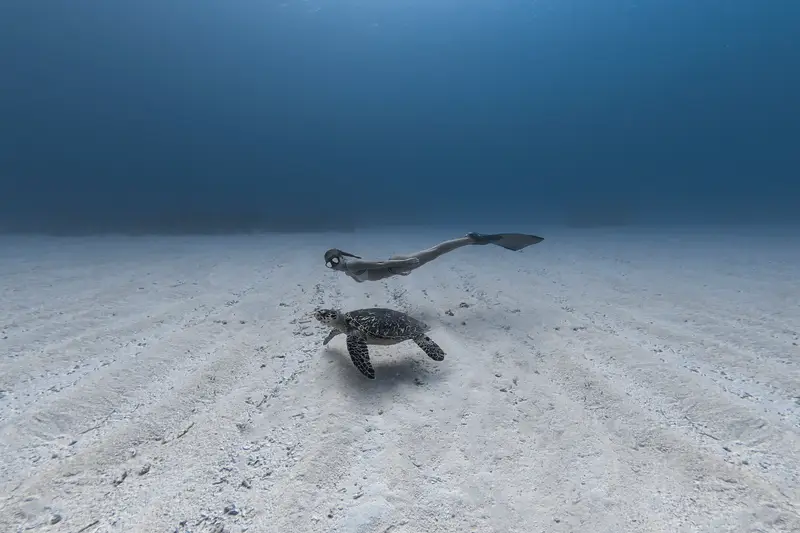
Watamula
hawksbill turtle · spotted eagle ray · tarpon · reef shark
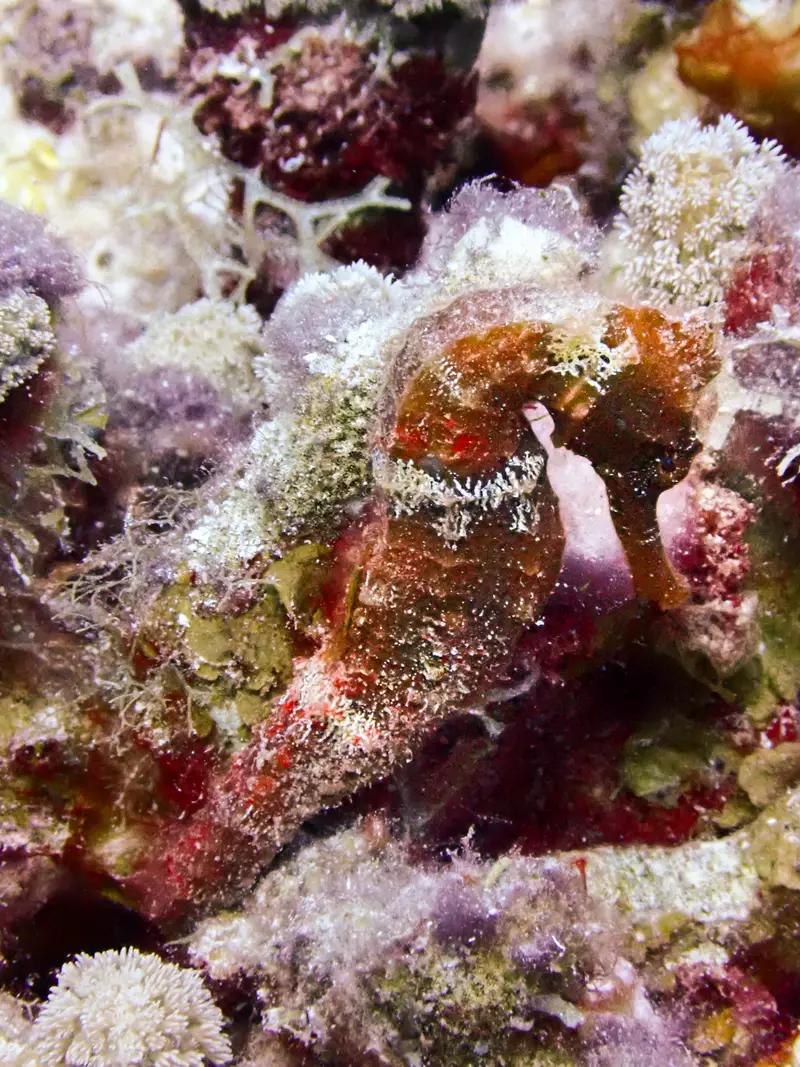
Tugboat (Tugboat Beach)
sergeant major · stoplight parrotfish · yellowtail snapper · longsnout seahorse
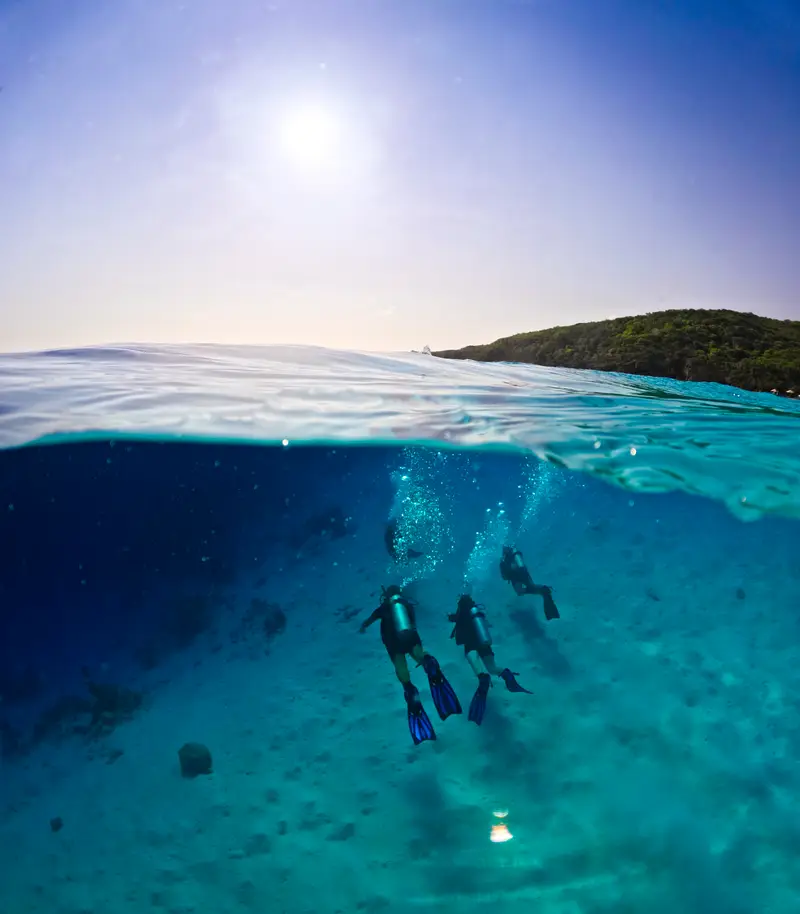
Superior Producer
tarpon · great barracuda · orange cup coral · horse-eye jack
What divers say
Curaçao west end is what Bonaire was 15 years ago — quieter and just as good.
Good to know
Rental car
Essential for shore diving the west end.