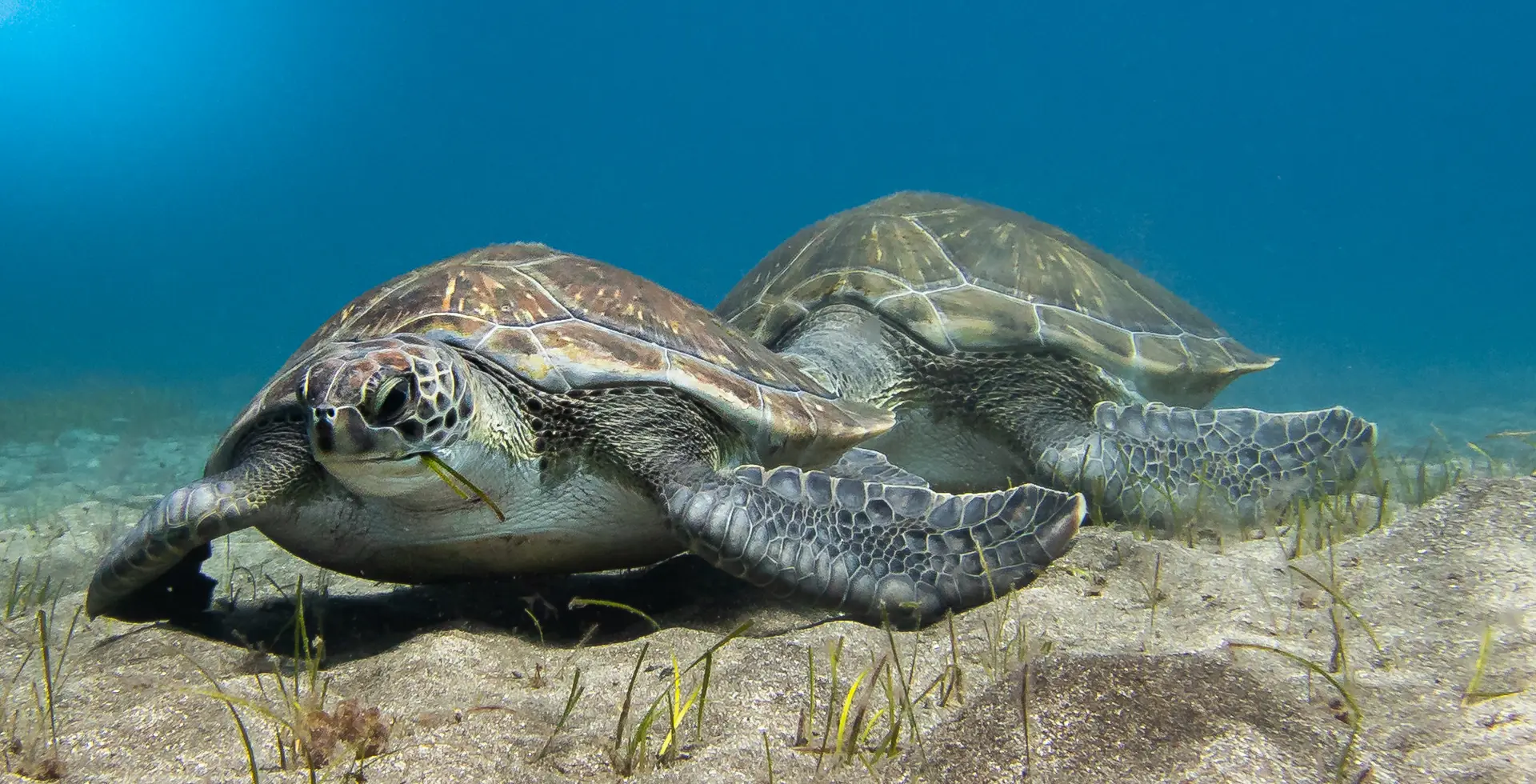
Arraial do Cabo
Brazil · Southeast Brazil
Arraial do Cabo on Brazil's Rio coast sits where cold upwelling current meets the tropical Atlantic — a strange biogeographic boundary with unexpected biodiversity, schools of jacks, and the country's most accessible diving from a major city.
How this reef is doing
ⓘ How we measure thisReef state
Cold water upwelling drives extraordinary visibility seasonally. Subtropical fauna; not a tropical reef ecosystem.
Coral cover
Fish life
Heat
No unusual heat right now.
Fishing
Protected on paper, but boats are still busy nearby.
Sources · Reef Life Survey · NOAA Coral Reef Watch · Global Fishing Watch and reef gravity
Coral cover over time
Live coral cover, by survey year
Across surveys in 2014 and 2024, live coral cover here has held steady at about 30%. Every point is a real survey reading, never a projection.
Live coral cover, percent by year
| Year | Coral cover |
|---|---|
| 2014 | 30% |
| 2024 | 30% |
What you will see
24 species across the dive sites here
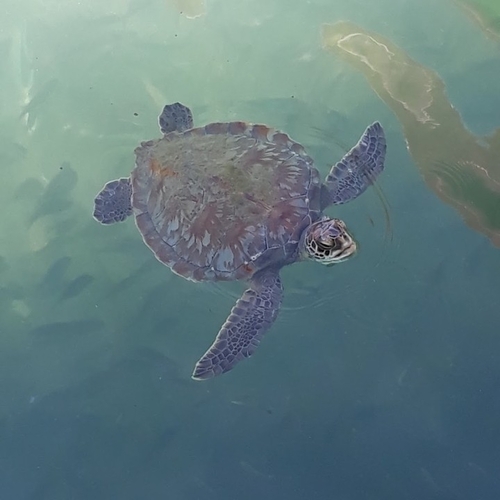
Green sea turtle
Seen 3 months ago
at Pedra Vermelha
Least concern
Sea Turtle (Green)
Seen 3 months ago
at Gruta Azul
Least concern
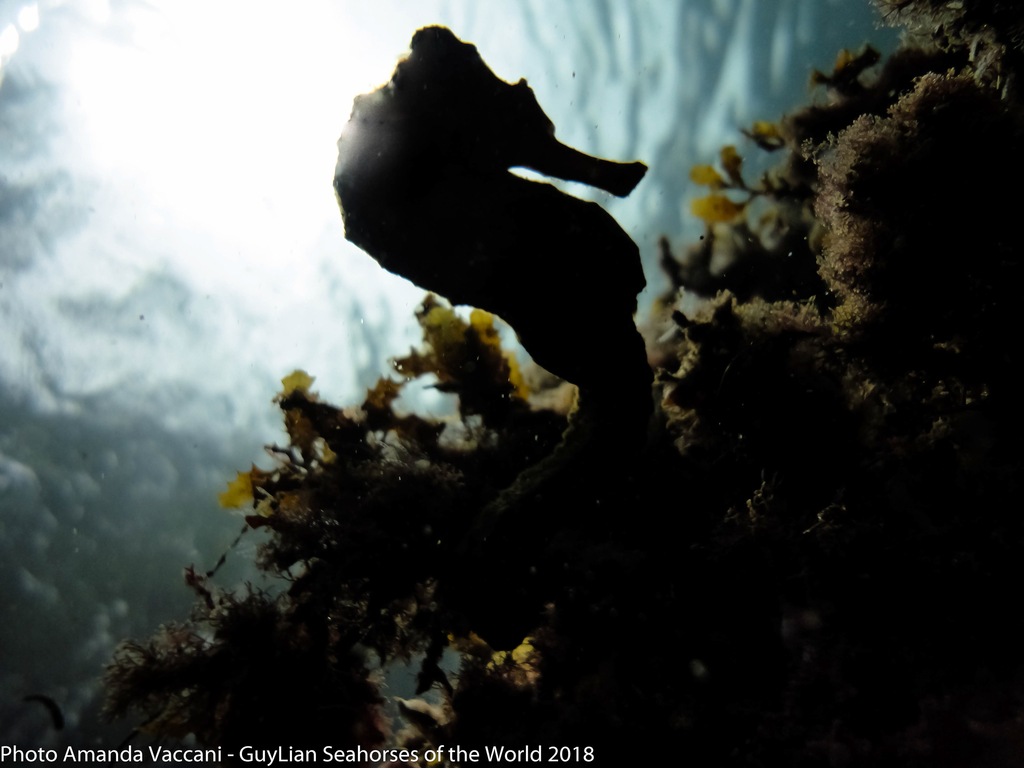
Longsnout seahorse
Seen 4 months ago
at Pedra Vermelha
Near threatened
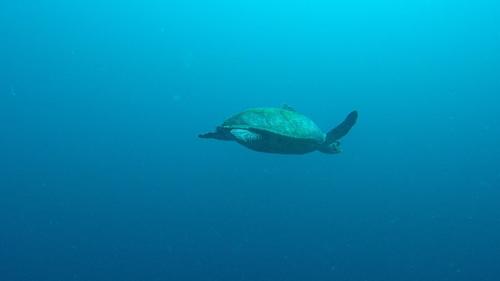
Hawksbill turtle
Seen 5 months ago
at Pedra Vermelha
Critically endangered
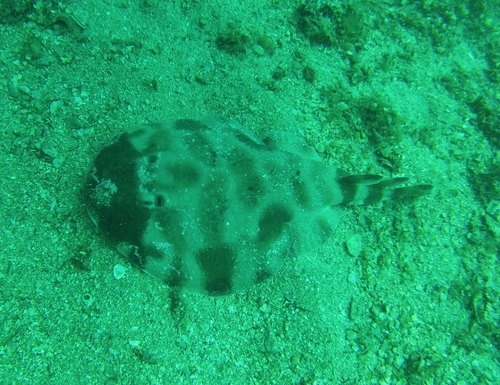
Electric ray
Seen 5 months ago
at Pedra Vermelha
Near threatened
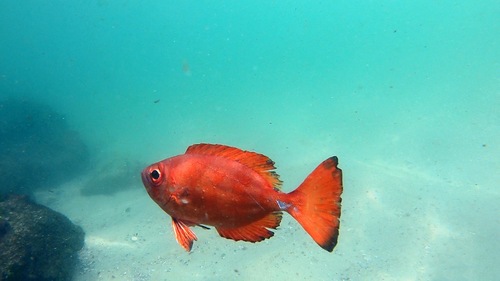
Atlantic bigeye
Seen 5 months ago
at Saco do Cardeiro
Least concern
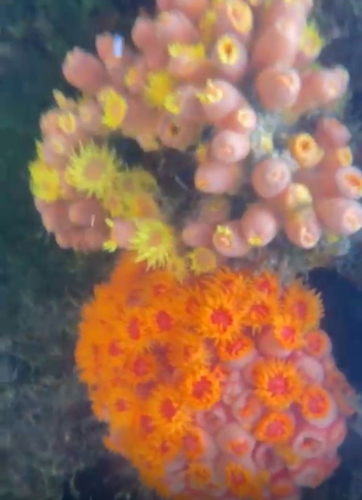
Orange Cup Coral
Seen 7 months ago
at Ilha do Farol North Wall
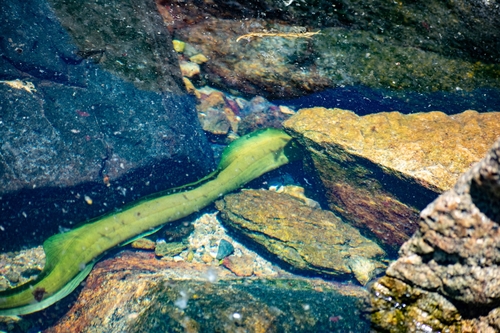
Brazilian moray
Seen 7 months ago
at Pedra Vermelha
Least concern
Green Moray Eel
Seen 7 months ago
at Gruta Azul
Least concern
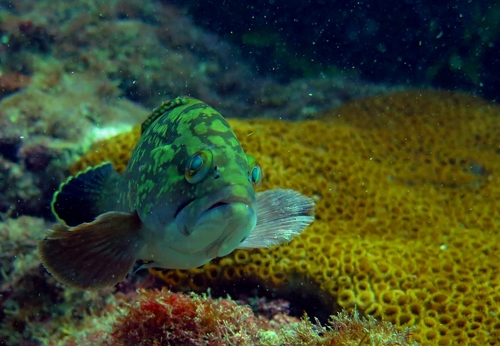
Dusky Grouper
Seen 8 months ago
at Ilha do Farol North Wall
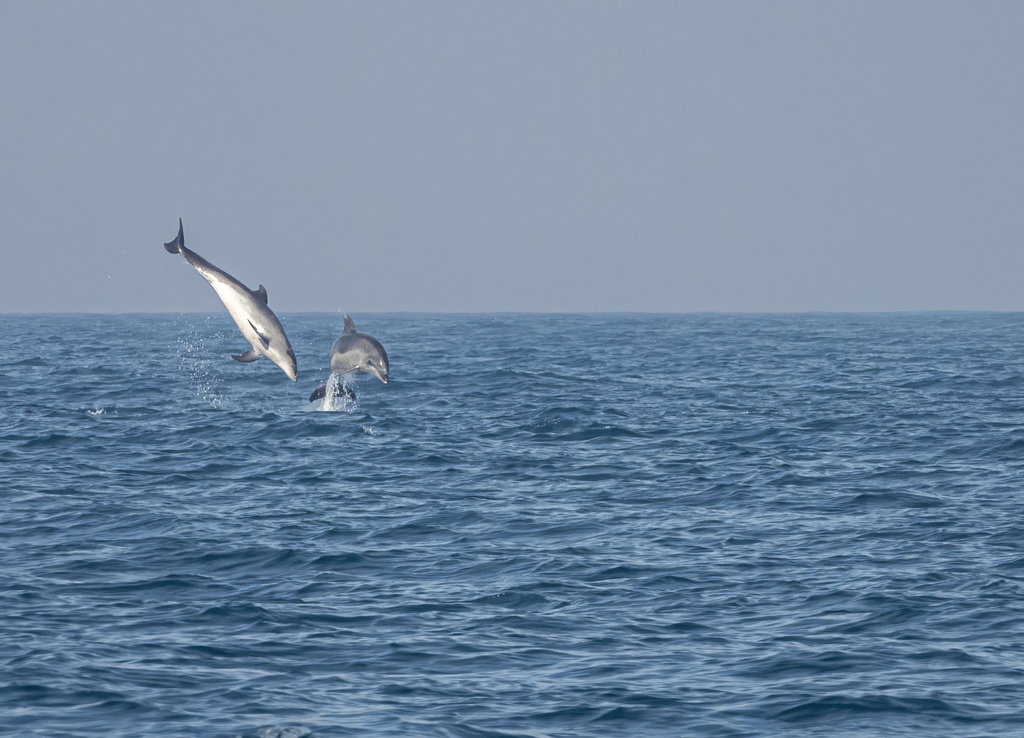
Bottlenose dolphin
Seen Jul 2025
at Saco do Cardeiro
Least concern
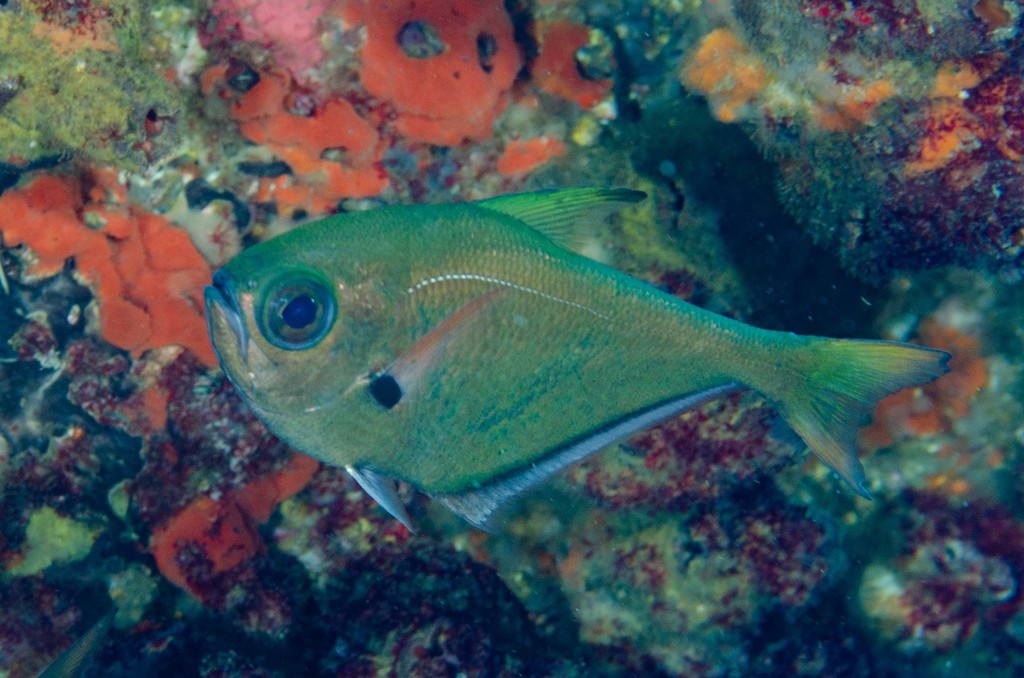
Bronze Sweeper
Seen year round
at Gruta Azul

Encrusting Sponge Garden (mixed violet/yellow sponges)
Seen year round
at Ilha do Farol North Wall
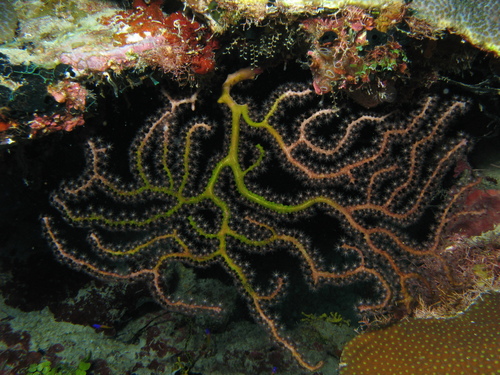
Gorgonian Sea Fan
Seen year round
at Ilha do Farol North Wall
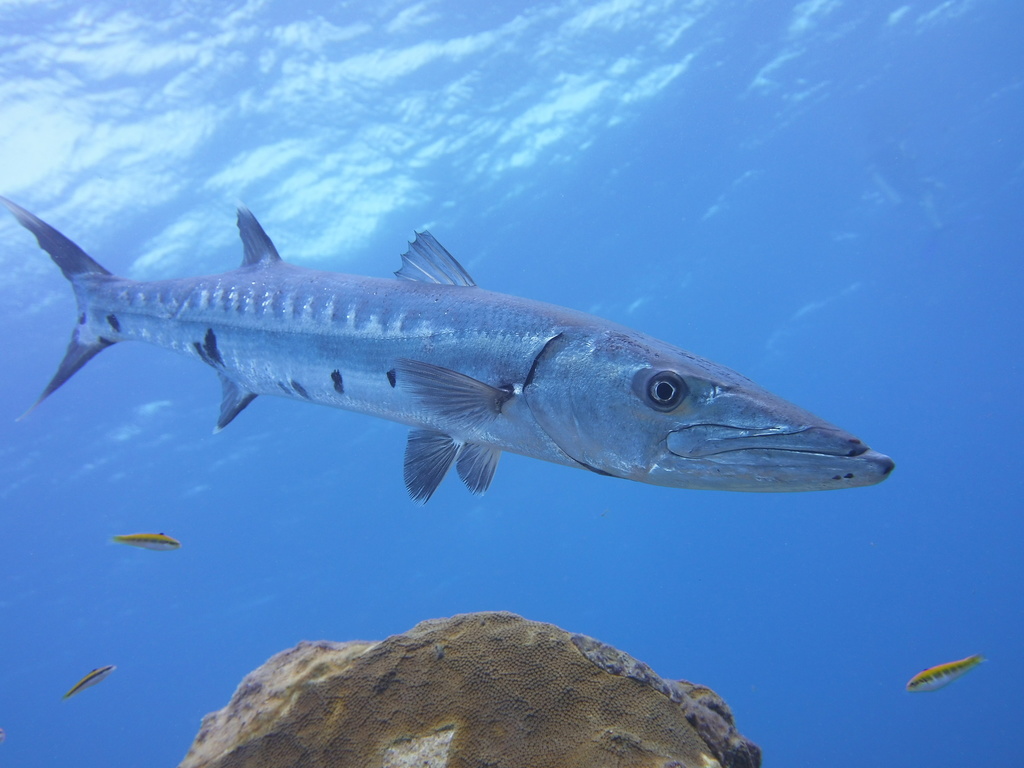
Great barracuda
Seen year round
at Saco do Cardeiro
Least concern
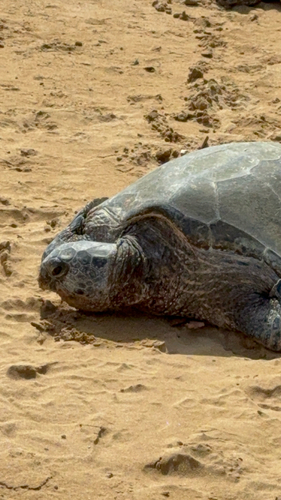
Sea Turtle (Green & Hawksbill)
Seen year round
at Ilha do Farol North Wall
Least concern
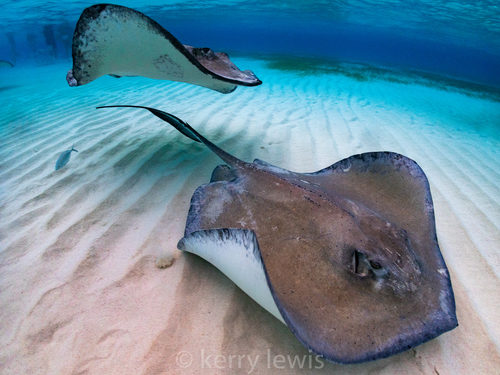
Southern stingray
Seen year round
at Pedra Vermelha
Near threatened
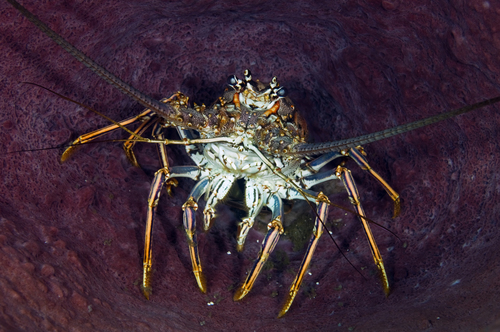
Spiny Lobster
Seen year round
at Gruta Azul
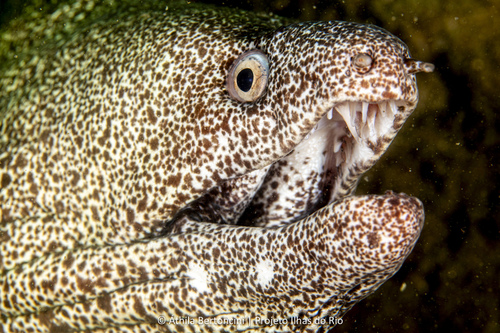
Spotted moray
Seen year round
at Saco do Cardeiro
Least concern
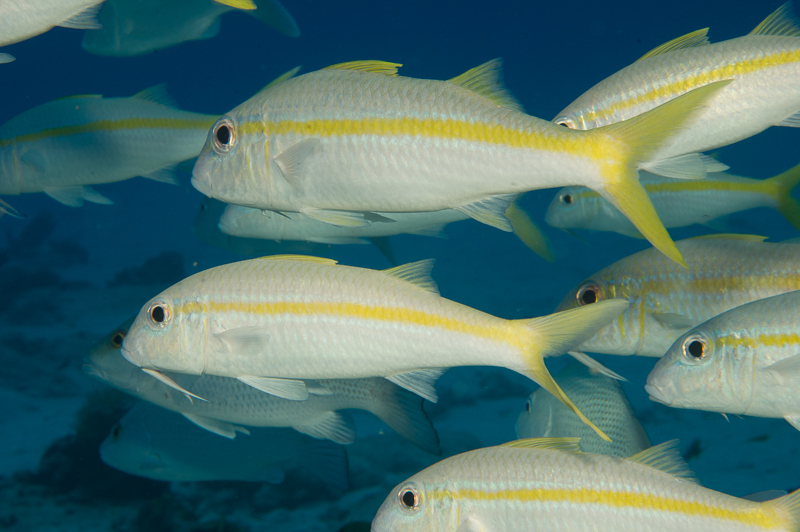
Yellow Goatfish
Seen year round
at Gruta Azul
Least concern
Yellow goatfish and parrotfish schools
Seen year round
at Pedra Vermelha
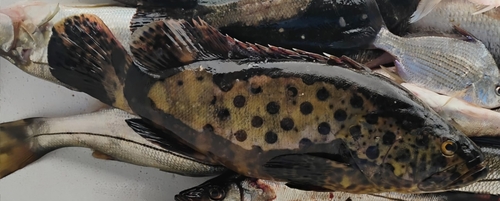
Atlantic Goliath Grouper (juvenile)
Seasonal visitor
at Ilha do Farol North Wall
Vulnerable
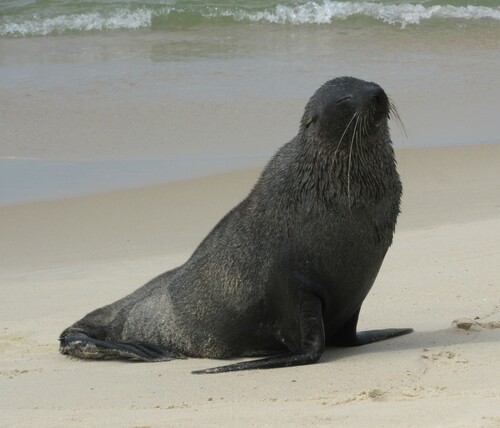
South American Fur Seal
Seasonal visitor
at Ilha do Farol North Wall
Least concern
Atlantic goliath grouper
Rare sighting
at Pedra Vermelha
Vulnerable
Dive sites
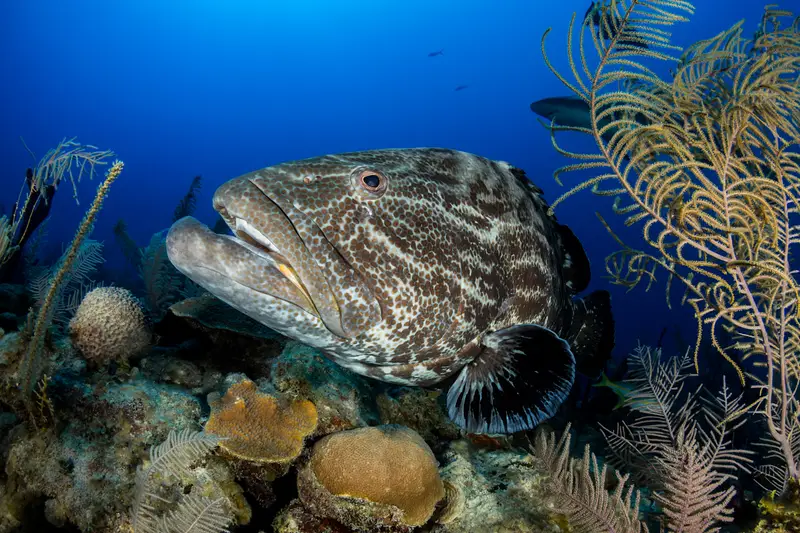
Pedra Vermelha
green sea turtle · hawksbill turtle · southern stingray · brazilian moray
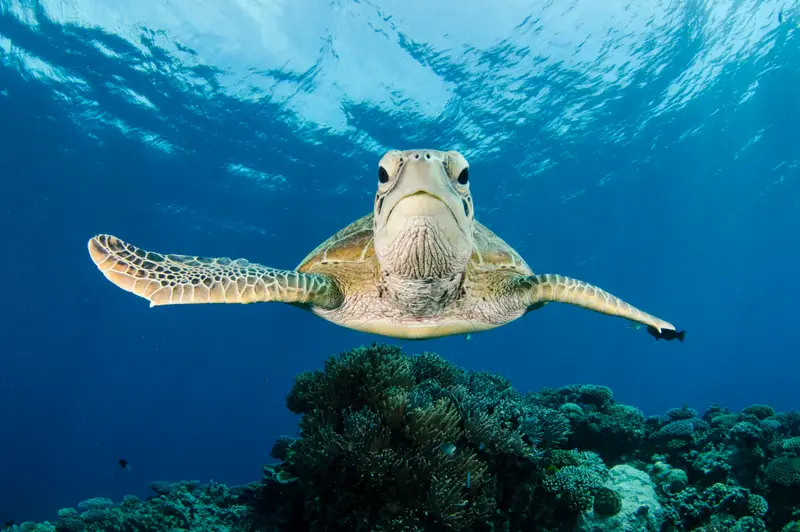
Saco do Cardeiro
atlantic bigeye · longsnout seahorse · great barracuda · green sea turtle
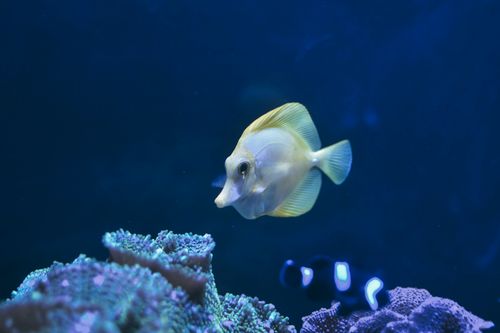
Gruta Azul
spiny lobster · green moray eel · bronze sweeper · sea turtle (green)
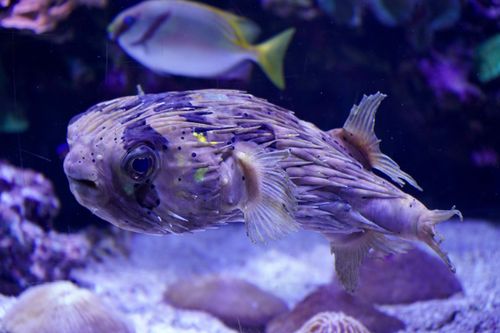
Ilha do Farol North Wall
sea turtle (green & hawksbill) · dusky grouper · atlantic goliath grouper (juvenile) · south american fur seal
What divers say
Cold-water upwellings 2h from Rio give you fish you wouldn't expect at that latitude.
Good to know
Water temp swings
Can drop from 25°C to 16°C with upwelling. Bring a 5mm.