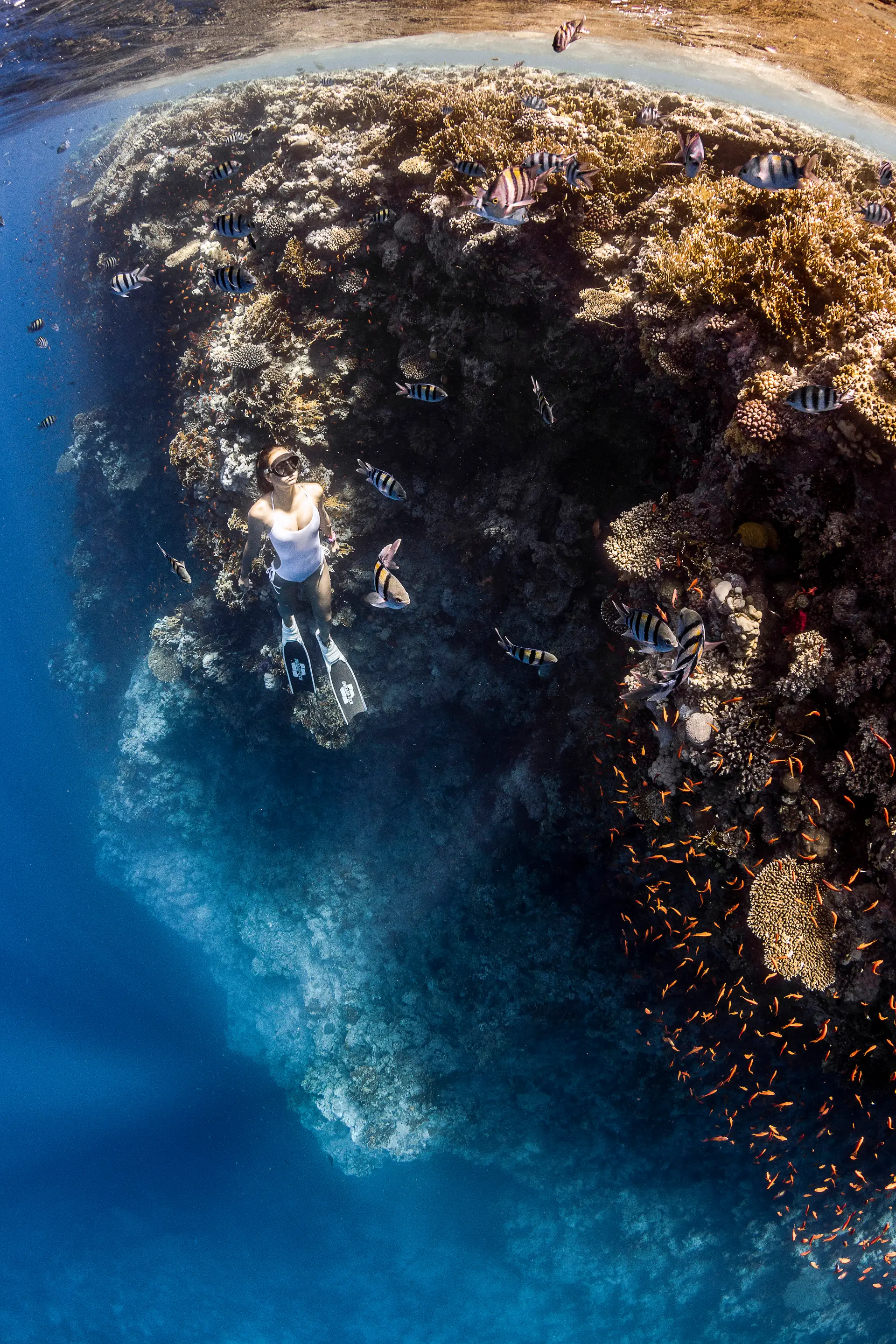
Brothers Islands
Egypt · Red Sea
Two tiny rocks 60km offshore in the Egyptian Red Sea, the Brothers are two seamounts wrapped in soft coral and patrolled by oceanic whitetips, threshers, hammerheads, and the occasional silky. Liveaboard-only.
How this reef is doing
ⓘ How we measure thisReef state
Strong currents and offshore pelagics. Coral cover on the walls is among the best in the Red Sea.
Coral cover
Fish life
Heat
No unusual heat right now.
Fishing
Quiet water, and the protection is actively patrolled.
Sources · GCRMN reef surveys · NOAA Coral Reef Watch · Global Fishing Watch and reef gravity
Coral cover over time
Live coral cover, by survey year
Across surveys in 2014 and 2024, live coral cover here has risen from 41% to 42%. Every point is a real survey reading, never a projection.
Live coral cover, percent by year
| Year | Coral cover |
|---|---|
| 2014 | 41% |
| 2024 | 42% |
What you will see
42 species across the dive sites here
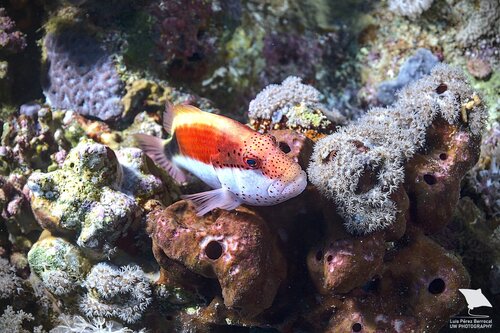
Freckled Hawkfish
Seen 3 months ago
at Marsa Alam
Least concern
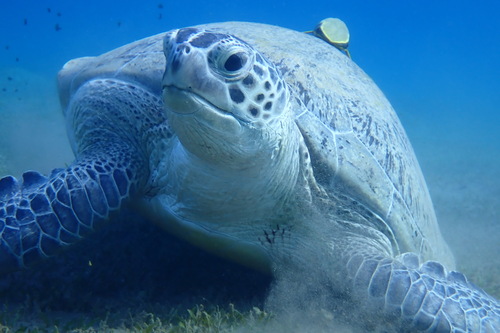
Green sea turtle
Seen 3 months ago
at Marsa Alam
Least concern
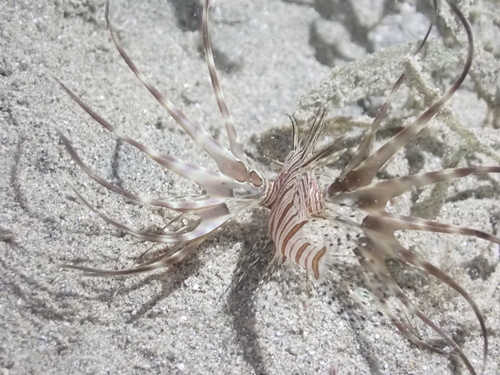
Indian Lionfish
Seen 3 months ago
at Marsa Alam
Least concern
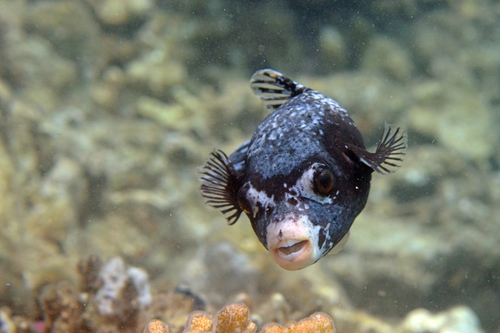
Masked Puffer
Seen 3 months ago
at Marsa Alam
Least concern
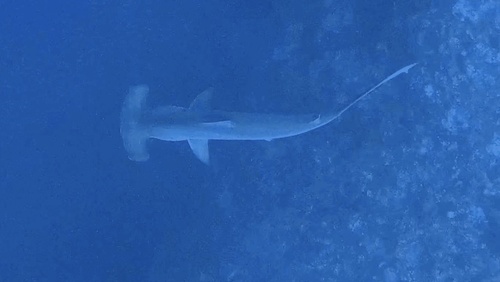
Scalloped hammerhead
Seen 3 months ago
at Elphinstone Reef
Critically endangered
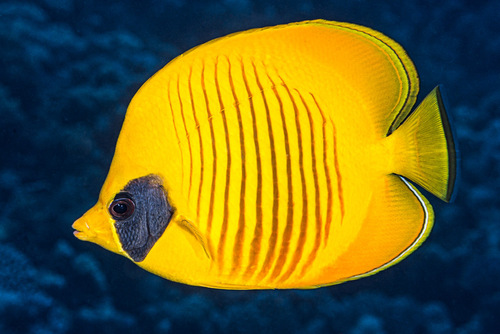
Bluecheek butterflyfish
Seen 4 months ago
at Abu Dabbab
Least concern
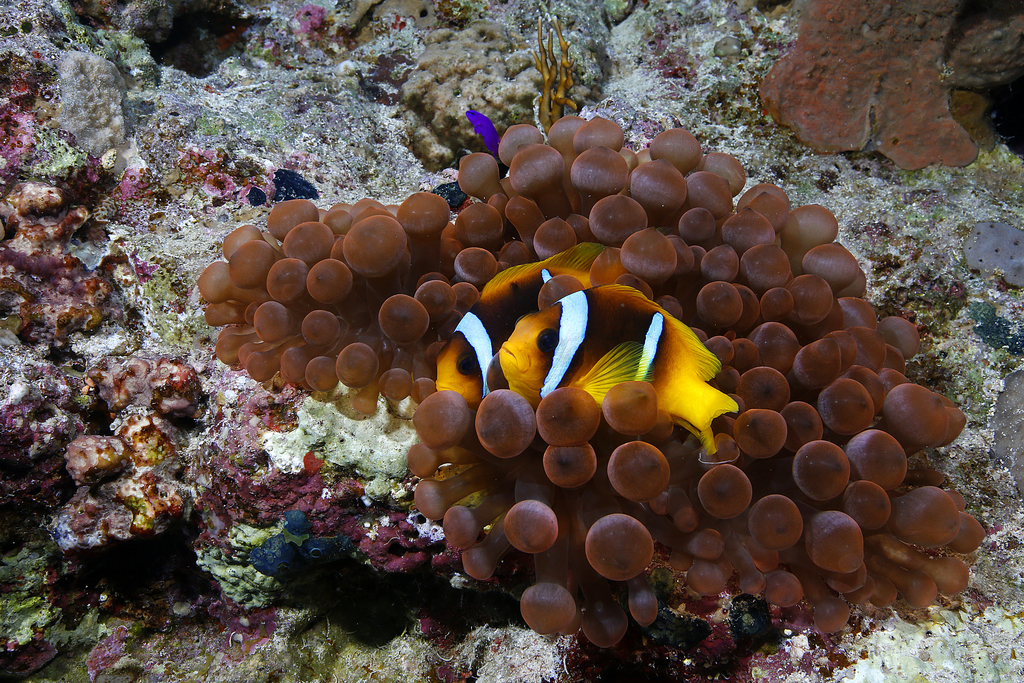
Red Sea Anemonefish
Seen 4 months ago
at Marsa Alam
Least concern
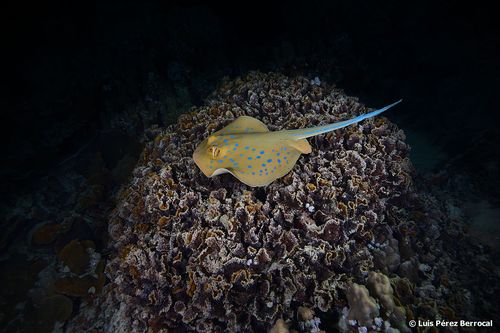
Bluespotted Fantail Ray
Seen 4 months ago
at Marsa Alam
Least concern
Bluespotted ribbontail ray
Seen 4 months ago
at Abu Dabbab
Least concern
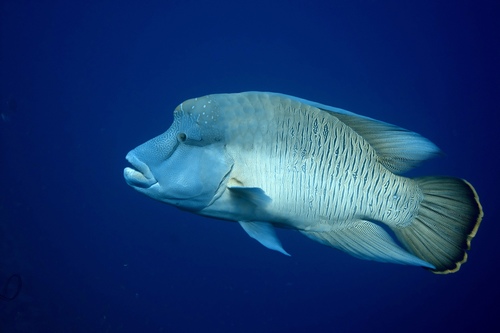
Napoleon Wrasse
Seen 4 months ago
at Sha'ab Sataya (Dolphin House Fury Shoals)
Endangered
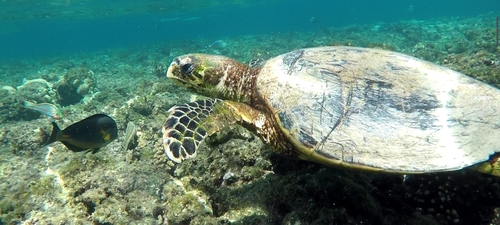
Hawksbill turtle
Seen 4 months ago
at Sha'ab Sataya (Dolphin House Fury Shoals)
Critically endangered
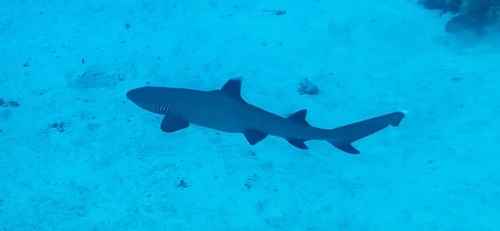
Whitetip reef shark
Seen 4 months ago
at Sha'ab Sataya (Dolphin House Fury Shoals)
Vulnerable
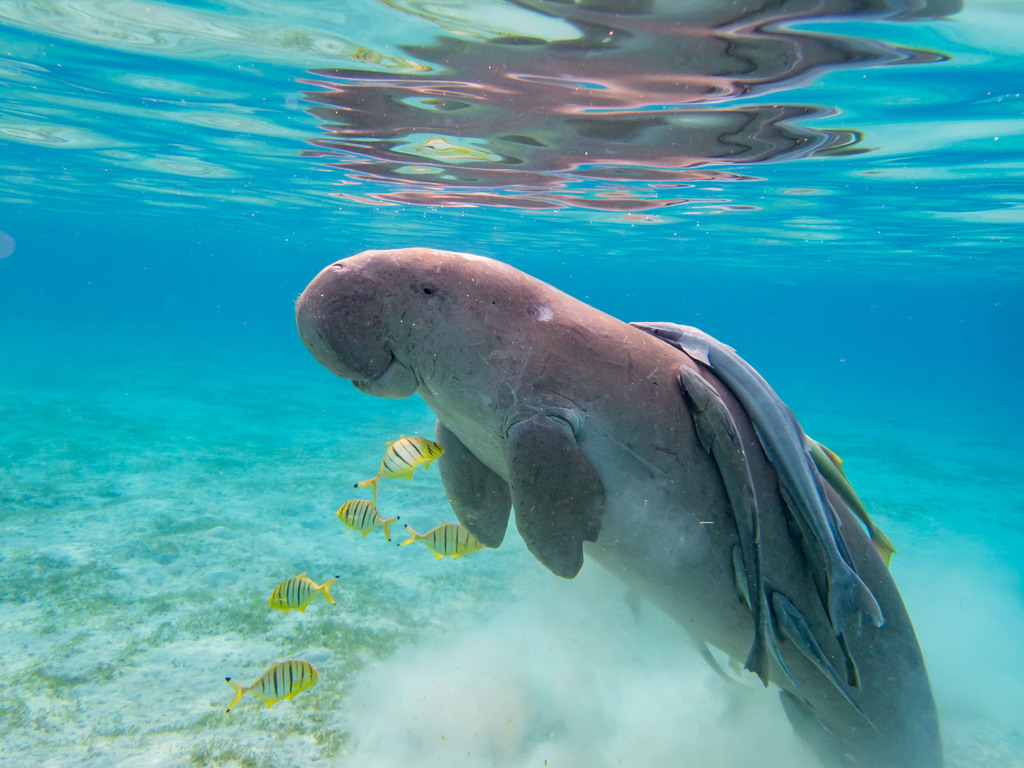
Dugong
Seen 4 months ago
at Abu Dabbab
Vulnerable
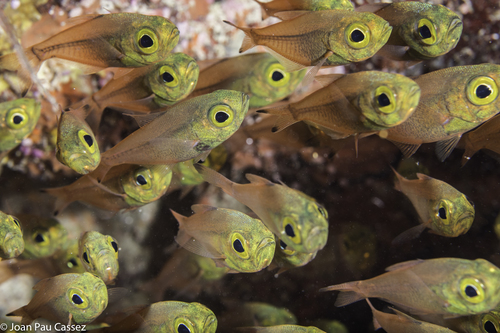
Glassfish (golden sweeper)
Seen 4 months ago
at Numidia Wreck
Least concern
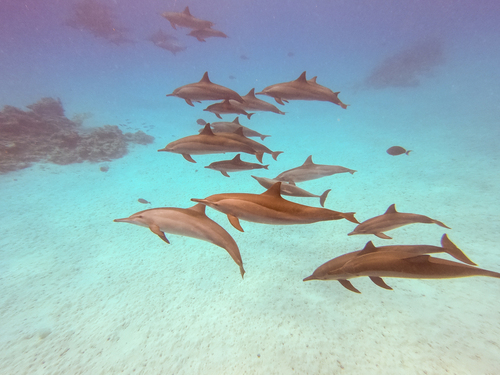
Spinner dolphin
Seen 4 months ago
at Sha'ab Samadai (Dolphin House)
Least concern
Masked Butterflyfish
Seen 5 months ago
at Marsa Alam
Least concern
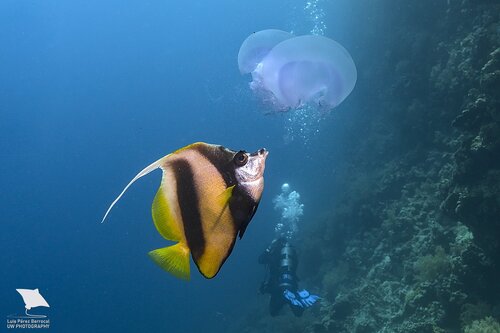
Red Sea Bannerfish
Seen 5 months ago
at Marsa Alam
Least concern
Humphead wrasse
Seen 6 months ago
at Daedalus Reef
Endangered
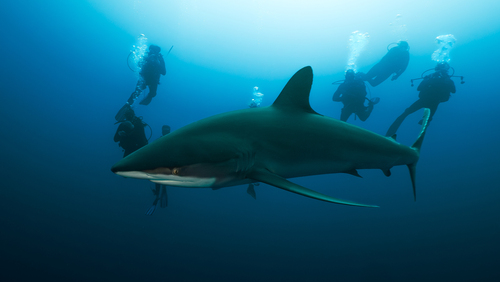
Silky shark
Seen 6 months ago
at Daedalus Reef
Vulnerable
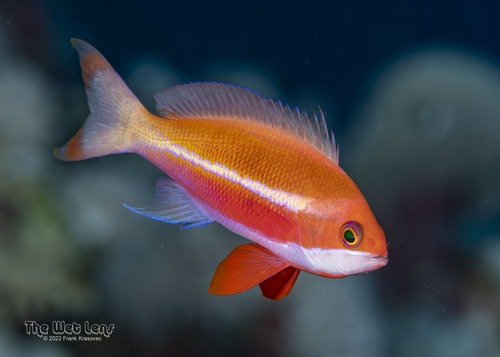
Red Sea anthias
Seen 6 months ago
at Numidia Wreck
Least concern
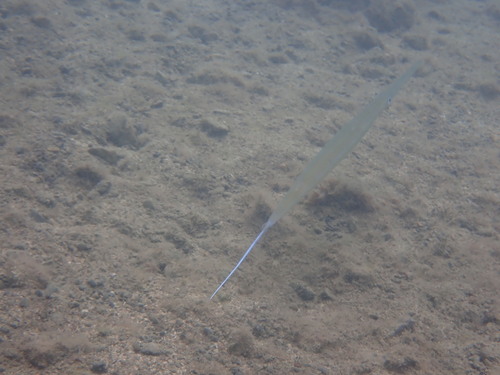
Blue-Spotted Cornetfish
Seen 6 months ago
at Big Brother
Least concern
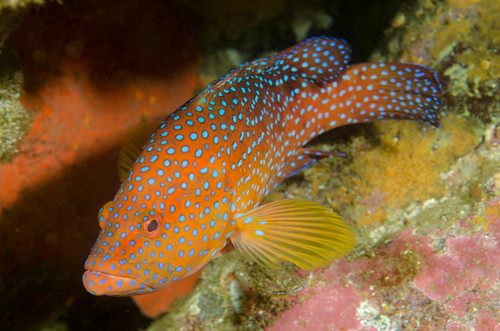
Coral Grouper
Seen 6 months ago
at Big Brother
Least concern

Oceanic whitetip shark
Seen 9 months ago
at Big Brother
Critically endangered
Scalloped hammerhead shark
Seen Sep 2025
at St John's Reef
Critically endangered
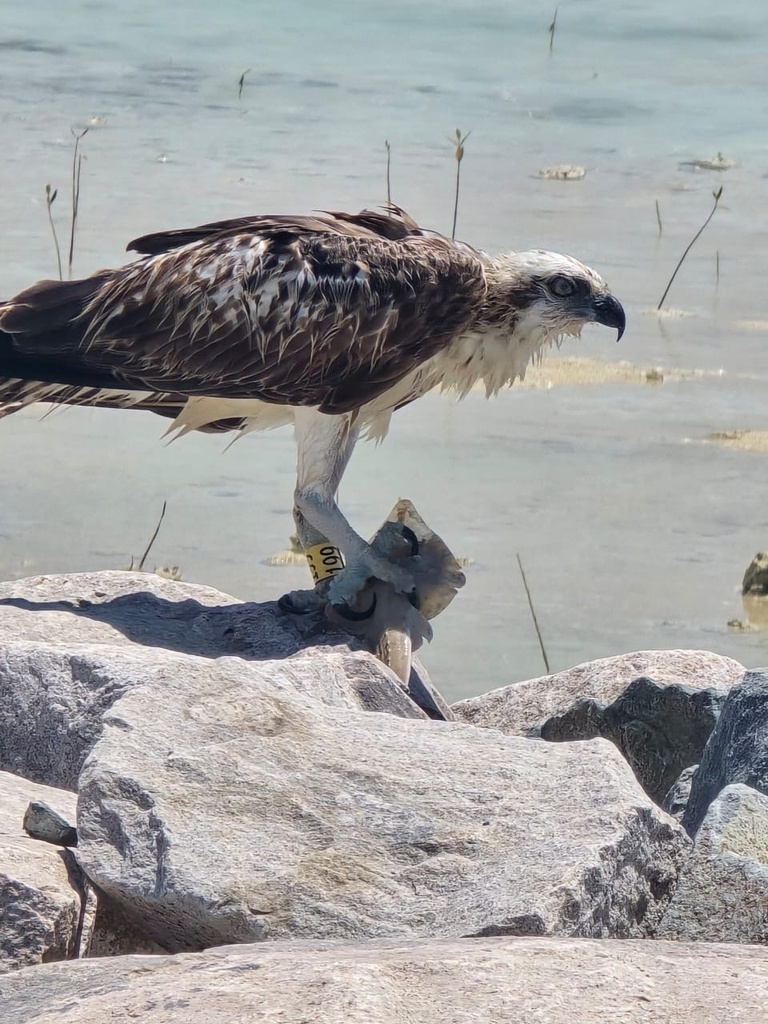
Halavi guitarfish
Seen Jul 2025
at Abu Dabbab
Critically endangered
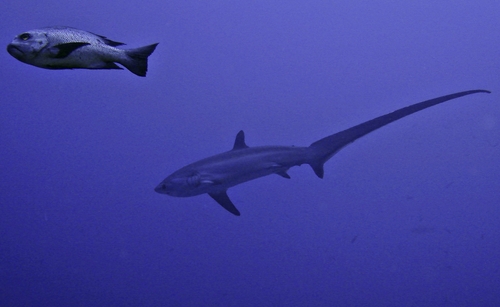
Thresher shark
Seen Dec 2024
at Little Brother
Vulnerable
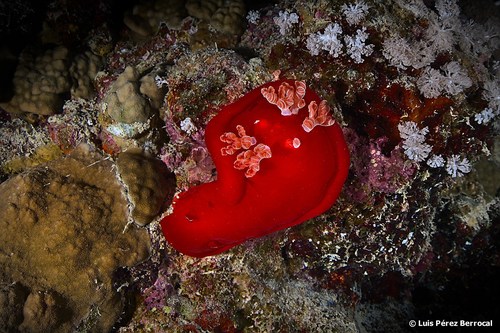
Spanish dancer
Seen Nov 2024
at Sha'ab Sataya (Dolphin House Fury Shoals)
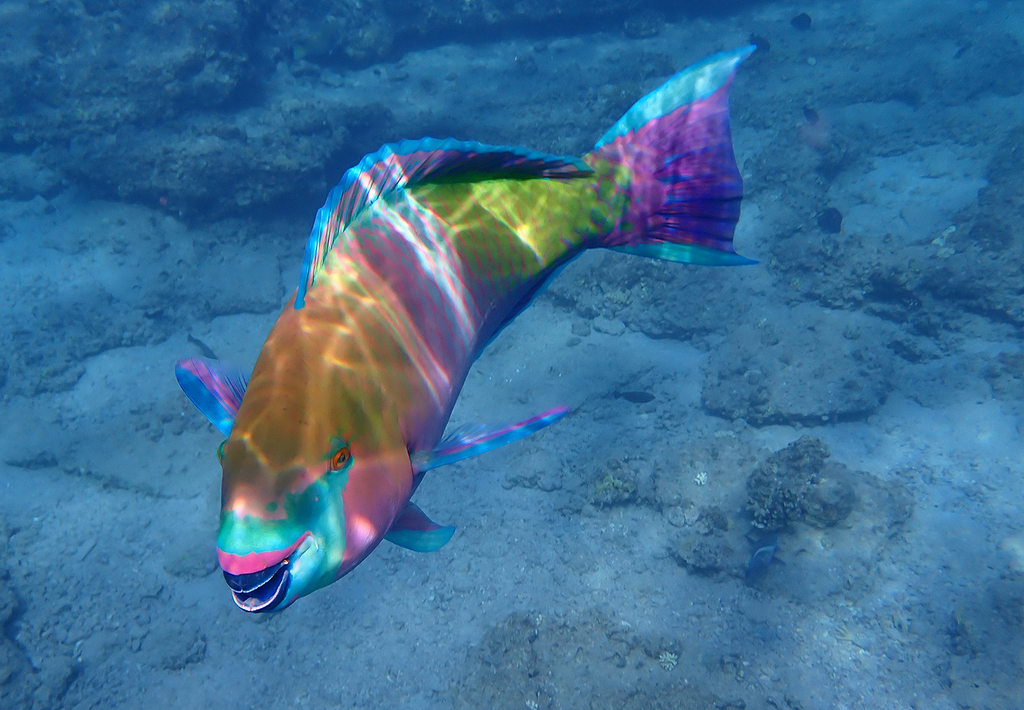
Rusty Parrotfish
Seen Oct 2024
at Big Brother
Least concern
Green turtle
Seen Aug 2024
at St John's Reef
Least concern
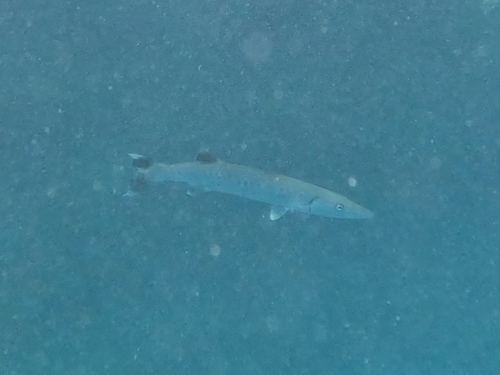
Giant barracuda
Seen year round
at Rocky Island
Least concern
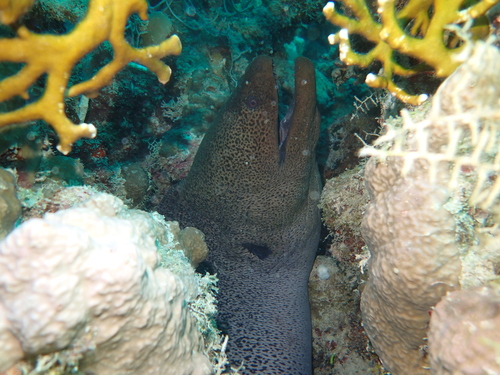
Giant moray
Seen year round
at Rocky Island
Least concern
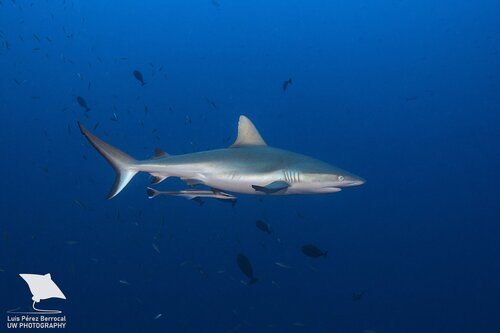
Grey reef shark
Seen year round
at Big Brother
Endangered

Magnificent anemone & anemonefish
Seen year round
at Daedalus Reef

Red soft coral
Seen year round
at Elphinstone Reef
Pelagic thresher shark
Seasonal visitor
at Daedalus Reef
Endangered
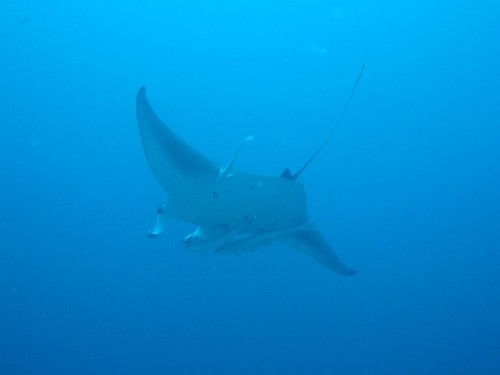
Reef manta ray
Seasonal visitor
at Elphinstone Reef
Vulnerable
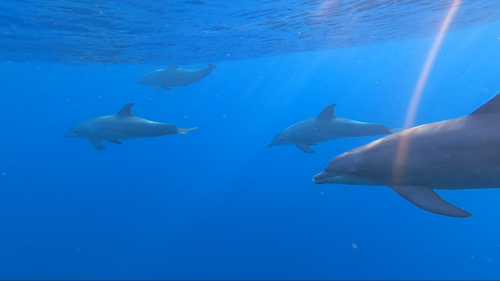
Bottlenose dolphin
Rare sighting
at Rocky Island
Least concern
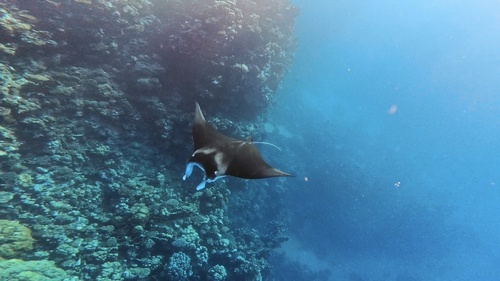
Manta ray
Rare sighting
at Daedalus Reef
Vulnerable
Pelagic thresher
Rare sighting
at Rocky Island
Endangered
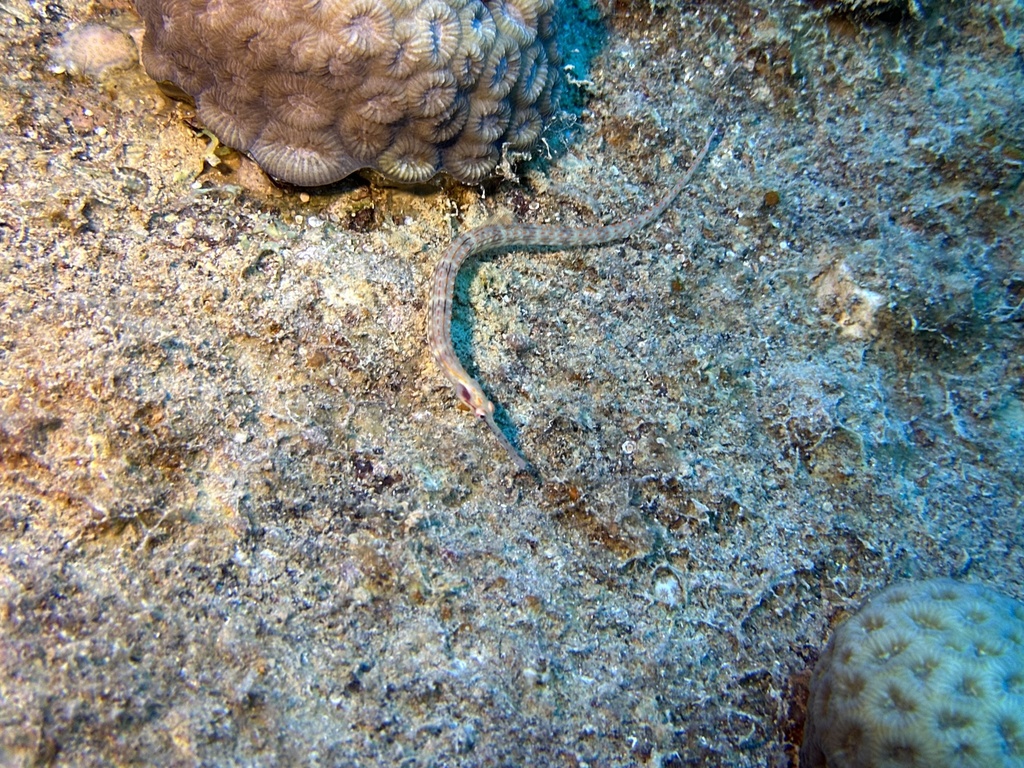
Seahorse
Rare sighting
at Abu Dabbab
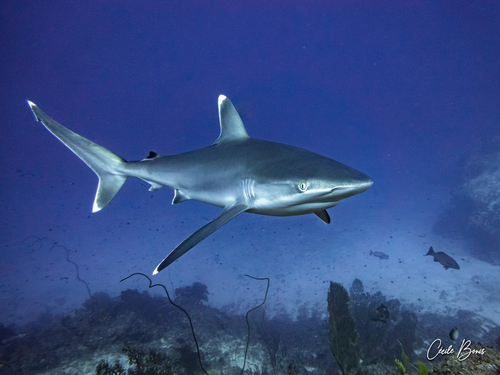
Silvertip shark
Rare sighting
at Little Brother
Vulnerable
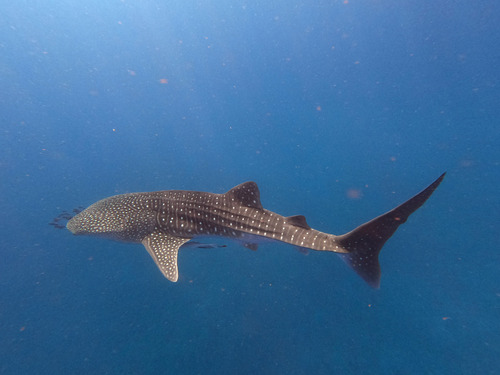
Whale shark
Rare sighting
at Daedalus Reef
Endangered
Dive sites
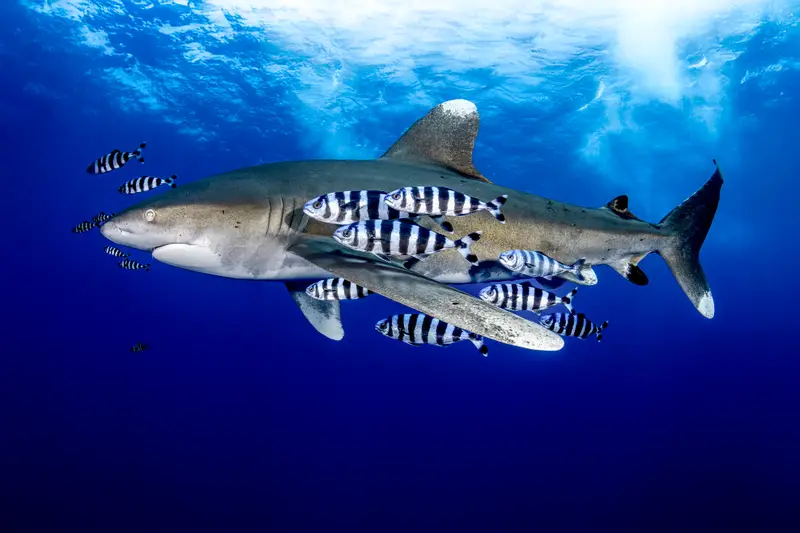
Big Brother
oceanic whitetip shark · thresher shark · scalloped hammerhead · grey reef shark
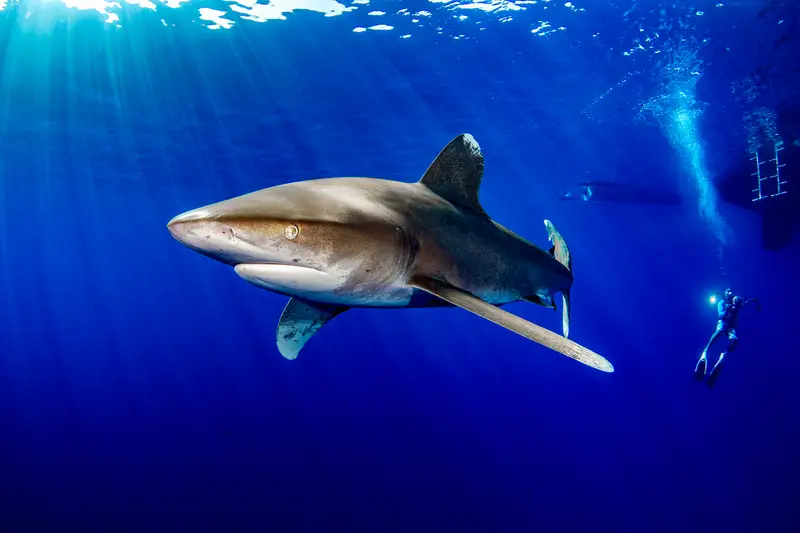
Little Brother
oceanic whitetip shark · thresher shark · scalloped hammerhead · grey reef shark
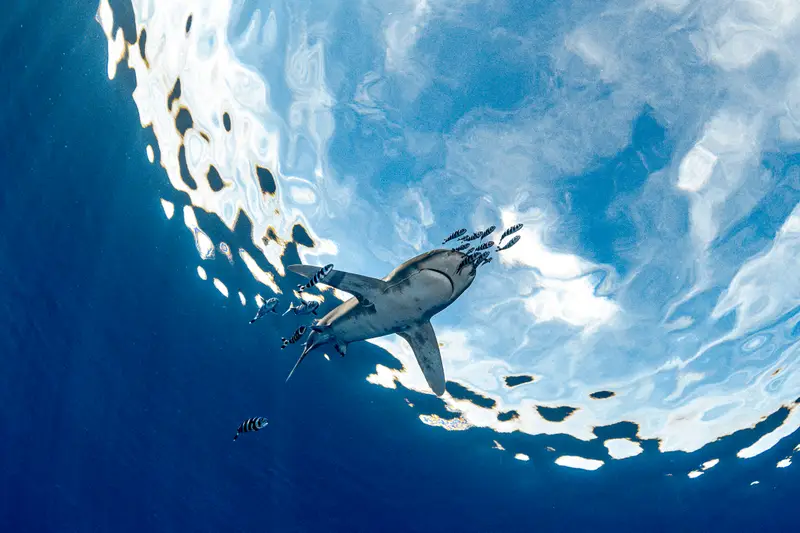
Daedalus Reef
scalloped hammerhead · pelagic thresher shark · oceanic whitetip shark · silky shark
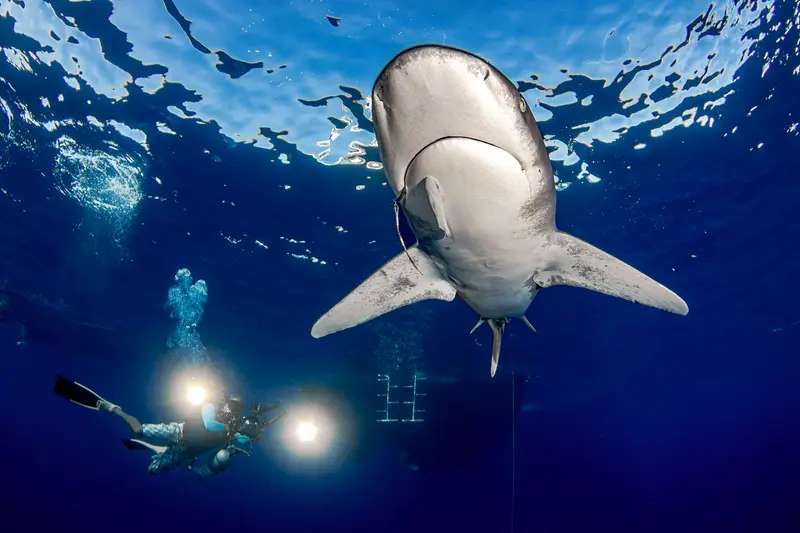
Elphinstone Reef
oceanic whitetip shark · scalloped hammerhead · pelagic thresher shark · reef manta ray
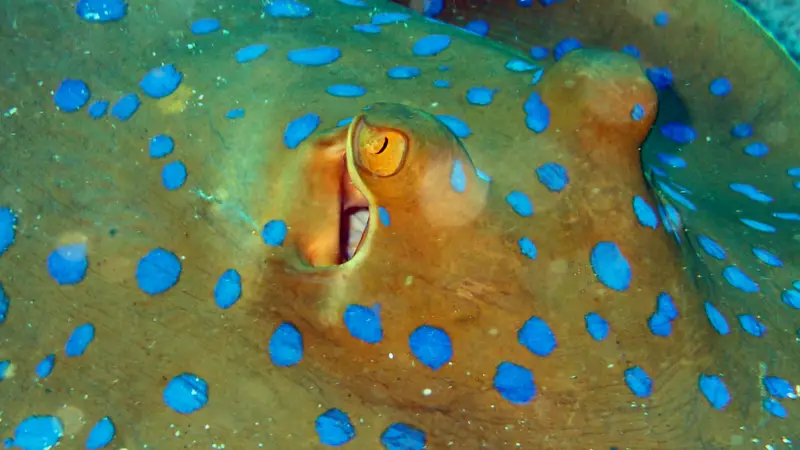
Abu Dabbab
dugong · green sea turtle · hawksbill turtle · halavi guitarfish
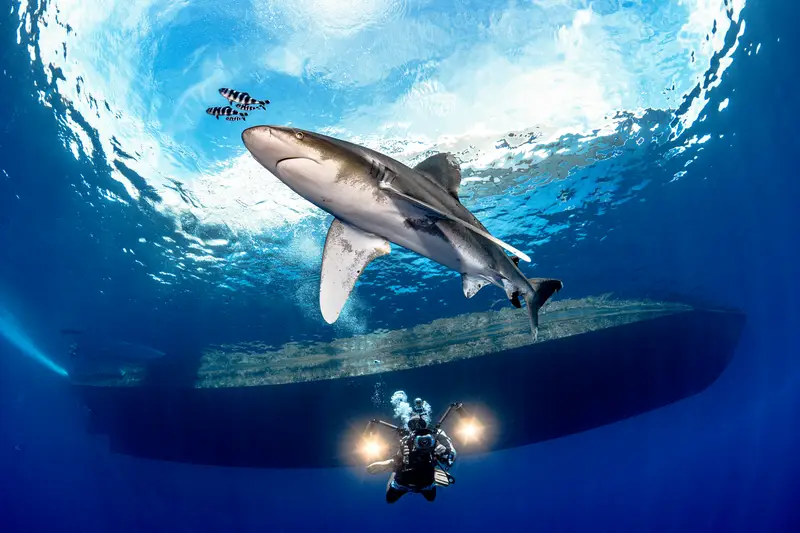
Sha'ab Samadai (Dolphin House)
spinner dolphin · hawksbill turtle · whitetip reef shark · napoleon wrasse
What divers say
Oceanic whitetips at the Brothers don't keep their distance — they come check you out. It's the most respect I've ever felt for a shark.
Good to know
Park closure
Closed roughly December–April. Confirm dates with your operator.
Park fees
Marine park + Brothers tags add ~$80–120 on top of trip price.