
Chuuk Lagoon
Federated States of Micronesia · Chuuk
Chuuk Lagoon (Truk) holds the largest concentration of WWII shipwrecks on Earth — 60+ Japanese vessels and aircraft sunk in Operation Hailstone in 1944, now coral encrusted and intact. It's the world's premier recreational wreck destination.
How this reef is doing
ⓘ How we measure thisReef state
WWII Japanese fleet with extensive coral growth on the wrecks. Lagoon conditions remain stable.
Coral cover
Fish life
Heat
No unusual heat right now.
Fishing
Some fishing is allowed here, in marked zones.
Sources · Reef survey · NOAA Coral Reef Watch · Global Fishing Watch and reef gravity
Coral cover over time
Live coral cover, by survey year
Across surveys in 2014 and 2024, live coral cover here has fallen from 37% to 35%. Every point is a real survey reading, never a projection.
Live coral cover, percent by year
| Year | Coral cover |
|---|---|
| 2014 | 37% |
| 2024 | 35% |
What you will see
9 species across the dive sites here
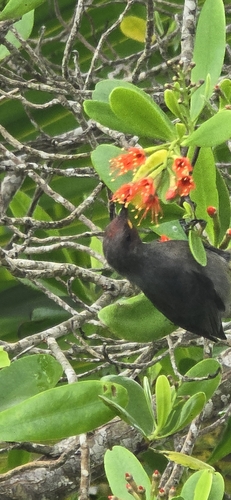
Micronesian Myzomela
Seen 3 months ago
at Fujikawa Maru
Least concern
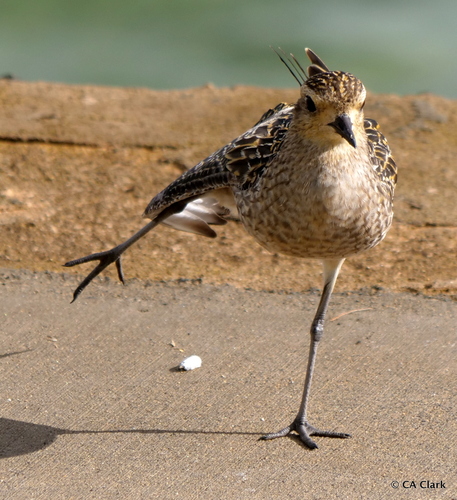
Pacific Golden-Plover
Seen 3 months ago
at Fujikawa Maru
Least concern
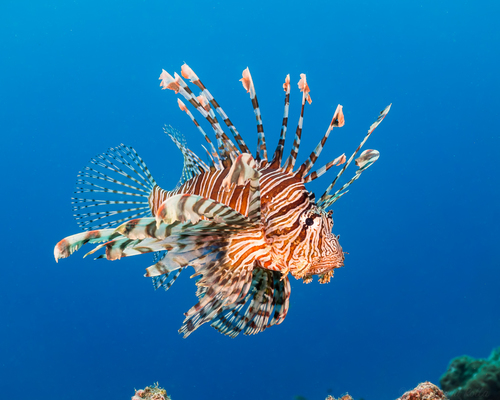
Lionfish
Seen 5 months ago
at Fujikawa Maru
Least concern
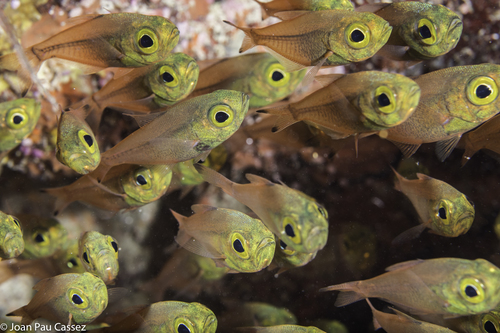
Glassfish
Seen 5 months ago
at Heian Maru
Least concern
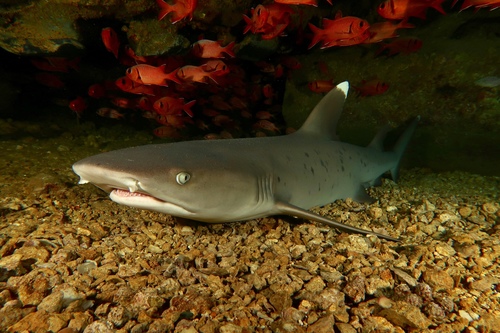
Whitetip reef shark
Seen 5 months ago
at Shinkoku Maru
Vulnerable
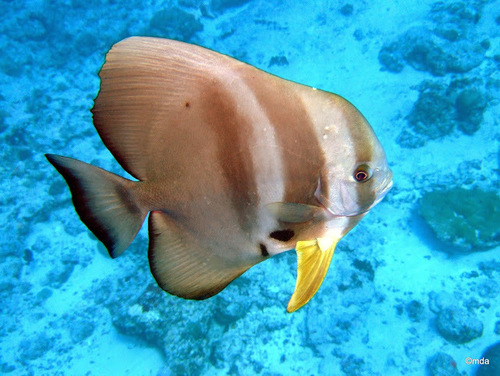
Batfish
Seen Feb 2025
at Heian Maru
Least concern
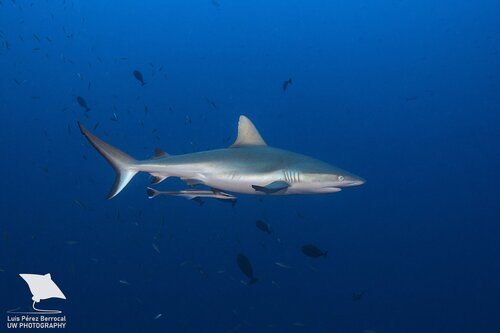
Grey reef shark
Seen year round
at San Francisco Maru
Endangered
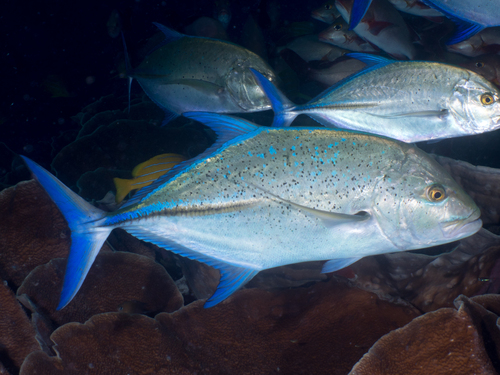
Bluefin Trevally
Rare sighting
at Fujikawa Maru
Least concern
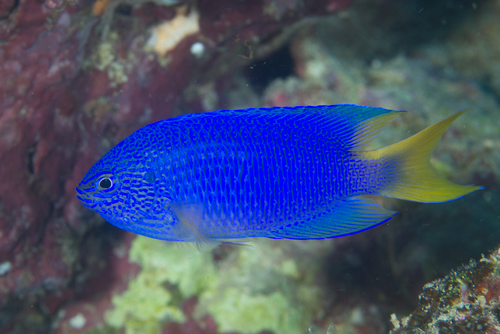
Peacock Damsel
Rare sighting
at Fujikawa Maru
Least concern
Dive sites
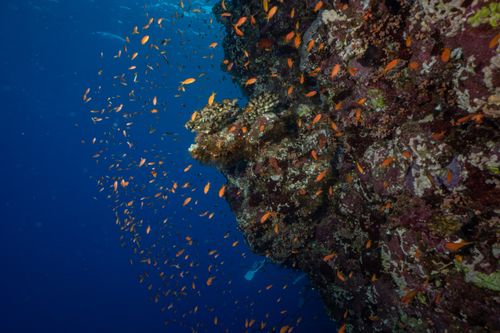
Fujikawa Maru
glassfish · lionfish · whitetip reef shark · peacock damsel
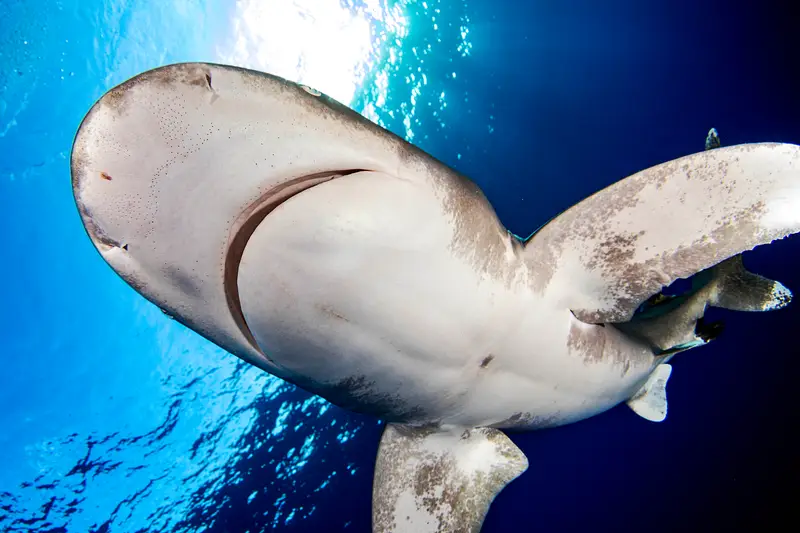
Shinkoku Maru
whitetip reef shark · glassfish · lionfish · peacock damsel
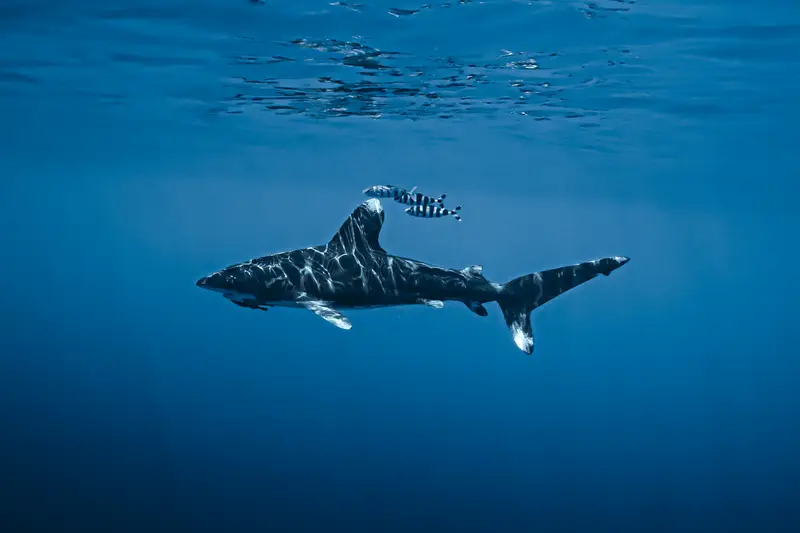
San Francisco Maru
whitetip reef shark · grey reef shark · lionfish · peacock damsel
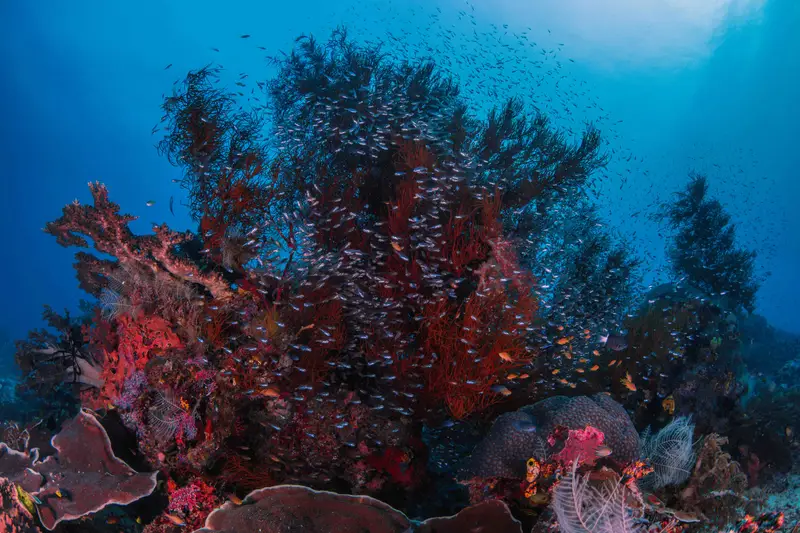
Heian Maru
glassfish · lionfish · batfish · whitetip reef shark
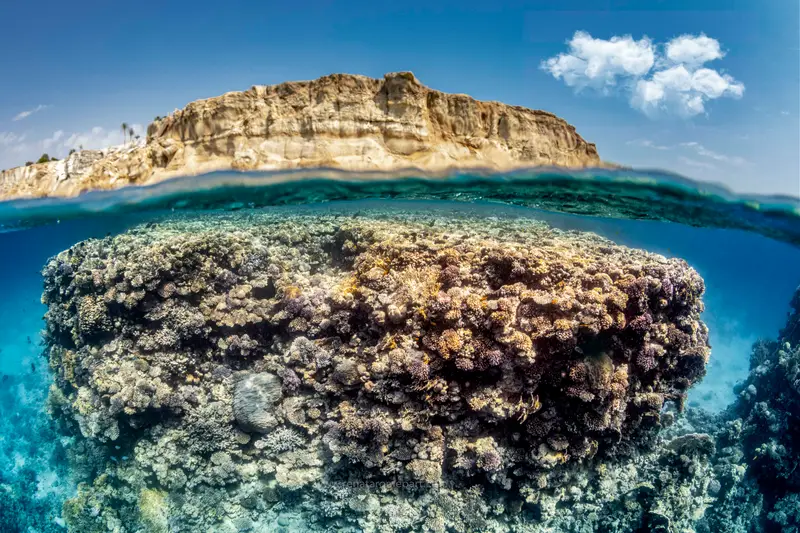
Nippo Maru
glassfish · lionfish · batfish · whitetip reef shark
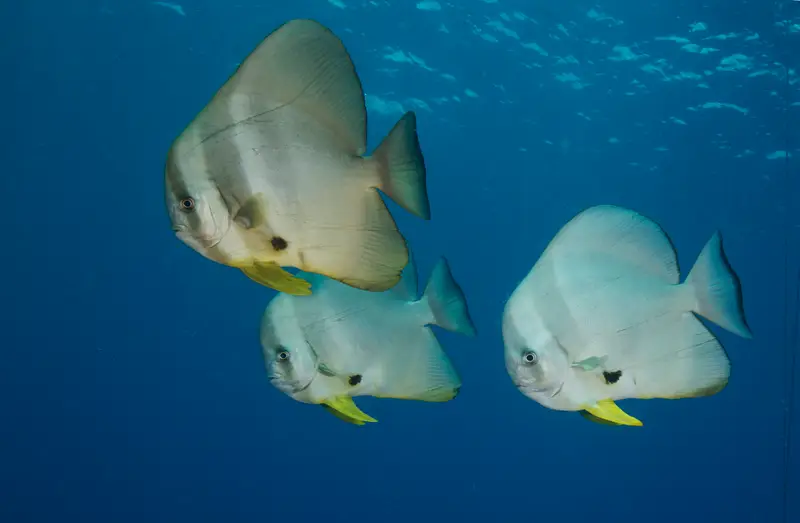
Yamagiri Maru
glassfish · lionfish · batfish · whitetip reef shark
What divers say
Swimming through the engine room of the Fujikawa Maru is like time travel with a regulator in your mouth.
Good to know
Respect the war graves
Many wrecks contain human remains. No artifact removal.