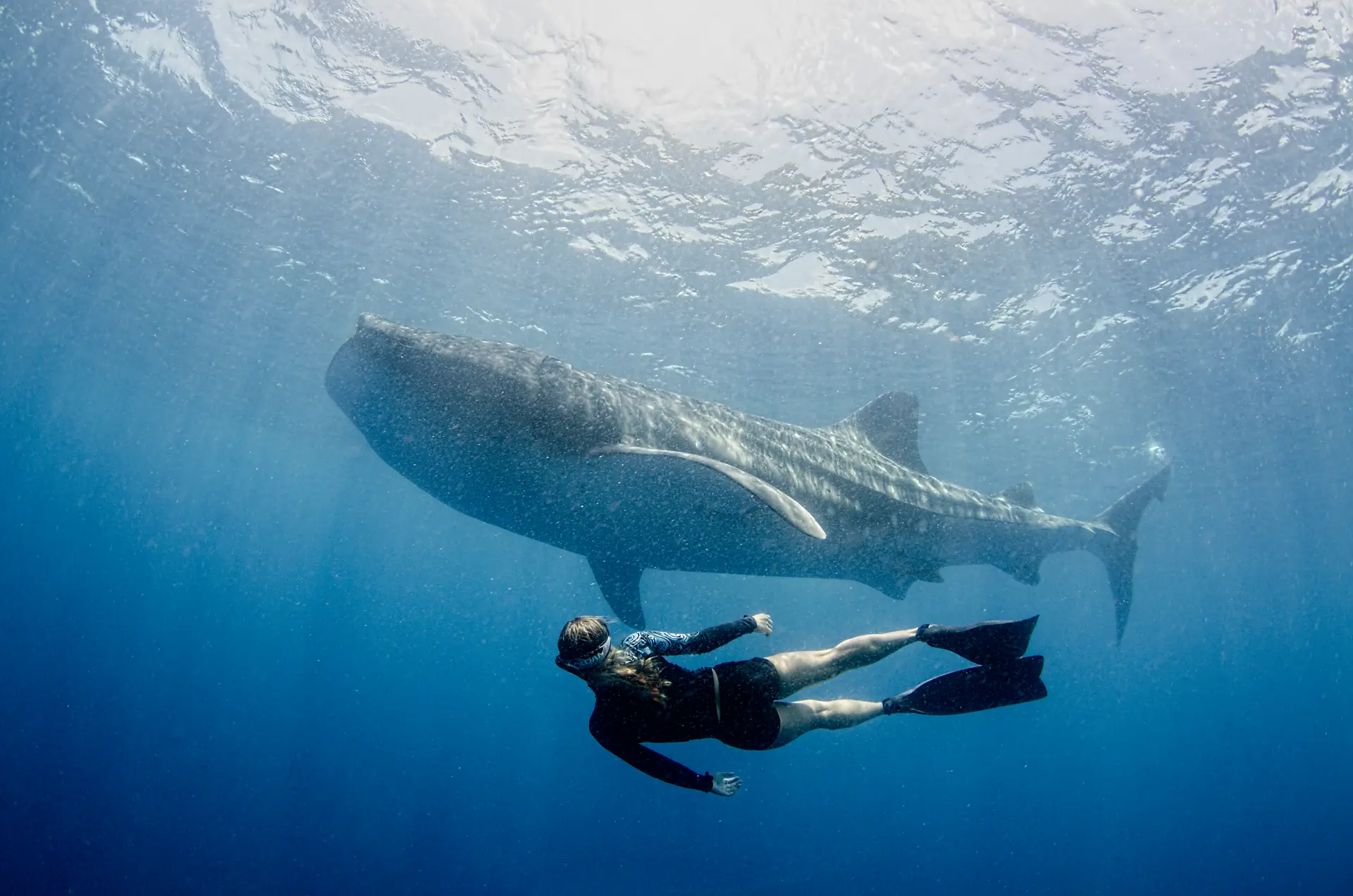
Gulf of Tadjoura
Djibouti · Gulf of Aden
Djibouti's Gulf of Tadjoura hosts a seasonal whale shark aggregation of juveniles — small enough to interact with snorkelers in shallow water. The scuba diving is secondary; the snorkel/freedive with whale sharks is the trip.
How this reef is doing
ⓘ How we measure thisReef state
Whale shark season (Oct–Feb) is the draw. Reef cover modest but conditions stable year to year.
Coral cover
Fish life
Heat
Hot enough that coral is bleaching now.
Fishing
Open to fishing, and the water is fairly quiet.
Sources · GCRMN reef surveys · NOAA Coral Reef Watch · Global Fishing Watch and reef gravity
Coral cover over time
Live coral cover, by survey year
Across surveys in 2014 and 2024, live coral cover here has fallen from 33% to 27%. Every point is a real survey reading, never a projection.
Live coral cover, percent by year
| Year | Coral cover |
|---|---|
| 2014 | 33% |
| 2024 | 27% |
What you will see
15 species across the dive sites here
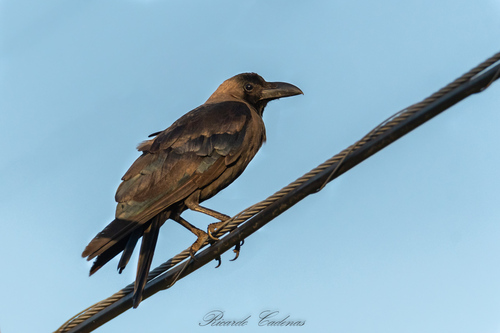
House Crow
Seen 5 months ago
at Moucha Island Reef
Least concern
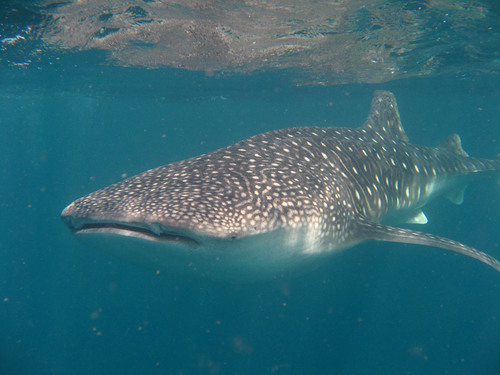
Whale shark
Seen 8 months ago
at Arta Beach (Whale Shark Bay)
Endangered
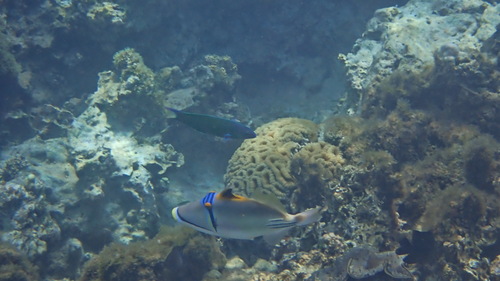
Picasso Triggerfish
Seen Mar 2025
at Moucha Island Reef
Least concern
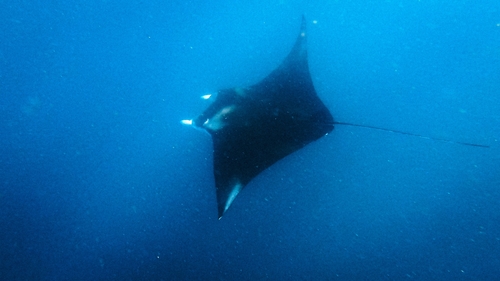
Reef manta ray
Seen Jan 2024
at Arta Beach (Whale Shark Bay)
Vulnerable
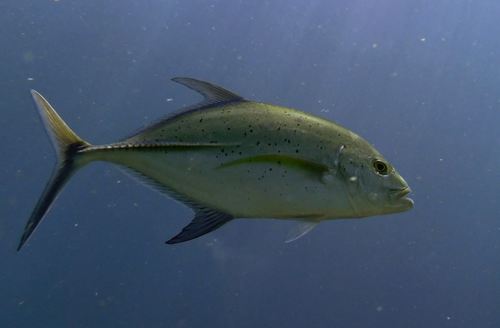
Bluefin trevally
Seen year round
at Arta Beach (Whale Shark Bay)
Least concern
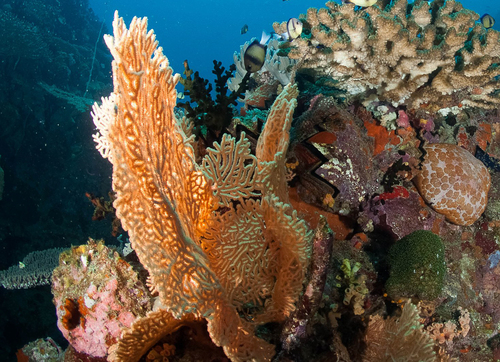
Giant Sea Fan
Seen year round
at Seven Brothers Islands Wall
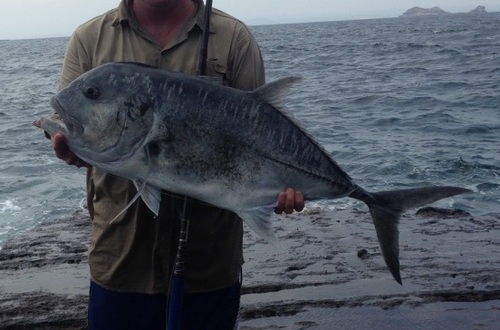
Giant trevally
Seen year round
at Arta Beach (Whale Shark Bay)
Least concern
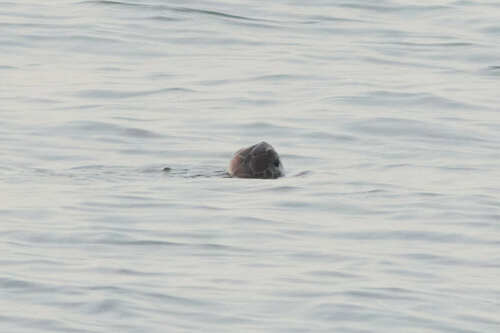
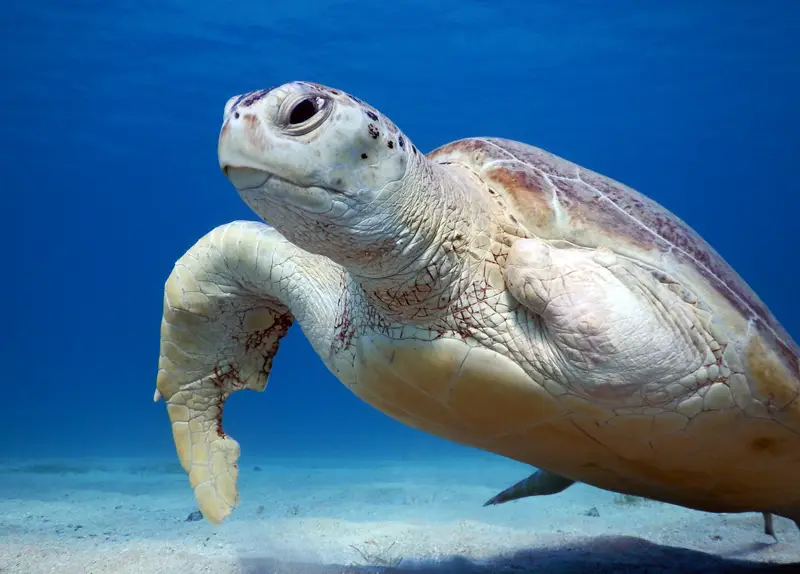
Green Sea Turtle
Seen year round
at Moucha Island Reef
Least concern
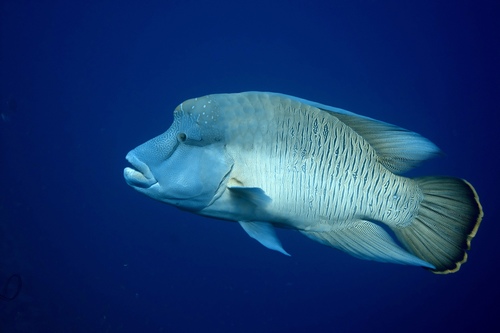
Napoleon Wrasse
Seen year round
at Moucha Island Reef
Endangered
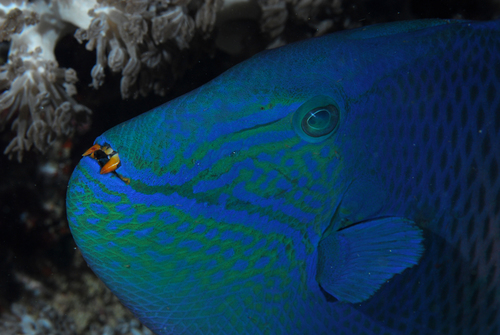
Redtooth Triggerfish
Seen year round
at Moucha Island Reef
Least concern
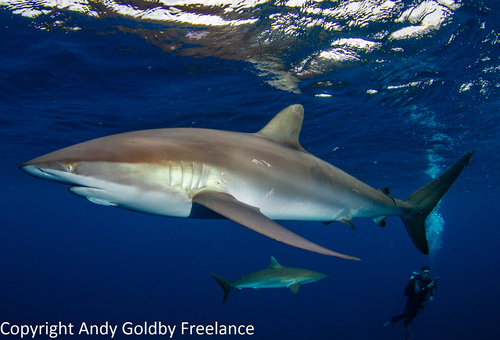
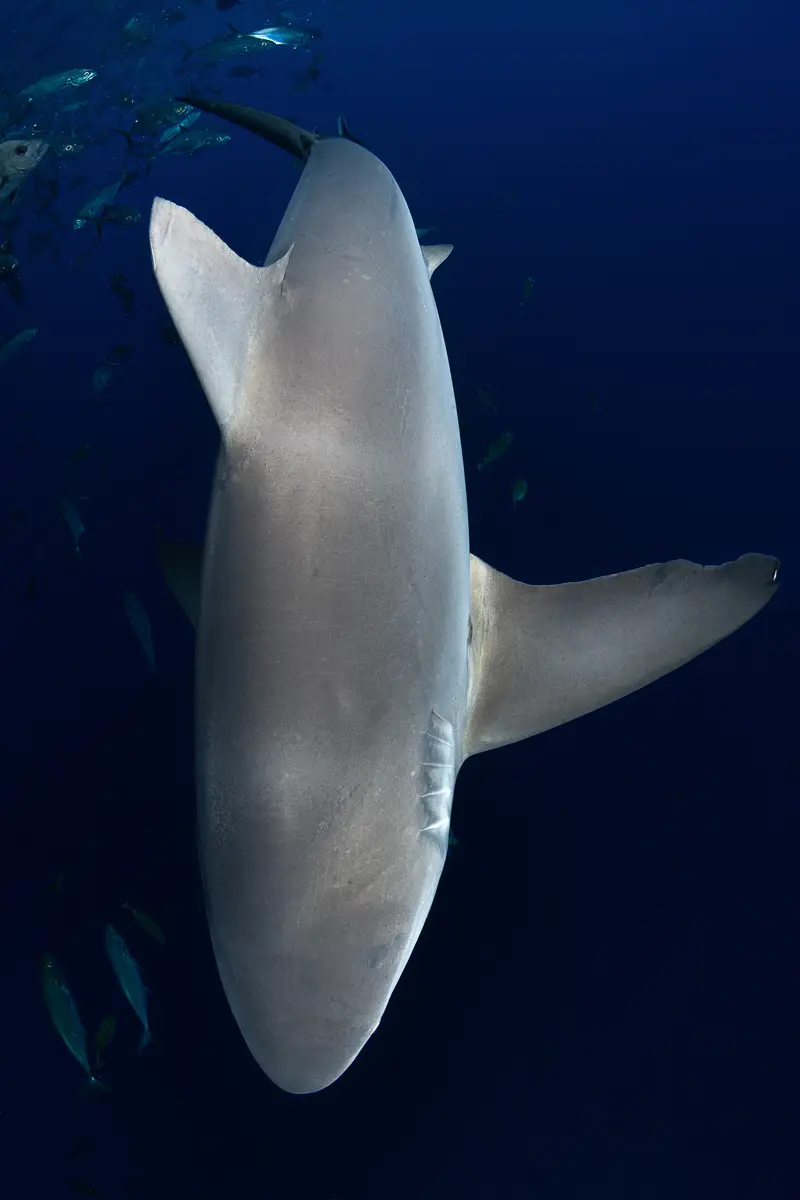
Silky Shark
Seen year round
at Seven Brothers Islands Wall
Vulnerable
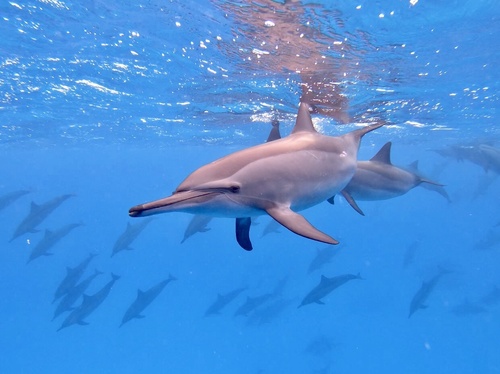
Spinner dolphin
Seen year round
at Arta Beach (Whale Shark Bay)
Least concern

Oceanic Whitetip Shark
Seasonal visitor
at Seven Brothers Islands Wall
Critically endangered
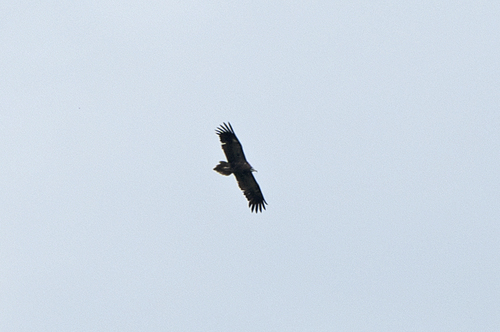
Egyptian Vulture
Rare sighting
at Seven Brothers Islands Wall
Endangered
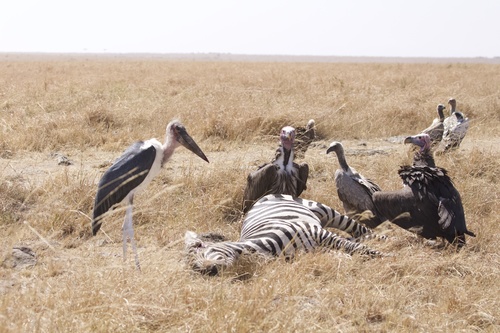
White-Backed Vulture
Rare sighting
at Seven Brothers Islands Wall
Critically endangered
Dive sites
What divers say
Twelve whale sharks under a single skiff. The numbers Djibouti puts up in November are unbeatable.
Good to know
Whale shark code
Strict no touch, no flash rules. Operators enforce.